
Minimalist Salicylic Acid 2% Face Serum for acne-prone skin

 Salicylic Acid
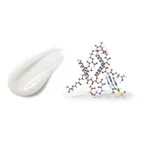 Oligopeptide-10
 Egcg Epigallocatechin Gallate
 Horehound Extract
 Aloe Barbadensis Juice
Average
- AverageCombination Skin Fit
- AverageEffectiveness
- HighSafety
Works for acne-prone skin; other serums fit it better.
This fit is calculated for the concerns frequently associated with acne-prone skin: breakouts, blackheads, and post-acne marks. For scores and recommendations based on your full skin profile, including your 12D face scan results and any goals or preferences you have, please use the Lovi app.
Updated How the Fit score works
Lovi Assistant explains
- Offers moderate pore cleansing and exfoliation for your acne-prone skin, as salicylic acid and lactic acid work to decongest pores and smooth texture. Marrubium Vulgare Extract provides a soothing effect, balancing the active ingredients for combination skin.
- Glycerin offers humectant action to maintain hydration, though additional emollient support could further enhance comfort for your skin type.
- The product is safe for your skin, with no risks of irritation due to the absence of harsh ingredients and the inclusion of soothing components.
How to apply
- Use your serum as part of your PM routine and start 3x/week before working up to daily use.
- Apply this treatment after cleansing and toner, and before your moisturizer.
- Gently press 2-3 drops of the serum into your skin and let it absorb for a minute.
- Apply the product on clean, dry skin to help manage your breakouts safely.
- Avoid the eye area and do a patch test before your first use.
People Say
★4.3Overall rating based on 125.0k+ reviewsBased on a very large amount of data, users widely praise this serum as a potent solution for active acne and oily skin, noting significant reductions in breakouts and sebum production within a few weeks. While effective for general texture and whiteheads, results for stubborn blackheads are mixed, and many users report an initial "purging" phase or dryness that requires consistent moisturizing.
Highlights
Reduces acne Mostly Mentioned
- “acne cleared up in one week”
- “pimple shed off within two days”
- “works wonders for active acne”
- “reduced acne to almost 90 percent”
Controls oil Often Mentioned
- “skin felt less oily throughout the day”
- “keeps oils in check”
- “perfect for oily skin”
- “visible oil reduction”
Lightweight texture Often Mentioned
- “absorbs too fast”
- “no sticky residue”
- “very lightweight and watery”
- “feels like water on skin”
Improves texture Sometimes Noted
- “nose was shining”
- “skin has got so much glowing”
- “removed uneven bumps”
- “face has become plain and smooth”
Causes skin dryness Sometimes Noted
- “might make you feel a little dryness”
- “skin feels stretchy”
- “need to layer moisturizer”
- “dry out the pimple but also the skin”
Initial breakout phase Sometimes Noted
- “skin breaks out initially”
- “purging usually subsides in 3-4 weeks”
- “don't worry if skin breaks out first”
- “had a purging phase”
Mixed blackhead results Rarely Noted
- “didn't really work for blackheads”
- “blackheads were still visible”
- “expected more for blackhead reduction”
- “no difference on nose”
Packaging issues Rarely Noted
- “dropper nozzle drops serum by itself”
- “leaky bottle”
- “product crystallizes on the rim”
- “messy application”
Sources: lovi.care, flipkart.com, nykaa.com, amazon.in, beminimalist.co, youtube.com, and more
Questions and answers
How well does Minimalist Salicylic Acid 2% Face Serum work for acne-prone skin?
Minimalist Salicylic Acid 2% Face Serum offers moderate pore cleansing and exfoliation to help clear breakouts on acne-prone skin while maintaining safety against irritation. However, because it lacks extra softening and smoothing support, an acne-prone product of this type needs ingredients like niacinamide, propolis, and zinc PCA to provide optimal hydration and balance without causing excess oiliness or dryness.
Journal of Cosmetic Dermatology, 2024Journal of Drugs in Dermatology, 2023
Which ingredients make this serum a good fit for acne-prone skin?
Salicylic acid and lactic acid make this serum a good fit for acne-prone skin by cleaning out pores and smoothing texture, while glycerin helps keep the skin hydrated and Marrubium Vulgare Extract soothes it. To work even better for this skin type, a product of this type needs softening ingredients like niacinamide, propolis, or zinc PCA that balance oil and provide extra comfort without causing dryness or excess oiliness.
Journal of Cosmetic Dermatology, 2024Journal of Drugs in Dermatology, 2023
What does Salicylic Acid do for acne-prone skin?
Salicylic acid helps clear acne-prone skin by reducing both inflamed and non-inflamed breakouts while calming redness. It works by diving deep into pores to dissolve excess oil and dead skin cells, which helps prevent future breakouts and keeps skin looking smooth.
Journal of Cosmetic Dermatology, 2024BioMed Research International, 2020
What does Oligopeptide-10 do for acne-prone skin?
Oligopeptide-10 helps calm acne-prone skin by reducing blemishes and managing the bacteria linked to breakouts. It works well with other acne-fighting ingredients to keep the skin clear and calm.
Where does this serum go in a skincare routine for acne-prone skin?
This serum goes in your evening routine after cleansing and before moisturizing. Acne-prone skin of this type needs a product that adds softening ingredients to boost comfort alongside pore-cleansing and soothing components.
Can I use this serum with retinol, and in what order?
You can use this serum with retinol by applying this treatment first in your routine and following it with your retinol on separate nights or spaced carefully apart, as both ingredients are strong and need careful handling to avoid dryness. A product for this skin needs ingredients like glycerin and soothing plant extracts along with extra softening and smoothing moisturizers to keep your face comfortable.
How often should I use this serum?
Start using this treatment once a week in your evening routine, and if your skin feels comfortable and results look good, you may carefully use it more often. To work best for acne-prone skin, this type of product needs pore-clearing ingredients like salicylic acid and soothing components, along with softening ingredients to keep skin comfortable.
Can this serum clog pores, cause breakouts or purging for acne-prone skin?
This serum may cause an initial breakout phase and skin dryness for your acne-prone skin, while offering moderate pore cleansing to help clear pores. To work best for this skin, a product of this type needs added softening ingredients to maintain comfort and hydration.
Journal of Cosmetic Dermatology, 2024Journal of Drugs in Dermatology, 2023
Is this serum fragrance-free and alcohol-free?
Yes, it has no fragrance and no drying alcohol.
What the research says
Twice daily application of a multitargeted dermocosmetic cream provided comparable efficacy to benzoyl peroxide 5% gel in reducing inflammatory, non-inflammatory, and total lesions in 150 Caucasian subjects with mild-to-moderate acne over 56 days, while demonstrating superior skin tolerability.
Journal of Cosmetic Dermatology, 2024The use of a salicylic acid-based dermocosmetic significantly reduces the needed quantity of benzoyl peroxide without impacting efficacy in mild to moderate acne, and as maintenance post-benzoyl peroxide allows a significant reduction of acne relapse compared to vehicle.
Journal of Drugs in Dermatology, 2023A single application of a moisturizing fluid containing hyaluronic acid 1%, glycerin 5%, and Centella asiatica stem cells extract significantly increased skin hydration by 29% and reduced transepidermal water loss at 24 hours compared to baseline and an untreated control site in twenty healthy women.
Clinical, Cosmetic and Investigational Dermatology, 2017Small extracellular vesicles derived from Aloe vera peels exhibited antioxidant activity, reduced intracellular ROS levels, enhanced human skin cell migration, and upregulated antioxidant-related gene expression in H2O2-treated human keratinocytes.
Tissue Engineering and Regenerative Medicine, 2021A moisturizer containing licochalcone A, 1,2-decanediol, L-carnitine, and salicylic acid significantly reduced noninflammatory, inflammatory, and total acne lesion counts compared to a vehicle control in Thai patients during a 12-week maintenance phase.
BioMed Research International, 2020Treatment with 2% supramolecular salicylic acid hydrogel resulted in a regression and markedly improvement rate of 51.01% compared to 43.10% for Adapaline gel in patients with mild to moderate facial acne vulgaris, showing no significant difference in efficacy.
Journal of Cosmetic Dermatology, 2024Topical 5% benzoyl peroxide plus salicylic acid achieved the greatest lesion reduction at early 2 to 4 week time points compared to benzoyl peroxide, clindamycin, and combination benzoyl peroxide/clindamycin, while 5% benzoyl peroxide plus salicylic acid and combination benzoyl peroxide/clindamycin showed similar efficacy at 10 to 12 weeks in acne patients.
Journal of the American Academy of Dermatology, 2010A moisturizing cream containing 2% l-carnitine and 5% EGCG significantly reduced sebum levels and improved skin hydration in ninety subjects with seborrhea over 4 weeks, showing greater anti-sebum efficacy in the combination group compared to the l-carnitine group alone.
Journal of Cosmetic Dermatology, 2023Enzymatic alpha glucosylation of EGCG yielded EGCG-G1, which enhanced epidermal penetration, decreased melanogenesis through down-regulation of 13 genes including MITF, stimulated skin Lactobacillus growth, and decreased hyperpigmented spots while increasing skin brightness and homogeneity compared to EGCG and vitamin C across a large panel of phototypes.
Molecules, 2024Optimized transfersomes loaded with epigallocatechin-3-gallate and hyaluronic acid increased cell viability while reducing lipid peroxidation, intracellular ROS, and MMP expression in HaCaT cells, and exhibited higher skin permeation and deposition compared to plain EGCG.
Drug Delivery, 2017A cream combining propolis, tea tree oil, and Aloe vera reduced erythema scars, acne severity index, and total lesion count better than erythromycin cream in sixty patients with mild to moderate acne vulgaris compared to placebo.
Clinical Pharmacology, 2018Formulations containing 0.10%, 0.25%, and 0.50% freeze-dried Aloe vera extract increased stratum corneum water content compared with the vehicle in 20 female subjects, while transepidermal water loss was not modified.
Skin Research and Technology, 2006Kombucha-mediated fermentation of aloe vera gel for 10 and 20 days enhanced its phenolic and flavonoid content, antioxidant capacity, cytoprotective effects, enzyme inhibition against collagenase, elastase, and hyaluronidase, and moisturizing properties compared to unfermented gel.
Molecules, 2025
Why other serums fit acne-prone skin better
Cosmetic formulations containing 5% Centella asiatica extract showed the best efficacy in improving skin moisture and decreasing transepidermal water loss, while also exhibiting antiinflammatory properties in 25 volunteers compared to baseline measurements.
Indian Journal of Pharmaceutical Sciences, 2016Topical application of 1,3-propanediol at various concentrations, alone or combined with butylene glycol and/or glycerol, increased skin hydration and reduced trans epidermal water loss in 30 healthy female subjects over an 8-hour period, with the 15% concentration and the addition of glycerol providing greater benefits.
International Journal of Cosmetic Science, 2024Hydrogels containing vitamin E-loaded nanostructured lipid carriers exhibited better occlusive properties and long-lasting effects, while vitamin E-loaded nanoemulsions performed a faster skin hydration effect and were selected as more attractive for skin application.
Colloids and Surfaces. B, Biointerfaces, 2019
Ingredients
Water, Methylpropanediol, Butylene Glycol, Ethoxydiglycol, Dimethyl Isosorbide, Salicylic Acid, Glycerin, Marrubium Vulgare Extract, Pentylene Glycol, Polylysine, Sodium Hyaluronate, Epigallocatechin Gallatyl Glucoside, Hydroxyethylcellulose, Xanthan Gum, Lecithin, Sclerotium Gum, Pullulan, Phenoxyethanol, Lactic Acid, Isoceteth-20, Trisodium Ethylenediamine Disuccinate, Ethylhexylglycerin, Oligopeptide-10, Sodium Hydroxide
Behind this fit score
Lovi calculates every fit score from the full ingredient list with brand-independent rules our dermatologists and cosmetic chemists build and review, and personalizes every pick with AI trained on the real results of millions of users. Lovi trains its fit score models on a proprietary dataset built from more than 10,000 expert-labeled products and more than 100,000 simulated examples, following an internally consistent methodology presented at Cosmoprof, AMWC, and Skin of Color Update.
-

Co-founder, Medical Director
Cosmetic chemist, cosmetologist, aesthetic products developer
-

Co-founder, CEO and CTO
PhD in computer science, 3x US patent holder, ex-Google, ex-Yandex
-

Dr. Sofía Perea Pérez, MD, MSc
Medical Board
Aesthetic medicine practitioner, MSc in Longevity and Anti-Aging Medicine
-

Medical Board
Specialist dermatologist, MBBS, MD, IFAAD
-

Medical Board
Cosmetic chemist, SCS, IFSCC member
-

Medical Board, Medical Advisor
Dermatology MD
-

Elina Nazarenko, MD
Medical Board
Dermatology and diagnostic consultant
-

Victoria Derkova, MS
Medical Board
Cosmetic chemist, cosmetic development technologist


How does it fit your skin?
Scan your face, then any product: Lovi shows how well it fits you and what fits even better.