
KORA Organics Calming Lavender Mist for acne-prone skin

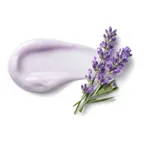 Lavender
 Aloe Barbadensis Leaf Juice
 Glycerin
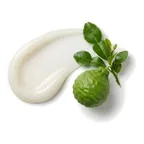 Bergamot Peel Water
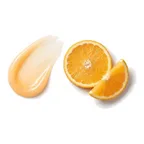 Citrus Aurantium Dulcis Peel Extract
High
- HighCombination Skin Fit
- AverageEffectiveness
- HighSafety
A great choice for acne-prone skin; a few toners fit it even better.
This fit is calculated for the concerns frequently associated with acne-prone skin: breakouts, blackheads, and post-acne marks. For scores and recommendations based on your full skin profile, including your 12D face scan results and any goals or preferences you have, please use the Lovi app.
Updated How the Fit score works
Lovi Assistant explains
- Offers moderate soothing and toning for your combination skin, as aloe barbadensis leaf juice and glycerin provide hydration and calming effects without irritation. While beneficial for general skin comfort, the formula lacks targeted ingredients to effectively address your acne, blemishes, and breakouts.
- The presence of bergamot peel water and lavender oil offers a pleasant sensory experience, though these ingredients may not directly contribute to managing your primary skin concerns.
- The product is safe for your acne-prone skin, with no risks of irritation due to the absence of prohibited or harsh ingredients.
How to apply
- Use your soothing toner AM and PM daily to help keep breakouts under control.
- Apply this soothing toner right after cleansing and before your moisturizer or SPF.
- Gently press 2-3 drops of the soothing toner into your skin and let it absorb.
- Pat the soothing toner onto clean, slightly damp skin for the best absorption.
- Always do a patch test before first use and avoid getting the soothing toner in your eyes.
People Say
★3.8Overall rating based on 100+ reviewsBased on limited data, users with sensitive and combination skin find this mist gentle and hydrating, appreciating its relaxing lavender aromatherapy. However, many feel it is too expensive for its effects, and the lavender scent is polarizing, with some finding it unpleasant. There are also recurring complaints about the sprayer mechanism.
Highlights
Calming lavender scent Often Mentioned
- “aroma is truly relaxing”
- “perfect to set the mood for bed”
- “helps destress mind and body”
Expensive for mist Often Mentioned
- “expensive mist”
- “underwhelming for the price”
- “better local products for less”
Gentle and hydrating Sometimes Noted
- “keeps skin moisturized”
- “very soothing on tired skin”
- “gentle on sensitive skin”
Refreshing sensation Sometimes Noted
- “refreshing spritz”
- “invigorating feeling”
- “good way to start my day”
Faulty sprayer Sometimes Noted
- “sprayer shoots in a line”
- “nozzle is a nightmare”
- “doesn't mist properly”
Scent is polarizing Sometimes Noted
- “smells terrible”
- “least favorite of the 3 scents”
- “scent is underwhelming”
Sources: lovi.care, sephora.in, reddit.com, adorebeauty.com.au, koraorganics.com, and more
Questions and answers
What makes KORA Organics Calming Lavender Mist a great fit for acne-prone skin?
KORA Organics Calming Lavender Mist is a great fit for your acne-prone skin because aloe barbadensis leaf juice and glycerin provide hydration and calming effects without irritation. The product is safe for your skin, with no risks of irritation due to the absence of harsh ingredients.
Which ingredients make this toner a good fit for acne-prone skin?
Aloe barbadensis leaf juice and glycerin make this toner a good fit for acne-prone skin because they provide hydration and calming effects without irritation. It is safe for your skin with no risks of irritation from harsh ingredients, but this type of product still needs targeted blemish-fighting ingredients to effectively clear breakouts.
What does Lavender do for acne-prone skin?
Lavender helps acne-prone skin by fighting the bacteria that cause breakouts and calming redness and swelling. Clinical tests show that it targets acne-causing bacteria effectively while helping skin heal and stay healthy.
What does Aloe Vera Leaf Juice do for acne-prone skin?
Aloe vera leaf juice helps calm acne-prone skin and may reduce redness, pimples, and overall breakouts when used regularly. It works well to keep skin clear and smooth while maintaining good moisture without clogging pores.
The Journal of Dermatological Treatment, 2014Clinical Pharmacology, 2018
Where does it go in a skincare routine for acne-prone skin?
This soothing toner goes after cleansing in your morning and evening routine, bringing hydration and a calming feel without irritation. It is safe for your skin, though it lacks targeted ingredients to actively manage breakouts.
Can I use this toner with retinol, and in what order?
You can use this toner alongside retinol by applying the toner first to damp skin and following with your retinol once it absorbs. This product provides gentle hydration with aloe and glycerin without causing irritation, helping to keep your skin comfortable while using stronger treatments.
How often should I use it?
You can use this calming toner daily in your morning routine as a hydrating step after cleansing. It is safe for your acne-prone skin and provides gentle comfort, though managing blemishes requires a targeted treatment.
Can this toner clog pores, cause breakouts or purging for acne-prone skin?
This toner is unlikely to clog pores or cause breakouts for your acne-prone skin, as it is safe to use and free of harsh ingredients that trigger irritation. However, because it lacks targeted ingredients for breakouts, an acne-prone routine needs blemish-fighting additions like salicylic acid or benzoyl peroxide to truly clear up spots.
Is it fragrance-free and alcohol-free?
It contains fragrance (linalool and geraniol) and drying alcohol (alcohol).
What the research says
A single application of a moisturizing fluid containing hyaluronic acid 1%, glycerin 5%, and Centella asiatica stem cells extract significantly increased skin hydration by 29% and reduced transepidermal water loss at 24 hours compared to baseline and an untreated control site in twenty healthy women.
Clinical, Cosmetic and Investigational Dermatology, 2017Lavandula angustifolia leaf callus extract enhanced skin cell viability, reduced oxidative stress and melanin content, improved wound healing, and enhanced skin barrier function in human skin cells and clinical tests.
Free Radical Biology & Medicine, 2025Tea tree oil effectively treated acne while lavender and rosemary oils demonstrated anti-inflammatory and anti-aging properties in derma cosmetic applications based on an evaluation of various essential oils.
Frontiers in Medicine, 2025Essential oils isolated from micropropagated lavender stimulate HSF cells to produce procollagen at concentrations of 0.01, 0.001, and 0.0001%, and provide a preservative effect at 0.1% in a cosmetic emulsion over 3 months.
Natural Product Research, 2018A blend of Lavandula angustifolia flower extract and dipeptide-4 reduced oxidative and glycation markers, enhanced ATP, SOD, autophagy, and melatonin production, and improved tissue morphology in human skin models and fibroblasts.
International Journal of Cosmetic Science, 2026A cream combining propolis, tea tree oil, and Aloe vera reduced erythema scars, acne severity index, and total lesion count better than erythromycin cream in sixty patients with mild to moderate acne vulgaris compared to placebo.
Clinical Pharmacology, 2018Formulations containing 0.10%, 0.25%, and 0.50% freeze-dried Aloe vera extract increased stratum corneum water content compared with the vehicle in 20 female subjects, while transepidermal water loss was not modified.
Skin Research and Technology, 2006Kombucha-mediated fermentation of aloe vera gel for 10 and 20 days enhanced its phenolic and flavonoid content, antioxidant capacity, cytoprotective effects, enzyme inhibition against collagenase, elastase, and hyaluronidase, and moisturizing properties compared to unfermented gel.
Molecules, 2025The emollient V0034CR significantly reduced TEWL compared to vehicle and vehicle plus glycerol, and significantly increased corneometry scores compared to vehicle and vehicle plus petrolatum in healthy volunteers with dry skin, demonstrating combined barrier function improvement from petrolatum and hydration improvement from glycerol.
Journal of Cosmetic Dermatology, 2020Ten days of treatment with a cream containing 20% glycerin significantly increased skin hydration measured by corneometer values in 17 healthy volunteers compared to a placebo cream, but showed no influence on transepidermal water loss or skin sensitivity to an irritating surfactant.
International Journal of Cosmetic Science, 2001Niacinamide/glycerin body moisturizers provided better rapid and prolonged improvement of cosmetic xerosis through functional improvement of stratum corneum barrier function compared to no treatment and conventional moisturizers in female subjects.
Journal of Drugs in Dermatology, 2012Combining bergamot essential oil-loaded nano-phytosomes with spironolactone significantly improved therapeutic response against acne vulgaris compared to bergamot essential oil-loaded nano-phytosomes alone in patients.
Pharmaceuticals, 2023Topical cutaneous administration of bergamot essential oil and ammonium glycyrrhizinate co-loaded ultradeformable vesicles showed superior anti-inflammatory activity compared to vesicles containing ammonium glycyrrhizinate alone in human volunteers.
Biomedicines, 2022Bergapten added to a UV-B sunscreen lotion significantly increases sunlight-induced skin pigmentation compared to sunscreen alone in human subjects.
Archives of Dermatology, 1989Topically applied standardized red orange extract demonstrates strong in vitro antioxidant activity and efficiently protects against UVB-induced skin erythema in healthy human volunteers compared to tocopherol.
International Journal of Cosmetic Science, 1998A standardized red orange extract counteracts UVB-induced inflammatory and apoptotic responses in human keratinocytes by blocking oxidative stress-related events.
BioFactors, 2007Addition of a red orange complex induced a dose-dependent inhibition of ICAM-1 expression and MCP-1 and IL-8 release in human keratinocyte cells NCTC 2544 treated with interferon-gamma and histamine.
Phytotherapy Research, 2010
Ingredients
Aloe Barbadensis Leaf Juice, Water, Glycerin, Sodium Pca, Polyglyceryl-10 Myristate, Lavandula Angustifolia Flower Water Lavender Flower Water, Bergamot Peel Water, Morinda Citrifolia Fruit Extract, Lavandula Angustifolia Oil Lavender Oil, Citrus Aurantium Dulcis Peel Extract, Glyceryl Caprylate, Acerola Fruit Extract Acerola Cherry Fruit Extract, Tangerine Peel Extract, Tocopherol, Helianthus Annuus Seed Oil Sunflower Seed Oil, Caprylic Capric Triglyceride, Sodium Levulinate, Sodium Anisate, Maltodextrin, Sea Salt Maris Sal Sel Marin, Lactic Acid, Quartz, Alcohol, Linalool, Geraniol
Behind this fit score
Lovi calculates every fit score from the full ingredient list with brand-independent rules our dermatologists and cosmetic chemists build and review, and personalizes every pick with AI trained on the real results of millions of users. Lovi trains its fit score models on a proprietary dataset built from more than 10,000 expert-labeled products and more than 100,000 simulated examples, following an internally consistent methodology presented at Cosmoprof, AMWC, and Skin of Color Update.
-

Co-founder, Medical Director
Cosmetic chemist, cosmetologist, aesthetic products developer
-

Co-founder, CEO and CTO
PhD in computer science, 3x US patent holder, ex-Google, ex-Yandex
-

Dr. Sofía Perea Pérez, MD, MSc
Medical Board
Aesthetic medicine practitioner, MSc in Longevity and Anti-Aging Medicine
-

Medical Board
Specialist dermatologist, MBBS, MD, IFAAD
-

Medical Board
Cosmetic chemist, SCS, IFSCC member
-

Medical Board, Medical Advisor
Dermatology MD
-

Elina Nazarenko, MD
Medical Board
Dermatology and diagnostic consultant
-

Victoria Derkova, MS
Medical Board
Cosmetic chemist, cosmetic development technologist


How does it fit your skin?
Scan your face, then any product: Lovi shows how well it fits you and what fits even better.