
Jumiso Blackhead Melting Softener for acne-prone skin

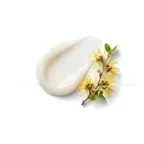 Witch Hazel Water
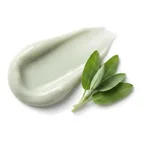 Salvia Officinalis Leaf Extract
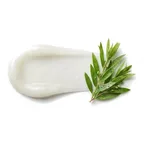 Melaleuca Alternifolia Tree Leaf Water
Average
- HighCombination Skin Fit
- AverageEffectiveness
- HighSafety
Works for acne-prone skin; other serums fit it better.
This fit is calculated for the concerns frequently associated with acne-prone skin: breakouts, blackheads, and post-acne marks. For scores and recommendations based on your full skin profile, including your 12D face scan results and any goals or preferences you have, please use the Lovi app.
Updated How the Fit score works
Lovi Assistant explains
- Offers moderate treatment for blackheads due to gluconolactone and succinic acid, which aid in exfoliating and decongesting pores for your combination skin. Glycerin and panthenol provide supportive hydration and soothing benefits for your acne, blemishes, and breakouts.
- The formula is well-suited for combination skin, offering mild exfoliation and seboregulation, though it lacks stronger ingredients for optimal oil control.
- The safety profile is excellent, with no risks of irritation for your combination skin due to the absence of prohibited or harsh ingredients.
How to apply
- Use your serum as part of your PM routine and start 3x/week before working up to daily use.
- Apply this treatment after cleansing and toner, and before your moisturizer.
- Gently press 2-3 drops of the serum into your skin and let it absorb for a minute.
- Apply the product on clean, dry skin to help manage your breakouts safely.
- Avoid the eye area and do a patch test before your first use.
People Say
★4.8Overall rating based on 1.7k+ reviewsBased on a very large amount of data, users with oily, sensitive, and combination skin report that this product effectively melts away sebum and sebaceous filaments without causing irritation. While consistent use and manual extraction are often needed for optimal results, reviewers frequently note smoother skin texture, reduced pore visibility, and a hydrated finish.
Highlights
Gentle and non-irritating Mostly Mentioned
- “gentle yet effective”
- “didn't cause irritation”
- “soothing cypress water”
- “great for sensitive skin”
Effective sebum removal Often Mentioned
- “melt off stubborn blackheads”
- “amount of sebum is insane”
- “cleans my pores”
- “dissolves sebum”
Hydrating formula Sometimes Noted
- “skin felt hydrated”
- “doesn't dry out skin”
- “leaves a moisturized finish”
- “no tight feeling”
Improves skin texture Sometimes Noted
- “complexion feels smoother”
- “refines uneven texture”
- “pores looked great”
- “skin felt refreshed”
Quality accessories Sometimes Noted
- “cotton pads lay well”
- “includes comedone extractors”
- “pointed applicator cap”
- “pads don't crease”
Requires manual extraction Sometimes Noted
- “have to scrape aggressively”
- “nothing comes out if gentle”
- “manual picking needed”
- “used scraper tool”
Temporary or slow results Sometimes Noted
- “blackheads come back”
- “requires patience”
- “not instant drama”
- “need consistent use”
Chemical scent Rarely Noted
- “chemical smell”
- “astringent sort of smell”
- “has a bit of a smell”
- “fresh but chemical”
Packaging or value issues Rarely Noted
- “flip-top cap inconvenient”
- “wish there was more product”
- “small size”
- “pads might run out”
Price concerns Rarely Noted
- “slightly expensive”
- “need to use liberally”
- “cost effective alternative to Ilso”
Sources: lovi.care, asianbeautywholesale.com, pickyskincare.com, stylekorean.com, jumiso.us, ballagrio.com, and more
Questions and answers
How well does JUMISO Blackhead Melting Softener work for acne-prone skin?
JUMISO Blackhead Melting Softener works moderately well for acne-prone skin by offering gentle pore decongestion, mild exfoliation, and soothing hydration. However, this skin needs treatments featuring powerful ingredients like salicylic acid and lactic acid for optimal oil control and acne management.
The Australasian Journal of Dermatology, 1992Journal of Cosmetic Dermatology, 2024
Which ingredients make this treatment a good fit for acne-prone skin?
This treatment works well for acne-prone skin thanks to gluconolactone and succinic acid, which help gently clear pores and calm breakouts. To work best for this skin, a treatment of this type needs stronger oil-controlling ingredients like salicylic acid and lactic acid for powerful pore cleansing.
The Australasian Journal of Dermatology, 1992Journal of Cosmetic Dermatology, 2024
What does Witch Hazel do for acne-prone skin?
Witch hazel helps calm redness and swelling on acne-prone skin by soothing inflammation. Studies show that bark extracts may also help manage irritation linked to breakouts.
Antioxidants, 2022Journal of Cutaneous Medicine and Surgery, 2017
What does Sage Leaf Extract do for acne-prone skin?
Sage Leaf Extract helps acne-prone skin by fighting bacteria and calming redness, making it a good fit for breakouts. It contains antioxidants and soothing compounds that reduce irritation and support clearer skin.
Journal of Agricultural and Food Chemistry, 2007Chemistry & Biodiversity, 2017
Where does it go in a skincare routine for acne-prone skin?
Use this treatment in your evening routine, starting once a week and slowly using it more often if your skin tolerates it well. It offers moderate help for blackheads and breakouts, but acne-prone skin of this type needs stronger oil control ingredients for an ideal fit.
Can I use this treatment with retinol, and in what order?
You can use this treatment alongside retinol, but apply them on alternating nights to keep your skin calm and avoid irritation. This product needs stronger ingredients for optimal oil control and clearer pores when managing acne-prone skin.
How often should I use it?
Use this treatment in your evening routine once a week to start, and if your skin tolerates it well, you may carefully use it more often. This product type needs stronger oil-controlling ingredients and more potent acne-fighting actives to achieve an optimal fit for acne-prone skin.
The Australasian Journal of Dermatology, 1992Journal of Cosmetic Dermatology, 2024
Can this treatment clog pores, cause breakouts or purging for acne-prone skin?
This treatment is unlikely to clog pores or cause irritation for your acne-prone skin because it has a very safe formula without harsh ingredients, though it lacks stronger ingredients for optimal oil control. To best care for acne-prone skin, a product of this type needs stronger oil-controlling ingredients and more effective blemish fighters.
The Australasian Journal of Dermatology, 1992Journal of Cosmetic Dermatology, 2024
Is it fragrance-free and alcohol-free?
Yes, it has no fragrance and no drying alcohol.
What the research says
Gluconolactone 14% solution significantly improved mild to moderate acne by reducing inflamed and non-inflamed lesions similarly to 5% benzoyl peroxide, but with fewer side-effects in 150 patients.
The Australasian Journal of Dermatology, 1992Treatment with a facial cream gel containing a biotechnological phytocomplex, niacinamide, and succinic acid increased skin microbial diversity and reduced C. acnes abundance, lesion counts, sebum, and acne severity in 44 subjects with mild-moderate acne over 56 days.
Journal of Cosmetic Dermatology, 2024Treatment with a lotion containing a phytocomplex, niacinamide, and succinic acid increased skin microbial alpha diversity, reduced Cutibacterium acnes relative abundance, and improved acne severity and clinical symptoms in 43 subjects with truncal mild-moderate acne.
Skin Research and Technology, 2024Combining 10% gluconolactone chemical peeling with oxybrasion or microneedle mesotherapy increased skin hydration and decreased sebum, pH, and TEWL in twenty-one Caucasian women, with no significant differences between the two methods.
Skin Research and Technology, 2023Glycolic acid, salicylic acid, gluconolactone, and licochalcone A combined with 0.1% adapalene showed no hindrance compared to adapalene monotherapy and provided benefits in reducing complications in 25 subjects with mild-to-moderate acne vulgaris.
Clinical, Cosmetic and Investigational Dermatology, 2019A Hamamelis virginiana leaf extract increased LOXL1 expression twofold, decreased elafin synthesis, restored functional elastic fibers, reduced nonfunctional elastin aggregates, decreased wrinkles, and improved skin firmness.
Journal of Cosmetic Science, 2018Hamamelis bark proanthocyanidins strongly increased the proliferation of cultured human keratinocytes and reduced transepidermal water loss and erythema formation in SLS-irritated skin, whereas the polysaccharide fraction had no effect.
Phytochemistry, 2001Hamamelis virginiana bark extract inhibited Cutibacterium acnes-induced IL-6 release and TNF-α-induced IL-8 release in human keratinocytes without showing antibacterial or antibiofilm activities.
Antioxidants, 2022Topical 2% sage extract significantly reduced ultraviolet-induced erythema compared to placebo in 40 healthy volunteers, to a similar extent as hydrocortisone.
Planta Medica, 2007Topical application of a cream containing the NHE1 activator rosmarinic acid decreased skin surface pH and transepidermal water loss while increasing skin hydration in 50-60-year-old adult females compared to vehicle cream and no treatment.
International Journal of Molecular Sciences, 2022Incorporating rosmarinic acid into sunscreens enhanced the in vivo SPF of octocrylene by over 157% and reduced lipid peroxidation in the human stratum corneum.
Antioxidants, 2025A cream combining propolis, tea tree oil, and Aloe vera reduced erythema scars, acne severity index, and total lesion count better than erythromycin cream in sixty patients with mild to moderate acne vulgaris compared to placebo.
Clinical Pharmacology, 2018Tea tree oil nanoemulsion containing adapalene gel demonstrated significantly greater reductions in total, inflammatory, and non-inflammatory acne lesions as well as acne severity index compared to adapalene marketed gel in 100 patients with acne vulgaris over 12 weeks.
Archives of Dermatological Research, 2022Topical 5% tea tree oil gel significantly improved total acne lesions and acne severity index compared to placebo in 60 patients with mild to moderate acne vulgaris, showing 3.55 times and 5.75 times greater efficacy respectively.
Indian Journal of Dermatology, Venereology and Leprology, 2007
Why other serums fit acne-prone skin better
Chemical peels with 30% supramolecular salicylic acid effectively treated acne and reduced facial sebum secretion while improving skin hydration and barrier function in 25 patients.
Journal of Cosmetic Dermatology, 2022A novel emulsion containing niacinamide, lens esculenta seed extract, and white willow bark extract effectively improved acne, blackheads, and conspicuous facial pores in 30 subjects with oily skin.
Journal of Cosmetic Dermatology, 2024A botanical face cleanser with hops and willow bark extract continuously reduced skin sebum levels without reactive seborrhea after treatment in 21 healthy volunteers compared to a sodium laureth sulfate cleanser, with neither cleanser causing skin irritation.
Journal of Cosmetic Dermatology, 2019
Ingredients
Water, 1,2-Hexanediol, Witch Hazel Water, Salvia Officinalis Leaf Extract, Butylene Glycol, Arctium Lappa Root Extract, Chamaecyparis Obtusa Water, Eucalyptus Globulus Leaf Extract, Melissa Officinalis Leaf Extract, Glycerin, Hypericum Perforatum Stem Extract Flower Leaf, Saponaria Officinalis Leaf Extract, Sorbitol, Gluconolactone, Ethylhexylglycerin, Propanediol, Trisodium Ethylenediamine Disuccinate, 4-Terpineol, Succinic Acid, Betaine, Melaleuca Alternifolia Tree Leaf Water, Panthenol, Hyaluronic Acid, Hydrolyzed Hyaluronic Acid, Punica Granatum Flower Extract, Pentylene Glycol, Caprylyl Glycol
Behind this fit score
Lovi calculates every fit score from the full ingredient list with brand-independent rules our dermatologists and cosmetic chemists build and review, and personalizes every pick with AI trained on the real results of millions of users. Lovi trains its fit score models on a proprietary dataset built from more than 10,000 expert-labeled products and more than 100,000 simulated examples, following an internally consistent methodology presented at Cosmoprof, AMWC, and Skin of Color Update.
-

Co-founder, Medical Director
Cosmetic chemist, cosmetologist, aesthetic products developer
-

Co-founder, CEO and CTO
PhD in computer science, 3x US patent holder, ex-Google, ex-Yandex
-

Dr. Sofía Perea Pérez, MD, MSc
Medical Board
Aesthetic medicine practitioner, MSc in Longevity and Anti-Aging Medicine
-

Medical Board
Specialist dermatologist, MBBS, MD, IFAAD
-

Medical Board
Cosmetic chemist, SCS, IFSCC member
-

Medical Board, Medical Advisor
Dermatology MD
-

Elina Nazarenko, MD
Medical Board
Dermatology and diagnostic consultant
-

Victoria Derkova, MS
Medical Board
Cosmetic chemist, cosmetic development technologist


How does it fit your skin?
Scan your face, then any product: Lovi shows how well it fits you and what fits even better.