
iS Clinical Brightening Serum for oily acne-prone skin

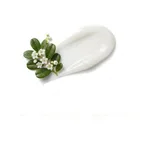 Alpha-Arbutin
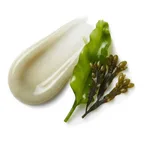 Ascophyllum Nodosum Extract
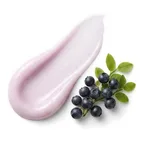 Vaccinium Myrtillus Leaf Extract Fruit
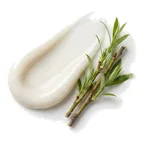 Willow Bark Extract
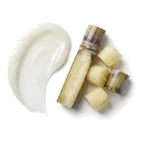 Saccharum Officinarum Extract
Average
- HighOily Skin Fit
- AverageEffectiveness
- Low RiskSafety
Works for oily acne-prone skin; other serums fit it better.
This fit is calculated for the concerns frequently associated with oily acne-prone skin: shine, breakouts, blemishes, and enlarged pores. For scores and recommendations based on your full skin profile, including your 12D face scan results and any goals or preferences you have, please use the Lovi app.
Updated How the Fit score works
Lovi Assistant explains
- Offers moderate brightening for your oily skin due to alpha-arbutin and saccharum officinarum extract, which help to even skin tone and provide hydration.
- The presence of willow bark extract offers some keratolytic action, but the formula lacks sufficient seboregulating ingredients for optimal results on your acne, blemishes, and breakouts.
- The product is generally safe for your oily skin, though alcohol denat and menthol may pose a slight risk of irritation.
How to apply
- Could be used as part of your PM routine. Start 3 times a week and build up to daily use if your skin tolerates it well.
- Apply your serum after cleansing and toning, but before putting on your moisturizer.
- Gently press 2 to 3 drops of the serum into your skin and let it absorb for a minute.
- Apply the serum on clean, dry skin to help manage your blemishes safely.
- Do a patch test before your first use and avoid the delicate eye area.
People Say
★4.6Overall rating based on 100+ reviewsThis review data is based on limited data. Users frequently report visible improvements in dark spots, skin radiance, and overall texture, noting that the formula is generally gentle enough for various skin types, including sensitive skin. Some users may find it less effective for stubborn conditions or notice potential irritation if used too frequently.
Highlights
Fades dark spots Mostly Mentioned
- “Dark spots from acne are fading”
- “Reduced dark spots from previous acne”
- “Lightening of scarring”
Evens skin tone Often Mentioned
- “Truly even outs my skin”
- “Provides brightening and balance”
- “More even skin and calmer”
Gentle formula Sometimes Noted
- “Great for my fair sensitive skin”
- “Non-irritant”
- “Gentle enough for sensitive skin”
Improves texture Sometimes Noted
- “Refine skin texture”
- “Smoothes and softens”
- “Sleeker, more toned look”
Slow/no results Sometimes Noted
- “Didn't reduce dark spots as quickly as I'd hoped”
- “Can't tell if it is making any difference”
- “Didn't really work for me”
Potential breakouts Rarely Noted
- “Started getting hormonal acnes”
- “Caused breakouts”
Price point Rarely Noted
- “For the price, I was a bit disappointed”
- “Expensive for the results”
Tingling sensation Rarely Noted
- “Active product may produce a slight tingling sensation”
- “Can be too drying if over used”
Sources: lovi.care, lovelyskin.com, dermstore.com, beautifiedyou.com, dermacaredirect.com, and more
Questions and answers
How well does iS Clinical Brightening work for oily acne-prone skin?
iS Clinical Brightening Serum is an average fit for oily acne-prone skin, offering moderate brightening while carrying a slight risk of irritation from alcohol denat and menthol. To work best for this skin type, a treatment needs ingredients like niacinamide, propolis, or Vitamin C to control excess oil and target blemishes without irritation.
Which ingredients make this serum a good fit for oily acne-prone skin?
Alpha-arbutin and sugar cane extract make this serum a fit by offering moderate brightening and hydration for your oily skin. Treatments of this type need effective ingredients like niacinamide, propolis, and vitamin C that control excess oil, clear breakouts, and soothe the skin without any risk of irritation.
What does Alpha-Arbutin do for oily acne-prone skin?
Alpha-arbutin is an average fit for oily acne-prone skin because it focuses mainly on fading dark spots and uneven skin tone rather than clearing breakouts. To properly care for oily acne-prone skin, a product of this type needs lightweight hydrators and ingredients that help balance oil and keep pores clear.
What does Ascophyllum Nodosum Extract do for oily acne-prone skin?
Ascophyllum Nodosum Extract helps calm oily, acne-prone skin by soothing irritation and balancing excess oil. Because skin of this type needs lightweight hydration and ingredients that clear pores without clogging them, this extract works well to keep your face feeling fresh and smooth.
Where does this serum go in a skincare routine for oily acne-prone skin?
This treatment goes in the evening routine, applied after cleansing and before moisturizing. Oily acne-prone skin needs a treatment of this type to also include strong oil-controlling and breakout-clearing ingredients.
Can I use it with retinol, and in what order?
You can use this treatment alongside retinol, applying the treatment first in your evening routine and following with your retinol and moisturizer. Because this product contains alcohol and menthol, it may pose a slight risk of irritation when combined with strong ingredients.
How often should I use this serum?
You can use this treatment in your evening routine. For oily acne-prone skin, a product of this type needs stronger oil-balancing ingredients to manage breakouts.
Can it clog pores, cause breakouts or purging for oily acne-prone skin?
It is unlikely to cause major breakouts on your oily skin, though alcohol denat and menthol may pose a slight risk of irritation. Oily acne-prone skin needs products with stronger oil-controlling and pore-clearing ingredients to keep breakouts completely under control.
Is this serum fragrance-free and alcohol-free?
It has no fragrance and contains drying alcohol (alcohol denat).
What the research says
Encapsulation of alpha arbutin in an optimized ethosomal gel significantly improved skin melanin reduction, moisture content, and elasticity in human volunteers compared to conventional formulations.
Heliyon, 2023Topical 30% l-menthol decreased cold pain thresholds and enhanced pain responses to suprathreshold noxious cold stimuli without affecting other stimuli in 39 healthy subjects compared to ethanol control.
Pain, 2006Topical L-menthol and trans-cinnamaldehyde administered individually and in combination on the volar forearm of healthy volunteers induced distinct somatosensory and vasomotor effects, where L-menthol reduced the axon-reflex-flare and altered the mechanical hyperalgesia caused by trans-cinnamaldehyde.
European Journal of Pain, 2014A non-hydroquinone topical formulation (SKNB19) improved hyperpigmentation by 28.5% in patient self-assessment and 27% in independent reviewer assessment compared with 4% hydroquinone in 18 adult subjects, while showing significantly less irritation and better tolerability.
Journal of Cosmetic Science, 2020Aziderm cream, Neostrata Pigment Lightening Gel, and an arbutin 5% formulation significantly reduced skin pigmentation in healthy female volunteers compared to untreated controls.
The Journal of Clinical and Aesthetic Dermatology, 2022Arbutin abrogates alpha-MSH-induced hyperpigmentation, inhibits melanin production in B16 cells, and decreases tyrosinase activity.
Archives of Pharmacal Research, 2009Fermented bilberry extract improved wrinkle depth, skin smoothness, roughness, firmness, elasticity, antioxidant capacity, and complexion evenness compared to a placebo in 66 subjects over 84 days.
Nutrients, 2024Topical application of oil-in-water creams containing wild bilberry leaves extract and seeds oil produced significant beneficial effects on the skin of healthy human volunteers.
Antioxidants, 2021Microwave-assisted extraction of Vaccinium myrtillus leaf waste using 50% ethyl alcohol at a 1:30 g/mL ratio for 2 minutes yielded 29 phenolic components (predominantly chlorogenic acid and quercetin 3-O-glucuronide) which demonstrated high inhibition of Staphylococcus aureus growth, antioxidant capacity, anti-inflammatory activity, and stimulative influence on keratinocyte viability.
Pharmaceutics, 2024A botanical face cleanser with hops and willow bark extract continuously reduced skin sebum levels without reactive seborrhea after treatment in 21 healthy volunteers compared to a sodium laureth sulfate cleanser, with neither cleanser causing skin irritation.
Journal of Cosmetic Dermatology, 2019Bioactive lipid nanocarriers co-loaded with willow bark or ivy leaf extracts and UV-filters provided pronounced UVA photoprotection up to an SPF-equivalent value of 13 and a maximum in vivo skin hydration effect of 97% when prepared with pomegranate oil.
Nanomaterials, 2022A topical serum containing 0.5% salicin applied twice daily reduced visible signs of skin aging, including wrinkles and tactile roughness, in 30 female subjects over 12 weeks compared to baseline.
Journal of Cosmetic Dermatology, 2010Daily application of an antiaging cream containing 0.1% retinaldehyde, glycylglycine oleamide, and pre-tocopheryl is as effective as three sequential glycolic acid peels in reducing wrinkles and superior in refining skin texture in women with photoaging, with a 12-fold lower incidence of physical signs of adverse events.
Journal of Cosmetic Dermatology, 2018Serial glycolic acid peels combined with a modified Kligman formula significantly reduced facial PIH severity in Indian patients compared to the modified Kligman formula alone.
Dermatologic Surgery, 2017
Why other serums fit oily acne-prone skin better
- Menthol in this serum
Topical menthol induced significant pain, cold sensations, punctate and cold hyperalgesia, and increased cutaneous perfusion in 10 subjects compared to ethanol control, acting as a human model for cold pain by sensitizing peripheral cold C nociceptors and activating cold-specific A delta fibres.
Brain, 2004 Co-delivery of paeonol and madecassoside via nanoemulsions improved transdermal delivery, promoted barrier repair proteins, inhibited inflammatory cytokine secretion in cellular and 3D models, and reduced transepidermal water loss and acne in human facial skin compared to free components.
Molecules, 2023
Ingredients
Butylene Glycol, Water, Glycerin, Alcohol Denat, Ascophyllum Nodosum Extract, Saccharum Officinarum Extract, Vaccinium Myrtillus Leaf Extract Fruit, Alpha-Arbutin, Glyceryl Polyacrylate, Polyporus Umbellatus Extract Mushroom Extract, Willow Bark Extract, Menthol, Phenoxyethanol
Behind this fit score
Lovi calculates every fit score from the full ingredient list with brand-independent rules our dermatologists and cosmetic chemists build and review, and personalizes every pick with AI trained on the real results of millions of users. Lovi trains its fit score models on a proprietary dataset built from more than 10,000 expert-labeled products and more than 100,000 simulated examples, following an internally consistent methodology presented at Cosmoprof, AMWC, and Skin of Color Update.
-

Co-founder, Medical Director
Cosmetic chemist, cosmetologist, aesthetic products developer
-

Co-founder, CEO and CTO
PhD in computer science, 3x US patent holder, ex-Google, ex-Yandex
-

Dr. Sofía Perea Pérez, MD, MSc
Medical Board
Aesthetic medicine practitioner, MSc in Longevity and Anti-Aging Medicine
-

Medical Board
Specialist dermatologist, MBBS, MD, IFAAD
-

Medical Board
Cosmetic chemist, SCS, IFSCC member
-

Medical Board, Medical Advisor
Dermatology MD
-

Elina Nazarenko, MD
Medical Board
Dermatology and diagnostic consultant
-

Victoria Derkova, MS
Medical Board
Cosmetic chemist, cosmetic development technologist


How does it fit your skin?
Scan your face, then any product: Lovi shows how well it fits you and what fits even better.