
iS Clinical Brightening Complex for acne-prone skin

 Sodium Hyaluronate
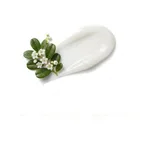 Alpha-Arbutin
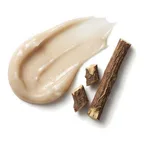 Licorice Root Extract
 Tetrahexyldecyl Ascorbate
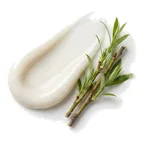 Willow Bark Extract
Average
- HighCombination Skin Fit
- AverageEffectiveness
- HighSafety
Works for acne-prone skin; other serums fit it better.
This fit is calculated for the concerns frequently associated with acne-prone skin: breakouts, blackheads, and post-acne marks. For scores and recommendations based on your full skin profile, including your 12D face scan results and any goals or preferences you have, please use the Lovi app.
Updated How the Fit score works
Lovi Assistant explains
- Offers moderate skin brightening for your combination skin due to alpha-arbutin and tetrahexyldecyl ascorbate, which help even skin tone, while willow bark extract and saccharum officinarum extract provide keratolytic and humectant actions.
- Glycerin and licorice root extract offer general hydration and soothing benefits, supporting your skin's overall health without specifically targeting your acne, blemishes, and breakouts.
- The product is safe for your combination skin with no risks of irritation, as it lacks prohibited or harsh ingredients.
How to apply
- Use your serum as part of your PM routine and start 3x/week before working up to daily use.
- Apply this treatment after cleansing and toner, and before your moisturizer.
- Gently press 2-3 drops of the serum into your skin and let it absorb for a minute.
- Apply the product on clean, dry skin to help manage your breakouts safely.
- Avoid the eye area and do a patch test before your first use.
People Say
★4.6Overall rating based on 100+ reviewsBased on limited data, this product is highly praised for its ability to fade dark spots and hyperpigmentation, leading to a more even and radiant skin tone. Users with various skin types, including acne-prone and sensitive skin, find the formula to be gentle and non-irritating. A moderate number of users mention the high price point as a drawback, while a low frequency of reviews indicate no visible changes.
Highlights
Fades dark spots Mostly Mentioned
- “It took all my sun spots away. It took away age spots as well.”
- “Dark spots have started fading, and my overall skin looks more radiant.”
- “I have had spots for a long time and recently now also get melasma patches when I tan... this product works even better.”
- “It seems to be helping brightening my dark spots.”
Evens skin tone Often Mentioned
- “Within weeks my redness/discoloration was gone and my skin is all the same pigment.”
- “This cream has helped even out my complexion and reduced dullness.”
- “It is lightweight and noticeably improves overall skin tone.”
- “My skin tone looks brighter after a few weeks.”
Gentle and non-irritating Sometimes Noted
- “It is not oily or pore clogging and hasn't irritated my acne prone skin.”
- “Gentle yet effective formula.”
- “It's suitable for my dry skin, has a smooth texture...”
- “This product was very easy to apply, gentle on my skin...”
High price point Sometimes Noted
- “I had to take a break from this product because it's so expensive...”
- “It is very expensive, but love nonetheless.”
- “However, they did acknowledge that it is an expensive product.”
- “did not live up to its high price”
No visible changes Rarely Noted
- “I don't see any effect after using for 1 year!”
- “I can't honestly say I've seen any change in my skin.”
- “Haven't had significant results yet but I remain hopeful.”
- “They experienced no lightening effect, even when using it after microneedling.”
Unpleasant smell Rarely Noted
- “Yes, it smells pretty bad, but my skin looks and feels so good...”
- “temporarily stinky but works like a dream”
- “I'd so much rather take the product that is a little temporarily stinky...”
Sources: lovi.care, lovelyskin.com, dermstore.com, artofskincare.com, amirova.com.au, tslskincare.com.au, and more
Questions and answers
How well does iS Clinical Brightening Complex work for acne-prone skin?
This product works moderately well for acne-prone skin, though other treatments fit it better because they target breakouts and blemishes more specifically. An ideal product for this skin needs effective ingredients like niacinamide, propolis, or zinc PCA that provide excellent care for acne while maintaining balance and controlling oiliness.
Which ingredients make this cream a good fit for acne-prone skin?
Willow bark extract helps clear pores and smooth your skin, while glycerin keeps your face hydrated without feeling heavy. Acne-prone skin needs products containing ingredients like niacinamide, zinc PCA, and propolis to directly target breakouts and control oiliness.
What does Hyaluronic Acid do for acne-prone skin?
Hyaluronic acid helps hydrate acne-prone skin without clogging pores and may be paired with targeted ingredients to calm breakouts and reduce redness. A product of this type for acne-prone skin needs lightweight hydration and ingredients that balance oil and soothe irritation.
Where does it go in a skincare routine for acne-prone skin?
This treatment goes in the evening routine after cleansing and toning. An acne-prone skin type needs a product that targets blemishes and breakouts directly while keeping the skin calm.
Can I use this cream with retinol, and in what order?
You can use this treatment with retinol by applying the treatment first and following with your retinol once your skin is adjusted, though this product works best when paired with ingredients like salicylic acid and benzoyl peroxide to actively clear acne-prone skin.
How often should I use it?
Apply this treatment in the evening, using it once a week at first and then more often if your acne-prone skin handles it well.
Can this cream clog pores, cause breakouts or purging for acne-prone skin?
This cream is unlikely to cause irritation on acne-prone skin since it lacks harsh ingredients, though it does not specifically target blemishes or breakouts. To properly care for acne-prone skin, a treatment product needs ingredients that clear pores and calm redness, such as salicylic acid and soothing plant extracts.
Is it fragrance-free and alcohol-free?
Yes, it has no fragrance and no drying alcohol. Stearyl alcohol and cetearyl alcohol are fatty alcohols, which soften the skin.
What the research says
Encapsulation of alpha arbutin in an optimized ethosomal gel significantly improved skin melanin reduction, moisture content, and elasticity in human volunteers compared to conventional formulations.
Heliyon, 2023A single application of a moisturizing fluid containing hyaluronic acid 1%, glycerin 5%, and Centella asiatica stem cells extract significantly increased skin hydration by 29% and reduced transepidermal water loss at 24 hours compared to baseline and an untreated control site in twenty healthy women.
Clinical, Cosmetic and Investigational Dermatology, 2017Topical application of 0.1% hyaluronic acid formulations of different molecular weights led to significant improvements in skin hydration and elasticity, with low-molecular-weight formulations also significantly reducing wrinkle depth in seventy-six female subjects compared to a vehicle control.
Journal of Drugs in Dermatology, 2011Topical hyaluronic acid serum used twice daily by 40 females with facial photoaging produced an immediate 134% increase in skin hydration, a sustained 55% increase at week 6, and significant improvements in smoothness, plumping, fine lines, wrinkles, and global appearance without causing irritation.
Dermatology and Therapy, 2021A topical antioxidant serum significantly reduced air pollution-induced skin pigmentation and proinflammatory gene expression ex vivo, and improved skin aging signs in 40 healthy adult females after 90 days of daily use.
Journal of Cosmetic Dermatology, 2022A non-hydroquinone topical formulation (SKNB19) improved hyperpigmentation by 28.5% in patient self-assessment and 27% in independent reviewer assessment compared with 4% hydroquinone in 18 adult subjects, while showing significantly less irritation and better tolerability.
Journal of Cosmetic Science, 2020Aziderm cream, Neostrata Pigment Lightening Gel, and an arbutin 5% formulation significantly reduced skin pigmentation in healthy female volunteers compared to untreated controls.
The Journal of Clinical and Aesthetic Dermatology, 2022Arbutin abrogates alpha-MSH-induced hyperpigmentation, inhibits melanin production in B16 cells, and decreases tyrosinase activity.
Archives of Pharmacal Research, 2009Combining 755 nm alexandrite laser with topical licorice gel significantly reduces terminal hair counts compared to alexandrite laser with placebo in women with idiopathic hirsutism.
Evidence-based Complementary and Alternative Medicine, 2015Licochalcone A activated Nrf2 signaling, elevated cytoprotective enzymes, increased the reduced-to-oxidized glutathione ratio, and decreased reactive oxygen species in human fibroblasts and neutrophils, while a LicA-rich licorice extract lowered UVA-induced oxidative processes in vivo.
Experimental Dermatology, 2015Mesoporous silica nanoparticles entrapping licorice polysaccharide and coated with polydopamine showed 76% entrapment efficiency, 89% in vitro release at pH 5, increased sebocytes' cellular uptake, and mediated inflammatory response by inhibiting pro-inflammatory cytokines and regulating anti-inflammatory cytokines.
Carbohydrate Polymers, 2024Topical application of 5% vitamin C cream significantly improved global clinical scores, increased skin microrelief density, and induced elastic tissue repair in photoaged skin compared to excipient control in healthy female volunteers.
Experimental Dermatology, 2003Topical application of VC-IP cream twice daily for 8 weeks reduces periorbital wrinkles in female subjects compared to a placebo cream.
Journal of Cosmetic Dermatology, 2022Topical treatment with 5% vitamin C and 0.1% madecassoside significantly improved clinical scores for wrinkles, suppleness, firmness, roughness, and skin hydration, along with functional and structural remodeling of the elastic fiber network in 20 female volunteers with photoaged skin after 6 months compared to baseline.
Experimental Dermatology, 2008A botanical face cleanser with hops and willow bark extract continuously reduced skin sebum levels without reactive seborrhea after treatment in 21 healthy volunteers compared to a sodium laureth sulfate cleanser, with neither cleanser causing skin irritation.
Journal of Cosmetic Dermatology, 2019Bioactive lipid nanocarriers co-loaded with willow bark or ivy leaf extracts and UV-filters provided pronounced UVA photoprotection up to an SPF-equivalent value of 13 and a maximum in vivo skin hydration effect of 97% when prepared with pomegranate oil.
Nanomaterials, 2022A topical serum containing 0.5% salicin applied twice daily reduced visible signs of skin aging, including wrinkles and tactile roughness, in 30 female subjects over 12 weeks compared to baseline.
Journal of Cosmetic Dermatology, 2010
Why other serums fit acne-prone skin better
Co-delivery of paeonol and madecassoside via nanoemulsions improved transdermal delivery, promoted barrier repair proteins, inhibited inflammatory cytokine secretion in cellular and 3D models, and reduced transepidermal water loss and acne in human facial skin compared to free components.
Molecules, 2023
Ingredients
Water, Willow Bark Extract, Sodium Hyaluronate, Saccharum Officinarum Extract Extrait De Canne À Sucre Extract, Vaccinium Myrtillus Leaf Extract Fruit, Ascophyllum Nodosum Extract, Tetrahexyldecyl Ascorbate, Glycerin, Squalane, Imperata Cylindrica Root Extract, Glyceryl Stearate, Alpha-Arbutin, Peg-100 Stearate, Peg-8 Smdi Copolymer, Triethanolamine, Polyporus Umbellatus Extract Mushroom Extract, Stearyl Alcohol, Cetearyl Alcohol, Glycyrrhiza Glabra Root Extract Licorice Root Extract, Dimethicone, 1,2-Hexanediol, Caprylyl Glycol, Citrus Aurantium Dulcis Oil, Xanthan Gum, Hydrogenated Lecithin, Disodium Edta
Behind this fit score
Lovi calculates every fit score from the full ingredient list with brand-independent rules our dermatologists and cosmetic chemists build and review, and personalizes every pick with AI trained on the real results of millions of users. Lovi trains its fit score models on a proprietary dataset built from more than 10,000 expert-labeled products and more than 100,000 simulated examples, following an internally consistent methodology presented at Cosmoprof, AMWC, and Skin of Color Update.
-

Co-founder, Medical Director
Cosmetic chemist, cosmetologist, aesthetic products developer
-

Co-founder, CEO and CTO
PhD in computer science, 3x US patent holder, ex-Google, ex-Yandex
-

Dr. Sofía Perea Pérez, MD, MSc
Medical Board
Aesthetic medicine practitioner, MSc in Longevity and Anti-Aging Medicine
-

Medical Board
Specialist dermatologist, MBBS, MD, IFAAD
-

Medical Board
Cosmetic chemist, SCS, IFSCC member
-

Medical Board, Medical Advisor
Dermatology MD
-

Elina Nazarenko, MD
Medical Board
Dermatology and diagnostic consultant
-

Victoria Derkova, MS
Medical Board
Cosmetic chemist, cosmetic development technologist


How does it fit your skin?
Scan your face, then any product: Lovi shows how well it fits you and what fits even better.