
First Aid Beauty Ultra Repair Wild Oat Hydrating Toner for skin with dark spots

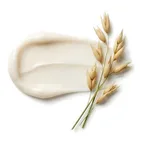 Oat, Oat Extract
 Sodium Hyaluronate
 Glycerin
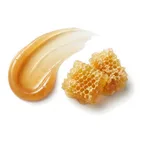 Propolis Extract
Average
- AverageNormal Skin Fit
- AverageEffectiveness
- HighSafety
Works for skin with dark spots; other toners fit it better.
This fit is calculated for the concerns frequently associated with dark spots: hyperpigmentation, sun spots, and uneven skin tone. For scores and recommendations based on your full skin profile, including your 12D face scan results and any goals or preferences you have, please use the Lovi app.
Updated How the Fit score works
Lovi Assistant explains
- Offers moderate suitability for normal skin, as glycerin and squalane provide essential hydration and emollient benefits without causing irritation.
- While the toner offers general skincare benefits like hydration and soothing, it lacks specialized ingredients to effectively address your primary concern of pigmentation.
- The product is safe for your normal skin, containing no harsh or prohibited ingredients that would pose an irritation risk.
How to apply
- Use your hydrating toner AM and PM every day to boost glow. Always pair with SPF in the morning to protect against dark spots.
- Apply your hydrating toner after cleansing and before moisturizer or SPF. This step preps your normal skin to better absorb the next products.
- Gently press 2-3 drops of the hydrating toner into your skin with your hands. Avoid rubbing to keep your face calm and happy.
- Apply the hydrating toner on slightly damp skin to lock in extra moisture. This helps your normal skin stay plump and hydrated all day.
- Always avoid the direct eye area when applying. Do a quick patch test before your very first use to be safe.
People Say
★4.6Overall rating based on 400+ reviewsWhile most users love the plump, "bouncy" feel it gives their skin, a minority experience breakouts or dislike the natural, slightly chemical scent of the ingredients.
Highlights
Deeply hydrating Mostly Mentioned
- “drink of water for my face”
- “skin feels so plump”
- “instantly relieves tightness”
Milky texture Often Mentioned
- “lovely milky consistency”
- “silky texture”
- “sinks in beautifully”
Soothing and calming Often Mentioned
- “calmed my redness”
- “stopped the stinging”
Gentle ingredients Sometimes Noted
- “safe for sensitive skin”
- “love the clean ingredients”
- “no harsh alcohol”
Great for layering Sometimes Noted
- “preps skin perfectly”
- “layers well with serums”
- “makeup sits nicely on top”
Packaging issues Sometimes Noted
- “label peels off”
- “bottle looks tatty”
- “paper label disintegrates”
Unpleasant scent Sometimes Noted
- “smells like plastic”
- “weird chemical scent”
- “scent is off-putting”
Caused breakouts Rarely Noted
- “broke me out immediately”
- “caused tiny bumps”
- “clogged my pores”
Not hydrating enough Rarely Noted
- “wanted more moisture”
- “felt dry after an hour”
- “too watery for me”
Stinging sensation Rarely Noted
- “stung my face”
- “burned slightly”
- “irritated my sensitive spots”
Sources: lovi.care, firstaidbeauty.com, dermstore.com, sephora.co.uk, ulta.com, skincarma.com, and more
Questions and answers
How well does Ultra Repair Wild Oat Hydrating Toner work for skin with dark spots?
This toner works for skin with dark spots, though other products fit it better because it lacks specialized ingredients to fade dark spots while providing hydration and soothing. A product for this skin needs effective, soothing ingredients that target pigmentation while deeply hydrating and calming.
Which ingredients make this toner a good fit for skin with dark spots?
This toner contains glycerin and sodium hyaluronate, which help draw in moisture and keep your skin hydrated. However, a product of this type needs specialized brightening ingredients to effectively target and fade dark spots.
What does Oat Extract do for skin with dark spots?
Oat extract helps calm the skin and may support a more even skin tone. This is because certain components in oats can help reduce the processes in the skin that lead to dark spots.
International Journal of Molecular Sciences, 2021Journal of Photochemistry and Photobiology. B, Biology, 2026
What does Oat do for skin with dark spots?
Oat helps fade dark spots by containing special compounds that safely slow down the skin darkening process. It is unlikely to irritate sensitive skin while working to make your skin tone more even and clear.
Where does this toner go in a skincare routine for skin with dark spots?
This hydrating toner fits in the morning routine after cleansing and before your moisturizer. While it provides good general hydration and soothing benefits, skin with dark spots needs specialized brightening ingredients to effectively address pigmentation.
Can I use this toner with retinol, and in what order?
You can use this toner with retinol by applying it right after cleansing to calm and hydrate your skin before putting on your retinol. This helps keep your skin comfortable and soft while you use your treatment. Skin with dark spots also needs targeted brightening ingredients like vitamin C or licorice extract to help fade discoloration.
How often should I use this toner?
You can use this hydrating toner daily in your morning routine to keep your skin soft and comfortable. Because it lacks specialized ingredients for dark spots, this skin needs targeted brightening ingredients like vitamin C or licorice root extract to effectively fade discoloration.
Can this toner clog pores, cause breakouts or purging for skin with dark spots?
This toner is unlikely to clog pores or cause breakouts for skin with dark spots, as its safety profile is high and complaints of breakouts are low. A toner for dark spots needs brightening ingredients like licorice root extract or vitamin C to effectively fade discoloration.
Is this toner fragrance-free and alcohol-free?
Yes, it has no fragrance and no drying alcohol.
What the research says
A single application of a moisturizing fluid containing hyaluronic acid 1%, glycerin 5%, and Centella asiatica stem cells extract significantly increased skin hydration by 29% and reduced transepidermal water loss at 24 hours compared to baseline and an untreated control site in twenty healthy women.
Clinical, Cosmetic and Investigational Dermatology, 2017Colloidal oat extracts diminished pro-inflammatory cytokines in vitro and colloidal oat lotion improved skin dryness, scaling, roughness, and itch intensity in healthy female subjects compared to baseline.
Journal of Drugs in Dermatology, 2015Colloidal oat increased the growth rate, metabolism, and lactic acid production of Staphylococcus epidermidis compared to Staphylococcus aureus in vitro, matching clinical increases in lactic acid on dry skin after 6 weeks of lotion use.
Clinical, Cosmetic and Investigational Dermatology, 2021A dermocosmetic product containing oat plantlet sap and Garcinia mangostana extract reduced retentional and inflammatory acne lesions by 21% and 35% respectively after 2 months in 54 subjects with mild-to-moderate acne.
Journal of the European Academy of Dermatology and Venereology, 2024Topical application of 0.1% hyaluronic acid formulations of different molecular weights led to significant improvements in skin hydration and elasticity, with low-molecular-weight formulations also significantly reducing wrinkle depth in seventy-six female subjects compared to a vehicle control.
Journal of Drugs in Dermatology, 2011Topical hyaluronic acid serum used twice daily by 40 females with facial photoaging produced an immediate 134% increase in skin hydration, a sustained 55% increase at week 6, and significant improvements in smoothness, plumping, fine lines, wrinkles, and global appearance without causing irritation.
Dermatology and Therapy, 2021A topical antioxidant serum significantly reduced air pollution-induced skin pigmentation and proinflammatory gene expression ex vivo, and improved skin aging signs in 40 healthy adult females after 90 days of daily use.
Journal of Cosmetic Dermatology, 2022The emollient V0034CR significantly reduced TEWL compared to vehicle and vehicle plus glycerol, and significantly increased corneometry scores compared to vehicle and vehicle plus petrolatum in healthy volunteers with dry skin, demonstrating combined barrier function improvement from petrolatum and hydration improvement from glycerol.
Journal of Cosmetic Dermatology, 2020Ten days of treatment with a cream containing 20% glycerin significantly increased skin hydration measured by corneometer values in 17 healthy volunteers compared to a placebo cream, but showed no influence on transepidermal water loss or skin sensitivity to an irritating surfactant.
International Journal of Cosmetic Science, 2001Niacinamide/glycerin body moisturizers provided better rapid and prolonged improvement of cosmetic xerosis through functional improvement of stratum corneum barrier function compared to no treatment and conventional moisturizers in female subjects.
Journal of Drugs in Dermatology, 2012A cream combining propolis, tea tree oil, and Aloe vera reduced erythema scars, acne severity index, and total lesion count better than erythromycin cream in sixty patients with mild to moderate acne vulgaris compared to placebo.
Clinical Pharmacology, 2018Topically administered Romanian propolis extract attenuated malondialdehyde formation, restored glutathione peroxidase activity, decreased interleukin-6 levels, and reduced sunburn cell formation, apoptosis, epidermal hyperplasia, dermal inflammation, and cyclobutane pyrimidine dimers in mice exposed to UVB irradiation.
Food and Chemical Toxicology, 2013Topical application of Sydney propolis protected against UV-radiation-induced inflammation, lipid peroxidation, and immune suppression in hairless mouse skin in a dose-dependent manner.
International Archives of Allergy and Immunology, 2010
Ingredients
Water, Glycerin, Glycereth-26, Squalane, Sorbitan Oleate, Phenoxyethanol, Ethylhexyl Salicylate, Acrylates C10-30 Alkyl Acrylate Crosspolymer, Oat, Saccharomyces Honey Ferment Filtrate, Chrysanthemum Parthenium Extract, Sodium Hydroxide, Potassium Sorbate, Avena Sativa Kernel Extract Oat Kernel Extract, Sodium Benzoate, Citric Acid, Beta-Glucan, Camellia Sinensis Leaf Extract, Glycyrrhiza Glabra Root Extract Licorice Root Extract, Propolis Extract, Sodium Hyaluronate, Xanthan Gum, Ethylhexylglycerin, Tetrasodium Edta, Chlorphenesin, Benzoic Acid, Sorbic Acid
Behind this fit score
Lovi calculates every fit score from the full ingredient list with brand-independent rules our dermatologists and cosmetic chemists build and review, and personalizes every pick with AI trained on the real results of millions of users. Lovi trains its fit score models on a proprietary dataset built from more than 10,000 expert-labeled products and more than 100,000 simulated examples, following an internally consistent methodology presented at Cosmoprof, AMWC, and Skin of Color Update.
-

Co-founder, Medical Director
Cosmetic chemist, cosmetologist, aesthetic products developer
-

Co-founder, CEO and CTO
PhD in computer science, 3x US patent holder, ex-Google, ex-Yandex
-

Dr. Sofía Perea Pérez, MD, MSc
Medical Board
Aesthetic medicine practitioner, MSc in Longevity and Anti-Aging Medicine
-

Medical Board
Specialist dermatologist, MBBS, MD, IFAAD
-

Medical Board
Cosmetic chemist, SCS, IFSCC member
-

Medical Board, Medical Advisor
Dermatology MD
-

Elina Nazarenko, MD
Medical Board
Dermatology and diagnostic consultant
-

Victoria Derkova, MS
Medical Board
Cosmetic chemist, cosmetic development technologist


How does it fit your skin?
Scan your face, then any product: Lovi shows how well it fits you and what fits even better.