
First Aid Beauty 10% Vitamin C Brightening Serum for sensitive skin

 Ascorbic Acid
 Squalane
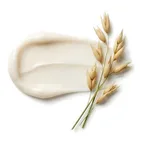 Oat
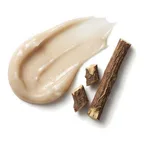 Licorice Root Extract
 Tocopheryl Acetate
Average
- HighNormal Skin Fit
- AverageEffectiveness
- HighSafety
Works for sensitive skin; other serums fit it better.
This fit is calculated for the concerns frequently associated with sensitive skin: redness, stinging, and reactions to new products. For scores and recommendations based on your full skin profile, including your 12D face scan results and any goals or preferences you have, please use the Lovi app.
Updated How the Fit score works
Lovi Assistant explains
- Offers excellent brightening and evening of skin tone for your normal skin due to the presence of 3-O-Ethyl Ascorbic Acid and Tocopheryl Acetate, which provide antioxidant activity and support skin health.
- While Glycerin and Oat extract offer general hydration and soothing benefits that can support your redness and irritation, they are not specifically targeted to address these concerns.
- The product is safe for your normal skin with sensitivity, as it lacks prohibited or harsh ingredients that could cause irritation.
How to apply
- Use your serum in the PM routine, starting 3 times a week before building up to daily use if your skin is happy.
- Apply the serum after cleansing and toning, but before putting on your moisturizer for the best results.
- Gently press 2-3 drops of the serum into your skin and wait a minute ⏱ for it to soak in.
- Since your skin is sensitive and easily irritated, apply the serum on completely dry skin to help keep it calm.
- Always do a patch test before your first use and avoid getting the serum too close to your eyes .
People Say
★4.7Overall rating based on 4.8k+ reviewsBased on a very large amount of data, this serum is highly praised for its ability to brighten and firm the skin while remaining exceptionally gentle, making it a top choice for individuals with sensitive or combination skin types. Users consistently report positive outcomes, including a more radiant complexion, reduced hyperpigmentation, and a non-sticky, lightweight feel that integrates easily into daily routines.
Highlights
Gentle on skin Mostly Mentioned
- “Great for sensitive skin”
- “No irritation”
- “Perfect for reactive skin”
Brightens complexion Often Mentioned
- “Skin looks radiant”
- “Noticeable glow”
- “Helps with dullness”
Lightweight texture Often Mentioned
- “Absorbs quickly”
- “Not sticky or greasy”
- “Feels nice on skin”
Effective results Sometimes Noted
- “Reduced hyperpigmentation”
- “Firmed my skin”
- “Helped blemish marks”
High price point Sometimes Noted
- “Expensive for the amount”
- “Pricey for the size”
- “Cost is high”
Pump dispenses too much Sometimes Noted
- “Too much product comes out”
- “Hard to control pump”
- “Wasteful packaging”
Subtle/Slow results Rarely Noted
- “Results are very subtle”
- “Takes time to see”
- “Not a quick fix”
Sources: lovi.care, ipsy.com, sephora.com.au, nordstromrack.com, youtube.com, macys.com, and more
Questions and answers
How well does First Aid Beauty 10% Vitamin C Brightening Serum work for sensitive skin?
First Aid Beauty 10% Vitamin C Brightening Serum is an average fit for sensitive skin because, although it is safe and includes soothing oat, it lacks ingredients specifically targeted to address redness and irritation. Treatments that fit sensitive skin better need effective ingredients that calm redness while keeping the skin soft and comfortable.
Which ingredients make this serum a good fit for sensitive skin?
Oat and glycerin make this serum a fit for sensitive skin by offering gentle hydration and soothing benefits. To work best for this skin type, a treatment of this kind needs ingredients that actively calm redness and irritation without harshness.
What does Vitamin C do for sensitive skin?
Vitamin C helps smooth and brighten sensitive skin while reducing redness and signs of aging safely. It is a well-tolerated option that improves elasticity in reactive skin.
What does Squalane do for sensitive skin?
Squalane helps keep sensitive skin soft and smooth while strengthening the skin barrier with very good safety. Because it closely mimics your skin's natural oils, it is unlikely to irritate dry or reactive skin and provides gentle daily hydration.
Where does this serum go in a skincare routine for sensitive skin?
This treatment serum goes in your evening routine, after cleansing and toning and before moisturizing, for simplicity and extra safety around sun exposure. A sensitive skin routine needs soothing ingredients like oat extract and glycerin to calm redness and irritation.
Can I use this serum with retinol, and in what order?
Use this serum and retinol apart: in different sessions of the same day or on different days. If you use both in the same routine, apply the vitamin C first, wait for it to absorb, and then follow with your retinol.
How often should I use this serum?
This serum works well in your evening routine, and a product for this sensitive skin needs extra soothing and calming ingredients to keep it comfortable.
Can this serum clog pores, cause breakouts or purging for sensitive skin?
This serum is unlikely to clog pores or cause breakouts for sensitive skin since it lacks heavy oils and harsh ingredients that typically trigger irritation. Vitamin C products generally do not cause purging, though you may want to start slowly to see how your skin reacts.
Is this serum fragrance-free and alcohol-free?
Yes, it has no fragrance and no drying alcohol.
What the research says
A topical serum containing vitamin C, vitamin E, and raspberry leaf cell culture extract improved skin color, elasticity, radiance, smoothness, scaliness, and wrinkles compared to the untreated contralateral side in fifty female volunteers.
Journal of Cosmetic Dermatology, 20203-O-ethyl ascorbic acid exerts anti-melanogenic effects via Nrf2-mediated alpha-MSH inhibition in UVA-irradiated keratinocytes and autophagy induction in melanocytes, while also inhibiting tyrosinase expression and endogenous pigmentation in a zebrafish model.
Free Radical Biology & Medicine, 2021A single application of a moisturizing fluid containing hyaluronic acid 1%, glycerin 5%, and Centella asiatica stem cells extract significantly increased skin hydration by 29% and reduced transepidermal water loss at 24 hours compared to baseline and an untreated control site in twenty healthy women.
Clinical, Cosmetic and Investigational Dermatology, 2017Topical application of 5% vitamin C cream significantly improved global clinical scores, increased skin microrelief density, and induced elastic tissue repair in photoaged skin compared to excipient control in healthy female volunteers.
Experimental Dermatology, 2003Topical application of VC-IP cream twice daily for 8 weeks reduces periorbital wrinkles in female subjects compared to a placebo cream.
Journal of Cosmetic Dermatology, 2022Topical treatment with 5% vitamin C and 0.1% madecassoside significantly improved clinical scores for wrinkles, suppleness, firmness, roughness, and skin hydration, along with functional and structural remodeling of the elastic fiber network in 20 female volunteers with photoaged skin after 6 months compared to baseline.
Experimental Dermatology, 2008Application of fullerene-C60 dissolved in squalane cream twice daily for 8 weeks significantly enhanced skin moisture and reduced wrinkle formation compared to placebo in 23 Japanese women without severe side effects.
Journal of Nanoscience and Nanotechnology, 2010Squalane at 0.005-0.015% counteracts UVA-induced oxidative stress, inflammation, and collagen metabolism inhibition while stimulating fibroblast migration in human dermal fibroblasts.
Molecules, 2025Plant-derived squalane protected human dermal fibroblasts against UVA-induced damage by counteracting ROS formation, suppressing apoptosis-related proteins p53, caspase-3, caspase-9, and PARP, and restoring the pro-survival p-Akt/mTOR pathway.
Antioxidants, 2025Colloidal oat extracts diminished pro-inflammatory cytokines in vitro and colloidal oat lotion improved skin dryness, scaling, roughness, and itch intensity in healthy female subjects compared to baseline.
Journal of Drugs in Dermatology, 2015Colloidal oat increased the growth rate, metabolism, and lactic acid production of Staphylococcus epidermidis compared to Staphylococcus aureus in vitro, matching clinical increases in lactic acid on dry skin after 6 weeks of lotion use.
Clinical, Cosmetic and Investigational Dermatology, 2021A dermocosmetic product containing oat plantlet sap and Garcinia mangostana extract reduced retentional and inflammatory acne lesions by 21% and 35% respectively after 2 months in 54 subjects with mild-to-moderate acne.
Journal of the European Academy of Dermatology and Venereology, 2024Combining 755 nm alexandrite laser with topical licorice gel significantly reduces terminal hair counts compared to alexandrite laser with placebo in women with idiopathic hirsutism.
Evidence-based Complementary and Alternative Medicine, 2015Licochalcone A activated Nrf2 signaling, elevated cytoprotective enzymes, increased the reduced-to-oxidized glutathione ratio, and decreased reactive oxygen species in human fibroblasts and neutrophils, while a LicA-rich licorice extract lowered UVA-induced oxidative processes in vivo.
Experimental Dermatology, 2015Mesoporous silica nanoparticles entrapping licorice polysaccharide and coated with polydopamine showed 76% entrapment efficiency, 89% in vitro release at pH 5, increased sebocytes' cellular uptake, and mediated inflammatory response by inhibiting pro-inflammatory cytokines and regulating anti-inflammatory cytokines.
Carbohydrate Polymers, 2024A nighttime topical antioxidant containing resveratrol, baicalin, and vitamin E significantly improved fine lines, wrinkles, firmness, elasticity, laxity, hyperpigmentation, radiance, roughness, and dermal thickness in subjects with mild to moderately photodamaged skin over 12 weeks.
Journal of Drugs in Dermatology, 2014A topical antioxidant serum significantly reduced air pollution-induced skin pigmentation and proinflammatory gene expression ex vivo, and improved skin aging signs in 40 healthy adult females after 90 days of daily use.
Journal of Cosmetic Dermatology, 2022Tocopherol succinate-loaded ethosomal gel increased skin deposition, stability, moisture, and mechanical properties in 13 human subjects compared to a control gel over 12 weeks.
Journal of Cosmetic Dermatology, 2022
Ingredients
3-O-Ethyl Ascorbic Acid, Squalane, Sodium Citrate, Tocopheryl Acetate, Oat, Chrysanthemum Parthenium Extract, Camellia Sinensis Leaf Extract, Glycyrrhiza Glabra Root Extract Licorice Root Extract, Glycerin, Polyglyceryl-6 Polyricinoleate, Xanthan Gum, Polyglyceryl-10 Dioleate, Phenoxyethanol, Citric Acid, Sodium Benzoate, Potassium Sorbate, Sodium Hydroxide, Tetrasodium Edta
Behind this fit score
Lovi calculates every fit score from the full ingredient list with brand-independent rules our dermatologists and cosmetic chemists build and review, and personalizes every pick with AI trained on the real results of millions of users. Lovi trains its fit score models on a proprietary dataset built from more than 10,000 expert-labeled products and more than 100,000 simulated examples, following an internally consistent methodology presented at Cosmoprof, AMWC, and Skin of Color Update.
-

Co-founder, Medical Director
Cosmetic chemist, cosmetologist, aesthetic products developer
-

Co-founder, CEO and CTO
PhD in computer science, 3x US patent holder, ex-Google, ex-Yandex
-

Dr. Sofía Perea Pérez, MD, MSc
Medical Board
Aesthetic medicine practitioner, MSc in Longevity and Anti-Aging Medicine
-

Medical Board
Specialist dermatologist, MBBS, MD, IFAAD
-

Medical Board
Cosmetic chemist, SCS, IFSCC member
-

Medical Board, Medical Advisor
Dermatology MD
-

Elina Nazarenko, MD
Medical Board
Dermatology and diagnostic consultant
-

Victoria Derkova, MS
Medical Board
Cosmetic chemist, cosmetic development technologist


How does it fit your skin?
Scan your face, then any product: Lovi shows how well it fits you and what fits even better.