
Eucerin DermatoCLEAN Hyaluron Toner for acne-prone skin

 Sodium Hyaluronate
 Glycerin
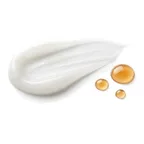 Cocamidopropyl Betaine
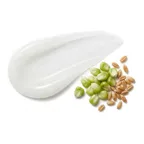 Decyl Glucoside
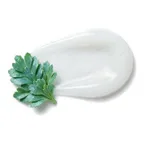 Glyceryl Glucoside
Average
- HighCombination Skin Fit
- AverageEffectiveness
- ExcellentSafety
Works for acne-prone skin; other cleansing toners fit it better.
- Clinical, Cosmetic and Investigational Dermatology, 2017
- International Journal of Biological Macromolecules, 2018
This fit is calculated for the concerns frequently associated with acne-prone skin: breakouts, blackheads, and post-acne marks. For scores and recommendations based on your full skin profile, including your 12D face scan results and any goals or preferences you have, please use the Lovi app.
Updated How the Fit score works
Lovi Assistant explains
- Offers moderate cleansing and hydration for your combination skin, as decyl glucoside and cocamidopropyl betaine effectively remove impurities while glycerin and sodium hyaluronate provide essential moisture.
- The toner's humectant action from glycerin and sodium hyaluronate is beneficial for combination skin, though it does not directly target acne or blemishes.
- The product is safe for your acne-prone skin, containing no harsh ingredients and including soothing components like glycerin and sodium hyaluronate.
Buy online

Prices checked 20 Nov 2026
The Lovi Fit is the same in every country; only the stores and prices differ, and the ones here are for Europe.
How to apply
- Could be used as part of your AM and PM routine. Start using the cleansing toner 3 times a week and move to daily use if your skin tolerates it well.
- Apply the cleansing toner after cleansing and before your moisturizer or SPF.
- Gently press 2-3 drops of the cleansing toner into your skin and let it absorb for a minute before layering other products.
- Apply the cleansing toner on dry skin since your skin is not sensitive and you want to target blemishes.
- Avoid the eye area and do a patch test before first use to ensure your skin feels comfortable.
People Say
★4.7Overall rating based on 200+ reviewsThis toner is widely praised by users with sensitive and dry skin for its gentle, alcohol-free formula that hydrates without stripping moisture.
Highlights
Gentle sensitive skin Mostly Mentioned
- “great for sensitive skin”
- “no stinging or irritation”
- “very mild formula”
- “doesn't cause breakouts”
Hydrating non-drying Often Mentioned
- “skin feels plump”
- “doesn't strip moisture”
- “leaves face soft”
- “good for dry patches”
Refreshing cooling Sometimes Noted
- “instantly refreshes”
- “cooling effect”
- “feels nice in morning”
- “soothing after cleansing”
Removes residue Sometimes Noted
- “removes last traces of makeup”
- “gets all dirt out”
- “skin feels thoroughly clean”
- “good final cleanse step”
Caused irritation Rarely Noted
- “skin started going red”
- “caused burning sensation”
- “face felt hot”
Packaging issues Rarely Noted
- “bottle leaked in transit”
- “pump arrived broken”
- “spilled inside packaging”
Price value Rarely Noted
- “overpriced for a toner”
- “bottle runs out fast”
- “expensive compared to simple brands”
Sticky finish Rarely Noted
- “left a sticky residue”
- “felt tacky on skin”
- “took time to absorb”
- “slightly film-like”
Sources: lovi.care, boots.com, lookfantastic.com, sephora.co.uk, makeup.uk, and more
Questions and answers
How well does Eucerin DermatoCLEAN Hyaluron Toner work for acne-prone skin?
This toner works reasonably well for your acne-prone skin, providing gentle cleansing and moisture without harsh ingredients, though it does not directly target breakouts. A product of this type needs exfoliating acids like salicylic and lactic acid to clear pores and control oil while keeping skin balanced.
What does Hyaluronic Acid do for acne-prone skin?
Hyaluronic acid helps hydrate acne-prone skin without clogging pores and may be paired with targeted ingredients to calm breakouts and reduce redness. A product of this type for acne-prone skin needs lightweight hydration and ingredients that balance oil and soothe irritation.
What does Glycerin do for acne-prone skin?
Glycerin helps acne-prone skin by keeping it calm and comfortable while you use strong breakout treatments. It protects your skin barrier against irritation and dryness so your face stays smooth and happy.
Where does it go in a skincare routine for acne-prone skin?
This toner goes after cleansing in your morning routine and after your makeup remover and cleanser in the evening. It helps keep your skin comfortable and hydrated, though acne-prone skin also needs targeted blemish-fighting ingredients and oil-balancing components.
The Journal of Dermatological Treatment, 2022Clinical, Cosmetic and Investigational Dermatology, 2017
Can I use this toner with retinol, and in what order?
You can use this toner alongside retinol by applying it right after cleansing to calm and hydrate your skin before putting on your retinol. This product is safe and unlikely to cause irritation on acne-prone skin, though acne-prone skin often does better with ingredients that directly clear pores and fight breakouts.
How often should I use it?
You can use this toner daily in your evening routine, as it is safe for acne-prone skin and provides gentle moisture. However, because it does not directly target breakouts, acne-prone skin needs a product that includes targeted blemish-fighting ingredients and oil-balancing components.
Can this toner clog pores, cause breakouts or purging for acne-prone skin?
This toner is unlikely to clog pores or cause breakouts on your acne-prone skin because it contains no harsh ingredients. However, it does not directly target acne or blemishes, so acne-prone skin needs a product that also includes blemish-fighting ingredients and oil-balancing components.
Is it fragrance-free and alcohol-free?
Yes, it has no fragrance and no drying alcohol.
What the research says
A single application of a moisturizing fluid containing hyaluronic acid 1%, glycerin 5%, and Centella asiatica stem cells extract significantly increased skin hydration by 29% and reduced transepidermal water loss at 24 hours compared to baseline and an untreated control site in twenty healthy women.
Clinical, Cosmetic and Investigational Dermatology, 2017Hyaluronic acid-based formulations exhibit remarkable anti-wrinkle, anti-aging, and skin rejuvenating effects via soft tissue augmentation, improved skin hydration, and face volume restoration.
International Journal of Biological Macromolecules, 2018Topical application of 0.1% hyaluronic acid formulations of different molecular weights led to significant improvements in skin hydration and elasticity, with low-molecular-weight formulations also significantly reducing wrinkle depth in seventy-six female subjects compared to a vehicle control.
Journal of Drugs in Dermatology, 2011Topical hyaluronic acid serum used twice daily by 40 females with facial photoaging produced an immediate 134% increase in skin hydration, a sustained 55% increase at week 6, and significant improvements in smoothness, plumping, fine lines, wrinkles, and global appearance without causing irritation.
Dermatology and Therapy, 2021A topical antioxidant serum significantly reduced air pollution-induced skin pigmentation and proinflammatory gene expression ex vivo, and improved skin aging signs in 40 healthy adult females after 90 days of daily use.
Journal of Cosmetic Dermatology, 2022The emollient V0034CR significantly reduced TEWL compared to vehicle and vehicle plus glycerol, and significantly increased corneometry scores compared to vehicle and vehicle plus petrolatum in healthy volunteers with dry skin, demonstrating combined barrier function improvement from petrolatum and hydration improvement from glycerol.
Journal of Cosmetic Dermatology, 2020Ten days of treatment with a cream containing 20% glycerin significantly increased skin hydration measured by corneometer values in 17 healthy volunteers compared to a placebo cream, but showed no influence on transepidermal water loss or skin sensitivity to an irritating surfactant.
International Journal of Cosmetic Science, 2001Niacinamide/glycerin body moisturizers provided better rapid and prolonged improvement of cosmetic xerosis through functional improvement of stratum corneum barrier function compared to no treatment and conventional moisturizers in female subjects.
Journal of Drugs in Dermatology, 2012The cytotoxic effect of sodium lauryl sulphate on normal human keratinocytes was significantly decreased when combined with cocamidopropyl betaine, Tween 20, and Tween 80 at concentrations well below the critical micelle concentration.
Skin Pharmacology and Applied Skin Physiology, 2003Topical oil-in-water and water-in-oil emulsions containing glyceryl glucoside, natural moisturizing factors, and ceramide significantly improved skin hydration and barrier function while reducing visible dryness and tactile roughness in subjects with very dry skin compared to untreated sites and vehicles.
The Journal of Clinical and Aesthetic Dermatology, 2012Topical application of glyceryl glucoside significantly increased AQP3 mRNA levels and reduced transepidermal water loss compared with vehicle-controlled areas in volunteer subjects.
Skin Pharmacology and Physiology, 2012
Why other cleansing toners fit acne-prone skin better
Two percent supramolecular salicylic acid showed similar efficacy to 0.01% adapalene plus 5% benzoyl peroxide in reducing acne lesions in 31 patients over 28 days.
Cutaneous and Ocular Toxicology, 2019Treatment with 2% supramolecular salicylic acid hydrogel resulted in a regression and markedly improvement rate of 51.01% compared to 43.10% for Adapaline gel in patients with mild to moderate facial acne vulgaris, showing no significant difference in efficacy.
Journal of Cosmetic Dermatology, 2024Co-delivery of paeonol and madecassoside via nanoemulsions improved transdermal delivery, promoted barrier repair proteins, inhibited inflammatory cytokine secretion in cellular and 3D models, and reduced transepidermal water loss and acne in human facial skin compared to free components.
Molecules, 2023
Ingredients
Water, Dipropylene Glycol, Glyceryl Glucoside, Glycerin, Sodium Hyaluronate, Decyl Glucoside, Sodium Citrate, Citric Acid, Cocamidopropyl Betaine, Trisodium Edta, Sodium Chloride, 1,2-Hexanediol, Phenoxyethanol
Behind this fit score
Lovi calculates every fit score from the full ingredient list with brand-independent rules our dermatologists and cosmetic chemists build and review, and personalizes every pick with AI trained on the real results of millions of users. Lovi trains its fit score models on a proprietary dataset built from more than 10,000 expert-labeled products and more than 100,000 simulated examples, following an internally consistent methodology presented at Cosmoprof, AMWC, and Skin of Color Update.
-

Co-founder, Medical Director
Cosmetic chemist, cosmetologist, aesthetic products developer
-

Co-founder, CEO and CTO
PhD in computer science, 3x US patent holder, ex-Google, ex-Yandex
-

Dr. Sofía Perea Pérez, MD, MSc
Medical Board
Aesthetic medicine practitioner, MSc in Longevity and Anti-Aging Medicine
-

Medical Board
Specialist dermatologist, MBBS, MD, IFAAD
-

Medical Board
Cosmetic chemist, SCS, IFSCC member
-

Medical Board, Medical Advisor
Dermatology MD
-

Elina Nazarenko, MD
Medical Board
Dermatology and diagnostic consultant
-

Victoria Derkova, MS
Medical Board
Cosmetic chemist, cosmetic development technologist


How does it fit your skin?
Scan your face, then any product: Lovi shows how well it fits you and what fits even better.