
Drunk Elephant Bora Barrier Repair Cream for oily acne-prone skin

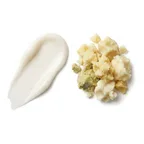 6-Butterlipid Complex
 Zinc Gluconate
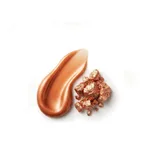 Copper Gluconate
 Squalane
 Ceramides
Average
- HighOily Skin Fit
- AverageEffectiveness
- ExcellentSafety
Works for oily acne-prone skin; other moisturizers fit it better.
This fit is calculated for the concerns frequently associated with oily acne-prone skin: shine, breakouts, blemishes, and enlarged pores. For scores and recommendations based on your full skin profile, including your 12D face scan results and any goals or preferences you have, please use the Lovi app.
Updated How the Fit score works
Lovi Assistant explains
- Offers moderate benefits for your oily skin, as Zinc Gluconate and Resveratrol help regulate oil and provide antioxidant protection, while Glycerin and Shea Butter offer hydration and barrier support. Ceramides and fatty acids enhance barrier resilience, which is beneficial but not specifically targeted for your acne, blemishes, and breakouts.
- The formula is highly suitable for oily skin and generally safe, with no risks of irritation due to the absence of harsh ingredients and the presence of soothing components.
- This product provides excellent moisturizing treatment and barrier support, making it a generally safe option for your skin.
How to apply
- Use this AM and PM routine every day to help clear your skin. Always remember to finish with SPF in the morning.
- Apply the moisturizer after your cleanser and toner, right before your SPF during the day.
- Gently press a small amount into your skin and avoid rubbing to keep pores clear.
- Apply on clean, slightly damp skin to help the product absorb better and control oil.
- Avoid the sensitive eye area and do a simple patch test before your first use.
People Say
★4.4Overall rating based on 700+ reviewsThis rich cream is highly effective for dry, mature, or compromised skin, providing deep, long-lasting moisture and barrier repair, often noted as a winter savior. Users with oily or acne-prone skin, however, frequently report experiencing congestion and breakouts due to its heavy, occlusive texture.
Highlights
Deep hydration Mostly Mentioned
- “healed dry patches overnight”
- “skin feels quenched all day”
- “saved my skin this winter”
- “no more flaking”
Luxurious texture Often Mentioned
- “buttery and rich”
- “feels like a protective layer”
- “thick but absorbs well”
- “glides on smoothly”
Hygienic packaging Sometimes Noted
- “love the push pump”
- “sanitary and easy”
- “dispenses perfect flower shape”
- “no waste packaging”
Soothing repair Sometimes Noted
- “soothed retinol burn”
- “reduced redness immediately”
- “restored my barrier”
Causes breakouts Sometimes Noted
- “broke me out immediately”
- “caused whiteheads overnight”
- “clogged my pores”
- “too heavy for acne-prone skin”
High price point Sometimes Noted
- “too expensive for the size”
- “pricey for a moisturizer”
- “not worth the money”
- “finished too quickly”
Greasy finish Rarely Noted
- “feels like vaseline”
- “too greasy for day use”
- “sat on top of skin”
- “made me look oily”
Unpleasant scent Rarely Noted
- “smells like old sunscreen”
- “weird chemical scent”
- “unpleasant natural smell”
- “smells like plastic”
Sources: lovi.care, sephora.sg, spacenk.com, ulta.com, drunkelephant.com, reddit.com, and more
Questions and answers
How well does Bora Barrier Repair Cream work for oily acne-prone skin?
This cream works moderately well for oily acne-prone skin, as it helps regulate oil and supports the skin barrier with ingredients like zinc gluconate and glycerin, but it is not specifically targeted for breakouts and blemishes. Moisturizing treatments for this skin type need ingredients that address acne and improve texture with lightweight, non-clogging formulas that do not add excess oil.
Clinical, Cosmetic and Investigational Dermatology, 2023Journal of Cosmetic Dermatology, 2026
Which ingredients make this cream a good fit for oily acne-prone skin?
Zinc gluconate and resveratrol make this cream a good fit by helping regulate oil and providing antioxidant protection, while glycerin and shea butter offer hydration and barrier support. To work best for oily acne-prone skin, a product of this type needs powerful ingredients that actively target blemishes and breakouts while keeping a lightweight texture free of heavy oils.
Clinical, Cosmetic and Investigational Dermatology, 2023Journal of Cosmetic Dermatology, 2026
What does 6-Butterlipid Complex do for oily acne-prone skin?
6-Butterlipid Complex is a weak fit for oily acne-prone skin because heavy butter-based ingredients may clog pores and increase oiliness. Skincare for this skin type needs lightweight, non-greasy hydrators, sebum-balancing ingredients like niacinamide, and gentle exfoliants like salicylic acid.
What does Zinc Gluconate do for oily acne-prone skin?
Zinc gluconate helps calm oily, acne-prone skin by reducing inflammation and targeting bacteria that cause breakouts. It may also help control oil production safely with very few side effects.
Journal of Drugs in Dermatology, 2013Dermatologic Therapy, 2020
Where does this cream go in a skincare routine for oily acne-prone skin?
This cream goes toward the end of your morning routine before sunscreen, and as the final step in your evening routine. It is generally safe for your oily skin, though an oily and acne-prone skin type needs a product that specifically targets breakouts and blemishes with ingredients like salicylic acid or niacinamide.
Can I use this cream with retinol, and in what order?
You can use this moisturizer with retinol to help keep your skin comfortable and support your moisture barrier during treatment. Apply it after your retinol treatment absorbs, or apply it first to help reduce dryness and irritation while you retinize. For oily acne-prone skin, this type of product works best when it also includes targeted blemish-fighting ingredients like salicylic acid or niacinamide.
How often should I use this cream?
This cream works well when used twice a day as part of your morning and evening routine. Daily application helps keep your skin hydrated and supports your skin barrier without causing irritation. Oily acne-prone skin of this type needs additional blemish-fighting ingredients like salicylic acid or retinoids to properly target breakouts.
Can this cream clog pores, cause breakouts or purging for oily acne-prone skin?
This cream may cause breakouts for your oily acne-prone skin, as some reviewers complain about this effect. An average fit product for this skin needs oil-clearing ingredients and targeted blemish treatments to prevent clogged pores.
Can I use this cream around the eyes or on my body?
You can use this moisturizing treatment around the eyes and on the body. Its gentle formula is generally safe for the skin there, though oily acne-prone skin needs products with targeted blemish-fighting ingredients for breakouts.
Is this cream fragrance-free and alcohol-free?
Yes, it has no fragrance and no drying alcohol. Cetearyl alcohol is a fatty alcohol, which soften the skin.
What the research says
Daily use of a deep cleansing gel containing salicylic acid 2%, zinc gluconate 0.2% and lipohydroxy acid 0.05% significantly reduced total lesion count by 56.3% after 84 days in 35 subjects with mild to moderate truncal acne.
Clinical, Cosmetic and Investigational Dermatology, 2023A dermocosmetic cream containing Punica granatum Pericarp extract, Salicylic acid, Niacinamide, Zinc gluconate, and Aqua Posae Filiformis significantly decreased inflammatory, non-inflammatory, and total lesion counts in subjects with mild to moderate acne compared to untreated hemi-faces after 15 days.
Journal of Cosmetic Dermatology, 2026Topical 0.5% hyaluronic-ZnO nanogel applied twice daily reduced inflammatory-lesion counts by 58% at week four in human subjects compared to baseline without causing erythema.
Biomedicines, 2025Topical zinc oxide nanogels formulated using Dendrobium anosmum showed greater effectiveness against Gram-positive acne-causing bacteria compared to chemogenic nanoparticles.
Molecules, 2023A single application of a topical formulation containing copper sulfate pentahydrate and Hypericum perforatum effectively managed HSV-1 and HSV-2 lesions with lower odds of burning, stinging, acute pain, erythema, and vesiculation compared to topical 5% Acyclovir cream in adult patients.
Journal of Drugs in Dermatology, 2012Topical application of sodium copper chlorophyllin complex significantly improved mild-moderate photodamage and solar lentigenes compared to baseline in women over an 8-week period.
Journal of Drugs in Dermatology, 2015Sodium copper chlorophyllin complex 0.05% gel significantly increased fibrillin/amyloid P and epidermal mucins and increased procollagen 1 and dermal mucin in photoaged forearm skin of four healthy females compared to an untreated negative control.
Clinical, Cosmetic and Investigational Dermatology, 2016Application of fullerene-C60 dissolved in squalane cream twice daily for 8 weeks significantly enhanced skin moisture and reduced wrinkle formation compared to placebo in 23 Japanese women without severe side effects.
Journal of Nanoscience and Nanotechnology, 2010Squalane at 0.005-0.015% counteracts UVA-induced oxidative stress, inflammation, and collagen metabolism inhibition while stimulating fibroblast migration in human dermal fibroblasts.
Molecules, 2025Plant-derived squalane protected human dermal fibroblasts against UVA-induced damage by counteracting ROS formation, suppressing apoptosis-related proteins p53, caspase-3, caspase-9, and PARP, and restoring the pro-survival p-Akt/mTOR pathway.
Antioxidants, 2025Ceramide and niacinamide-containing moisturizer combined with anti-acne treatment significantly improved non-inflammatory, inflammatory, and total acne lesions compared to hydrophilic cream in 40 patients with mild to moderate acne vulgaris after 8 weeks.
Journal of Cosmetic Dermatology, 2024Topical application of a pseudo-ceramide-containing spray improved stratum corneum water content, transepidermal water loss, cell area, and scaling score, and normalized the ceramide profile in patients with dry and sensitive skin compared to a control spray.
Journal of Cosmetic Dermatology, 2025
Why other moisturizers fit oily acne-prone skin better
Co-delivery of paeonol and madecassoside via nanoemulsions improved transdermal delivery, promoted barrier repair proteins, inhibited inflammatory cytokine secretion in cellular and 3D models, and reduced transepidermal water loss and acne in human facial skin compared to free components.
Molecules, 2023
Ingredients
Water, Glycerin, Propanediol, Ethylhexyl Olivate, Butyrospermum Parkii Butter Shea Butter, C10-18 Triglycerides, Cetearyl Alcohol, Hydroxyethyl Acrylate Sodium Acryloyldimethyl Taurate Copolymer, Cetearyl Olivate, Sorbitan Olivate, Beta-Sitosterol, Oenothera Biennis Oil, Sclerocarya Birrea Seed Oil, Jojoba Seed Oil, Calophyllum Inophyllum Seed Oil, Oleic Acid, Squalane, Butylene Glycol, Glucosyl Ceramide, Linoleic Acid, Linolenic Acid, Glycosphingolipids, Rosa Canina Oil Fruit, Moringa Oleifera Seed Oil, Alpha-Glucan, Resveratrol, Epigallocatechin Gallate, Magnesium Aspartate, Zinc Gluconate, Copper Gluconate, Acacia Senegal Gum, Sodium Pca, Palmitoyl Tripeptide-1, Palmitoyl Tetrapeptide-7, Sorbitan Isostearate, Astaxanthin Extract, Quercetin, Astaxanthin, Magnesium Ascorbyl Phosphate, Ceramide Ap, Ceramide Np, Ceramide Eop, Dextrin, Palmitic Acid, Coco-Glucoside, Sodium Lactate, Stearic Acid, Pentylene Glycol, Brassica Campestris Seed Oil, Tetrahexyldecyl Ascorbate, Sodium Lauroyl Lactylate, Phytosphingosine, Cholesterol, Xanthan Gum, Tetrasodium Glutamate Diacetate, Citric Acid, Phenoxyethanol, Sodium Hydroxide, Tocopherol, Polysorbate 60, Carbomer, Ethylhexylglycerin
Behind this fit score
Lovi calculates every fit score from the full ingredient list with brand-independent rules our dermatologists and cosmetic chemists build and review, and personalizes every pick with AI trained on the real results of millions of users. Lovi trains its fit score models on a proprietary dataset built from more than 10,000 expert-labeled products and more than 100,000 simulated examples, following an internally consistent methodology presented at Cosmoprof, AMWC, and Skin of Color Update.
-

Co-founder, Medical Director
Cosmetic chemist, cosmetologist, aesthetic products developer
-

Co-founder, CEO and CTO
PhD in computer science, 3x US patent holder, ex-Google, ex-Yandex
-

Dr. Sofía Perea Pérez, MD, MSc
Medical Board
Aesthetic medicine practitioner, MSc in Longevity and Anti-Aging Medicine
-

Medical Board
Specialist dermatologist, MBBS, MD, IFAAD
-

Medical Board
Cosmetic chemist, SCS, IFSCC member
-

Medical Board, Medical Advisor
Dermatology MD
-

Elina Nazarenko, MD
Medical Board
Dermatology and diagnostic consultant
-

Victoria Derkova, MS
Medical Board
Cosmetic chemist, cosmetic development technologist


How does it fit your skin?
Scan your face, then any product: Lovi shows how well it fits you and what fits even better.