
COSRX Ultimate Moisturizing Honey Overnight Mask for skin with dark spots

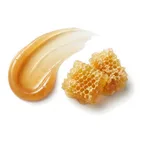 Propolis Extract
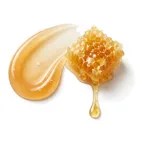 Honey
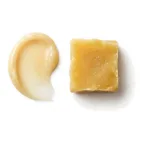 Beeswax
 Sodium Hyaluronate
 Glycerin
Average
- HighNormal Skin Fit
- AverageEffectiveness
- HighSafety
Works for skin with dark spots; other nourishing masks fit it better.
- Clinical, Cosmetic and Investigational Dermatology, 2017
- American Journal of Clinical Dermatology, 2002
This fit is calculated for the concerns frequently associated with dark spots: hyperpigmentation, sun spots, and uneven skin tone. For scores and recommendations based on your full skin profile, including your 12D face scan results and any goals or preferences you have, please use the Lovi app.
Updated How the Fit score works
Lovi Assistant explains
- Offers moderate moisturizing benefits for your normal skin, as propolis extract and glycerin provide hydration and enhance barrier resilience, though these ingredients do not specifically target your main goal of pigmentation.
- Panthenol and allantoin offer general soothing and supportive skincare, which is beneficial for normal skin but does not address your primary concern.
- The product is safe for your normal skin, with no risks of irritation due to the absence of prohibited or harsh ingredients.
How to apply
- Use your creamy mask PM routine once a week to start, then increase frequency if your normal skin feels good. Always remember to wear SPF during the day to protect your skin.
- Apply the creamy mask after cleansing and toning, and before your usual moisturizer. This helps lock in all the good ingredients for your skin.
- Smooth an even layer of the creamy mask over your face while avoiding the eye area. Do not rub it in harshly.
- Apply the creamy mask on dry skin since your skin is not sensitive and can handle active ingredients well. Let it sit for the recommended time before rinsing or patting in.
- Always do a patch test before your first use to check for any allergic reactions. Avoid mixing this mask with strong acids in the exact same routine.
People Say
★4.6Overall rating based on 700+ reviewsThis lightweight, gel-based mask is widely praised by users with oily, acne-prone, and sensitive skin for its ability to soothe redness and provide hydration without clogging pores. While it delivers a "glass skin" glow and calms inflammation thanks to its high propolis content, users with very dry skin often find it insufficiently moisturizing on its own and prefer layering it or using the rice version instead.
Highlights
Soothing & calming Mostly Mentioned
- “reduces redness”
- “calms acne”
- “heals blemishes”
- “soothes irritation”
Lightweight & non-greasy Often Mentioned
- “absorbs quickly”
- “gel texture”
- “doesn't clog pores”
- “perfect for summer”
Not enough moisture Often Mentioned
- “too light for dry skin”
- “need more hydration”
- “better for oily skin”
- “not occlusive enough”
Hygienic packaging Sometimes Noted
- “convenient tube”
- “no jar dipping”
- “easy to dispense”
- “travel friendly”
Versatile 3-in-1 Sometimes Noted
- “sleeping mask”
- “wash-off mask”
- “morning moisturizer”
- “great daily cream”
Sticky finish Sometimes Noted
- “tacky residue”
- “hair sticks to face”
- “shiny film”
- “takes time to dry”
Scent issues Rarely Noted
- “weird chemical smell”
- “wish it had fragrance”
- “smells like plastic”
- “unpleasant scent”
Wash-off waste Rarely Noted
- “waste of product”
- “better left on”
- “doesn't work in 15 mins”
- “pointless as wash-off”
Sources: lovi.care, iherb.com, amazon.com, yesstyle.com, reddit.com, ulta.com, and more
Questions and answers
How well does COSRX Honey Overnight Mask work for skin with dark spots?
This mask offers moderate moisture and soothing benefits for your skin, but its ingredients do not specifically target dark spots. Skin with dark spots needs products that include brightening agents and targeted dark spot correctors.
Which ingredients make this mask a good fit for skin with dark spots?
Propolis extract and glycerin help provide hydration and support your skin barrier, though they do not specifically target dark spots. A nourishing mask for skin with dark spots needs ingredients that specifically fade dark spots and brighten the complexion while providing balanced hydration.
What does Propolis Extract do for skin with dark spots?
Propolis Extract may help fade dark spots by slowing down the enzymes that produce skin pigment. Research shows it contains strong antioxidants that support a more even skin tone.
What does Honey do for skin with dark spots?
Topical honey helps improve dark spots and uneven skin tone by encouraging gentle renewal and overall brightness. It is unlikely to irritate dry or sensitive skin when used regularly as part of your daily routine.
Cureus, 2025Complementary Therapies in Clinical Practice, 2014
Where does this mask go in a skincare routine for skin with dark spots?
This nourishing mask fits into a weekly routine for skin with dark spots, where it is used once a week after cleansing and before your treatment and moisturizer. Because this product offers general hydration and soothing rather than fading dark spots, addressing this skin requires a routine that includes targeted brightening ingredients like vitamin C or dedicated dark spot serums.
Can I use this mask with retinol, and in what order?
You can use this mask alongside retinol, applying it in the evening after your retinol treatment as an extra step to lock in moisture and keep your skin soft. This type of routine benefits from products that contain brighteners and targeted ingredients to help fade dark spots while you rest.
How often should I use this mask?
You can use this nourishing mask weekly as part of your routine for skin with dark spots. Skin with dark spots needs targeted brightening ingredients like vitamin C, niacinamide, or alpha arbutin to help fade discoloration.
Can this mask clog pores, cause breakouts or purging for skin with dark spots?
This mask is unlikely to clog pores or cause breakouts for your skin, as it contains no harsh or prohibited ingredients that trigger irritation. To properly address dark spots, this skin type needs products with targeted brightening ingredients like vitamin C or niacinamide.
Is this mask fragrance-free and alcohol-free?
Yes, it has no fragrance and no drying alcohol.
What the research says
A single application of a moisturizing fluid containing hyaluronic acid 1%, glycerin 5%, and Centella asiatica stem cells extract significantly increased skin hydration by 29% and reduced transepidermal water loss at 24 hours compared to baseline and an untreated control site in twenty healthy women.
Clinical, Cosmetic and Investigational Dermatology, 2017Topical dexpanthenol acts as a moisturizer, improves stratum corneum hydration, accelerates wound healing and epidermal regeneration, reduces erythema, and improves symptoms of skin irritation compared to vehicle or no pretreatment.
American Journal of Clinical Dermatology, 2002A new topical panthenol-containing emollient significantly improved transepidermal water loss reduction, stratum corneum hydration, and intercellular lipid lamellae length compared with control in healthy subjects without negatively impacting bacterial viability.
The Journal of Dermatological Treatment, 2017Greek propolis methanolic extracts decreased DNA strand breaks, attenuated cell viability reduction, lowered protein carbonyl content in HaCaT cells, and reduced MMP-1, -3, -7, and -9 expression in reconstituted human skin tissue following UVB exposure.
Antioxidants, 2019A cream combining propolis, tea tree oil, and Aloe vera reduced erythema scars, acne severity index, and total lesion count better than erythromycin cream in sixty patients with mild to moderate acne vulgaris compared to placebo.
Clinical Pharmacology, 2018Topically administered Romanian propolis extract attenuated malondialdehyde formation, restored glutathione peroxidase activity, decreased interleukin-6 levels, and reduced sunburn cell formation, apoptosis, epidermal hyperplasia, dermal inflammation, and cyclobutane pyrimidine dimers in mice exposed to UVB irradiation.
Food and Chemical Toxicology, 2013Topical application of Sydney propolis protected against UV-radiation-induced inflammation, lipid peroxidation, and immune suppression in hairless mouse skin in a dose-dependent manner.
International Archives of Allergy and Immunology, 2010Topical application of a honey, olive oil, and beeswax mixture three times daily for up to 4 weeks resulted in clinical responses in 86% of patients with pityriasis versicolor, 78% with tinea cruris, and 75% with tinea corporis.
Complementary Therapies in Medicine, 2004Romanian honey varieties rich in phenolics exhibited anti- and pro-inflammatory effects, dose-dependent pro-proliferative effects, stimulated collagen synthesis, and enhanced cell migration in macrophage-like, fibroblast, and keratinocyte cell lines.
Life, 2024Topical application of Melipona marginata honey extract (1.0 mg/ear) reduced 12-O-tetradecanoylphorbol-13-acetate-induced ear edema by 54%, myeloperoxidase activity by 75%, and reactive oxygen species production by 55% in mice compared to the induced model.
Journal of Medicinal Food, 2014A prototype body cream containing bee venom, propolis, honey, beeswax, and royal jelly demonstrated stability for 90 days, high antioxidant capacity of 85.45%, lack of cytotoxicity with over 70% cell viability, and no irritation or allergic reaction in dermatological analysis, while improving skin parameters in a panel test.
Journal of Cosmetic Dermatology, 2022MUD1 protected human dermal fibroblasts against AAPH-induced oxidative stress by increasing cell viability, reducing oxidative damage, improving mitochondrial functionality, and enhancing wound healing capacities.
International Journal of Molecular Sciences, 2018An antiaggregation transdermal delivery tool composed of beeswax and hyaluronic acid successfully delivered cell membrane-coated nanoparticles to a depth of over 500 ̵m into skin tissue without aggregation or systemic toxicity.
ACS Nano, 2025Topical application of 0.1% hyaluronic acid formulations of different molecular weights led to significant improvements in skin hydration and elasticity, with low-molecular-weight formulations also significantly reducing wrinkle depth in seventy-six female subjects compared to a vehicle control.
Journal of Drugs in Dermatology, 2011Topical hyaluronic acid serum used twice daily by 40 females with facial photoaging produced an immediate 134% increase in skin hydration, a sustained 55% increase at week 6, and significant improvements in smoothness, plumping, fine lines, wrinkles, and global appearance without causing irritation.
Dermatology and Therapy, 2021A topical antioxidant serum significantly reduced air pollution-induced skin pigmentation and proinflammatory gene expression ex vivo, and improved skin aging signs in 40 healthy adult females after 90 days of daily use.
Journal of Cosmetic Dermatology, 2022The emollient V0034CR significantly reduced TEWL compared to vehicle and vehicle plus glycerol, and significantly increased corneometry scores compared to vehicle and vehicle plus petrolatum in healthy volunteers with dry skin, demonstrating combined barrier function improvement from petrolatum and hydration improvement from glycerol.
Journal of Cosmetic Dermatology, 2020Ten days of treatment with a cream containing 20% glycerin significantly increased skin hydration measured by corneometer values in 17 healthy volunteers compared to a placebo cream, but showed no influence on transepidermal water loss or skin sensitivity to an irritating surfactant.
International Journal of Cosmetic Science, 2001Niacinamide/glycerin body moisturizers provided better rapid and prolonged improvement of cosmetic xerosis through functional improvement of stratum corneum barrier function compared to no treatment and conventional moisturizers in female subjects.
Journal of Drugs in Dermatology, 2012
Why other nourishing masks fit skin with dark spots better
A nighttime topical antioxidant containing resveratrol, baicalin, and vitamin E significantly improved fine lines, wrinkles, firmness, elasticity, laxity, hyperpigmentation, radiance, roughness, and dermal thickness in subjects with mild to moderately photodamaged skin over 12 weeks.
Journal of Drugs in Dermatology, 2014
Ingredients
Propolis Extract, Butylene Glycol, Glycerin, Betaine, 1,2-Hexanediol, Peg-60 Hydrogenated Castor Oil, Arginine, Cassia Obtusifolia Seed Extract, Dimethicone, Ethylhexylglycerin, Carbomer, Sodium Hyaluronate, Beeswax, Allantoin, Panthenol, Sodium Polyacrylate, Adenosine
Behind this fit score
Lovi calculates every fit score from the full ingredient list with brand-independent rules our dermatologists and cosmetic chemists build and review, and personalizes every pick with AI trained on the real results of millions of users. Lovi trains its fit score models on a proprietary dataset built from more than 10,000 expert-labeled products and more than 100,000 simulated examples, following an internally consistent methodology presented at Cosmoprof, AMWC, and Skin of Color Update.
-

Co-founder, Medical Director
Cosmetic chemist, cosmetologist, aesthetic products developer
-

Co-founder, CEO and CTO
PhD in computer science, 3x US patent holder, ex-Google, ex-Yandex
-

Dr. Sofía Perea Pérez, MD, MSc
Medical Board
Aesthetic medicine practitioner, MSc in Longevity and Anti-Aging Medicine
-

Medical Board
Specialist dermatologist, MBBS, MD, IFAAD
-

Medical Board
Cosmetic chemist, SCS, IFSCC member
-

Medical Board, Medical Advisor
Dermatology MD
-

Elina Nazarenko, MD
Medical Board
Dermatology and diagnostic consultant
-

Victoria Derkova, MS
Medical Board
Cosmetic chemist, cosmetic development technologist


How does it fit your skin?
Scan your face, then any product: Lovi shows how well it fits you and what fits even better.