
Clarins Extra-Firming Jour SPF 15 for acne-prone skin

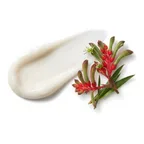 Kangaroo Flower Extract
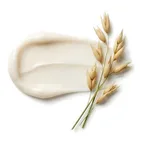 Avena Sativa Kernel Extract Oat Kernel Extract
 Butyrospermum Parkii Butter Shea Butter
 Avobenzone
 Homosalate
Average
- AverageCombination Skin Fit
- AverageEffectiveness
- HighSafety
Works for acne-prone skin; other sunscreens fit it better.
This fit is calculated for the concerns frequently associated with acne-prone skin: breakouts, blackheads, and post-acne marks. For scores and recommendations based on your full skin profile, including your 12D face scan results and any goals or preferences you have, please use the Lovi app.
Updated How the Fit score works
Lovi Assistant explains
- Offers moderate moisturizing and sun protection for your combination skin, with glycerin providing hydration and avobenzone, homosalate, and octocrylene offering UV defense, though it lacks targeted ingredients for your acne and blemishes.
- The formulation is generally supportive for acne and blemishes due to ingredients like shea butter, but it does not provide sufficient oil control for the oilier areas of your combination skin.
- The product is safe for your combination skin, as it contains no prohibited or harsh ingredients that would cause irritation.
Buy online

Prices checked 20 Nov 2026
The Lovi Fit is the same in every country; only the stores and prices differ, and the ones here are for Europe.
How to apply
- Apply this moisturizing sunscreen AM every morning as the final step of your daily routine.
- Layer the moisturizing sunscreen after your moisturizer has fully absorbed, right before heading out into the sun .
- Smooth a nickel-sized amount of the moisturizing sunscreen evenly over your face, avoiding harsh rubbing.
- Apply the moisturizing sunscreen onto clean, dry skin to ensure even coverage and protection.
- Perform a patch test before first use and avoid direct contact with the eyes.
Questions and answers
How well does Clarins Extra-Firming Jour SPF 15 work for acne-prone skin?
Clarins Extra-Firming Jour SPF 15 works moderately well for acne-prone skin, providing basic hydration and sun protection without causing irritation, though it lacks targeted ingredients for blemishes. A product of this type needs to hydrate without adding excess oil, effectively clear blemishes with high-quality ingredients like niacinamide and ceramide-3, and support the skin barrier without clogging pores.
Archives of Dermatological Research, 2024Pharmaceutics, 2021
Which ingredients make this cream a good fit for acne-prone skin?
This cream works for your skin because it contains glycerin for moisture and avobenzone, homosalate, and octocrylene for sun protection, but it lacks targeted ingredients for breakouts. To fit acne-prone skin best, a moisturizing SPF needs ingredients that manage oil without excess shine, soothe blemishes, and support the skin barrier.
Archives of Dermatological Research, 2024Clinical, Cosmetic and Investigational Dermatology, 2017
What does Kangaroo Flower Extract do for acne-prone skin?
Kangaroo Flower Extract is not a standard fit for acne-prone skin because it lacks the oil-balancing and blemish-clearing benefits this skin type needs. Acne-prone skin requires ingredients like green tea extract, botanical extracts, or specific plant compounds to help calm redness and keep pores clear.
What does Avena Sativa Kernel Extract do for acne-prone skin?
Avena Sativa Kernel Extract helps calm acne-prone skin by reducing redness and soothing irritation. This ingredient has a very low chance of causing irritation or inflammation, making it gentle enough for skin that breaks out easily.
Pharmaceutics, 2021Skin Pharmacology and Applied Skin Physiology, 2002
Where does this cream go in a skincare routine for acne-prone skin?
This cream goes in the morning routine as a moisturizer and SPF after your hydrating toner, and in the evening routine as your final moisturizer step after your treatment.
Can I use this cream with retinol, and in what order?
You can use this cream with retinol by applying your retinol first, letting it absorb, and then following with this moisturizer to help keep your skin soft and comfortable. Using a gentle moisturizer alongside retinol is unlikely to cause irritation and helps support your skin barrier during treatment.
How often should I use this cream?
You can use this moisturizing spf daily in the morning as part of your daytime routine. Regular application helps keep your skin hydrated and protected from the sun, though acne-prone skin needs a product that also provides targeted blemish care and oil control.
Journal of Cosmetic Dermatology, 2020Health Science Reports, 2021
Can it clog pores, cause breakouts or purging for acne-prone skin?
This moisturizer is unlikely to cause purging since it does not contain active ingredients that speed up skin shedding, and its chemical sunscreens show a low risk of irritation. However, because it lacks targeted blemish fighters and oil control for oilier areas, acne-prone skin needs lightweight, non-greasy hydrators and oil-absorbing ingredients like salicylic acid or niacinamide.
Archives of Dermatological Research, 2024Journal of Drugs in Dermatology, 2025
Is this cream fragrance-free and alcohol-free?
It has no drying alcohol and contains fragrance (parfum). Cetearyl alcohol is a fatty alcohol, which soften the skin.
What the research says
A single application of a moisturizing fluid containing hyaluronic acid 1%, glycerin 5%, and Centella asiatica stem cells extract significantly increased skin hydration by 29% and reduced transepidermal water loss at 24 hours compared to baseline and an untreated control site in twenty healthy women.
Clinical, Cosmetic and Investigational Dermatology, 2017The application of a sunscreen formulation containing ethylhexyl methoxycinnamate, ethylhexyl salicylate, methyl anthranilate, and octocrylene does not significantly affect critical acne-related species such as Cutibacterium acnes and Staphylococcus epidermidis, refuting the induction of facial dysbiosis in men.
Archives of Dermatological Research, 2024A multiple W/O/W emulsion containing Rosmarinus officinalis L., Avena sativa L., and Linum usitatissimum L. extracts showed no irritant, phototoxic, inflammatory, or allergenic potential in human skin models and patch tests, establishing its safety as a cosmetic base.
Pharmaceutics, 2021Chemical sunscreens containing avobenzone, octocrylene, homosalate, and octisalate showed no to minimal risks of dermal irritation, sensitization, photo-allergy, and photo-irritation in human subjects.
Journal of Drugs in Dermatology, 2025Colloidal oat extracts diminished pro-inflammatory cytokines in vitro and colloidal oat lotion improved skin dryness, scaling, roughness, and itch intensity in healthy female subjects compared to baseline.
Journal of Drugs in Dermatology, 2015Colloidal oat increased the growth rate, metabolism, and lactic acid production of Staphylococcus epidermidis compared to Staphylococcus aureus in vitro, matching clinical increases in lactic acid on dry skin after 6 weeks of lotion use.
Clinical, Cosmetic and Investigational Dermatology, 2021A dermocosmetic product containing oat plantlet sap and Garcinia mangostana extract reduced retentional and inflammatory acne lesions by 21% and 35% respectively after 2 months in 54 subjects with mild-to-moderate acne.
Journal of the European Academy of Dermatology and Venereology, 2024A skin barrier restoring cream with shea butter, silkflo, and vitamin E increased type I procollagen synthesis, enhanced antioxidant enzyme activity, decreased reactive oxygen species generation, and promoted hyaluronic acid production in H2O2-stimulated human keratinocyte cells compared to untreated cells.
International Journal of Cosmetic Science, 2025Methoxy-monobenzoylmethane protects human skin against UV-induced damage by converting to avobenzone under UVB light irradiation and demonstrating antioxidant and radical scavenging properties in vitro and in cell assays.
Molecules, 2021Encapsulation of ethylhexyl methoxycinnamate and butyl methoxydibenzoylmethane in lipid microparticles significantly reduced their in vivo human skin penetration compared to nonencapsulated filters.
Skin Pharmacology and Physiology, 2011Microencapsulation of the BMDBM/HP-beta-CD complex in lipid microparticles significantly decreased the percutaneous penetration of the UV filter into the stratum corneum of human volunteers compared to the non-encapsulated sunscreen agent.
Journal of Pharmaceutical and Biomedical Analysis, 2011Dermal application of a sunscreen containing 10% homosalate in four volunteers resulted in delayed elimination with terminal half-times around 24 h and a bioavailability of cis-homosalate a factor of 2 lower than trans-homosalate, while metabolite ratios supported using oral-route urinary excretion fractions for dermal exposure assessments.
Archives of Toxicology, 2024Homosalate exhibited the highest permeation among tested filters with a relative permeability rate of 4.2% and a depth of 60 um, and specific thickeners and emulsifiers successfully reduced its permeation without inhibiting the skin permeation of niacinamide.
Photodermatology, Photoimmunology & Photomedicine, 2026An online-SPE-LC-MS/MS method successfully quantified specific urinary homosalate metabolites for up to 96 hours after dermal sunscreen application in a volunteer and detected metabolites exclusively in three German pilot participants who had used sunscreen within five days.
Analytica Chimica Acta, 2021
Why other sunscreens fit acne-prone skin better
Sodium ascorbyl phosphate provides effective antimicrobial action, prevents sebum oxidation, and demonstrates superior clinical efficacy compared to a standard acne treatment in patients with acne vulgaris.
International Journal of Cosmetic Science, 2005Topical combination of 5% sodium ascorbyl phosphate and 0.2% retinol reduced inflammatory acne lesions by 29.28% at 4 weeks and 63.10% at 8 weeks, outperforming either agent alone.
International Journal of Cosmetic Science, 2009Combined ascorbyl palmitate and sodium ascorbyl phosphate treatment significantly reduced facial sebum secretions in healthy female volunteers compared to a placebo control over 90 days.
Drug Research, 2017
Ingredients
Water, Glycerin, Butyloctyl Salicylate, Butyrospermum Parkii Butter Shea Butter, Dimethicone, C12-15 Alkyl Benzoate, Cetearyl Alcohol, Methyl Methacrylate Crosspolymer, Potassium Cetyl Phosphate, Parfum, Cetearyl Glucoside, Dimethicone Vinyl Dimethicone Crosspolymer, Phenoxyethanol, Butylene Glycol, Acrylates C10-30 Alkyl Acrylate Crosspolymer, Caprylyl Glycol, Tromethamine, Avena Sativa Kernel Extract Oat Kernel Extract, Disodium Edta, Tocopheryl Acetate, Xanthan Gum, Dimethiconol, Tocopherol, Anigozanthos Flavidus Extract, Caprylic Capric Triglyceride, Betaine, Silica, Sorbitol, Diospyros Mespiliformis Leaf Extract, Maltodextrin, Sanicula Europaea Extract, Sodium Benzoate, Kalanchoe Pinnata Leaf Extract, Balanites Roxburghii Seed Oil, Mitracarpus Scaber Extract, Citric Acid, Acerola Seed Extract, Lapsana Communis Stem Extract Flower Leaf, Furcellaria Lumbricalis Extract, Ci 15985 Yellow 6, Potassium Sorbate, Maris Sal Sea Salt Sel Marin, Avobenzone, Homosalate, Octocrylene
Behind this fit score
Lovi calculates every fit score from the full ingredient list with brand-independent rules our dermatologists and cosmetic chemists build and review, and personalizes every pick with AI trained on the real results of millions of users. Lovi trains its fit score models on a proprietary dataset built from more than 10,000 expert-labeled products and more than 100,000 simulated examples, following an internally consistent methodology presented at Cosmoprof, AMWC, and Skin of Color Update.
-

Co-founder, Medical Director
Cosmetic chemist, cosmetologist, aesthetic products developer
-

Co-founder, CEO and CTO
PhD in computer science, 3x US patent holder, ex-Google, ex-Yandex
-

Dr. Sofía Perea Pérez, MD, MSc
Medical Board
Aesthetic medicine practitioner, MSc in Longevity and Anti-Aging Medicine
-

Medical Board
Specialist dermatologist, MBBS, MD, IFAAD
-

Medical Board
Cosmetic chemist, SCS, IFSCC member
-

Medical Board, Medical Advisor
Dermatology MD
-

Elina Nazarenko, MD
Medical Board
Dermatology and diagnostic consultant
-

Victoria Derkova, MS
Medical Board
Cosmetic chemist, cosmetic development technologist


How does it fit your skin?
Scan your face, then any product: Lovi shows how well it fits you and what fits even better.