
Blume Meltdown Gel Cream for skin with dark spots

 Niacinamide
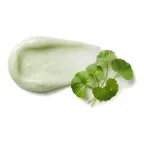 Centella Asiatica Extract
 Squalane
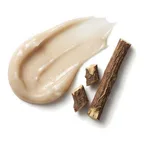 Licorice Root Extract
 Ceramides
Average
- AverageNormal Skin Fit
- AverageEffectiveness
- HighSafety
Works for skin with dark spots; other moisturizers fit it better.
This fit is calculated for the concerns frequently associated with dark spots: hyperpigmentation, sun spots, and uneven skin tone. For scores and recommendations based on your full skin profile, including your 12D face scan results and any goals or preferences you have, please use the Lovi app.
Updated How the Fit score works
Lovi Assistant explains
- Offers moderate suitability for normal skin, as squalane and niacinamide provide hydration and smoothing effects beneficial for pigmentation concerns. Glycerin and sodium hyaluronate further support humectant action, though a more robust concentration of emollients would enhance overall results.
- Centella Asiatica Extract and licorice root extract offer soothing and supportive benefits for general skincare, contributing to a more even complexion.
- The product is safe for your normal skin, with no identified risks of irritation due to the absence of harsh or prohibited ingredients.
How to apply
- Could be used as part of your AM and PM routine. Start using it 3 times a week and move to daily use if your skin likes it.
- Apply this moisturizer after your cleanser and toner, right before your morning SPF.
- Gently press a small amount of the moisturizer into your skin. Avoid rubbing it too hard so it absorbs nicely.
- For the best moisture, you can apply it when your skin is slightly damp. This helps your skin stay soft and happy.
- Remember to avoid the eye area when applying. Always do a patch test before your first use.
People Say
★4.6Overall rating based on 200+ reviewsUsers with oily and acne-prone skin frequently praise this lightweight gel-cream for its hydrating properties without causing greasiness or breakouts. Many enjoy its cooling texture and sweet scent. However, some users with dry skin find it not moisturizing enough, and a small number reported experiencing breakouts or disliking the scent.
Highlights
Lightweight, absorbs fast Mostly Mentioned
- “melts into skin like butter”
- “light enough to wear comfortably”
- “absorbs really well”
- “perfect in-between gel and cream”
Acne-friendly hydration Often Mentioned
- “did not cause breakouts”
- “heals blemishes”
- “perfect for acne prone skin”
- “less acne after a month”
Pleasant scent Often Mentioned
- “smells like cotton candy”
- “smells like cookies”
- “light scent”
- “scent is addicting”
Soothing and calming Sometimes Noted
- “calms redness”
- “soothing moisturizer”
- “cooling feel”
- “skin felt softer”
Not enough moisture Sometimes Noted
- “not moisturizing enough for winter”
- “need a stronger moisturizer”
- “skin felt tight”
- “dryness returned”
Caused breakouts Rarely Noted
- “my skin freaked out”
- “cystic acne came back”
- “face completely broken out”
- “caused small bumps”
Price/packaging issues Rarely Noted
- “expensive for the amount”
- “paying for the brand”
- “sad you moved to plastic”
Scent disliked Rarely Noted
- “smells like old cookies”
- “not a fan of the scent”
- “smell is okay but strong”
Sources: lovi.care, ulta.com, skinsort.com, thingtesting.com, blume.com, thegreenkiss.com, and more
Questions and answers
How well does Blume Meltdown Gel Cream work for skin with dark spots?
This moisturizer offers moderate suitability for skin with dark spots, as squalane and niacinamide help provide hydration and smoothing effects. Niacinamide significantly decreases hyperpigmentation by inhibiting melanosome transfer. A product of this type needs effective brightening ingredients that align with pigmentation goals, alongside a more robust concentration of emollients.
Which ingredients make this cream a good fit for skin with dark spots?
Niacinamide, squalane, and licorice root extract make this cream a good fit because they provide hydration, smoothing effects, and soothing benefits that help with dark spots. A product of this type needs stronger brightening ingredients and a richer blend of softening ingredients to fit this skin best.
The British Journal of Dermatology, 2002Clinical, Cosmetic and Investigational Dermatology, 2017
What does Niacinamide do for skin with dark spots?
Niacinamide helps fade dark spots and uneven pigmentation while making skin brighter and more even in tone. It works by blocking the transfer of pigment to surface skin cells, and studies show it is well tolerated and reduces visible spots within weeks.
What does Centella Asiatica Extract do for skin with dark spots?
Centella Asiatica Extract helps fade dark spots and uneven areas by balancing skin tone and brightening the complexion. Clinical studies show that serums with this ingredient can successfully reduce dark marks and improve overall skin clarity over several weeks of regular use.
Skinmed, 2021International Journal of Molecular Medicine, 2025
Where does this cream go in a skincare routine for skin with dark spots?
This moisturizing treatment goes in the evening routine after your cleansing toner and before your moisturizer, or in the morning before your sunscreen. Skincare for dark spots of this type typically needs a more robust concentration of emollients to best enhance results.
Can I use this cream with retinol, and in what order?
You can use this cream with retinol by applying the cream before or after retinol to help keep skin calm and hydrated. A product for this skin needs a more robust concentration of emollients to better support your routine.
How often should I use this cream?
This moisturizing treatment works well as a daily step in your routine, helping to hydrate and soothe your skin. Twice-daily application helps maintain moisture and smooth texture, though skin with dark spots needs a product with richer emollients to fully address pigmentation.
Journal of Cosmetic Dermatology, 2020Health Science Reports, 2021
Can this cream clog pores, cause breakouts or purging for skin with dark spots?
This cream is unlikely to clog pores or cause breakouts on skin with dark spots because it has a very low risk of causing breakouts, though a product of this type needs richer moisturizing ingredients to better support dry or dehydrated skin.
Can I use this cream around the eyes or on my body?
This cream is safe for your skin, but a product of this type needs richer, heavier softening ingredients and higher active levels to properly care for the thin skin around the eyes or large areas of the body.
Is this cream fragrance-free and alcohol-free?
Yes, it has no fragrance and no drying alcohol. Behenyl alcohol is a fatty alcohol, which soften the skin.
What the research says
Niacinamide significantly decreased hyperpigmentation and increased skin lightness compared with vehicle alone after 4 weeks of use in women by inhibiting melanosome transfer.
The British Journal of Dermatology, 2002A single application of a moisturizing fluid containing hyaluronic acid 1%, glycerin 5%, and Centella asiatica stem cells extract significantly increased skin hydration by 29% and reduced transepidermal water loss at 24 hours compared to baseline and an untreated control site in twenty healthy women.
Clinical, Cosmetic and Investigational Dermatology, 2017Treatment with a combination of niacinamide and hyaluronic acid improved skin aging signs and demonstrated a senomorphic effect by decreasing SASP and autocrine signaling genes in women.
Scientific Reports, 2024Glabridin-encapsulated liposomes conjugated with palmitoyl tripeptide-8 improved skin permeation, enhanced cellular uptake, and achieved superior skin-whitening effects by targeting the melanocortin 1 receptor compared to pure glabridin and un-targeted mixtures.
Colloids and Surfaces. B, Biointerfaces, 2025Topical nicotinamide prevented solar-simulated UV-induced immunosuppression in healthy volunteers, and men experienced immunosuppression at solar-simulated UV doses three times lower than those required for women.
The Journal of Investigative Dermatology, 2008Topical 5% niacinamide applied twice daily for 12 weeks reduced fine lines and wrinkles, hyperpigmented spots, red blotchiness, and skin sallowness, and improved skin elasticity compared to vehicle control in 50 female white subjects with facial photoaging.
Dermatologic Surgery, 2005Topical 2% niacinamide significantly decreased sebum excretion rate in Japanese individuals and casual sebum levels in Caucasian individuals compared to placebo or baseline.
Journal of Cosmetic and Laser Therapy, 2006Topical treatment with 5% vitamin C and 0.1% madecassoside significantly improved clinical scores for wrinkles, suppleness, firmness, roughness, and skin hydration, along with functional and structural remodeling of the elastic fiber network in 20 female volunteers with photoaged skin after 6 months compared to baseline.
Experimental Dermatology, 2008Treatment with an asiaticoside-containing cream applied twice daily for 12 weeks significantly improved periorbital wrinkles in 65% of 27 female volunteers compared to a vehicle control cream.
International Journal of Cosmetic Science, 2008A combination serum containing galactomyces ferment filtrate, dexpanthenol, and Centella asiatica effectively treated post-acne hyperpigmentation in subjects with colored skin by significantly increasing lightness scores in Fitzpatrick skin type V and reducing the melanin index in Fitzpatrick skin type IV compared to placebo.
Skinmed, 2021Application of fullerene-C60 dissolved in squalane cream twice daily for 8 weeks significantly enhanced skin moisture and reduced wrinkle formation compared to placebo in 23 Japanese women without severe side effects.
Journal of Nanoscience and Nanotechnology, 2010Squalane at 0.005-0.015% counteracts UVA-induced oxidative stress, inflammation, and collagen metabolism inhibition while stimulating fibroblast migration in human dermal fibroblasts.
Molecules, 2025Plant-derived squalane protected human dermal fibroblasts against UVA-induced damage by counteracting ROS formation, suppressing apoptosis-related proteins p53, caspase-3, caspase-9, and PARP, and restoring the pro-survival p-Akt/mTOR pathway.
Antioxidants, 2025Combining 755 nm alexandrite laser with topical licorice gel significantly reduces terminal hair counts compared to alexandrite laser with placebo in women with idiopathic hirsutism.
Evidence-based Complementary and Alternative Medicine, 2015Licochalcone A activated Nrf2 signaling, elevated cytoprotective enzymes, increased the reduced-to-oxidized glutathione ratio, and decreased reactive oxygen species in human fibroblasts and neutrophils, while a LicA-rich licorice extract lowered UVA-induced oxidative processes in vivo.
Experimental Dermatology, 2015Mesoporous silica nanoparticles entrapping licorice polysaccharide and coated with polydopamine showed 76% entrapment efficiency, 89% in vitro release at pH 5, increased sebocytes' cellular uptake, and mediated inflammatory response by inhibiting pro-inflammatory cytokines and regulating anti-inflammatory cytokines.
Carbohydrate Polymers, 2024Ceramide and niacinamide-containing moisturizer combined with anti-acne treatment significantly improved non-inflammatory, inflammatory, and total acne lesions compared to hydrophilic cream in 40 patients with mild to moderate acne vulgaris after 8 weeks.
Journal of Cosmetic Dermatology, 2024Topical application of a pseudo-ceramide-containing spray improved stratum corneum water content, transepidermal water loss, cell area, and scaling score, and normalized the ceramide profile in patients with dry and sensitive skin compared to a control spray.
Journal of Cosmetic Dermatology, 2025
Why other moisturizers fit skin with dark spots better
Topical oxidized glutathione significantly decreases the skin melanin index and improves moisture content, smoothness, wrinkle formation, and elasticity compared to placebo in healthy women.
Clinical, Cosmetic and Investigational Dermatology, 2014Combining oral and topical astaxanthin in 30 healthy females improved skin wrinkles, age spots, elasticity, texture, and moisture, while 6 mg daily oral supplementation in 36 healthy males improved crow's feet wrinkles, elasticity, and transepidermal water loss.
Acta Biochimica Polonica, 2012
Ingredients
Water, Propanediol, Squalane, Diisostearyl Malate, Diheptyl Succinate, Coco-Caprylate Caprate, Glycerin, Niacinamide, Capryloyl Glycerin Sebacic Acid Copolymer, Hydroxyethyl Acrylate Sodium Acryloyldimethyl Taurate Copolymer, Glyceryl Stearate Citrate, Behenyl Alcohol, Maltol, Tocopheryl Acetate, Terminalia Chebula Fruit Extract, Sodium Lactate, Centella Asiatica Extract, Arginine, Pca, Ceramide Np, Ceramide, Ceramide Ap, Ceramide Ns, Cholesterol, Ceramide Eop, Hydrolyzed Gardenia Florida Extract, Sodium Hyaluronate, Gossypium Hirsutum Extract Gossypium Herbaceum Extract, Glycyrrhiza Glabra Root Extract Licorice Root Extract, Sodium Pca, Laminaria Japonica Extract, Solanum Lycopersicum Fruit Extract Tomato Fruit Extract, Polyquaternium-80, Sorbitan Isostearate, Saccharide Isomerate, Maltodextrin, Citric Acid, Aspartic Acid, Sodium Citrate, Hydrogenated Lecithin, Glycine, Alanine, Dipropylene Glycol, Serine, Valine, Potassium Sorbate, Sodium Benzoate, Glyceryl Stearate, Proline, Threonine, Isoleucine, Sucrose Distearate, Histidine, Phenylalanine
Behind this fit score
Lovi calculates every fit score from the full ingredient list with brand-independent rules our dermatologists and cosmetic chemists build and review, and personalizes every pick with AI trained on the real results of millions of users. Lovi trains its fit score models on a proprietary dataset built from more than 10,000 expert-labeled products and more than 100,000 simulated examples, following an internally consistent methodology presented at Cosmoprof, AMWC, and Skin of Color Update.
-

Co-founder, Medical Director
Cosmetic chemist, cosmetologist, aesthetic products developer
-

Co-founder, CEO and CTO
PhD in computer science, 3x US patent holder, ex-Google, ex-Yandex
-

Dr. Sofía Perea Pérez, MD, MSc
Medical Board
Aesthetic medicine practitioner, MSc in Longevity and Anti-Aging Medicine
-

Medical Board
Specialist dermatologist, MBBS, MD, IFAAD
-

Medical Board
Cosmetic chemist, SCS, IFSCC member
-

Medical Board, Medical Advisor
Dermatology MD
-

Elina Nazarenko, MD
Medical Board
Dermatology and diagnostic consultant
-

Victoria Derkova, MS
Medical Board
Cosmetic chemist, cosmetic development technologist


How does it fit your skin?
Scan your face, then any product: Lovi shows how well it fits you and what fits even better.