
Biossance Squalane + Lactic Acid Resurfacing Night Serum for sensitive skin

 Squalane
 Lactic Acid
 Glycerin
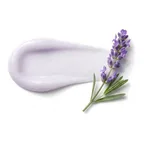 Lavender Oil
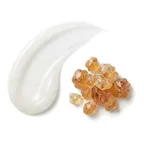 Acacia Senegal Gum
Average
- HighNormal Skin Fit
- AverageEffectiveness
- HighSafety
Works for sensitive skin; other products fit it better.
This fit is calculated for the concerns frequently associated with sensitive skin: redness, stinging, and reactions to new products. For scores and recommendations based on your full skin profile, including your 12D face scan results and any goals or preferences you have, please use the Lovi app.
Updated How the Fit score works
Lovi Assistant explains
- Offers moderate exfoliation for your normal skin with lactic acid to smooth texture and regulate desquamation, while squalane provides emollient action.
- While generally safe for normal skin, the lactic acid may exacerbate your redness and irritation, as its primary benefits are supportive rather than directly addressing your concerns.
- The product is safe for your normal skin with sensitivity due to the absence of harsh ingredients.
Buy online

Prices checked 20 Nov 2026
The Lovi Fit is the same in every country; only the stores and prices differ, and the ones here are for Europe.
How to apply
- Use your exfoliant PM once a week to help with redness and irritation. Start slowly and only increase frequency if your skin feels happy and comfortable.
- Apply the exfoliant after cleansing and toner , but always before your moisturizer . This ensures the product absorbs properly into the skin.
- Gently press 2-3 drops of the exfoliant into your skin without rubbing . Let it absorb for a minute before moving on.
- Since your skin is sensitive , apply the exfoliant on completely dry skin for the best tolerance. This helps prevent any extra stinging or discomfort.
- Always do a patch test before your first use and avoid the delicate eye area .
People Say
★4.6Overall rating based on 2.8k+ reviewsBased on a very large amount of data, this serum is highly effective at smoothing rough texture and brightening dull skin, often overnight, without causing dryness. Most users, including those with sensitive skin, find it gentle and hydrating. A moderate number of users dislike the herbal scent and find the product expensive, while a low number report experiencing irritation or breakouts.
Highlights
Smoothes skin texture Mostly Mentioned
- “smooths out rough skin”
- “baby soft results”
- “bumps are gone”
- “refined my texture”
Brightens complexion Often Mentioned
- “woke up glowing”
- “skin looks luminous”
- “radiant next morning”
- “removed dullness”
Gentle and hydrating Often Mentioned
- “no irritation at all”
- “didn't dry me out”
- “great for sensitive skin”
- “moisturizing feel”
Fades dark spots Sometimes Noted
- “acne scars faded”
- “helped with pigmentation”
- “evened skin tone”
- “spots look lighter”
Herbal scent disliked Sometimes Noted
- “smells a bit funny”
- “strong lavender scent”
- “off-putting smell”
- “scent is weird”
High price point Sometimes Noted
- “very expensive”
- “pricey for the size”
- “wish it was cheaper”
- “investment product”
Caused breakouts Rarely Noted
- “broke me out”
- “caused tiny bumps”
- “purging period”
- “woke up with zits”
Causes irritation Rarely Noted
- “burned my face”
- “caused red blotches”
- “stings upon application”
- “too strong for me”
Sources: lovi.care, biossance.com, sephora.com, influenster.com, cultbeauty.co.uk, makeupalley.com, and more
Questions and answers
How well does Biossance Squalane + Lactic Acid Resurfacing Night Serum work for sensitive skin?
Biossance Squalane + Lactic Acid Resurfacing Night Serum works for sensitive skin, though other products fit it better because the lactic acid inside may make redness and irritation worse. This skin needs an exfoliant treatment with antioxidants, hydrating ingredients, and skin-repairing ingredients that reduce redness and irritation without any risk of irritation.
Which ingredients make this serum a good fit for sensitive skin?
Squalane and glycerin make this serum a good fit for sensitive skin by keeping it soft and moisturized. An exfoliant treatment for this skin needs soothing ingredients like niacinamide and antioxidants to reduce redness and irritation without causing flare-ups.
What does Squalane do for sensitive skin?
Squalane helps keep sensitive skin soft and smooth while strengthening the skin barrier with very good safety. Because it closely mimics your skin's natural oils, it is unlikely to irritate dry or reactive skin and provides gentle daily hydration.
What does Lactic Acid do for sensitive skin?
Lactic acid helps sensitive skin by improving hydration and smoothing fine lines when used in gentle formulations. It may boost ceramide levels and support the skin barrier, though higher concentrations can sometimes cause tingling or irritation.
Archives of Dermatological Research, 2018Archives of Dermatological Research, 1996
Where does this serum go in a skincare routine for sensitive skin?
This treatment goes in the evening routine after your toner and before your moisturizer. Sensitive skin needs an exfoliating serum with soothing, calming ingredients and gentle hydrators like squalane and glycerin.
Can I use this serum with retinol, and in what order?
You should use this serum on separate nights from your retinol to help avoid triggering redness and irritation on sensitive skin. Combining two strong treatments at the same time is likely to overwhelm your skin barrier.
How often should I use this serum?
Start using this serum once a week in the evening, and if your skin tolerates it well and shows good results, you can carefully use it more often. This product needs soothing ingredients and gentle moisturizers to keep sensitive skin calm and comfortable.
Can this serum clog pores, cause breakouts or purging for sensitive skin?
This serum is unlikely to cause breakouts for sensitive skin, as reviewers rarely report them and the formula avoids harsh ingredients. However, a product for this skin needs gentle soothing ingredients and light hydration to keep pores clear without triggering irritation.
Is this serum fragrance-free and alcohol-free?
It has no drying alcohol and contains fragrance (linalool). Cetearyl alcohol is a fatty alcohol, which soften the skin.
What the research says
PLLA-released lactate induces LTBP1 lactylation at lysine 752 via a KAT8-dependent mechanism, promoting collagen I and collagen III synthesis in fibroblasts for skin rejuvenation.
International Journal of Biological Macromolecules, 2024Poly-L-Lactic Acid increases collagen gene expression, procollagen production, elastin, TIMP-1, and TIMP-2 while attenuating MMP-1 in cultured dermal fibroblasts (Hs68) in a dose-dependent manner through the activation of the TGF-β/Smad signaling pathway.
Journal of Cosmetic Dermatology, 2023Poly-L-lactic acid induces a regenerative cascade resulting in sustained neocollagenesis, improved dermal density, and enhanced skin quality.
Aesthetic Surgery Journal, 2025Application of fullerene-C60 dissolved in squalane cream twice daily for 8 weeks significantly enhanced skin moisture and reduced wrinkle formation compared to placebo in 23 Japanese women without severe side effects.
Journal of Nanoscience and Nanotechnology, 2010Squalane at 0.005-0.015% counteracts UVA-induced oxidative stress, inflammation, and collagen metabolism inhibition while stimulating fibroblast migration in human dermal fibroblasts.
Molecules, 2025Plant-derived squalane protected human dermal fibroblasts against UVA-induced damage by counteracting ROS formation, suppressing apoptosis-related proteins p53, caspase-3, caspase-9, and PARP, and restoring the pro-survival p-Akt/mTOR pathway.
Antioxidants, 2025Application of a cream containing lactic acid 12% and pramoxine HCl 1% significantly improved skin dryness, hydration, and itch compared with a nontreated control in 24 women with a history of dry itchy skin.
Cutis, 2004A lactic acid/ceramide lotion significantly improved skin moisturization and desquamation compared to no treatment in women with dry, rough skin on the anterior shins.
The Journal of Clinical and Aesthetic Dermatology, 2020Treatment with 12% lactic acid increased epidermal and dermal firmness and thickness and improved skin smoothness and wrinkles compared to baseline, whereas 5% lactic acid induced clinical and epidermal changes without dermal changes.
Journal of the American Academy of Dermatology, 1996A single application of a moisturizing fluid containing hyaluronic acid 1%, glycerin 5%, and Centella asiatica stem cells extract significantly increased skin hydration by 29% and reduced transepidermal water loss at 24 hours compared to baseline and an untreated control site in twenty healthy women.
Clinical, Cosmetic and Investigational Dermatology, 2017The emollient V0034CR significantly reduced TEWL compared to vehicle and vehicle plus glycerol, and significantly increased corneometry scores compared to vehicle and vehicle plus petrolatum in healthy volunteers with dry skin, demonstrating combined barrier function improvement from petrolatum and hydration improvement from glycerol.
Journal of Cosmetic Dermatology, 2020Ten days of treatment with a cream containing 20% glycerin significantly increased skin hydration measured by corneometer values in 17 healthy volunteers compared to a placebo cream, but showed no influence on transepidermal water loss or skin sensitivity to an irritating surfactant.
International Journal of Cosmetic Science, 2001Polysaccharide-based O/W emulsions incorporated with lavender essential oil applied to cellulosic support are non-irritating, provide softness and moisturizing effects, and are safe for topical patch applications.
International Journal of Biological Macromolecules, 2021Treatment with 0.01% Taikong Blue Lavender Essential Oil significantly reduced oxidative stress markers and inflammatory cytokines in TNF-alpha-stimulated HaCaT cells compared to baseline stimulated levels.
Journal of Cosmetic Dermatology, 2026Alginate-based microcapsules crosslinked with zinc or calcium ions successfully encapsulated lavender essential oil with high efficiency, demonstrating improved oil retention, antibacterial activity, and anti-inflammatory effects for potential topical acne therapy.
European Journal of Pharmaceutics and Biopharmaceutics, 2026Chitosan/gum arabic nanoparticles successfully stabilized quercetin-loaded Pickering emulsions, retaining 92.8% of quercetin at room temperature after 30 days and reducing intracellular ROS levels by 75.16% in HaCaT keratinocytes.
Polymers, 2025Gum arabic and beta-cyclodextrin microencapsulated peony seed oil emulsion protected against ultraviolet radiation by inhibiting reactive oxygen species generation, increasing cell viability from 54.75% to 92.69% in UVB-damaged HaCaT cells, and repairing 95.56% of UVB-damaged skin within 7 days in animal experiments through regulation of the NF-kappaB signaling pathway.
International Journal of Biological Macromolecules, 2026
Why other products fit sensitive skin better
Topical application of TAT-SOD significantly suppresses UVB-induced erythema formation, blood flow rise, and apoptotic sunburn cell formation in human volunteers compared to a vehicle control.
European Journal of Pharmaceutics and Biopharmaceutics, 2016Topical ferulic acid-containing formulations effectively reduce skin erythema, hyperpigmentation, and signs of aging in adults compared to baseline or alternative conditions.
The Journal of Clinical and Aesthetic Dermatology, 2025
Ingredients
Acacia Senegal Gum, Caprylic Capric Triglyceride, Cetearyl Alcohol, Cetearyl Olivate, Ethylhexylglycerin, Glycerin, Lactic Acid, Lavandula Angustifolia Oil Lavender Oil, Lespedeza Capitata Stem Extract Leaf, Linalool, Phenoxyethanol, Polyacrylate Crosspolymer-6, Propanediol, Sodium Gluconate, Sodium Hydroxide, Sorbitan Olivate, Squalane, Water, Xanthan Gum
Behind this fit score
Lovi calculates every fit score from the full ingredient list with brand-independent rules our dermatologists and cosmetic chemists build and review, and personalizes every pick with AI trained on the real results of millions of users. Lovi trains its fit score models on a proprietary dataset built from more than 10,000 expert-labeled products and more than 100,000 simulated examples, following an internally consistent methodology presented at Cosmoprof, AMWC, and Skin of Color Update.
-

Co-founder, Medical Director
Cosmetic chemist, cosmetologist, aesthetic products developer
-

Co-founder, CEO and CTO
PhD in computer science, 3x US patent holder, ex-Google, ex-Yandex
-

Dr. Sofía Perea Pérez, MD, MSc
Medical Board
Aesthetic medicine practitioner, MSc in Longevity and Anti-Aging Medicine
-

Medical Board
Specialist dermatologist, MBBS, MD, IFAAD
-

Medical Board
Cosmetic chemist, SCS, IFSCC member
-

Medical Board, Medical Advisor
Dermatology MD
-

Elina Nazarenko, MD
Medical Board
Dermatology and diagnostic consultant
-

Victoria Derkova, MS
Medical Board
Cosmetic chemist, cosmetic development technologist


How does it fit your skin?
Scan your face, then any product: Lovi shows how well it fits you and what fits even better.