
ATOPALM MLE Lotion for acne-prone skin

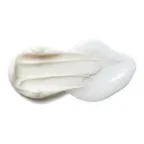 Mle Multi-Lamellar Emulsion Technology
 Sodium Hyaluronate
 Glycerin
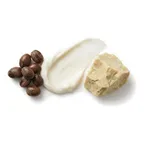 Butyrospermum Parkii Butter Shea Butter
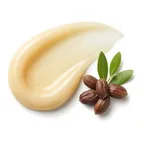 Jojoba Seed Oil
Average
- AverageCombination Skin Fit
- AverageEffectiveness
- HighSafety
Works for acne-prone skin; other moisturizers fit it better.
- Clinical, Cosmetic and Investigational Dermatology, 2017
- International Journal of Biological Macromolecules, 2018
This fit is calculated for the concerns frequently associated with acne-prone skin: breakouts, blackheads, and post-acne marks. For scores and recommendations based on your full skin profile, including your 12D face scan results and any goals or preferences you have, please use the Lovi app.
Updated How the Fit score works
Lovi Assistant explains
- Offers moderate suitability for your combination skin, as Glycerin and Sodium Hyaluronate provide essential hydration and support barrier function, though it lacks sufficient ingredients for optimal oil control in your oily areas.
- The formulation provides excellent moisturizing benefits with Sodium Hyaluronate and Shea Butter, which hydrate and enhance barrier resilience, offering general skincare support beneficial for acne-prone skin.
- The safety profile is excellent, with no risks of irritation due to the absence of harsh ingredients and the inclusion of soothing agents like Beta-Glucan and Allantoin.
Buy online

Prices checked 20 Nov 2026
The Lovi Fit is the same in every country; only the stores and prices differ, and the ones here are for Europe.
How to apply
- Use your moisturizer twice a day in your AM and PM routines. Apply it daily to help keep breakouts under control.
- Apply after your cleanser and toner, and make sure to use your SPF right after in the morning.
- Gently spread a small amount of moisturizer over your face using soft motions. Let it absorb into the skin for a minute before getting dressed or applying makeup.
- Apply on slightly damp skin to help lock in extra moisture. This keeps your combination skin balanced without feeling heavy.
- Avoid the eye area and do a patch test before your first use. Stop using if you feel any irritation.
People Say
★4.8Overall rating based on 700+ reviewsIt is frequently noted as being safe for babies and effective for dry conditions. A moderate number of users mention a distinct herbal scent and find the price point high for the volume provided.
Highlights
Lightweight texture Mostly Mentioned
- “Non-greasy feel”
- “Absorbs quickly”
- “Lightweight but hydrating”
Deep hydration Often Mentioned
- “Moisturizes deeply”
- “Keeps skin hydrated”
- “Great for winter”
Gentle on sensitivity Often Mentioned
- “No irritation”
- “Safe for babies”
Restores skin barrier Often Mentioned
- “Strengthens skin barrier”
- “Protects skin barrier”
- “Helps repair barrier”
Distinct scent Sometimes Noted
- “Medicinal smell”
- “Herbal scent”
- “Smells like eucalyptus”
Price per volume Sometimes Noted
- “Small bottle”
- “Expensive for size”
- “Wish it was bigger”
Packaging issues Rarely Noted
- “Pump leaves waste”
- “Hard to empty”
- “Bottle design flaws”
Sticky finish Rarely Noted
- “Slightly tacky initially”
- “Sticky at first”
- “Leaves shiny film”
Sources: lovi.care, iherb.com, stylekorean.com, gopicky.com, hwahae.co.kr, and more
Questions and answers
How well does ATOPALM MLE Lotion work for acne-prone skin?
ATOPALM MLE Lotion works moderately well for acne-prone skin, as it provides essential hydration and barrier support while remaining very unlikely to cause irritation. However, because it lacks sufficient oil-controlling ingredients for oily areas, this skin type needs a moisturizer that combines lightweight hydration with targeted ingredients to balance oil and manage blemishes effectively.
Which ingredients make this lotion a good fit for acne-prone skin?
Glycerin and sodium hyaluronate make this lotion a good fit for acne-prone skin because they provide essential hydration and support barrier function, while beta-glucan and allantoin help soothe the skin without causing irritation. To be a better fit for acne-prone skin, a moisturizer of this type needs effective ingredients for oil control and blemishes.
What does Multi-Lamellar Emulsion do for acne-prone skin?
Multi-Lamellar Emulsion helps keep acne-prone skin calm and hydrated while supporting the skin barrier when using acne treatments. Using this type of moisturizer helps reduce dryness, redness, and peeling while improving skin comfort.
Journal of Drugs in Dermatology, 2023Journal of Cosmetic Dermatology, 2024
What does Hyaluronic Acid do for acne-prone skin?
Hyaluronic acid helps hydrate acne-prone skin without clogging pores and may be paired with targeted ingredients to calm breakouts and reduce redness. A product of this type for acne-prone skin needs lightweight hydration and ingredients that balance oil and soothe irritation.
Where does it go in a skincare routine for acne-prone skin?
This moisturizer works as the final step before sunscreen in your morning routine and right after your treatment in the evening. It provides good hydration and soothing care, but acne-prone skin also needs ingredients that help control oil and target blemishes.
Can I use this lotion with retinol, and in what order?
You can use this lotion with retinol by applying the lotion after your retinol treatment to help keep your skin calm and moisturized. Using a gentle moisturizer alongside retinols helps lower the likelihood of irritation and dryness while supporting your skin barrier.
How often should I use it?
You can use this moisturizer twice daily to keep your skin hydrated and support your skin barrier. Regular daily application of moisturizers of this type helps improve skin moisture and reduces dryness. To better suit acne-prone skin, this product needs additional ingredients for oil control.
Health Science Reports, 2021Clinical, Cosmetic and Investigational Dermatology, 2017
Can it clog pores, cause breakouts or purging for acne-prone skin?
ATOPALM MLE Lotion is unlikely to cause irritation or breakouts on acne-prone skin because it avoids harsh ingredients and includes soothing agents like allantoin and beta-glucan. However, because it provides rich moisture with shea butter and jojoba seed oil rather than oil control, acne-prone skin needs lightweight, oil-balancing ingredients like salicylic acid and niacinamide to help keep pores clear.
Can I use this lotion around the eyes or on my body?
You can use this lotion on your body, but it is best to avoid the thin skin around your eyes due to the rich oils and heavier moisturizers. Because the skin around your eyes is much thinner than body skin, it needs lighter, specialized hydrators to prevent irritation.
Is it fragrance-free and alcohol-free?
Yes, it has no fragrance and no drying alcohol. Cetearyl alcohol is a fatty alcohol, which soften the skin.
What the research says
A single application of a moisturizing fluid containing hyaluronic acid 1%, glycerin 5%, and Centella asiatica stem cells extract significantly increased skin hydration by 29% and reduced transepidermal water loss at 24 hours compared to baseline and an untreated control site in twenty healthy women.
Clinical, Cosmetic and Investigational Dermatology, 2017Hyaluronic acid-based formulations exhibit remarkable anti-wrinkle, anti-aging, and skin rejuvenating effects via soft tissue augmentation, improved skin hydration, and face volume restoration.
International Journal of Biological Macromolecules, 2018Colloidal oatmeal acts as a cleanser, moisturizer, buffer, and soothing anti-inflammatory agent due to its starches, beta-glucan, phenols, and saponins, relieving itch and irritation in xerotic dermatoses.
Journal of Drugs in Dermatology, 2007Atopalm MLE Cream and Physiogel Intensive Cream both significantly increased stratum corneum hydration and improved lactic acid stinging test scores after 4 weeks in 60 patients with sensitive skin, while Atopalm MLE Cream also significantly lowered transepidermal water loss at 2 and 4 weeks.
Dermatology and Therapy, 2016Multi-lamellar emulsion (MLE) as a vehicle for topical desonide increased epidermal retention and partially prevented steroid-induced skin barrier impairment without reducing the anti-inflammatory activity in murine models.
Annals of Dermatology, 2013Topical application of 0.1% hyaluronic acid formulations of different molecular weights led to significant improvements in skin hydration and elasticity, with low-molecular-weight formulations also significantly reducing wrinkle depth in seventy-six female subjects compared to a vehicle control.
Journal of Drugs in Dermatology, 2011Topical hyaluronic acid serum used twice daily by 40 females with facial photoaging produced an immediate 134% increase in skin hydration, a sustained 55% increase at week 6, and significant improvements in smoothness, plumping, fine lines, wrinkles, and global appearance without causing irritation.
Dermatology and Therapy, 2021A topical antioxidant serum significantly reduced air pollution-induced skin pigmentation and proinflammatory gene expression ex vivo, and improved skin aging signs in 40 healthy adult females after 90 days of daily use.
Journal of Cosmetic Dermatology, 2022The emollient V0034CR significantly reduced TEWL compared to vehicle and vehicle plus glycerol, and significantly increased corneometry scores compared to vehicle and vehicle plus petrolatum in healthy volunteers with dry skin, demonstrating combined barrier function improvement from petrolatum and hydration improvement from glycerol.
Journal of Cosmetic Dermatology, 2020Ten days of treatment with a cream containing 20% glycerin significantly increased skin hydration measured by corneometer values in 17 healthy volunteers compared to a placebo cream, but showed no influence on transepidermal water loss or skin sensitivity to an irritating surfactant.
International Journal of Cosmetic Science, 2001Niacinamide/glycerin body moisturizers provided better rapid and prolonged improvement of cosmetic xerosis through functional improvement of stratum corneum barrier function compared to no treatment and conventional moisturizers in female subjects.
Journal of Drugs in Dermatology, 2012A skin barrier restoring cream with shea butter, silkflo, and vitamin E increased type I procollagen synthesis, enhanced antioxidant enzyme activity, decreased reactive oxygen species generation, and promoted hyaluronic acid production in H2O2-stimulated human keratinocyte cells compared to untreated cells.
International Journal of Cosmetic Science, 2025Topical formulations containing 3.75% glycerol and 1.25% hydrolyzed jojoba esters produced significantly lower evaporative TEWL values compared to glycerol alone at 8 and 24 hours posttreatment in human subjects.
Journal of Cosmetic Dermatology, 2008Topical application of 1.0% Lactobacillus ferment from jojoba cake significantly increased skin collagen fluorescence compared to baseline and placebo cream over 56 days in 46 individuals.
International Journal of Cosmetic Science, 2026Clay jojoba oil facial masks reduced total skin lesions by a mean of 54% after 6 weeks in 133 participants with acne-prone, lesioned skin and mild acne compared to baseline.
Forschende Komplementarmedizin, 2012
Why other moisturizers fit acne-prone skin better
Co-delivery of paeonol and madecassoside via nanoemulsions improved transdermal delivery, promoted barrier repair proteins, inhibited inflammatory cytokine secretion in cellular and 3D models, and reduced transepidermal water loss and acne in human facial skin compared to free components.
Molecules, 2023
Ingredients
Water, Caprylic Capric Triglyceride, Glycerin, Butylene Glycol, Pentylene Glycol, Cetearyl Alcohol, Pentaerythrityl Stearate Caprate Caprylate Adipate, Jojoba Seed Oil, Polyglyceryl-5 Stearate, Sodium Hyaluronate, Stearic Acid, Glyceryl Stearate, Sorbitan Stearate, Butyrospermum Parkii Butter Shea Butter, Hydrogenated Oil, Tocopherol, Palmitoyl Palmitamide Mea, Bis-Capryloyloxypalmitamido Isopropanol, N-Decanoyl Serinol, Allantoin, Houttuynia Cordata Extract, Leucine, Lysine, Phenylalanine, Threonine, Valine, Phytosterols, Carbomer, Phytosteryl Oleate, Xanthan Gum, Sodium Phytate, Arginine, Helianthus Annuus Seed Oil Sunflower Seed Oil, Salvia Officinalis Oil, Elettaria Cardamomum Seed Oil, Beta-Glucan, Pogostemon Cablin Oil, Juniperus Mexicana Oil, Juniperus Communis Oil Fruit, Anthemis Nobilis Oil Flower, 1,2-Hexanediol, Caprylic Capric Glycerides
Behind this fit score
Lovi calculates every fit score from the full ingredient list with brand-independent rules our dermatologists and cosmetic chemists build and review, and personalizes every pick with AI trained on the real results of millions of users. Lovi trains its fit score models on a proprietary dataset built from more than 10,000 expert-labeled products and more than 100,000 simulated examples, following an internally consistent methodology presented at Cosmoprof, AMWC, and Skin of Color Update.
-

Co-founder, Medical Director
Cosmetic chemist, cosmetologist, aesthetic products developer
-

Co-founder, CEO and CTO
PhD in computer science, 3x US patent holder, ex-Google, ex-Yandex
-

Dr. Sofía Perea Pérez, MD, MSc
Medical Board
Aesthetic medicine practitioner, MSc in Longevity and Anti-Aging Medicine
-

Medical Board
Specialist dermatologist, MBBS, MD, IFAAD
-

Medical Board
Cosmetic chemist, SCS, IFSCC member
-

Medical Board, Medical Advisor
Dermatology MD
-

Elina Nazarenko, MD
Medical Board
Dermatology and diagnostic consultant
-

Victoria Derkova, MS
Medical Board
Cosmetic chemist, cosmetic development technologist


How does it fit your skin?
Scan your face, then any product: Lovi shows how well it fits you and what fits even better.