
Anua Green Lemon Vita C Blemish Serum for acne-prone skin

 Ascorbic Acid
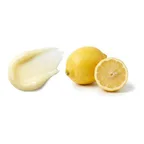 Green Lemon Extract
 Niacinamide
 Glutathione
 Sodium Hyaluronate
High
- HighCombination Skin Fit
- HighEffectiveness
- ExcellentSafety
A great choice for acne-prone skin; a few serums fit it even better.
This fit is calculated for the concerns frequently associated with acne-prone skin: breakouts, blackheads, and post-acne marks. For scores and recommendations based on your full skin profile, including your 12D face scan results and any goals or preferences you have, please use the Lovi app.
Updated How the Fit score works
Lovi Assistant explains
- This serum offers excellent brightening and evening of skin tone for your combination skin, as sodium ascorbyl phosphate and niacinamide work effectively to reduce blemishes and breakouts. Beta-glucan and niacinamide also provide soothing benefits, complementing the seboregulating properties of sodium ascorbyl phosphate for your skin type. The formulation is safe for your skin, containing no harsh ingredients and including calming agents like beta-glucan and allantoin.
How to apply
- Use your serum as part of your PM routine and start 3x/week before working up to daily use.
- Apply this treatment after cleansing and toner, and before your moisturizer.
- Gently press 2-3 drops of the serum into your skin and let it absorb for a minute.
- Apply the product on clean, dry skin to help manage your breakouts safely.
- Avoid the eye area and do a patch test before your first use.
People Say
★4.3Overall rating based on 400+ reviewsUsers report significant skin brightening and a reduction in dark spots and hyperpigmentation, with many seeing results within a few weeks. The product is noted for improving skin texture and providing a hydrating, glowing finish. A major drawback is the product's instability, leading to rapid oxidation and a short shelf life, often requiring refrigeration. Many also find the texture sticky and the scent unpleasant.
Highlights
Brightens skin Mostly Mentioned
- “visible reduction in dark spots”
- “skin tone is much fairer”
- “noticeably brighter and clearer complexion”
Rapid oxidation Mostly Mentioned
- “oxidizes pretty quickly”
- “change in colour after 1 month”
- “only has 3 months shelf life”
Sticky texture Often Mentioned
- “texture is relatively richer and stickier”
- “feels slightly sticky after application”
- “adheres to skin but feels thin”
Fast results Sometimes Noted
- “difference after just 2 weeks”
- “worked its magic over a short period”
- “immediate results”
Hydrating glow Sometimes Noted
- “gives healthy skin and glow”
- “leaves everything feeling hydrated”
- “glass skin effect”
Improves texture Sometimes Noted
- “pores around my nose are smaller”
- “skin feels so smooth”
- “lifting effect on sagging skin”
Inconvenient storage Sometimes Noted
- “troublesome to use -> need to refrigerate”
- “refrigerating it is a pain”
- “hard to remember to put back”
Unpleasant scent Sometimes Noted
- “smells like rotten orange”
- “iconic metallic scent”
- “bitter smell than normal lemon”
Potential irritation Rarely Noted
- “felt my skin getting worse”
- “tingling sensation”
- “acne marks got darker”
Sources: lovi.care, iherb.com, stylekorean.com, skinsort.com, hikoco.co.nz, yesstyle.com, and more
Questions and answers
What makes Anua Green Lemon Vita C Blemish Serum a great fit for acne-prone skin?
This serum is a great fit for your acne-prone skin because ingredients like sodium ascorbyl phosphate and niacinamide help reduce breakouts while brightening dark spots. It also includes soothing agents like beta-glucan and allantoin, making the formula safe and gentle without harsh irritants.
International Journal of Cosmetic Science, 2009Drug Research, 2017
Which ingredients make this serum a good fit for acne-prone skin?
This serum is a great fit for acne-prone skin because ingredients like sodium ascorbyl phosphate and niacinamide help reduce breakouts and balance oil, while soothing agents like beta-glucan and allantoin keep your skin calm and safe from irritation.
International Journal of Cosmetic Science, 2009Drug Research, 2017
What does Vitamin C do for acne-prone skin?
Vitamin C helps clear up inflammatory breakouts and reduces acne spots when used consistently. It works by targeting acne-causing factors and calming the skin to make it look smoother and more even.
International Journal of Cosmetic Science, 2009Journal of Cosmetic Dermatology, 2010
What does Green Lemon Extract do for acne-prone skin?
Green Lemon Extract helps calm acne-prone skin because it has natural antimicrobial properties that fight acne-causing bacteria and reduce swelling. It is unlikely to cause irritation when used properly, though citrus ingredients may sometimes trigger sensitivity in some people.
Journal of Microbiology and Biotechnology, 2025The Analyst, 2026
Where does this serum go in a skincare routine for acne-prone skin?
This treatment goes in the evening routine after cleansing and before moisturizing, keeping it simple and safe around sun exposure. It is unlikely to cause irritation on acne-prone skin because it avoids harsh ingredients and includes calming agents.
Can I use this serum with retinol, and in what order?
Use them and retinol apart: in different sessions of the same day or on different days. Both ingredients are active, so separating them helps keep acne-prone skin calm and balanced.
How often should I use this serum?
This serum is a great fit for your acne-prone skin, and you can apply it in the evening as part of your routine. Some active serums like this one may also be used in the morning or twice a day once your skin gets used to it.
Can this serum clog pores, cause breakouts or purging for acne-prone skin?
This serum is a great fit for acne-prone skin because ingredients like sodium ascorbyl phosphate and niacinamide help reduce breakouts and control excess oil. It also includes calming agents like beta-glucan and allantoin, making it very safe and unlikely to irritate your skin or cause purging.
International Journal of Cosmetic Science, 2009Drug Research, 2017
What the research says
Topical combination of 5% sodium ascorbyl phosphate and 0.2% retinol reduced inflammatory acne lesions by 29.28% at 4 weeks and 63.10% at 8 weeks, outperforming either agent alone.
International Journal of Cosmetic Science, 2009Combined ascorbyl palmitate and sodium ascorbyl phosphate treatment significantly reduced facial sebum secretions in healthy female volunteers compared to a placebo control over 90 days.
Drug Research, 2017Niacinamide significantly decreased hyperpigmentation and increased skin lightness compared with vehicle alone after 4 weeks of use in women by inhibiting melanosome transfer.
The British Journal of Dermatology, 2002Topical application of 5% vitamin C cream significantly improved global clinical scores, increased skin microrelief density, and induced elastic tissue repair in photoaged skin compared to excipient control in healthy female volunteers.
Experimental Dermatology, 2003Topical application of VC-IP cream twice daily for 8 weeks reduces periorbital wrinkles in female subjects compared to a placebo cream.
Journal of Cosmetic Dermatology, 2022Topical treatment with 5% vitamin C and 0.1% madecassoside significantly improved clinical scores for wrinkles, suppleness, firmness, roughness, and skin hydration, along with functional and structural remodeling of the elastic fiber network in 20 female volunteers with photoaged skin after 6 months compared to baseline.
Experimental Dermatology, 2008Incorporation of Citrus limon var. pompia rind extract into phospholipid vesicles, particularly glycerol containing hyalurosomes, prevented oxidative damage and death while promoting viability in skin keratinocytes and fibroblasts.
International Journal of Pharmaceutics, 2016Topical nicotinamide prevented solar-simulated UV-induced immunosuppression in healthy volunteers, and men experienced immunosuppression at solar-simulated UV doses three times lower than those required for women.
The Journal of Investigative Dermatology, 2008Topical 5% niacinamide applied twice daily for 12 weeks reduced fine lines and wrinkles, hyperpigmented spots, red blotchiness, and skin sallowness, and improved skin elasticity compared to vehicle control in 50 female white subjects with facial photoaging.
Dermatologic Surgery, 2005Topical 2% niacinamide significantly decreased sebum excretion rate in Japanese individuals and casual sebum levels in Caucasian individuals compared to placebo or baseline.
Journal of Cosmetic and Laser Therapy, 2006Glutathione amino acid precursors effectively increase cellular glutathione levels, reducing oxidative stress, ATP depletion, and DNA damage in human keratinocytes, clinical subjects, and ex vivo skin compared to controls.
Journal of the European Academy of Dermatology and Venereology, 2024Topical oxidized glutathione significantly decreases the skin melanin index and improves moisture content, smoothness, wrinkle formation, and elasticity compared to placebo in healthy women.
Clinical, Cosmetic and Investigational Dermatology, 2014Topical glutathione improves hyperpigmentation, reduces ultraviolet-induced erythema and wrinkles, decreases transepidermal water loss, and enhances antioxidant capacity.
The Journal of Clinical and Aesthetic Dermatology, 2025Topical application of 0.1% hyaluronic acid formulations of different molecular weights led to significant improvements in skin hydration and elasticity, with low-molecular-weight formulations also significantly reducing wrinkle depth in seventy-six female subjects compared to a vehicle control.
Journal of Drugs in Dermatology, 2011Topical hyaluronic acid serum used twice daily by 40 females with facial photoaging produced an immediate 134% increase in skin hydration, a sustained 55% increase at week 6, and significant improvements in smoothness, plumping, fine lines, wrinkles, and global appearance without causing irritation.
Dermatology and Therapy, 2021A topical antioxidant serum significantly reduced air pollution-induced skin pigmentation and proinflammatory gene expression ex vivo, and improved skin aging signs in 40 healthy adult females after 90 days of daily use.
Journal of Cosmetic Dermatology, 2022
Ingredients
Propanediol, Butylene Glycol, Dipropylene Glycol, Cyclopentasiloxane, 1,2-Hexanediol, Cyclohexasiloxane, Sodium Hydroxide, C12-14 Alketh-12, Alpha-Bisabolol, Sodium Polyacryloyldimethyl Taurate, Water, Polyacrylate Crosspolymer-6, Dimethicone Vinyl Dimethicone Crosspolymer, Xanthan Gum, Ethylhexylglycerin, Allantoin, Glycerin, Glutathione, Citrus Aurantium Dulcis Oil Flower, Litsea Cubeba Oil Fruit, Adenosine, Grapefruit Peel Oil, Disodium Edta, Bergamot Oil Fruit, Spearmint Oil Leaf, Tocopherol, Ferulic Acid, Barosma Betulina Leaf Extract, N-Butyl Alcohol, Hydrogenated Lecithin, Polyglyceryl-10 Stearate, Sorbitol, Panthenol, Beta-Glucan, Sodium Hyaluronate, Sodium Ascorbyl Phosphate, Caprylic Capric Triglyceride, Helianthus Annuus Seed Oil Sunflower Seed Oil, Sucrose Stearate, Glyceryl Stearates, Beta-Carotene, Sodium Hyaluronate Crosspolymer, Niacinamide, Hydrolyzed Sodium Hyaluronate, Hydrolyzed Hyaluronic Acid, Thioctic Acid, Lycopodium Clavatum Extract, Equisetum Arvense Extract, Sodium Acetylated Hyaluronate, Pyridoxine, Hydroxypropyltrimonium Hyaluronate, Folic Acid, Biotin, Ceramide Np, Ubiquinone, Cyanocobalamin, Thiamine Hcl, Riboflavin, Linoleic Acid, Hesperidin, Ergothioneine, Limonene, Linalool, Citral
Behind this fit score
Lovi calculates every fit score from the full ingredient list with brand-independent rules our dermatologists and cosmetic chemists build and review, and personalizes every pick with AI trained on the real results of millions of users. Lovi trains its fit score models on a proprietary dataset built from more than 10,000 expert-labeled products and more than 100,000 simulated examples, following an internally consistent methodology presented at Cosmoprof, AMWC, and Skin of Color Update.
-

Co-founder, Medical Director
Cosmetic chemist, cosmetologist, aesthetic products developer
-

Co-founder, CEO and CTO
PhD in computer science, 3x US patent holder, ex-Google, ex-Yandex
-

Dr. Sofía Perea Pérez, MD, MSc
Medical Board
Aesthetic medicine practitioner, MSc in Longevity and Anti-Aging Medicine
-

Medical Board
Specialist dermatologist, MBBS, MD, IFAAD
-

Medical Board
Cosmetic chemist, SCS, IFSCC member
-

Medical Board, Medical Advisor
Dermatology MD
-

Elina Nazarenko, MD
Medical Board
Dermatology and diagnostic consultant
-

Victoria Derkova, MS
Medical Board
Cosmetic chemist, cosmetic development technologist


How does it fit your skin?
Scan your face, then any product: Lovi shows how well it fits you and what fits even better.