
Aēsop Parsley Seed Facial Cleanser for oily acne-prone skin

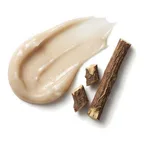 Licorice Root
 Lactic Acid
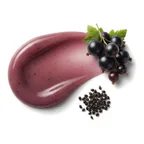 Ribes Nigrum Seed Oil
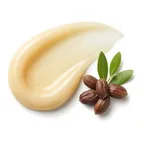 Jojoba Seed Oil
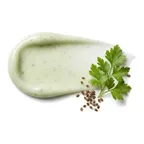 Parsley Seed Oil
Average
- HighOily Skin Fit
- AverageEffectiveness
- HighSafety
Works for oily acne-prone skin; other cleansers fit it better.
This fit is calculated for the concerns frequently associated with oily acne-prone skin: shine, breakouts, blemishes, and enlarged pores. For scores and recommendations based on your full skin profile, including your 12D face scan results and any goals or preferences you have, please use the Lovi app.
Updated How the Fit score works
Lovi Assistant explains
- Offers moderate cleansing for your oily skin due to coco-betaine and lactic acid, which help remove impurities and provide mild exfoliation.
- While glycerin and chamomile oil offer soothing benefits, the formula lacks specialized ingredients to directly target your concerns of acne, blemishes, and breakouts.
- The product is generally safe for your skin, with no significant irritation risks identified.
How to apply
- Use this cleanser as part of your AM and PM routine. Start using it daily to help clear your breakouts.
- Apply this cleanser as the first step in the morning and right after your pre-cleanser in the evening. Follow it with your toner and moisturizer.
- Gently massage a small amount of the cleanser onto your face using circular motions. Rinse thoroughly with lukewarm water and pat dry.
- Apply the cleanser on slightly damp skin to help clean deeply and remove excess oil. This works best for oily skin types.
- Avoid the sensitive eye area during application. Do a patch test before your first use.
People Say
★4.3Overall rating based on 600+ reviewsThis cleanser is highly praised for its gentle and effective cleansing, leaving skin feeling soft and refreshed, particularly beneficial for combination, oily, or sensitive skin types. It is noted as a good option for a morning cleanse or as a second step in a routine, though it may not be sufficient for removing heavy makeup and some users find it can be slightly drying. The product's high price point and polarizing scent are also frequently mentioned drawbacks.
Highlights
Gentle cleansing Often Mentioned
- “Leaves my face feeling soft after cleansing.”
- “Cleanses the skin well without any gross/sticky/greasy residue.”
- “Gentle on the skin but it is a shame it is so expensive.”
Non-stripping formula Often Mentioned
- “Will not remove makeup—which is exactly what you want for a gentle morning wash.”
- “Doesn't feel like it's stripping my skin at all.”
- “Does not cause the skin to feel or look dry.”
Expensive product Often Mentioned
- “The price is quite high for the amount you get.”
- “Expensive. But the price is more than a bit off-putting.”
- “It is a shame it is so expensive.”
Improves skin Sometimes Noted
- “I used to have severe flaking... but after using this product, it's disappeared.”
- “My skin absolutely glows after using this.”
- “Kept my problem skin in check.”
Refreshing scent Sometimes Noted
- “Soft herbal scent that feels fresh and floral.”
- “I love the scent—herbal refreshing and invigorating.”
- “Lovely calming smell.”
Packaging issues Sometimes Noted
- “The downside is the pump.”
- “Does not come with a pump.”
- “Glass bottle... makes it that much heavier, and more importantly, that much more fragile.”
Poor makeup removal Sometimes Noted
- “I found this doesn't effectively remove makeup.”
- “Not great at removing eye make-up.”
- “Not the most thorough cleanser on its own.”
Unpleasant scent Rarely Noted
- “Nasty smell... would not buy again.”
- “The scent was too strong for a cleanser.”
- “A peculiar, subtle licorice-like scent.”
Sources: lovi.care, hwahae.com, spacenk.com, whatsinmyjar.com, youtube.com, thevelvetlife.com, and more
Questions and answers
How well does Aēsop Parsley Seed Facial Cleanser work for oily acne-prone skin?
This cleanser provides moderate washing for your oily skin, but it lacks ingredients to directly target breakouts. A cleanser for this skin needs soothing and effective ingredients like Niacinamide, Ceramides, Probiotics, and Salicylic Acid to balance oil and clear blemishes without irritation.
Which ingredients make this cleanser a good fit for oily acne-prone skin?
Coco-betaine and lactic acid help clean oily skin and gently exfoliate, while jojoba seed oil may help improve acne-prone skin. This skin needs a cleanser with ingredients like Niacinamide, Ceramides, Salicylic Acid, or Probiotics to better target breakouts and balance oil production.
What does Licorice Root Extract do for oily acne-prone skin?
Licorice root extract helps calm redness and swelling on oily, acne-prone skin while easing irritation. This ingredient has a very good safety profile for keeping sensitive and breakout-prone skin comfortable and balanced.
The Journal of Dermatological Treatment, 2003Archives of Dermatological Research, 2006
What does Lactic Acid do for oily acne-prone skin?
Lactic acid helps clear skin eruptions and control excess oil on oily, acne-prone skin. It lowers skin growth and manages breakouts.
Healthcare, 2022Indian Journal of Dermatology, Venereology and Leprology, 2002
Where does this cleanser go in a skincare routine for oily acne-prone skin?
This cleanser goes in your morning and evening routine to help remove impurities and provide mild exfoliation. However, since it lacks specialized ingredients to directly target breakouts, oily acne-prone skin needs a cleanser that includes targeted blemish-fighting ingredients.
Can I use this cleanser with retinol, and in what order?
You can use this cleanser with retinol by applying the cleanser first on your oily skin and following it with your retinol treatment. This cleanser is generally safe to use in the routine, but because it lacks specialized ingredients to target acne and breakouts, oily acne-prone skin needs a cleanser that includes blemish-fighting and soothing ingredients like salicylic acid and niacinamide.
How often should I use this cleanser?
You can use this cleanser twice a day in the morning and evening as part of your daily routine. It helps remove impurities and gently clears the skin, though oily acne-prone skin also needs specialized ingredients that directly target breakouts and blemishes.
Can this cleanser clog pores, cause breakouts or purging for oily acne-prone skin?
This cleanser is unlikely to clog pores or cause purging, but it may not help clear up breakouts because it lacks targeted ingredients for acne. Oily acne-prone skin needs cleansers with specialized blemish-fighting ingredients and deep-cleansing properties to truly keep pores clear.
Can I use this cleanser around the eyes or on my body?
You can use this cleanser on your body, but you should keep it away from the thin skin around your eyes to prevent irritation. While the formula cleanses well, cleansers for this skin need gentle, soothing ingredients and specialized blemish-fighting agents to properly care for acne-prone areas.
Is this cleanser fragrance-free and alcohol-free?
It has no drying alcohol and contains fragrance (benzyl alcohol, linalool, and d-limonene).
What the research says
Combining 755 nm alexandrite laser with topical licorice gel significantly reduces terminal hair counts compared to alexandrite laser with placebo in women with idiopathic hirsutism.
Evidence-based Complementary and Alternative Medicine, 2015Licochalcone A activated Nrf2 signaling, elevated cytoprotective enzymes, increased the reduced-to-oxidized glutathione ratio, and decreased reactive oxygen species in human fibroblasts and neutrophils, while a LicA-rich licorice extract lowered UVA-induced oxidative processes in vivo.
Experimental Dermatology, 2015Mesoporous silica nanoparticles entrapping licorice polysaccharide and coated with polydopamine showed 76% entrapment efficiency, 89% in vitro release at pH 5, increased sebocytes' cellular uptake, and mediated inflammatory response by inhibiting pro-inflammatory cytokines and regulating anti-inflammatory cytokines.
Carbohydrate Polymers, 2024Application of a cream containing lactic acid 12% and pramoxine HCl 1% significantly improved skin dryness, hydration, and itch compared with a nontreated control in 24 women with a history of dry itchy skin.
Cutis, 2004A lactic acid/ceramide lotion significantly improved skin moisturization and desquamation compared to no treatment in women with dry, rough skin on the anterior shins.
The Journal of Clinical and Aesthetic Dermatology, 2020Treatment with 12% lactic acid increased epidermal and dermal firmness and thickness and improved skin smoothness and wrinkles compared to baseline, whereas 5% lactic acid induced clinical and epidermal changes without dermal changes.
Journal of the American Academy of Dermatology, 1996Multiple applications of blackcurrant seed oil successfully impregnated the stratum corneum of human dry skin, combining its essential and other fatty acids with endogenous lipids to potentially enhance protective effects.
International Journal of Cosmetic Science, 1988Topical formulations containing 3.75% glycerol and 1.25% hydrolyzed jojoba esters produced significantly lower evaporative TEWL values compared to glycerol alone at 8 and 24 hours posttreatment in human subjects.
Journal of Cosmetic Dermatology, 2008Topical application of 1.0% Lactobacillus ferment from jojoba cake significantly increased skin collagen fluorescence compared to baseline and placebo cream over 56 days in 46 individuals.
International Journal of Cosmetic Science, 2026Clay jojoba oil facial masks reduced total skin lesions by a mean of 54% after 6 weeks in 133 participants with acne-prone, lesioned skin and mild acne compared to baseline.
Forschende Komplementarmedizin, 2012
Why other cleansers fit oily acne-prone skin better
Co-delivery of paeonol and madecassoside via nanoemulsions improved transdermal delivery, promoted barrier repair proteins, inhibited inflammatory cytokine secretion in cellular and 3D models, and reduced transepidermal water loss and acne in human facial skin compared to free components.
Molecules, 2023
Ingredients
Water, Sodium Laureth Sulfate, Olive Peg-7 Esters Oil, Sodium Peg-7 Olive Carboxylate Oil, Coco-Betaine, Potassium Lactate, Peg-120 Methyl Glucose Dioleate, Sodium Citrate, Lactic Acid, Lavandula Angustifolia Oil Lavender Oil, Glycerin, Jojoba Seed Oil, Ribes Nigrum Seed Oil, Ormenis Multicaulis Oil, Chamomilla Recutita Oil Flower Matricaria Oil Flower, Glycyrrhiza Glabra Root Extract Licorice Root Extract, Parsley Seed Oil, Methylchloroisothiazolinone, Methylisothiazolinone, Benzyl Alcohol, Sodium Benzoate, Potassium Sorbate, Linalool, D-Limonene
Behind this fit score
Lovi calculates every fit score from the full ingredient list with brand-independent rules our dermatologists and cosmetic chemists build and review, and personalizes every pick with AI trained on the real results of millions of users. Lovi trains its fit score models on a proprietary dataset built from more than 10,000 expert-labeled products and more than 100,000 simulated examples, following an internally consistent methodology presented at Cosmoprof, AMWC, and Skin of Color Update.
-

Co-founder, Medical Director
Cosmetic chemist, cosmetologist, aesthetic products developer
-

Co-founder, CEO and CTO
PhD in computer science, 3x US patent holder, ex-Google, ex-Yandex
-

Dr. Sofía Perea Pérez, MD, MSc
Medical Board
Aesthetic medicine practitioner, MSc in Longevity and Anti-Aging Medicine
-

Medical Board
Specialist dermatologist, MBBS, MD, IFAAD
-

Medical Board
Cosmetic chemist, SCS, IFSCC member
-

Medical Board, Medical Advisor
Dermatology MD
-

Elina Nazarenko, MD
Medical Board
Dermatology and diagnostic consultant
-

Victoria Derkova, MS
Medical Board
Cosmetic chemist, cosmetic development technologist


How does it fit your skin?
Scan your face, then any product: Lovi shows how well it fits you and what fits even better.