APLB Glutathione Niacinamide Sunscreen for acne-prone skin

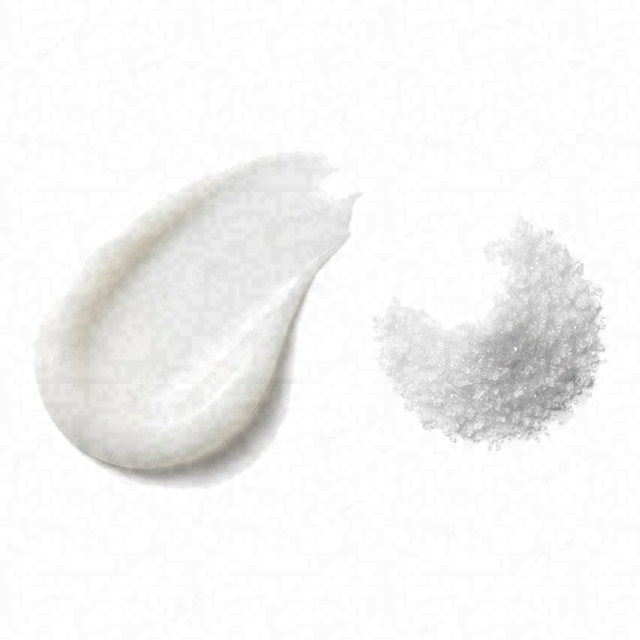 Glutathione
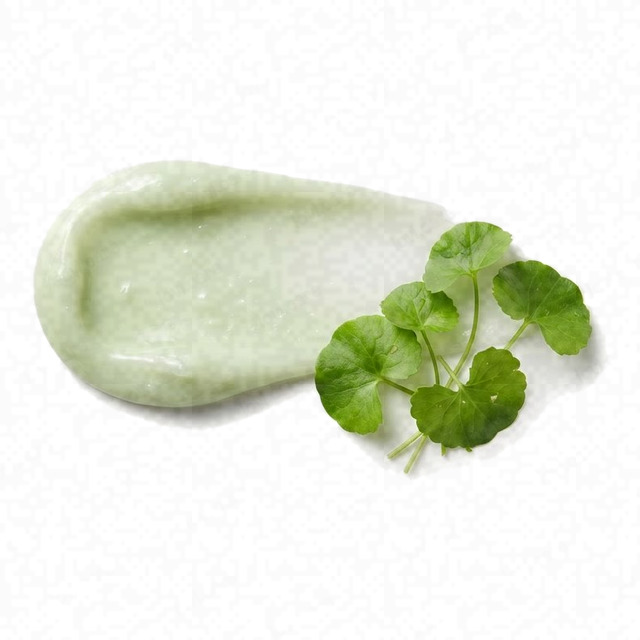 Madecassoside
 Squalane
Average
- HighCombination Skin Fit
- AverageEffectiveness
- HighSafety
Works for acne-prone skin; other sunscreens fit it better.
- Indian Journal of Dermatology, Venereology and Leprology, 2007
- Clinical, Cosmetic and Investigational Dermatology, 2014
This fit is calculated for the concerns frequently associated with acne-prone skin: breakouts, blackheads, and post-acne marks. For scores and recommendations based on your full skin profile, including your 12D face scan results and any goals or preferences you have, please use the Lovi app.
Page built Nov 8, 2026How the Fit score works
Lovi Assistant explains
- Offers moderate benefits for your combination skin, as niacinamide and glutathione help regulate melanogenesis and provide antioxidant activity, while Melaleuca Alternifolia Tree Extract and Centella Asiatica Extract offer mild anti-inflammatory effects supportive for acne-prone skin.
- The formula provides excellent sun protection with Ethylhexyl Methoxycinnamate and Octocrylene, which is beneficial for overall skin health.
- The safety profile is excellent, with no risks of irritation for your combination skin due to the absence of prohibited or harsh ingredients.
How to apply
- Apply this moisturizing sunscreen AM every morning as the final step of your daily routine.
- Layer the moisturizing sunscreen after your moisturizer has fully absorbed, right before heading out into the sun .
- Smooth a nickel-sized amount of the moisturizing sunscreen evenly over your face, avoiding harsh rubbing.
- Apply the moisturizing sunscreen onto clean, dry skin to ensure even coverage and protection.
- Perform a patch test before first use and avoid direct contact with the eyes.
People Say
★4.7Overall rating based on 1.4k+ reviewsBased on a very large amount of data, users with sensitive and combination skin frequently praise this chemical sunscreen for its lightweight, lotion-like texture that absorbs quickly without stinging the eyes. While the inclusion of Glutathione and Niacinamide is highlighted for potential brightening effects over time, the immediate consensus focuses on its comfortable, moisturizing finish that leaves no white cast, though some find the 40ml tube smaller than average.
Highlights
Lightweight texture Mostly Mentioned
- “feels like a light moisturizer”
- “absorbs in seconds”
- “weightless on skin”
- “not sticky at all”
No white cast Mostly Mentioned
- “leaves no white cast”
- “finish is totally transparent”
- “blends like your own skin”
- “no white film”
Non-irritating Often Mentioned
- “doesn't sting my eyes”
- “calmed my redness”
- “no irritation on sensitive skin”
- “gentle formula”
Moisturizing finish Sometimes Noted
- “leaves a healthy glow”
- “moisturizing without stickiness”
- “skin feels hydrated”
- “good base for makeup”
Small volume Sometimes Noted
- “size seems small”
- “wish it came in a bigger bottle”
- “finished it in a month”
- “tube feels a bit empty”
Limited hydration Rarely Noted
- “dry skin may need something richer”
- “lightly hydrating but not enough for winter”
- “need a cream underneath”
Shiny finish Rarely Noted
- “a bit too glowy for me”
- “initially shiny”
- “takes a moment to absorb fully”
- “prefer a matte finish”
Sources: lovi.care, iherb.com, stylevana.com, yesstyle.com, reddit.com, youtube.com, and more
Questions and answers
How well does APLB Glutathione Niacinamide Sunscreen work for acne-prone skin?
APLB Glutathione Niacinamide Sunscreen works moderately well for acne-prone skin, offering sun protection and mild soothing effects, though other sunscreens fit this skin type better. A product of this type needs lightweight hydration that does not cause excess oiliness, alongside ingredients like ceramides and centella asiatica to calm breakouts and balance the skin.
Molecules, 2023Indian Journal of Dermatology, Venereology and Leprology, 2007
Which ingredients make this sunscreen a good fit for acne-prone skin?
This sunscreen fits acne-prone skin thanks to tea tree extract, madecassoside, and glutathione, which help calm breakouts and soothe the skin. To work best for this skin type, products of this type need soothing and balancing ingredients like centella asiatica and niacinamide that provide lightweight hydration without clogging pores.
Indian Journal of Dermatology, Venereology and Leprology, 2007Clinical, Cosmetic and Investigational Dermatology, 2014
What does Glutathione do for acne-prone skin?
Glutathione helps protect acne-prone skin against everyday environmental stress and oxidation. This ingredient is unlikely to clear breakouts on its own, so acne-prone skin needs a product that also targets pores, calms redness, and balances oil with ingredients like salicylic acid or niacinamide.
Journal of the European Academy of Dermatology and Venereology, 2024
What does Madecassoside do for acne-prone skin?
Madecassoside helps acne-prone skin by calming redness, reducing acne breakouts, and repairing the skin barrier to keep it healthy. It may also lower water loss and soothe irritation when used consistently in your routine.
Where does this sunscreen go in a skincare routine for acne-prone skin?
This moisturizing sunscreen goes last in your morning routine, right after your moisturizer. Acne-prone skin works best with sunscreens that include lightweight hydrators, antioxidants, and soothing plant extracts to help keep pores clear and calm.
International Journal of Cosmetic Science, 2020Indian Journal of Dermatology, Venereology and Leprology, 2007
Can I use this sunscreen with retinol, and in what order?
You can use this sunscreen in the morning after your moisturizer, while saving your retinol for your evening routine. This sunscreen is unlikely to irritate your skin, though acne-prone skin generally does better with lightweight, oil-free formulas that include soothing ingredients and gentle exfoliants to help keep pores clear.
How often should I use this sunscreen?
You can use this sunscreen every morning as the final step of your morning routine to protect your skin from the sun. To better support acne-prone skin, a sunscreen of this type needs lightweight hydration, soothing plant extracts, and gentle ingredients that do not clog pores.
Can this sunscreen clog pores, cause breakouts or purging for acne-prone skin?
This sunscreen is unlikely to cause breakouts or irritation on acne-prone skin because it has a very safe formula without harsh ingredients, though other products may fit your skin better. To care for acne-prone skin well, a sunscreen of this type needs calming plant extracts and lightweight hydrators that soothe redness and keep pores clear.
Indian Journal of Dermatology, Venereology and Leprology, 2007Molecules, 2023
Is this sunscreen fragrance-free and alcohol-free?
Yes, it has no fragrance and no drying alcohol. Stearyl alcohol and cetearyl alcohol are fatty alcohols, which soften the skin.
What the research says
Topical 5% tea tree oil gel significantly improved total acne lesions and acne severity index compared to placebo in 60 patients with mild to moderate acne vulgaris, showing 3.55 times and 5.75 times greater efficacy respectively.
Indian Journal of Dermatology, Venereology and Leprology, 2007Topical oxidized glutathione significantly decreases the skin melanin index and improves moisture content, smoothness, wrinkle formation, and elasticity compared to placebo in healthy women.
Clinical, Cosmetic and Investigational Dermatology, 2014Co-delivery of paeonol and madecassoside via nanoemulsions improved transdermal delivery, promoted barrier repair proteins, inhibited inflammatory cytokine secretion in cellular and 3D models, and reduced transepidermal water loss and acne in human facial skin compared to free components.
Molecules, 2023Liposomal encapsulation of octyl methoxycinnamate increases its safety, skin affinity, and in vivo solar photoprotection factor while slowing its release and enhancing retention in the stratum corneum compared to a conventional formulation.
International Journal of Nanomedicine, 2013The application of a sunscreen formulation containing ethylhexyl methoxycinnamate, ethylhexyl salicylate, methyl anthranilate, and octocrylene does not significantly affect critical acne-related species such as Cutibacterium acnes and Staphylococcus epidermidis, refuting the induction of facial dysbiosis in men.
Archives of Dermatological Research, 2024Glutathione amino acid precursors effectively increase cellular glutathione levels, reducing oxidative stress, ATP depletion, and DNA damage in human keratinocytes, clinical subjects, and ex vivo skin compared to controls.
Journal of the European Academy of Dermatology and Venereology, 2024Topical glutathione improves hyperpigmentation, reduces ultraviolet-induced erythema and wrinkles, decreases transepidermal water loss, and enhances antioxidant capacity.
The Journal of Clinical and Aesthetic Dermatology, 2025RayGel reduced skin reaction severity with a lower average score of 93.7 compared to 123.3 for the placebo group in patients undergoing whole breast external-beam irradiation.
American Journal of Surgery, 2005Topical application of 0.05% w/w ECa 233 gel reduced erythema index by 0.03 U and improved early crusting and general wound appearance compared to placebo in thirty individuals undergoing facial laser resurfacing.
Journal of Alternative and Complementary Medicine, 2020A single application of a moisturizing fluid containing hyaluronic acid 1%, glycerin 5%, and Centella asiatica stem cells extract significantly increased skin hydration by 29% and reduced transepidermal water loss at 24 hours compared to baseline and an untreated control site in twenty healthy women.
Clinical, Cosmetic and Investigational Dermatology, 2017Moisturizer containing 5% panthenol, madecassoside, and copper-zinc-manganese decreased adverse reactions and downtime after ablative fractional carbon dioxide laser resurfacing with comparable efficacy to 0.02% triamcinolone acetonide cream in 20 subjects.
Journal of Cosmetic Dermatology, 2019Squalane at 0.005-0.015% counteracts UVA-induced oxidative stress, inflammation, and collagen metabolism inhibition while stimulating fibroblast migration in human dermal fibroblasts.
Molecules, 2025Plant-derived squalane protected human dermal fibroblasts against UVA-induced damage by counteracting ROS formation, suppressing apoptosis-related proteins p53, caspase-3, caspase-9, and PARP, and restoring the pro-survival p-Akt/mTOR pathway.
Antioxidants, 2025
Ingredients
Water, Ethylhexyl Methoxycinnamate, Butylene Glycol, Ethylhexyl Salicylate, Octocrylene, Bis-Ethylhexyloxyphenol Methoxyphenyl Triazine, Butyl Methoxydibenzoylmethane, Dipropylene Glycol, Squalane, C14-22 Alcohols, 1,2-Hexanediol, Polyglyceryl-2 Stearate, Propanediol, Hydroxyacetophenone, Glyceryl Stearate, Stearyl Alcohol, C12-20 Alkyl Glucoside, Tromethamine, Carbomer, Melaleuca Alternifolia Tree Extract, Hippophae Rhamnoides Fruit Extract, Vitis Vinifera Fruit Extract Grape Fruit Extract, Acrylates C10-30 Alkyl Acrylate Crosspolymer, Uncaria Sinensis Extract, Glycerin, Adenosine, Disodium Edta, Rice Bran Extract, Hydrogenated Phosphatidylcholine, Caprylic Capric Triglyceride, Sodium Hyaluronate, Glucose, Hydrolyzed Collagen, Sucrose Stearate, Glutathione, Cyclodextrin, Cetearyl Alcohol, Caprylyl Glycol, Beta-Glucan, Caprylhydroxamic Acid, Ethylhexylglycerin, Asiatic Acid, Asiaticoside, Madecassic Acid, Madecassoside, Tropolone, Potassium Hyaluronate
Behind this fit score
Lovi calculates every fit score from the full ingredient list with brand-independent rules our dermatologists and cosmetic chemists build and review, and personalizes every pick with AI trained on the real results of millions of users. Lovi trains its fit score models on a proprietary dataset built from more than 10,000 expert-labeled products and more than 100,000 simulated examples, following an internally consistent methodology presented at Cosmoprof, AMWC, and Skin of Color Update.
-

Co-founder, Medical Director
Cosmetic chemist, cosmetologist, aesthetic products developer
-

Co-founder, CEO and CTO
PhD in computer science, 3x US patent holder, ex-Google, ex-Yandex
-

Dr. Sofía Perea Pérez, MD, MSc
Medical Board
Aesthetic medicine practitioner, MSc in Longevity and Anti-Aging Medicine
-

Medical Board
Specialist dermatologist, MBBS, MD, IFAAD
-

Medical Board
Cosmetic chemist, SCS, IFSCC member
-

Medical Board, Medical Advisor
Dermatology MD
-

Elina Nazarenko, MD
Medical Board
Dermatology and diagnostic consultant
-

Victoria Derkova, MS
Medical Board
Cosmetic chemist, cosmetic development technologist


How does it fit your skin?
Scan your face, then any product: Lovi shows how well it fits you and what fits even better.