SU:M37 Bright Award Enzyme Powder Wash for acne-prone skin

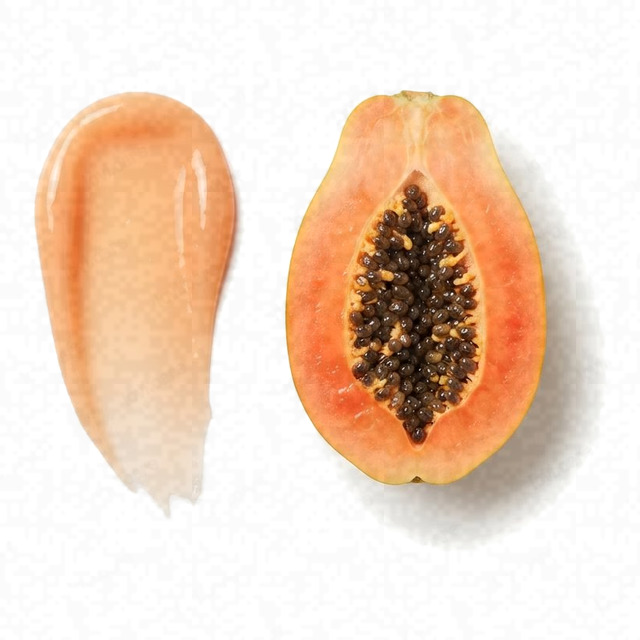 Papain
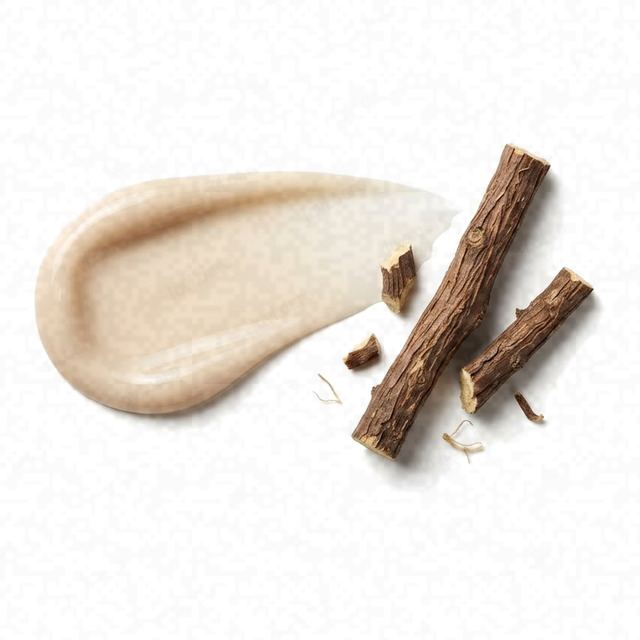 Licorice Root Extract
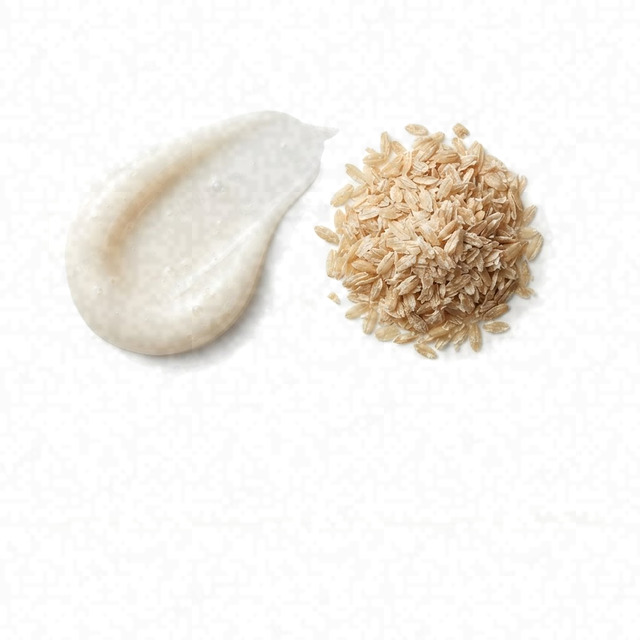 Rice Bran Extract
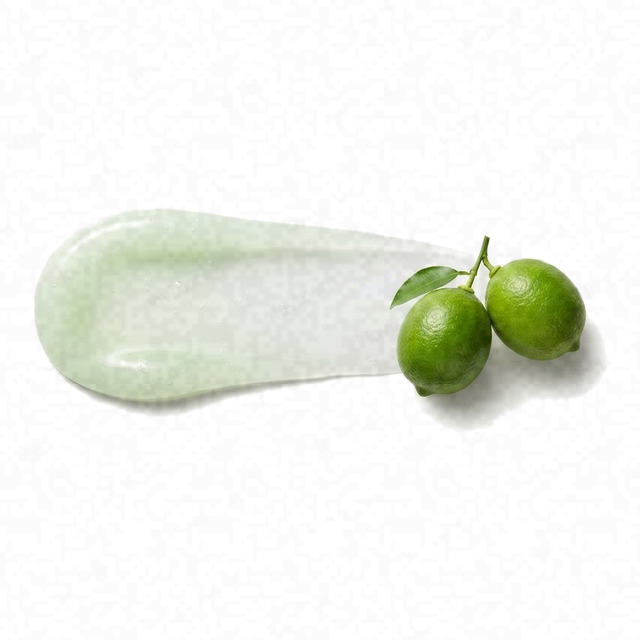 Citrus Aurantifolia Oil Fruit
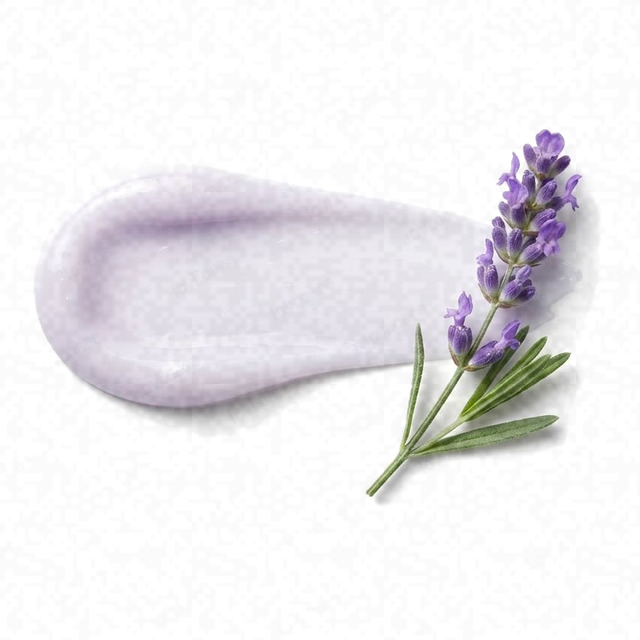 Lavender Oil
Average
- AverageCombination Skin Fit
- AverageEffectiveness
- HighSafety
Works for acne-prone skin; other products fit it better.
This fit is calculated for the concerns frequently associated with acne-prone skin: breakouts, blackheads, and post-acne marks. For scores and recommendations based on your full skin profile, including your 12D face scan results and any goals or preferences you have, please use the Lovi app.
Page built Nov 8, 2026How the Fit score works
Lovi Assistant explains
- Offers moderate exfoliation for your combination skin, with papain and carica papaya fruit extract providing mild enzymatic action to smooth texture, but lacking sufficient ingredients to fully address acne, blemishes, and breakouts.
- The presence of willow bark extract offers some salicylic exfoliation, yet the formula could benefit from more potent sebum-regulating and hydrating components for optimal results on combination skin.
- The product is safe for your acne-prone skin, as it contains no harsh or prohibited ingredients that would cause irritation.
How to apply
- Use your enzyme powder cleanser as part of your PM weekly routine. Start by using it once a week and build up slowly if your skin is happy.
- Place this step after your regular cleanser and before applying your hydrating toner. Follow the weekly routine order for the best results.
- Mix the powder with a little water in your hands to create a soft foam. Gently massage onto your face and avoid rubbing too hard.
- Apply the enzyme powder cleanser on slightly damp skin to help activate the formula evenly. Make sure your face is clean before applying.
- Avoid the sensitive eye area during application. Do a patch test first and do not combine this with strong acids on the same night.
People Say
★4.5Overall rating based on 100+ reviewsThis enzyme powder cleanser is celebrated for its ability to gently exfoliate and brighten the complexion without stripping the moisture barrier, making it suitable for most skin types including sensitive skin. Users consistently report a luxurious experience with a rich lather that leaves skin feeling exceptionally smooth, polished, and radiant, though the high price point and individual packaging divide opinion.
Highlights
Travel-friendly packaging Mostly Mentioned
- “perfect for travel”
- “hygienic single-use packets”
- “convenient to carry”
Gentle exfoliation Often Mentioned
- “skin feels silky smooth”
- “removes dead skin cells gently”
- “no stinging or redness”
Rich lather Often Mentioned
- “poofy foam”
- “luxurious creamy texture”
- “creates a ton of lather”
High price Often Mentioned
- “wickedly high price”
- “splurge item”
- “too expensive for daily use”
Brightening effect Sometimes Noted
- “glow up is REAL”
- “skin looks noticeably clearer”
- “brightening effect is visible”
Pleasant scent Sometimes Noted
- “smells like lemon custard”
- “heavenly scent”
- “fresh and clean smell”
Packaging waste Sometimes Noted
- “packets are hard to tear”
- “too much product for one use”
- “wasteful packaging”
Ingredient concerns Rarely Noted
- “contains SLS”
- “papain caused irritation”
- “ingredients not clean enough”
Potential drying Rarely Noted
- “skin felt tight after”
- “dried out my face”
- “need moisturizer immediately”
Scent dislike Rarely Noted
- “smells like laundry detergent”
- “scent is too strong”
- “prefer unscented”
Sources: lovi.care, yesstyle.com, stylevana.com, reddit.com, hwahae.co.kr, snowwhiteandthepear.blogspot.com, and more
Questions and answers
How well does SU:M37 Enzyme Powder Wash work for acne-prone skin?
SU:M37 Bright Award Enzyme Powder Wash works moderately well for acne-prone skin, smoothing texture with papaya enzymes and willow bark extract while safely avoiding irritation. However, it lacks sufficient ingredients to fully address breakouts and needs stronger oil-regulating and hydrating components to work best on this skin.
Journal of Cosmetic Dermatology, 2019Giornale Italiano Di Dermatologia E Venereologia, 2015
Which ingredients make this cleanser a good fit for acne-prone skin?
Papain and willow bark extract help smooth texture and provide gentle exfoliation for your acne-prone skin. To best fit this skin, an enzyme powder cleanser of this type needs more potent sebum-regulating ingredients, soothing extracts, and hydrating components.
Journal of Cosmetic Dermatology, 2019Giornale Italiano Di Dermatologia E Venereologia, 2015
What does Papain do for acne-prone skin?
Papain helps clear acne-prone skin by gently removing dead cells and targeting blemishes as part of a targeted treatment gel used daily. However, it may cause mild redness or irritation, and since it can disrupt the skin barrier, acne-prone skin also needs soothing, barrier-repairing ingredients to stay calm and protected.
Giornale Italiano Di Dermatologia E Venereologia, 2015The Journal of Investigative Dermatology, 2015
What does Licorice Root Extract do for acne-prone skin?
Licorice Root Extract helps calm red, irritated skin and soothe breakouts. It also works to fade the dark marks that pimples often leave behind.
Where does this cleanser go in a skincare routine for acne-prone skin?
This cleanser goes in your morning and evening routines as your main cleansing step, and it is also used once a week as an exfoliating powder. It is safe for your acne-prone skin, but an ideal product for this skin would need more potent oil-balancing and hydrating ingredients to fully manage breakouts.
Can I use this cleanser with retinol, and in what order?
You can use this cleanser in the same routine as a retinol, but it is best to use them on different days or times to avoid irritation. Since this powder provides gentle exfoliation, pair it with more potent sebum-regulating and hydrating ingredients to properly care for acne-prone skin.
How often should I use this cleanser?
You can safely use this enzyme powder cleanser once a week to gently smooth your skin, as it is unlikely to cause irritation. If your acne-prone skin handles it well, you may gradually use it more often.
Can this cleanser clog pores, cause breakouts or purging for acne-prone skin?
This cleanser is safe for your acne-prone skin and is unlikely to cause irritation or breakouts. However, because it lacks sufficient blemish-fighting ingredients, acne-prone skin needs a cleanser with stronger oil-controlling components and added hydration for the best results.
Is this cleanser fragrance-free and alcohol-free?
It has no drying alcohol and contains fragrance (citral, citronellol, limonene, geraniol, and linalool).
What the research says
Incorporating 1, 2, and 5 percent papain into starch- and carboxymethyl cellulose-based films preserved proteolytic and skin exfoliation activity while improving mechanical properties and water solubility compared to control films, with immobilized enzyme maintaining stability for up to 90 days.
International Journal of Biological Macromolecules, 2023A botanical face cleanser with hops and willow bark extract continuously reduced skin sebum levels without reactive seborrhea after treatment in 21 healthy volunteers compared to a sodium laureth sulfate cleanser, with neither cleanser causing skin irritation.
Journal of Cosmetic Dermatology, 2019A fixed combination of hydroxypinacolone retinoate, retinol glycospheres, and papain glycospheres in aqueous gel applied once daily for 12 weeks achieved a 41% mean reduction in GAGS score and a 40.8% mean reduction in total lesions, with 15.3% of patients experiencing mild to moderate local side effects, in 94 evaluable patients with comedonal-papular, mild to moderate acne of the face.
Giornale Italiano Di Dermatologia E Venereologia, 2015Chemical peels using 35% glycolic acid, 20% salicylic-10% mandelic acid, and phytic acid reduce acne scores by 70.55%, 74.14%, and 69.7% respectively, and significantly decline the postacne hyperpigmentation index in Asian patients with mild to moderate acne.
Journal of Cutaneous and Aesthetic Surgery, 2019Topical papain treatment may slightly decrease pain within 30 minutes in humans stung by Chrysaora chinensis compared to placebo.
Wilderness & Environmental Medicine, 2016Reflux extraction of Carica papaya leaves yielded higher antioxidant capacity and superior in vitro wound-healing activities including fibroblast proliferation, cell migration, and collagen synthesis in human skin fibroblasts compared to ultrasonic-assisted extraction and agitation.
Molecules, 2020Carica papaya leaf extracts obtained via supercritical fluid and conventional methods demonstrated antioxidant and cytoprotective effects on skin fibroblasts against oxidative stress, driven by their respective lipophilic and hydrophilic constituents.
Molecules, 2021Combining 755 nm alexandrite laser with topical licorice gel significantly reduces terminal hair counts compared to alexandrite laser with placebo in women with idiopathic hirsutism.
Evidence-based Complementary and Alternative Medicine, 2015Licochalcone A activated Nrf2 signaling, elevated cytoprotective enzymes, increased the reduced-to-oxidized glutathione ratio, and decreased reactive oxygen species in human fibroblasts and neutrophils, while a LicA-rich licorice extract lowered UVA-induced oxidative processes in vivo.
Experimental Dermatology, 2015Bioactive glycyrrhizic acid and oxymatrine ionic liquid self-assembled nanomicelles significantly promoted the transdermal permeation, subcutaneous retention, and anti-photoaging efficacy of palmitoyl pentapeptide-4 in cellular and animal models compared to unformulated peptide.
Advanced Science, 2025Topical gel and cream formulations containing niosomes entrapped with rice bran bioactive compounds improved skin hydration, lightening, thickness, roughness, and elasticity in 30 human volunteers over 28 days compared to baseline.
Pharmaceutical Biology, 2012Gel and cream formulations containing rice bran bioactive compounds entrapped in niosomes increased in vitro antioxidant activity (ORAC values of 20-28 micromol TE/g versus 16-18 micromol TE/g for placebo), enhanced lipid peroxidation inhibition in human sebum by about 1.5 times, and improved in vivo human skin hydration by approximately 3 to 30% depending on the measurement technique.
Journal of Nanoscience and Nanotechnology, 2011Stirring Nukadoko fermented rice bran beds by hand leads to temporary settlement of microorganisms on human skin with quick shedding.
FEMS Microbiology Letters, 2023Polysaccharide-based O/W emulsions incorporated with lavender essential oil applied to cellulosic support are non-irritating, provide softness and moisturizing effects, and are safe for topical patch applications.
International Journal of Biological Macromolecules, 2021Gellan gum hydrogel films co-encapsulating ofloxacin with tea tree or lavender oil achieved 98% wound contraction and completely healed epidermis in rats after ten days of treatment compared to baseline.
International Journal of Biological Macromolecules, 2021Topical application of lavender oil significantly promoted wound contraction, collagen synthesis, and fibroblast differentiation with up-regulation of TGF-beta in a rat model compared to control.
BMC Complementary and Alternative Medicine, 2016
Ingredients
Zea Mays Starch, Lactose, Sodium Lauryl Sulfate, Sodium Cocoyl Glutamate, Tea-Cocoyl Glutamate, Sodium Myristoyl Glutamate, Citrus Aurantifolia Oil Fruit, Sodium Cocoyl Sarcosinate, Allantoin, Papain, Bergamot Oil Fruit, Lavandula Angustifolia Oil Lavender Oil, Glycyrrhiza Glabra Root Extract Licorice Root Extract, Pulsatilla Koreana Extract, Usnea Barbata Extract, Zanthoxylum Piperitum Fruit Extract, Pelargonium Graveolens Oil Flower, Willow Bark Extract, Anthemis Nobilis Oil Flower, Acetylphytosphingosine, Carica Papaya Fruit Extract, Euterpe Oleracea Fruit Extract, Lactobacillus Ferment, Rice Bran Extract, Citral, Citronellol, Limonene, Geraniol, Linalool
Behind this fit score
Lovi calculates every fit score from the full ingredient list with brand-independent rules our dermatologists and cosmetic chemists build and review, and personalizes every pick with AI trained on the real results of millions of users. Lovi trains its fit score models on a proprietary dataset built from more than 10,000 expert-labeled products and more than 100,000 simulated examples, following an internally consistent methodology presented at Cosmoprof, AMWC, and Skin of Color Update.
-

Co-founder, Medical Director
Cosmetic chemist, cosmetologist, aesthetic products developer
-

Co-founder, CEO and CTO
PhD in computer science, 3x US patent holder, ex-Google, ex-Yandex
-

Dr. Sofía Perea Pérez, MD, MSc
Medical Board
Aesthetic medicine practitioner, MSc in Longevity and Anti-Aging Medicine
-

Medical Board
Specialist dermatologist, MBBS, MD, IFAAD
-

Medical Board
Cosmetic chemist, SCS, IFSCC member
-

Medical Board, Medical Advisor
Dermatology MD
-

Elina Nazarenko, MD
Medical Board
Dermatology and diagnostic consultant
-

Victoria Derkova, MS
Medical Board
Cosmetic chemist, cosmetic development technologist


How does it fit your skin?
Scan your face, then any product: Lovi shows how well it fits you and what fits even better.