Neutrogena Sport Face Sunscreen for oily skin

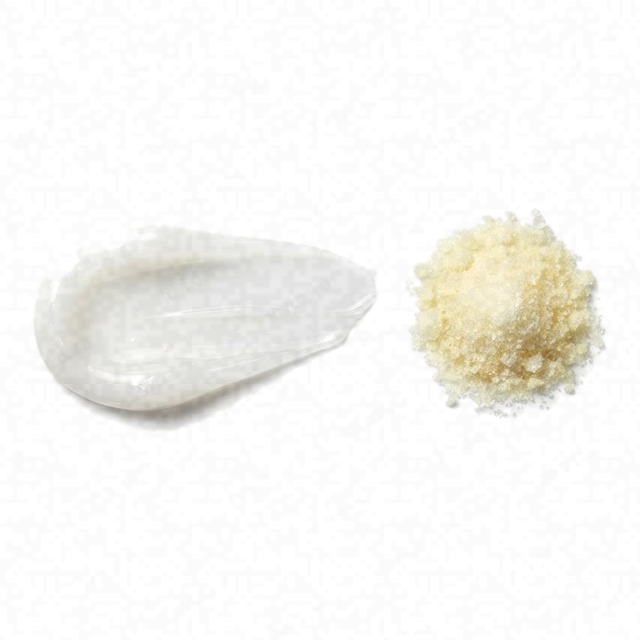 Avobenzone
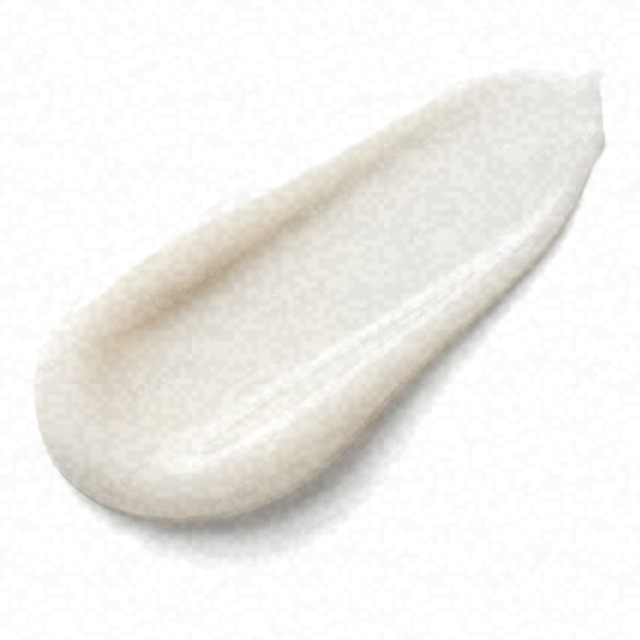 Oxybenzone-Free Formula
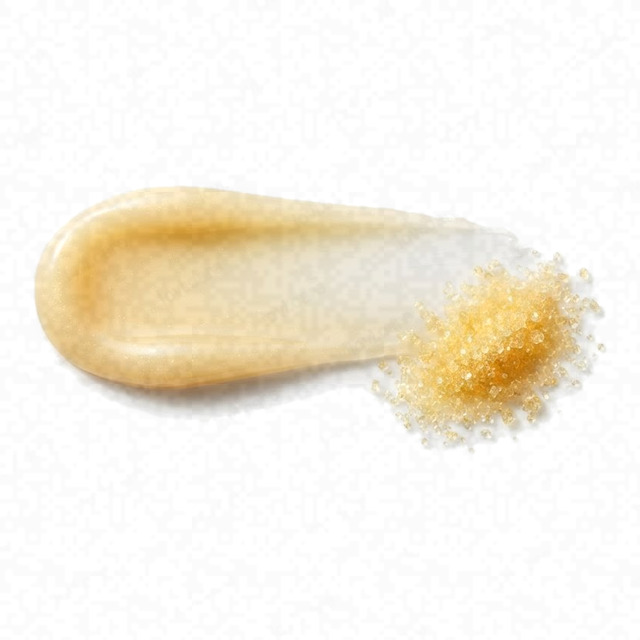 Helioplex
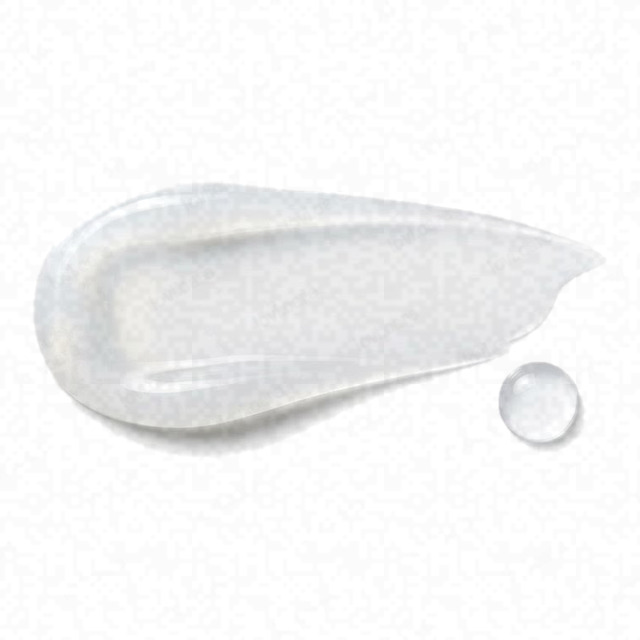 Dimethicone
 Ethylhexylglycerin
Superior
- SuperiorOily Skin Fit
- SuperiorEffectiveness
- ExcellentSafety
One of the best sunscreens for oily skin.
This fit is calculated for the concerns frequently associated with oily skin: shine, enlarged pores, blackheads, and blemishes. For scores and recommendations based on your full skin profile, including your 12D face scan results and any goals or preferences you have, please use the Lovi app.
Page built Nov 8, 2026How the Fit score works
Lovi Assistant explains
- Excellent suitability for your oily skin is achieved through silica, which effectively absorbs excess oil for a mattifying effect, complemented by a formulation that avoids heavy emollients to maintain optimal texture and pH.
- The product offers excellent protection against UV rays due to a high concentration of avobenzone, homosalate, octisalate, octocrylene, and oxybenzone, while also providing moderate benefits for oily shine.
- The safety profile is excellent, with no risks of irritation for your oily skin due to the absence of harsh ingredients and the inclusion of soothing agents like Phenoxyethanol.
How to apply
- Apply this sunscreen during your AM routine every single day. Reapply every two hours if you are staying outdoors.
- Apply the sunscreen as the final step of your morning skincare routine after your moisturizer. Allow your moisturizer to absorb fully before putting it on.
- Squeeze a generous amount and pat it gently all over your face and neck. Avoid rubbing the product harshly into your skin.
- Apply the sunscreen directly onto dry skin to ensure it forms an even and protective layer against the sun.
- Avoid getting the product directly into your eyes and stop using it if any irritation occurs.
People Say
★4.4Overall rating based on 1.5k+ reviewsBased on a very large amount of data, this sunscreen is highly praised for its sweat-resistant, non-greasy formula that works well for active individuals and those with oily or combination skin. Some users with sensitive or acne-prone skin reported that it can clog pores and cause breakouts, and a few noted a slight white cast.
Highlights
Lightweight and non-greasy Mostly Mentioned
- “did NOT leave my skin feeling oily or greasy”
- “feels light, completely non-greasy”
- “doesn't leave a greasy residue”
- “super lightweight and has very good coverage”
Sweat and water resistant Mostly Mentioned
- “stayed on through sweat and water”
- “does not budge, even through an intense hour-long run”
- “stays on better than most I've tried”
- “resists wear off from water, rubbing, sweating”
Blends well Sometimes Noted
- “Goes on easily under makeup”
- “blends well into my skin”
- “layers well underneath makeup”
- “does not leave any residue behind”
Causes breakouts Sometimes Noted
- “tends to clog my pores”
- “sunscreens clog my pores and cause breakouts”
- “loved everything about it except the fact it somehow broke me out”
- “Non Greasy, But Breaks me out?”
Leaves white cast Rarely Noted
- “some users noted a slight white cast”
- “issues with white cast and uneven blending”
- “uneven blending on the skin”
- “noted a slight white cast”
Skin irritation Rarely Noted
- “Allergic reaction”
- “experienced irritation”
- “doesn't agree with my sensitive skin”
- “react to certain sunscreens that contain harsh chemicals”
Sources: lovi.care, neutrogena.com, target.com, walmart.com, homedepot.com, bakersplus.com, and more
Questions and answers
What makes Neutrogena Sport Face Sunscreen one of the best fits for oily skin?
This sunscreen is a great fit for oily skin because silica soaks up extra oil for a matte look without heavy creams. It also protects well against the sun while helping keep oily shine under control and is unlikely to cause irritation.
Which ingredients make this sunscreen a good fit for oily skin?
This sunscreen is a great fit for oily skin because silica soaks up extra oil for a matte look while skipping heavy oils that can clog pores. It also uses soothing ingredients that are unlikely to cause irritation.
International Journal of Pharmaceutics, 2019European Journal of Pharmaceutical Sciences, 2023
What does Avobenzone do for oily skin?
Avobenzone protects outdoor skin from the sun, but for oily skin, it needs to be paired with lightweight hydrators and oil-controlling ingredients to keep skin clear and shine-free.
What does Oxybenzone do for oily skin?
Oxybenzone acts as a chemical sunscreen filter to protect oily skin from UV rays, though it may occasionally feel a bit heavy on some skin types. To work well for oily skin without causing irritation, sunscreens with oxybenzone benefit from being paired with lightweight ingredients like silica to keep the formula non-greasy.
Where does this sunscreen go in a skincare routine for oily skin?
This sunscreen goes in the morning routine as the final step after your cleanser, hydrating toner, and moisturizer. It is well-suited for oily skin because silica absorbs excess oil for a mattifying effect without heavy emollients.
Can I use this sunscreen with retinol, and in what order?
You can use this sunscreen in the morning as the final step after your retinol routine, which is typically applied at night. The formula is lightweight and oil-free, so it is unlikely to clog your pores or feel heavy when layered over your other products.
How often should I use this sunscreen?
You should use this sunscreen every morning as the final step in your daytime skincare routine. It is specially designed with silica to soak up excess oil and keep your skin feeling matte and comfortable all day long.
Can this sunscreen clog pores, cause breakouts or purging for oily skin?
This sunscreen is unlikely to clog pores or cause breakouts because it uses silica to absorb excess oil and avoids heavy ingredients that typically weigh down oily skin. Reviewers do sometimes mention breakouts, and the formula helps protect against UV rays while keeping irritation risks low.
International Journal of Pharmaceutics, 2019European Journal of Pharmaceutical Sciences, 2023
Is this sunscreen fragrance-free and alcohol-free?
Yes, it has no fragrance and no drying alcohol. Behenyl alcohol is a fatty alcohol, which soften the skin.
What the research says
Incorporation of avobenzone and oxybenzone into ordered mesoporous silica SBA-15 significantly reduced their cutaneous penetration and transdermal permeation in porcine skin compared to free filters, while enhancing the sun protection factor by 94%.
International Journal of Pharmaceutics, 2019Solid lipid nanoparticles bearing 5% oxybenzone incorporated into a cream base showed slower drug release, enhanced sun protection factor above 25, and prolonged retention in the stratum corneum compared to a plain cream base containing 5% oxybenzone.
Journal of Microencapsulation, 2010Encapsulating avobenzone in low-porosity TiO2-embedded mesoporous silica (TiO2/SBA-S) reduced cutaneous avobenzone absorption from 0.76 to 0.50 nmol/mg while providing effective pollutant adsorbability, UVA protection, and a two- to three-fold reduction in photoaged skin cytokines/chemokines compared to the non-treatment control.
European Journal of Pharmaceutical Sciences, 2023Topical octenidine dihydrochloride and 2-phenoxyethanol decreased papules and pustules by more than 50% in the majority of patients with mild to moderate inflammatory acne vulgaris.
Acta Dermatovenerologica Alpina, Pannonica, Et Adriatica, 2008Encapsulation of ethylhexyl methoxycinnamate and butyl methoxydibenzoylmethane in lipid microparticles significantly reduced their in vivo human skin penetration compared to nonencapsulated filters.
Skin Pharmacology and Physiology, 2011Microencapsulation of the BMDBM/HP-beta-CD complex in lipid microparticles significantly decreased the percutaneous penetration of the UV filter into the stratum corneum of human volunteers compared to the non-encapsulated sunscreen agent.
Journal of Pharmaceutical and Biomedical Analysis, 2011Following human skin application of an O/W emulsion containing 2% BMDBM loaded in lipospheres, 15% of the sunscreen accumulated in the uppermost layers of the stratum corneum without remarkably modifying skin permeation compared to unencapsulated sunscreen.
Skin Pharmacology and Physiology, 2008Sunscreen products formulated with 1-6% oxybenzone yielded a mean rate of dermal irritation or sensitization of 0.26% and a contact allergy rate of 0.07% in participants from the general population.
Photodermatology, Photoimmunology & Photomedicine, 2008Topical application of sunscreen agents in human volunteers resulted in significant skin penetration of all agents and systemic absorption of oxybenzone and its metabolites.
Journal of Chromatography. B, Analytical Technologies in the Biomedical and Life Sciences, 2004Combined use of the insect repellent DEET and the sunscreen oxybenzone significantly enhanced percutaneous penetration percentages by 36% to 108% and increased their in vivo AUCP/MRT compared to separate applications.
Toxicology and Applied Pharmacology, 2007Wearing an N95 mask alone compared to using dimethicone cream or hydrocolloid dressing caused more adverse skin reactions among 73 military health care workers, with no significant differences in fit test failure rates between groups.
Military Medicine, 2024A dimethicone skin protectant lotion significantly decreased visual scoring and transepidermal water loss compared to vehicle control and SLS-only treated sites in 12 healthy humans exposed to sodium lauryl sulfate.
Skin Research and Technology, 2000Treatment with a moisturizer containing dimethicone and glycerine increased epidermal thickness by 0.019 mm, improved barrier function by decreasing transepidermal water loss by 13%, decreased melanin intensity, and induced keratins 6 and 16 in fifteen women with moderately photoaged forearms.
Clinical and Experimental Dermatology, 2007
Ingredients
Avobenzone, Homosalate, Octisalate, Octocrylene, Oxybenzone, Water, Butyloctyl Salicylate, Styrene Acrylates Copolymer, Silica, Dimethicone, Ethylhexylglycerin, Caprylyl Glycol, Phenoxyethanol, Acrylates Dimethicone Copolymer, Acrylates C12-22 Alkyl Methacrylate Copolymer, Behenyl Alcohol, Cetyl Dimethicone, Disodium Edta, Ethylhexyl Stearate, Glyceryl Stearate, Peg-100 Stearate, Polyester-8, Sodium Polyacrylate, Steareth-21, Triethoxycaprylylsilane, Trimethylsiloxysilicate
Behind this fit score
Lovi calculates every fit score from the full ingredient list with brand-independent rules our dermatologists and cosmetic chemists build and review, and personalizes every pick with AI trained on the real results of millions of users. Lovi trains its fit score models on a proprietary dataset built from more than 10,000 expert-labeled products and more than 100,000 simulated examples, following an internally consistent methodology presented at Cosmoprof, AMWC, and Skin of Color Update.
-

Co-founder, Medical Director
Cosmetic chemist, cosmetologist, aesthetic products developer
-

Co-founder, CEO and CTO
PhD in computer science, 3x US patent holder, ex-Google, ex-Yandex
-

Dr. Sofía Perea Pérez, MD, MSc
Medical Board
Aesthetic medicine practitioner, MSc in Longevity and Anti-Aging Medicine
-

Medical Board
Specialist dermatologist, MBBS, MD, IFAAD
-

Medical Board
Cosmetic chemist, SCS, IFSCC member
-

Medical Board, Medical Advisor
Dermatology MD
-

Elina Nazarenko, MD
Medical Board
Dermatology and diagnostic consultant
-

Victoria Derkova, MS
Medical Board
Cosmetic chemist, cosmetic development technologist


How does it fit your skin?
Scan your face, then any product: Lovi shows how well it fits you and what fits even better.