COSRX Acne Pimple Master Patch for oily acne-prone skin

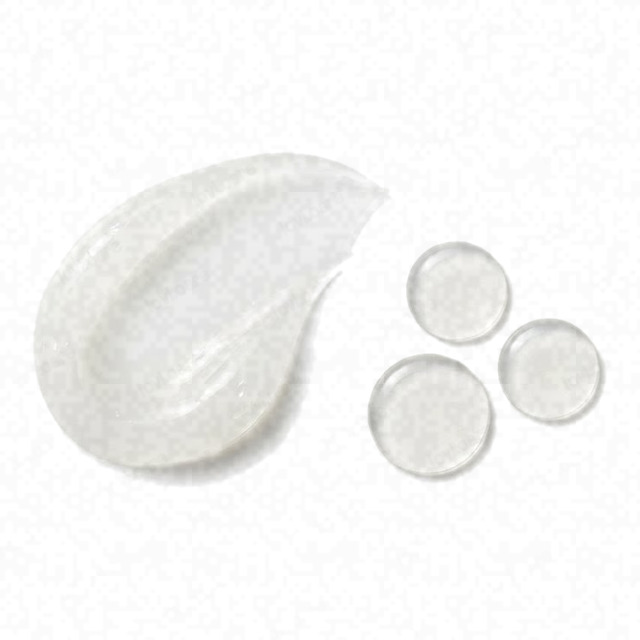 Hydrocolloid Dressing
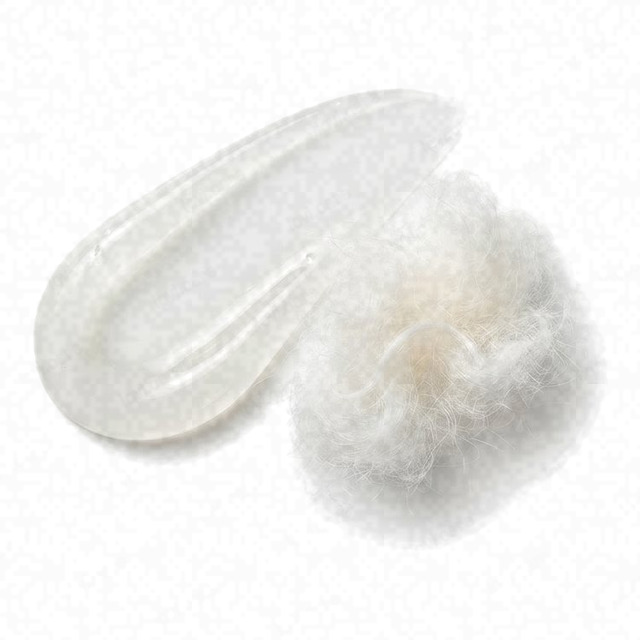 Cellulose Gum
 Salicylic Acid
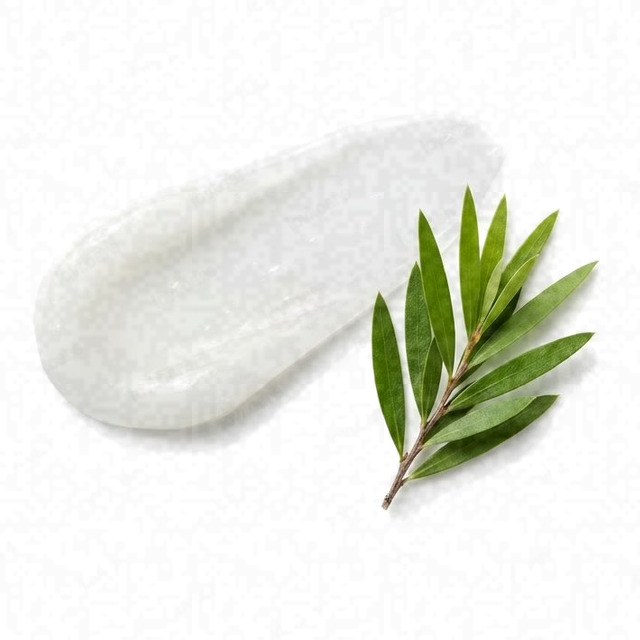 Melaleuca Alternifolia Tree Oil Leaf
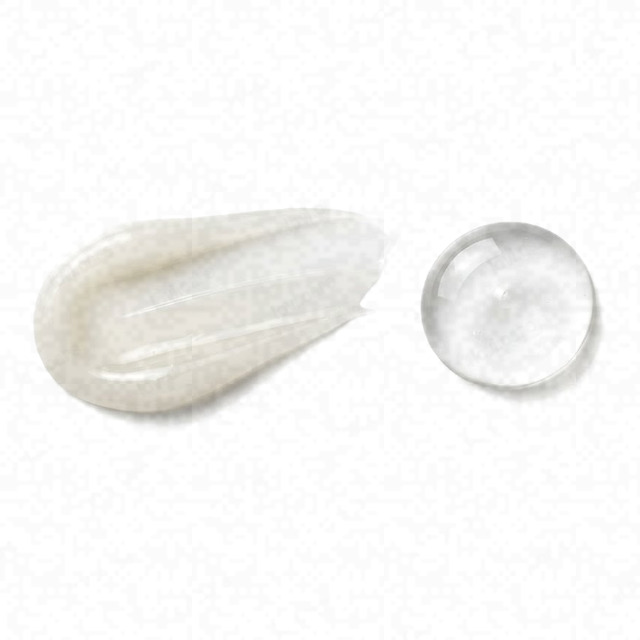 Liquid Paraffin
High
- HighOily Skin Fit
- HighEffectiveness
- HighSafety
A great choice for oily acne-prone skin; a few serums fit it even better.
This fit is calculated for the concerns frequently associated with oily acne-prone skin: shine, breakouts, blemishes, and enlarged pores. For scores and recommendations based on your full skin profile, including your 12D face scan results and any goals or preferences you have, please use the Lovi app.
Page built Nov 8, 2026How the Fit score works
Lovi Assistant explains
- Highly suitable for your oily skin and acne concerns, this product utilizes Polyisobutylene and Styrene Isoprene Styrene Block Copolymer to effectively absorb exudate and protect blemishes.
- Cellulose gum further enhances its functionality by providing a protective barrier and managing oiliness, aligning well with your primary goals.
- The formulation is safe for your skin, with no reported risks of irritation due to the absence of harsh or prohibited ingredients.
How to apply
- Could be used as part of your PM routine. Start 3 times a week and build up to daily use if your skin tolerates it well.
- Apply your serum after cleansing and toning, but before putting on your moisturizer.
- Gently press 2 to 3 drops of the serum into your skin and let it absorb for a minute.
- Apply the serum on clean, dry skin to help manage your blemishes safely.
- Do a patch test before your first use and avoid the delicate eye area.
People Say
★4.5Overall rating based on 110.0k+ reviewsBased on a very large amount of data, this hydrocolloid patch is highly praised for its ability to extract impurities from whiteheads and prevent scarring by discouraging skin picking. It is very effective for surface-level pimples with visible heads, though it is generally reported as ineffective for deep, cystic, or hormonal acne that has not yet surfaced.
Highlights
Extracts gunk effectively Mostly Mentioned
- “Sucked the whitehead right out overnight.”
- “Woke up to see the patch white with absorbed gunk.”
- “Flattened my pimple completely by morning.”
- “Visibly pulls out pus and oil.”
- “Works like magic on ripe whiteheads.”
Prevents skin picking Often Mentioned
- “Stops me from touching and infecting the spot.”
- “Keeps my hands off my face.”
- “Great physical barrier against scratching.”
- “Helps me break the bad habit of popping.”
- “Protects the wound while it heals.”
Speeds up healing Often Mentioned
- “Reduces redness and inflammation significantly.”
- “Pimple healed in half the usual time.”
- “Prevents scabbing and scarring.”
- “Calms angry spots overnight.”
- “Spot was nearly gone after one use.”
Ineffective on cystic acne Often Mentioned
- “Did nothing for my deep, under-the-skin bumps.”
- “Useless on blind pimples without a head.”
- “Wasted a patch on hormonal cystic acne.”
- “Only works if the pimple is already open.”
- “No effect on early-stage, deep blemishes.”
Stays on well Sometimes Noted
- “Stayed on through a whole night of sleep.”
- “Survived a shower without peeling off.”
- “Adheres strongly even on oily skin.”
- “Doesn't budge once applied to dry skin.”
Not truly invisible Sometimes Noted
- “Too thick to wear under makeup.”
- “Visible shiny circle on my face.”
- “Obvious yellow tint against my skin.”
- “Okay for Zoom calls, but not for going out.”
- “Hard to conceal due to thickness.”
Adhesion issues Rarely Noted
- “Peels off if I toss and turn at night.”
- “Won't stick if I have any moisturizer on.”
- “Edges lift up after a few hours.”
- “Slips off easily on very oily areas.”
Sources: lovi.care, iherb.com, amazon.com, ulta.com, sokoglam.com, dermstore.com, and more
Questions and answers
What makes COSRX Acne Pimple Master Patch a great fit for oily acne-prone skin?
This product is a great fit because its special materials effectively soak up fluid and shield blemishes while managing oiliness on your skin. The formulation is safe for your skin, with no reported risks of irritation.
Which ingredients make this patch a good fit for oily acne-prone skin?
This patch is a great fit because polyisobutylene and styrene isoprene styrene block copolymer absorb fluid and protect blemishes, while cellulose gum creates a protective barrier and helps manage oiliness. These ingredients work safely without harsh components that might otherwise upset your skin.
What does Hydrocolloid Dressing do for oily acne-prone skin?
Hydrocolloid Dressing helps calm oily acne-prone skin by reducing redness, oiliness, inflammation, and overall acne severity. It is unlikely to cause irritation and works effectively to protect blemishes while they heal.
What does Cellulose Gum do for oily acne-prone skin?
Cellulose gum is commonly used in skincare to help thicken and stabilize formulas so they feel smooth and easy to apply on oily and acne-prone skin. It is lightweight and is unlikely to clog pores, making it a safe choice for keeping your routine comfortable. This skin type needs oil-free hydrators and gentle pore-clearing ingredients to stay clear and balanced.
Where does this patch go in a skincare routine for oily acne-prone skin?
This patch goes in the evening routine after cleansing and before moisturizing. It is applied directly to blemishes to absorb fluid and protect the skin.
Can I use this patch with retinol, and in what order?
You can use this patch with retinol by applying the patch to clean, dry skin before your retinol product, or directly onto a blemish after your skincare routine has fully absorbed. The patch creates a protective barrier over the spot, helping to absorb fluid while keeping your retinol from irritating the broken skin underneath.
How often should I use this patch?
You can use this treatment in the evening as part of your routine, or whenever you need to protect and cover a blemish. It is unlikely to cause irritation and is a great fit for your oily acne-prone skin.
Can this patch clog pores, cause breakouts or purging for oily acne-prone skin?
This patch is unlikely to clog pores or cause breakouts on oily skin, as it is designed to safely protect blemishes and absorb excess oil without harsh ingredients.
What the research says
A moisturizer containing licochalcone A, 1,2-decanediol, L-carnitine, and salicylic acid significantly reduced noninflammatory, inflammatory, and total acne lesion counts compared to a vehicle control in Thai patients during a 12-week maintenance phase.
BioMed Research International, 2020Twice daily application of a multitargeted dermocosmetic cream provided comparable efficacy to benzoyl peroxide 5% gel in reducing inflammatory, non-inflammatory, and total lesions in 150 Caucasian subjects with mild-to-moderate acne over 56 days, while demonstrating superior skin tolerability.
Journal of Cosmetic Dermatology, 2024The use of a salicylic acid-based dermocosmetic significantly reduces the needed quantity of benzoyl peroxide without impacting efficacy in mild to moderate acne, and as maintenance post-benzoyl peroxide allows a significant reduction of acne relapse compared to vehicle.
Journal of Drugs in Dermatology, 2023Daily application of hydrocolloid dressing completely prevented nasogastric tube-related pressure injuries, whereas skin care interventions showed no significant preventive effect compared to the control group in intensive care unit patients.
Journal of Tissue Viability, 2024Hydration of scars for 2 months resulted in significantly reduced itching, somewhat reduced pain, and increased pliability by 10% for both hydrocolloid dressing and moisturizer treatments in patients with keloids or hypertrophic scars, with no change in physical parameters.
Dermatologic Surgery, 1996Adjunctive hydrocolloid dressing with 0.1% mometasone furoate cream significantly increased treatment efficacy and cost-effectiveness compared to topical steroid alone in patients with moderate to severe lichen simplex chronicus.
Skin Health and Disease, 2023Biocellulose and carboxymethyl cellulose wound dressings significantly reduced healing times and wound areas compared to normal saline dressings in epidermolysis bullosa skin wounds.
Journal of Wound Care, 2019Cross-linked carboxymethyl cellulose hydrogel provided excellent correction of facial defects, high tolerance, and absence of side effects or migration issues in 84 healthy volunteers.
Clinical Interventions in Aging, 2010Polymeric bioadhesive microparticles composed of sodium carboxymethyl cellulose and Soluplus and loaded with 18beta-glycyrrhetinic acid form an in situ hydrogel upon contact with wound exudate, enabling controlled drug release that stimulates keratinocyte growth.
International Journal of Pharmaceutics, 2021Cryotherapy with liquid nitrogen achieved a higher cure rate (39%) than salicylic acid (24%) and a wait-and-see approach (16%) for cutaneous warts at 13 weeks in primary care patients.
CMAJ, 2010Treatment with 2% supramolecular salicylic acid hydrogel resulted in a regression and markedly improvement rate of 51.01% compared to 43.10% for Adapaline gel in patients with mild to moderate facial acne vulgaris, showing no significant difference in efficacy.
Journal of Cosmetic Dermatology, 2024Topical 5% benzoyl peroxide plus salicylic acid achieved the greatest lesion reduction at early 2 to 4 week time points compared to benzoyl peroxide, clindamycin, and combination benzoyl peroxide/clindamycin, while 5% benzoyl peroxide plus salicylic acid and combination benzoyl peroxide/clindamycin showed similar efficacy at 10 to 12 weeks in acne patients.
Journal of the American Academy of Dermatology, 2010A cream combining propolis, tea tree oil, and Aloe vera reduced erythema scars, acne severity index, and total lesion count better than erythromycin cream in sixty patients with mild to moderate acne vulgaris compared to placebo.
Clinical Pharmacology, 2018Tea tree oil nanoemulsion containing adapalene gel demonstrated significantly greater reductions in total, inflammatory, and non-inflammatory acne lesions as well as acne severity index compared to adapalene marketed gel in 100 patients with acne vulgaris over 12 weeks.
Archives of Dermatological Research, 2022Topical 5% tea tree oil gel significantly improved total acne lesions and acne severity index compared to placebo in 60 patients with mild to moderate acne vulgaris, showing 3.55 times and 5.75 times greater efficacy respectively.
Indian Journal of Dermatology, Venereology and Leprology, 2007Repeated application of concentrated water-in-oil emulsions over four weeks caused no skin irritation, positively affected skin properties, and delivered almost 50% of the applied fluorescein sodium, with isopropyl myristate showing superior penetration performance compared to liquid paraffin in healthy volunteers.
International Journal of Pharmaceutics, 2019
Ingredients
Cellulose Gum, Styrene Isoprene Styrene Block Copolymer, Polyisobutylene, Petroleum Resin, Polyurethane Film, Liquid Paraffin, Tetrakis Methane
Behind this fit score
Lovi calculates every fit score from the full ingredient list with brand-independent rules our dermatologists and cosmetic chemists build and review, and personalizes every pick with AI trained on the real results of millions of users. Lovi trains its fit score models on a proprietary dataset built from more than 10,000 expert-labeled products and more than 100,000 simulated examples, following an internally consistent methodology presented at Cosmoprof, AMWC, and Skin of Color Update.
-

Co-founder, Medical Director
Cosmetic chemist, cosmetologist, aesthetic products developer
-

Co-founder, CEO and CTO
PhD in computer science, 3x US patent holder, ex-Google, ex-Yandex
-

Dr. Sofía Perea Pérez, MD, MSc
Medical Board
Aesthetic medicine practitioner, MSc in Longevity and Anti-Aging Medicine
-

Medical Board
Specialist dermatologist, MBBS, MD, IFAAD
-

Medical Board
Cosmetic chemist, SCS, IFSCC member
-

Medical Board, Medical Advisor
Dermatology MD
-

Elina Nazarenko, MD
Medical Board
Dermatology and diagnostic consultant
-

Victoria Derkova, MS
Medical Board
Cosmetic chemist, cosmetic development technologist


How does it fit your skin?
Scan your face, then any product: Lovi shows how well it fits you and what fits even better.