Some By Mi Super Matcha Pore Clean Clay Mask for oily acne-prone skin

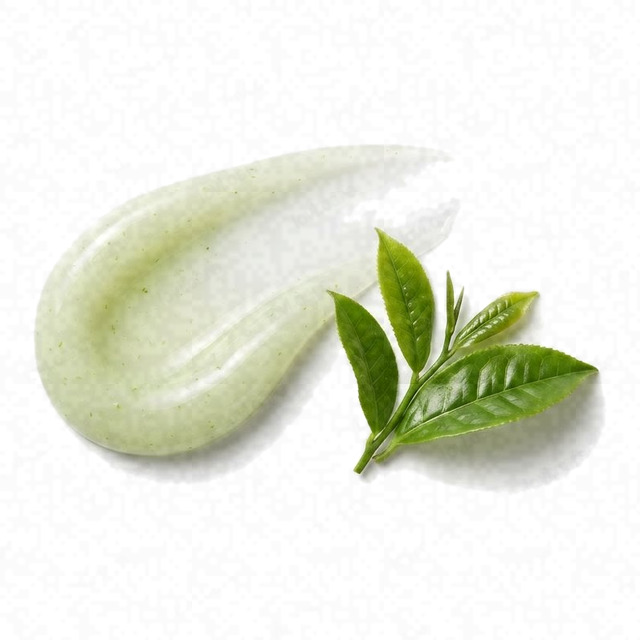 Matcha Green Tea
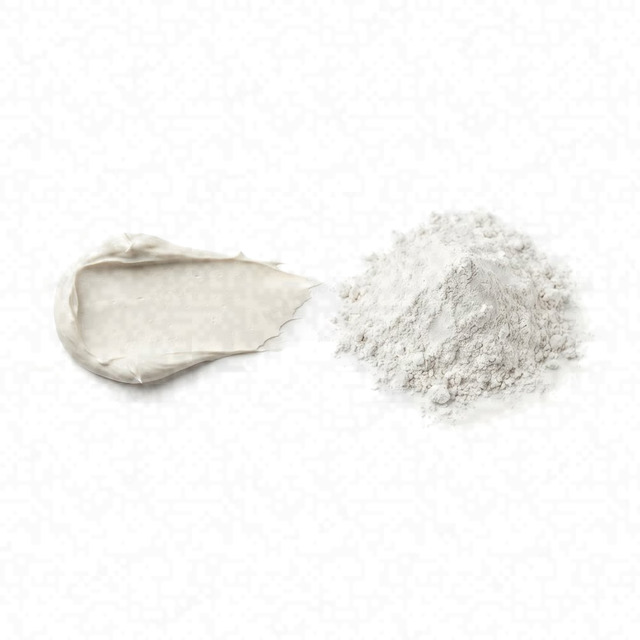 Kaolin
 Glycerin
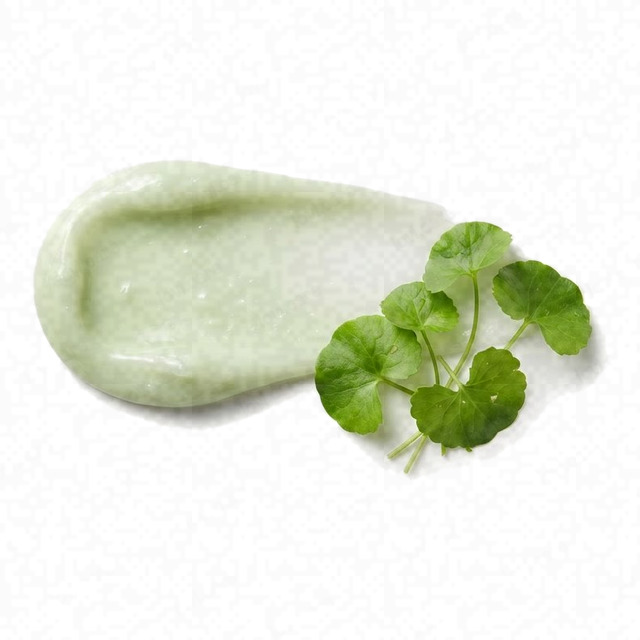 Centella Asiatica Extract
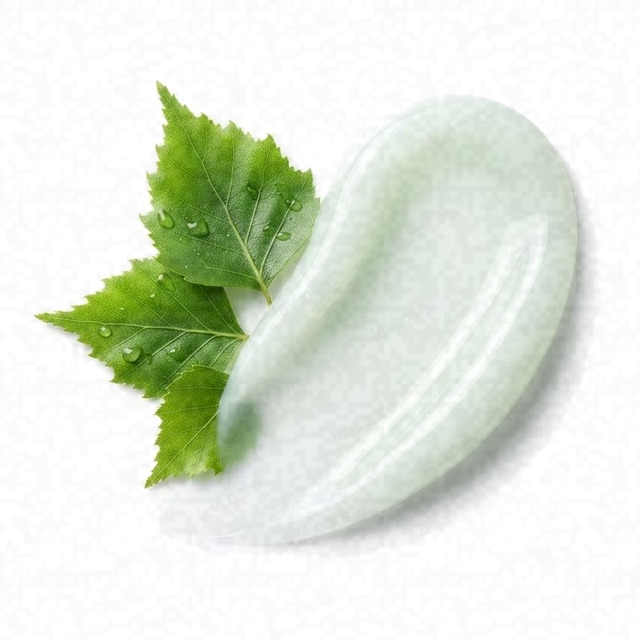 Tree Leaf Water
Average
- SuperiorOily Skin Fit
- AverageEffectiveness
- HighSafety
Works for oily acne-prone skin; other cleansing masks fit it better.
This fit is calculated for the concerns frequently associated with oily acne-prone skin: shine, breakouts, blemishes, and enlarged pores. For scores and recommendations based on your full skin profile, including your 12D face scan results and any goals or preferences you have, please use the Lovi app.
Page built Nov 8, 2026How the Fit score works
Lovi Assistant explains
- Suitable for your oily skin, this mask utilizes bentonite and capryloyl salicylic acid to effectively cleanse pores and absorb excess sebum, addressing your concerns about oiliness.
- While green tea extract and centella asiatica extract offer general soothing benefits, the formula lacks more targeted ingredients to fully combat acne, blemishes, and breakouts.
- The product is safe for your skin, with no reported risks of irritation due to the absence of harsh or prohibited ingredients.
How to apply
- Use your cleansing mask PM as part of your weekly routine. Start 1×/week and increase carefully if your oily skin tolerates it well.
- Apply this step after your enzyme powder and before your hydrating toner. Follow the standard weekly order to keep your skin balanced.
- Spread an even layer of the cleansing mask across your face while avoiding the eye area. Let it sit for the recommended time without rubbing .
- Apply the mask on clean and dry skin for the best purifying effect on your breakouts. Clean skin allows the formula to target blemishes directly.
- Always do a patch test before your first use to check for sensitivity. Avoid combining this mask with strong acids or retinoids in the same routine .
People Say
★4.6Overall rating based on 5.0k+ reviewsBased on a very large amount of data, this clay mask is highly recommended for oily and combination skin, effectively deep cleaning pores and managing sebum without causing dryness. Users frequently praise its creamy texture and soothing components. However, results for persistent blackheads may take time, and individuals with dry or very sensitive skin should exercise caution.
Highlights
Non-drying and gentle Mostly Mentioned
- “doesn't strip dry my skin”
- “no uncomfortable squeaky clean tightness”
- “skin feels soft, not dry”
Effective pore cleansing Often Mentioned
- “pores look smaller”
- “helped reduce my blackheads”
- “skin texture is so much better”
Pleasant texture Often Mentioned
- “spreads soft on my skin”
- “creamy consistency”
- “easy to apply and wash off”
Nice scent Sometimes Noted
- “scent is relaxing”
- “fresh matcha smell”
- “smells like matcha”
Soothing and refreshing Sometimes Noted
- “calmed slight redness”
- “feels refreshing”
- “soothing ingredients like tea tree”
Can be drying Sometimes Noted
- “felt too drying on cheeks”
- “slightly drying during colder seasons”
- “not for overly dry skin”
Mild/Slow results Rarely Noted
- “didn't see anything drastic”
- “didn't provide big changes for acne”
- “results weren't very comforting”
Physical irritation Rarely Noted
- “stings on irritated skin”
- “granules... caution for sensitive skin”
- “caused irritation”
Price point Rarely Noted
- “expensive”
- “pricey for the amount”
- “invest in good... clay masks”
Sources: lovi.care, iherb.com, yesstyle.com, stylekorean.com, gopicky.com, hikoco.co.nz, and more
Questions and answers
How well does Some By Mi Super Matcha Pore Clean Clay Mask work for oily acne-prone skin?
This mask works for your oily skin by using clays and capryloyl salicylic acid to soak up extra oil and clean out pores, but it lacks stronger ingredients to fully clear up breakouts. A cleansing mask for this skin type needs targeted blemish-fighting ingredients like salicylic acid and zinc oxide to control oil and prevent breakouts safely.
Journal of Cosmetic Dermatology, 2025Journal of Cosmetic Dermatology, 2021
Which ingredients make this mask a good fit for oily acne-prone skin?
Bentonite and capryloyl salicylic acid help cleanse pores and absorb excess oil, while green tea extract and centella asiatica extract offer calming benefits. Because it lacks more targeted ingredients to fully combat breakouts, a product of this type needs salicylic acid and niacinamide or zinc oxide for oily acne-prone skin.
What does Matcha Green Tea do for oily acne-prone skin?
Matcha Green Tea helps calm oily, acne-prone skin by reducing skin oil and breakouts. Topical application of its active components can lower inflammation and visibly improve acne lesions over several weeks of use.
What does Kaolin Clay do for oily acne-prone skin?
Kaolin Clay helps oily and acne-prone skin by absorbing excess oil, clearing out pores, and keeping skin feeling smooth and calm. Using it regularly helps improve skin evenness and hydration while keeping dryness and irritation unlikely.
Where does this mask go in a skincare routine for oily acne-prone skin?
This cleansing mask goes in your weekly routine after makeup removal, cleansing, and an enzyme powder, and before a hydrating toner, treatment, and moisturizer. It is unlikely to irritate your skin, though an oily acne-prone skin needs a product of this type that also includes targeted blemish-fighting ingredients to fully clear breakouts.
Can I use this mask with retinol, and in what order?
You can use this mask in your routine, but avoid using it on the same nights you apply retinol to keep your skin calm and prevent irritation. Using this clay mask on a separate evening helps clear out excess oil, while saving retinol for another night gives your skin time to adjust safely.
How often should I use this mask?
This cleansing mask works well for oily skin by soaking up excess oil, but it lacks targeted ingredients to fully combat breakouts. To care for acne-prone skin, a mask of this type needs powerful blemish-fighting ingredients and oil-balancing actives used once a week.
Journal of Cosmetic Dermatology, 2025Journal of Cosmetic Dermatology, 2021
Can this mask clog pores, cause breakouts or purging for oily acne-prone skin?
This mask is unlikely to clog pores or cause breakouts on oily skin because it uses clays and exfoliating acids to clear oil, though it can sometimes feel a bit dry. To better handle breakouts, acne-prone skin needs products with more targeted blemish-fighting ingredients.
Journal of Cosmetic Dermatology, 2025Journal of Cosmetic Dermatology, 2021
Is this mask fragrance-free and alcohol-free?
Yes, it has no fragrance and no drying alcohol.
What the research says
A bentonite-based facial mask with Alcea sulphurea extract combined with oral azithromycin significantly reduced total lesion count and acne severity index while enhancing patient satisfaction in patients with moderate acne compared to placebo plus azithromycin over 8 weeks.
Journal of Cosmetic Dermatology, 2025Daily treatment with a facial serum containing multiple acids reduced post-inflammatory hyperchromia lesion grade and number by 29.4% at 56 days, and decreased skin oiliness by 30.7% at 7 days in Brazilian patients with acne vulgaris.
Journal of Cosmetic Dermatology, 2021An anti-acne hydrogel containing Aloe barbadensis, Garcinia mangostana, and Camellia sinensis extracts showed superior antiacne and antiblotch activities compared to 1% clindamycin gel in sixty subjects with mild-moderate acne.
Clinical, Cosmetic and Investigational Dermatology, 2019Capryloyl salicylic acid peel reduced fine lines, wrinkles, and hyperpigmentation comparably to glycolic acid peel in 44 female volunteers, with no statistically significant differences between the two treatments.
Journal of Cosmetic Dermatology, 2008Topical green tea extract significantly improved clinical symptoms, tear breakup times, and meibomian gland health compared to standard treatment in patients with dry eye and Meibomian Gland Dysfunction.
Journal of Clinical and Diagnostic Research, 2017Topical low-dose green tea extract reduces UVB-induced p53 expression and apoptosis in human skin keratinocytes compared to placebo.
Experimental Dermatology, 2009Topical application of green tea extract encapsulated chitosan microparticles improved skin elasticity, melanin index, and facial wrinkles compared to a placebo in female volunteers without causing skin irritation.
Journal of Cosmetic Dermatology, 2022Vectorization of high molecular weight hyaluronic acid with clay enabled its penetration into deeper skin layers and led to a significant clinical reduction in fine lines in the crow's feet area compared to placebo after 28 days.
Skin Research and Technology, 2024Twice-weekly use of a clay mask over 4 weeks in 75 adults with oily or combination skin improved acne-related outcomes, sebum content, skin evenness, hydration, and reduced dryness and irritation.
Skin Research and Technology, 2023Clay jojoba oil facial masks reduced total skin lesions by a mean of 54% after 6 weeks in 133 participants with acne-prone, lesioned skin and mild acne compared to baseline.
Forschende Komplementarmedizin, 2012A single application of a moisturizing fluid containing hyaluronic acid 1%, glycerin 5%, and Centella asiatica stem cells extract significantly increased skin hydration by 29% and reduced transepidermal water loss at 24 hours compared to baseline and an untreated control site in twenty healthy women.
Clinical, Cosmetic and Investigational Dermatology, 2017The emollient V0034CR significantly reduced TEWL compared to vehicle and vehicle plus glycerol, and significantly increased corneometry scores compared to vehicle and vehicle plus petrolatum in healthy volunteers with dry skin, demonstrating combined barrier function improvement from petrolatum and hydration improvement from glycerol.
Journal of Cosmetic Dermatology, 2020Ten days of treatment with a cream containing 20% glycerin significantly increased skin hydration measured by corneometer values in 17 healthy volunteers compared to a placebo cream, but showed no influence on transepidermal water loss or skin sensitivity to an irritating surfactant.
International Journal of Cosmetic Science, 2001Topical application of 0.05% w/w ECa 233 gel reduced erythema index by 0.03 U and improved early crusting and general wound appearance compared to placebo in thirty individuals undergoing facial laser resurfacing.
Journal of Alternative and Complementary Medicine, 2020Moisturizer containing 5% panthenol, madecassoside, and copper-zinc-manganese decreased adverse reactions and downtime after ablative fractional carbon dioxide laser resurfacing with comparable efficacy to 0.02% triamcinolone acetonide cream in 20 subjects.
Journal of Cosmetic Dermatology, 2019Topical treatment with 5% vitamin C and 0.1% madecassoside significantly improved clinical scores for wrinkles, suppleness, firmness, roughness, and skin hydration, along with functional and structural remodeling of the elastic fiber network in 20 female volunteers with photoaged skin after 6 months compared to baseline.
Experimental Dermatology, 2008
Why other cleansing masks fit oily acne-prone skin better
Biomimetic hyaluronic acid-stabilized zinc oxide nanoparticles selectively inhibited C. acnes, outperformed erythromycin in preclinical acne models, and safely reduced acne lesions and redness in a clinical trial.
Journal of Controlled Release, 2025Topical 0.5% hyaluronic-ZnO nanogel applied twice daily reduced inflammatory-lesion counts by 58% at week four in human subjects compared to baseline without causing erythema.
Biomedicines, 2025
Ingredients
Water, Glycerin, Titanium Dioxide Ci 77891, Bentonite, Magnesium Aluminum Silicate, Caramel, Chamaecyparis Obtusa Leaf Extract, Silica, Camellia Sinensis Leaf, Houttuynia Cordata Powder, Centella Asiatica Extract, Camellia Sinensis Leaf Extract, Willow Bark Extract, Rosa Rugosa Leaf Extract, Melissa Officinalis Leaf Extract, Water Glacier Water, Melaleuca Alternifolia Tree Leaf Water, Water Carbonated Water, Allantoin, Madecassic Acid, Asiaticoside, Asiatic Acid, Capryloyl Salicylic Acid, Butylene Glycol, Caprylyl Glycol, Xanthan Gum, Polyvinyl Alcohol, 1,2-Hexanediol, Benzyl Glycol, Ethylhexylglycerin, Raspberry Ketone
Behind this fit score
Lovi calculates every fit score from the full ingredient list with brand-independent rules our dermatologists and cosmetic chemists build and review, and personalizes every pick with AI trained on the real results of millions of users. Lovi trains its fit score models on a proprietary dataset built from more than 10,000 expert-labeled products and more than 100,000 simulated examples, following an internally consistent methodology presented at Cosmoprof, AMWC, and Skin of Color Update.
-

Co-founder, Medical Director
Cosmetic chemist, cosmetologist, aesthetic products developer
-

Co-founder, CEO and CTO
PhD in computer science, 3x US patent holder, ex-Google, ex-Yandex
-

Dr. Sofía Perea Pérez, MD, MSc
Medical Board
Aesthetic medicine practitioner, MSc in Longevity and Anti-Aging Medicine
-

Medical Board
Specialist dermatologist, MBBS, MD, IFAAD
-

Medical Board
Cosmetic chemist, SCS, IFSCC member
-

Medical Board, Medical Advisor
Dermatology MD
-

Elina Nazarenko, MD
Medical Board
Dermatology and diagnostic consultant
-

Victoria Derkova, MS
Medical Board
Cosmetic chemist, cosmetic development technologist


How does it fit your skin?
Scan your face, then any product: Lovi shows how well it fits you and what fits even better.