Natura Bissé C+C Vitamin Complex for acne-prone skin

 Ascorbic Acid
 Vitamin E
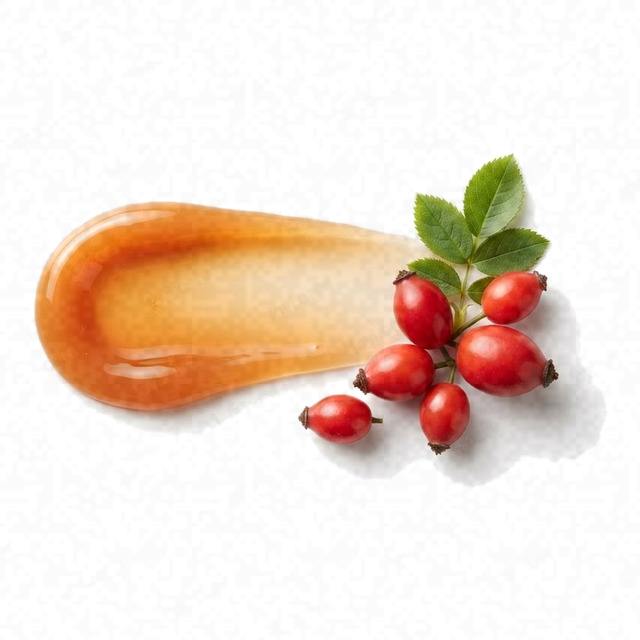 Rosa Canina Oil Fruit
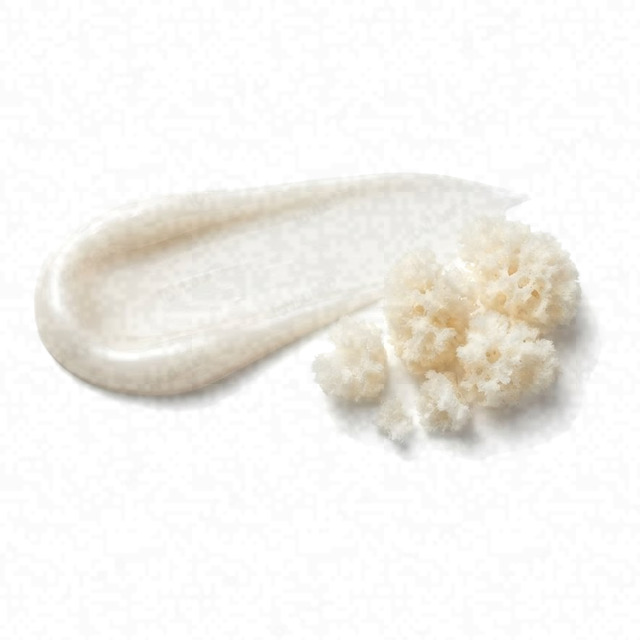 Hydrolyzed Collagen
Low
- HighCombination Skin Fit
- AverageEffectiveness
- Low RiskSafety
A weak match for acne-prone skin; the serums alongside fit it better.
This fit is calculated for the concerns frequently associated with acne-prone skin: breakouts, blackheads, and post-acne marks. For scores and recommendations based on your full skin profile, including your 12D face scan results and any goals or preferences you have, please use the Lovi app.
Page built Nov 8, 2026How the Fit score works
Lovi Assistant explains
- Offers moderate treatment for your combination skin, as Sodium Ascorbyl Phosphate and Tocopheryl Acetate provide antioxidant protection and brightening, but it lacks specialized ingredients for optimal oil control and acne management.
- Hydrolyzed Collagen offers some support for ECM synthesis, contributing to general skincare benefits, but the formula does not sufficiently target your acne, blemishes, and breakouts.
How to apply
- Use your serum as part of your PM routine and start 3x/week before working up to daily use.
- Apply this treatment after cleansing and toner, and before your moisturizer.
- Gently press 2-3 drops of the serum into your skin and let it absorb for a minute.
- Apply the product on clean, dry skin to help manage your breakouts safely.
- Avoid the eye area and do a patch test before your first use.
People Say
★4.5Overall rating based on 100+ reviewsBased on limited data, users consistently praise this serum for its potent brightening abilities, noting that it effectively revitalizes dull, tired-looking skin and improves overall radiance. The lightweight, fast-absorbing texture is a hit, though some users with sensitive skin caution against potential irritation due to the high concentration of Vitamin C and strong citrus fragrance.
Highlights
Brightens dull skin Often Mentioned
- “Instant glow”
- “revitalizes complexion”
- “looks less tired”
- “radiant finish”
High price Often Mentioned
- “Very expensive”
- “pricey investment”
- “luxury cost”
- “wallet hurting”
Lightweight texture Sometimes Noted
- “Absorbs immediately”
- “non-greasy”
- “silky feel”
- “light fluid”
Pleasant scent Sometimes Noted
- “Fresh citrus smell”
- “smells like oranges”
- “uplifting fragrance”
- “energizing scent”
Potential irritation Sometimes Noted
- “Stung slightly”
- “redness on application”
- “too strong for sensitive skin”
- “tingling sensation”
Firming effect Rarely Noted
- “Skin feels tighter”
- “improves elasticity”
- “plumper look”
- “smoother texture”
Availability issues Rarely Noted
- “Hard to find”
- “often out of stock”
- “discontinued in some stores”
- “confusing product name”
Strong fragrance Rarely Noted
- “Scent is overpowering”
- “too much perfume”
- “fragrance lingers”
- “smell is intense”
Sources: lovi.care, nordstrom.com, dermstore.com, bloomingdales.com, influenster.com, whatsinmyjar.com, and more
Questions and answers
Why is Natura Bissé C+C Vitamin Complex a weak match for acne-prone skin?
Natura Bissé C+C Vitamin Complex is a weak match because it lacks specialized ingredients for optimal oil control and acne management. A product of this type needs ingredients like niacinamide, zinc PCA, and propolis to balance acne-prone skin, control oiliness, and provide hydration without irritation.
Which ingredients make this serum a poor fit for acne-prone skin?
This serum is a weak match for acne-prone skin because it lacks specialized ingredients for optimal oil control and breakout management, whereas treatments for this skin need effective ingredients like niacinamide, zinc PCA, and propolis to balance oil and target blemishes.
What does Vitamin C do for acne-prone skin?
Vitamin C helps brighten skin, smooth out uneven tones, and fade dark spots left behind by breakouts. It is also packed with antioxidants that may help protect acne-prone skin from everyday environmental stress.
Journal of Cosmetic Dermatology, 2023Journal of Drugs in Dermatology, 2024
What does Vitamin E do for acne-prone skin?
Vitamin E helps keep acne-prone skin calm and reduces dryness. It is often combined in treatments to help improve skin moisture and support the skin barrier while managing breakouts.
Where does it go in a skincare routine for acne-prone skin?
This treatment goes in the evening routine after cleansing and toning, and before moisturizing. However, this product is a weak match for acne-prone skin because it lacks specialized ingredients for oil control and blemish management. A product for this skin needs oil-controlling agents and targeted blemish-fighting ingredients.
Can I use this serum with retinol, and in what order?
You can use this serum alongside retinol by applying the vitamin C serum in the morning for antioxidant protection and your retinol at night. Because this product is a weak match for your breakouts, acne-prone skin needs a treatment that includes specialized oil control and blemish-clearing ingredients to effectively manage breakouts.
How often should I use it?
This treatment is a weak match for your acne-prone skin, so you should use it only a few times a week in the evening routine. To properly care for this skin type, a product of this type needs specialized oil-controlling and acne-clearing ingredients.
Can this serum clog pores, cause breakouts or purging for acne-prone skin?
This product is a weak match for your skin because it lacks specialized ingredients for optimal oil control and acne management. Acne-prone skin needs lightweight, non-pore-clogging formulas with soothing ingredients and pore-clearing agents to properly manage breakouts.
Is it fragrance-free and alcohol-free?
It has no drying alcohol and contains fragrance (parfum, limonene, and linalool).
What the research says
The tetrapeptide PKEK exerts skin whitening effects by reducing UVB-stimulated mRNA expression of pigmentation-inducing mediators like POMC and tyrosinase, and significantly fades facial pigment spots when combined with sodium ascorbyl phosphate.
Experimental Dermatology, 2012A topical antioxidant serum significantly reduced air pollution-induced skin pigmentation and proinflammatory gene expression ex vivo, and improved skin aging signs in 40 healthy adult females after 90 days of daily use.
Journal of Cosmetic Dermatology, 2022Cod skin collagen peptide/chitosan-based temperature-sensitive gel (CS/CSCPs/β-GP gel) synergistically enhanced the anti-photoaging effect of CSCPs in an ultraviolet-irradiated mouse model by inhibiting ROS, suppressing inflammatory factors, and preventing collagen degradation.
Drug Design, Development and Therapy, 2023Carboxymethyl chitosan grafted with collagen peptide sponges enhanced cell migration and promoted skin regeneration with complete wound healing by day 21 in rabbits.
International Journal of Molecular Sciences, 2019Topical application of 5% vitamin C cream significantly improved global clinical scores, increased skin microrelief density, and induced elastic tissue repair in photoaged skin compared to excipient control in healthy female volunteers.
Experimental Dermatology, 2003Ascorbic acid 2-glucoside gel significantly reduced gingival melanin pigmentation after 4 weeks compared to placebo in 73 subjects with symmetric pigmentation.
Journal of Periodontology, 2009Topical application of VC-IP cream twice daily for 8 weeks reduces periorbital wrinkles in female subjects compared to a placebo cream.
Journal of Cosmetic Dermatology, 2022Topical application of an antioxidant serum containing 15% ascorbic acid, 0.5% ferulic acid, and 1% tocopherol prevented particulate matter-induced degradation of extracellular matrix components, inflammation, and oxidative stress in the skin of 15 female volunteers compared to untreated controls.
Journal of Cosmetic Dermatology, 2025Dermatological products containing d-alpha tocopheryl acetate showed non-comedogenic potential with less than a 50% increase in microcomedones in 12 healthy male subjects compared to octyl palmitate.
Contemporary Clinical Trials Communications, 2021Topical application of an antioxidant mix containing 15% ascorbic acid, 0.5% ferulic acid, and 1% tocopherol prevented PM and UV-induced skin barrier perturbation, lipid peroxidation, inflammatory markers, MMP9 activation, and Type I collagen loss in 15 healthy females compared to untreated exposed skin.
Journal of Cosmetic Dermatology, 2024Topical treatments containing rosehip extract may reduce the size and erythema of postsurgical scars through macrophage polarization and inflammatory cytokine inhibition, though current clinical evidence remains insufficient to recommend its routine use.
Journal of Cosmetic Dermatology, 2024Sunflower and rosehip oil nanoemulsions prepared with a mix of phospholipids and synthetic emulsifiers permeated intact skin to the dermis and showed a more prominent healing effect in a human organotypic skin explant culture wound model compared to nanoemulsions prepared only with phospholipids.
Pharmaceutics, 2023A nanoemulsion containing 1 mg/mL kojic dipalmitate and 5% rosehip oil demonstrated high incorporation efficiency, suitable physicochemical stability, antioxidant and depigmenting efficacy close to 1 mM ascorbic acid, and no cytotoxicity at concentrations from 0.06% to 1% in vitro.
Pharmaceutics, 2023Topical application of TAC/Collagen postbiotics gel improved skin moisture score and inflammation index, and reduced porphyrins and brown spots in 20 volunteers with acne vulgaris.
Journal of Cosmetic Dermatology, 2022Topical collagen tripeptide application improved skin wrinkles, elasticity, and density while reducing advanced glycated end products in 22 Asian women over 4 weeks.
International Journal of Molecular Sciences, 2022Marine collagen extracted from Greenland halibut skin showed a non-cytotoxic effect on fibroblast cells and provided a slight skin hydration effect when incorporated into cosmetic hydrogel formulations at dosages of 0.1, 0.25, and 0.5% in 23 healthy volunteers.
Marine Drugs, 2023
Why other serums fit acne-prone skin better
Topical nicotinamide plus an antibacterial adhesive agent and zinc-pyrrolidone carboxylic acid combined with adapalene significantly reduced noninflammatory acne lesions by the second week of therapy compared to placebo with adapalene in patients with moderate acne vulgaris.
The Journal of Clinical and Aesthetic Dermatology, 2020A cream combining propolis, tea tree oil, and Aloe vera reduced erythema scars, acne severity index, and total lesion count better than erythromycin cream in sixty patients with mild to moderate acne vulgaris compared to placebo.
Clinical Pharmacology, 2018Niacinamide and ferulic acid incorporated in a stable multiple emulsion successfully reduced melanin, sebum, and skin erythema while improving skin elasticity and hydration in human skin compared to a placebo.
BioMed Research International, 2022
Ingredients
Water, Sodium Ascorbyl Phosphate, Sodium Acrylates Copolymer, Propanediol, Glycerin, Hydrogenated Polyisobutene, Rosa Canina Oil Fruit, Hydrolyzed Opuntia Ficus-Indica Flower Extract, Citric Acid, Tocopheryl Acetate, Anogeissus Leiocarpus Bark Extract, Helianthus Annuus Seed Oil Sunflower Seed Oil, Hydrolyzed Collagen, Sodium Chondroitin Sulfate, Prunus Amygdalus Dulcis Oil, Polyglyceryl-10 Stearate, Ethylhexylglycerin, Polysorbate 60, Sorbitan Stearate, Disodium Edta, Tocopherol, Potassium Sorbate, Phenoxyethanol, Parfum, Limonene, Linalool, Citrus Nobilis Oil Mandarin Orange Oil, Citrus Aurantium Dulcis Oil, Amyl Cinnamal, Yellow 5 Ci 19140
Behind this fit score
Lovi calculates every fit score from the full ingredient list with brand-independent rules our dermatologists and cosmetic chemists build and review, and personalizes every pick with AI trained on the real results of millions of users. Lovi trains its fit score models on a proprietary dataset built from more than 10,000 expert-labeled products and more than 100,000 simulated examples, following an internally consistent methodology presented at Cosmoprof, AMWC, and Skin of Color Update.
-

Co-founder, Medical Director
Cosmetic chemist, cosmetologist, aesthetic products developer
-

Co-founder, CEO and CTO
PhD in computer science, 3x US patent holder, ex-Google, ex-Yandex
-

Dr. Sofía Perea Pérez, MD, MSc
Medical Board
Aesthetic medicine practitioner, MSc in Longevity and Anti-Aging Medicine
-

Medical Board
Specialist dermatologist, MBBS, MD, IFAAD
-

Medical Board
Cosmetic chemist, SCS, IFSCC member
-

Medical Board, Medical Advisor
Dermatology MD
-

Elina Nazarenko, MD
Medical Board
Dermatology and diagnostic consultant
-

Victoria Derkova, MS
Medical Board
Cosmetic chemist, cosmetic development technologist


How does it fit your skin?
Scan your face, then any product: Lovi shows how well it fits you and what fits even better.