Murad Rapid Resurfacing Peel for oily acne-prone skin

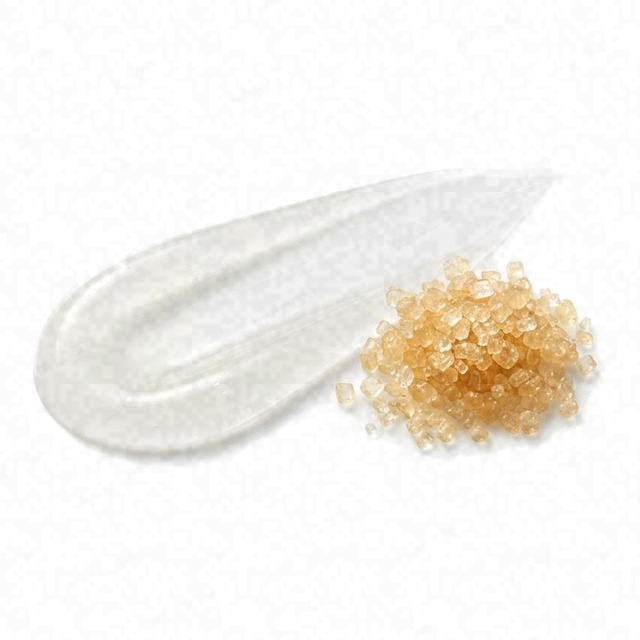 Glycolic Acid
 Ascorbic Acid
 Glycerin
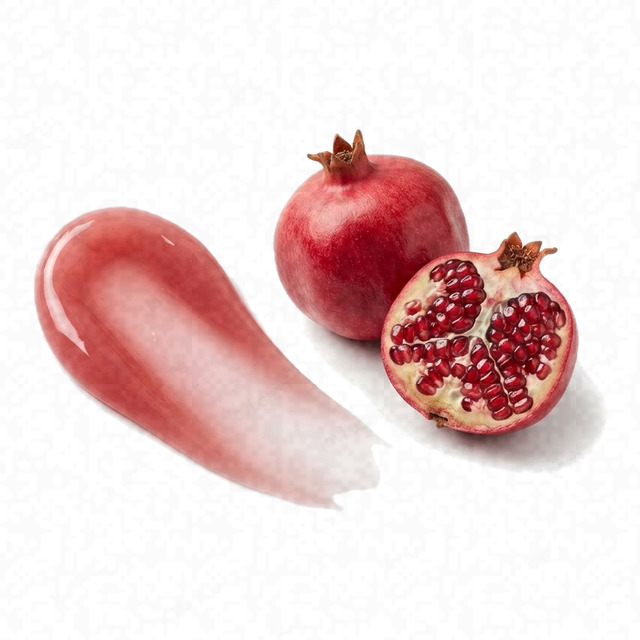 Punica Granatum Extract
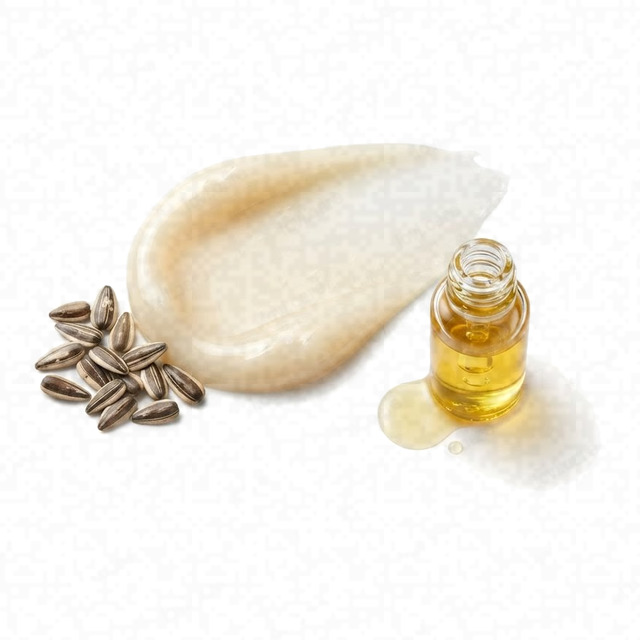 Linoleic Acid
Superior
- SuperiorOily Skin Fit
- HighEffectiveness
- HighSafety
One of the best products for oily acne-prone skin.
This fit is calculated for the concerns frequently associated with oily acne-prone skin: shine, breakouts, blemishes, and enlarged pores. For scores and recommendations based on your full skin profile, including your 12D face scan results and any goals or preferences you have, please use the Lovi app.
Page built Nov 8, 2026How the Fit score works
Lovi Assistant explains
- Excellent suitability for your oily skin is provided by glycolic acid and linoleic acid, which offer keratolytic action and seboregulation respectively, addressing your acne, blemishes, and breakouts, and oiliness or shiny skin.
- The moderate concentrations of glycolic acid promote resurfacing and texture smoothing, offering effective exfoliation for your concerns.
- The safety profile is excellent, with no risks of irritation for your oily skin due to the absence of harsh ingredients and the presence of soothing agents like Dipotassium Glycyrrhizate.
How to apply
- Use this exfoliant as part of your PM routine once a week to start, increasing frequency only if your skin tolerates it well.
- Apply the exfoliant after cleansing and toning, but before your final moisturizer step.
- Gently press 2-3 drops of the exfoliant into your skin and let it absorb for a minute.
- Apply the product directly onto clean, dry skin for the best results against breakouts.
- Avoid the sensitive eye area and always use a daily SPF since exfoliating makes skin more sensitive to the sun.
People Say
★4.2Overall rating based on 100+ reviewsBased on limited data, users with aging or dull skin appreciate the convenience and instant glow provided by these wipes, noting smoother texture and fading of acne scars. Some users with resilient skin found them too gentle for dramatic results compared to stronger liquid exfoliants.
Highlights
Instant radiance Mostly Mentioned
- “Glow next morning”
- “Brighter tone”
- “Dewy finish”
- “Refreshed look”
Convenient application Often Mentioned
- “Pre-soaked wipes”
- “Travel-friendly”
- “Easy to use”
- “No rinsing required”
Smoother texture Often Mentioned
- “Softens rough patches”
- “Reduces bumps”
- “Refined pores”
- “Glass-like skin”
Discontinued availability Often Mentioned
- “Hard to find”
- “Out of stock”
- “Replaced by liquid”
- “Old stock only”
High price point Often Mentioned
- “Expensive per use”
- “Costly for 16 wipes”
- “Not budget-friendly”
- “Luxury pricing”
Fades discoloration Sometimes Noted
- “Lightens acne scars”
- “Evens skin tone”
- “Reduces sun spots”
- “Helps hyperpigmentation”
Gentle & Non-irritating Sometimes Noted
- “No downtime”
- “Minimal tingling”
- “Safe for sensitive skin”
- “No redness”
Too gentle for some Sometimes Noted
- “Magic never happened”
- “Minimal difference”
- “Weak exfoliation”
- “Better for beginners”
Scent/Smell Rarely Noted
- “Chemical odor”
- “Strong alcohol scent”
- “Unpleasant fragrance”
- “Medicinal smell”
Sticky residue Rarely Noted
- “Tacky finish”
- “Feels heavy”
- “Interferes with makeup”
- “Requires drying time”
Sources: lovi.care, lovelyskin.com, reddit.com, qvc.com, averysweetblog.com, mybeautybunny.com, and more
Questions and answers
What makes Murad Rapid Resurfacing Peel one of the best fits for oily acne-prone skin?
Glycolic acid and linoleic acid help clear breakouts and manage oiliness by smoothing texture and balancing sebum. It has an excellent safety profile with soothing ingredients that are unlikely to irritate your skin.
Clinical, Cosmetic and Investigational Dermatology, 2019Journal of Cosmetic Dermatology, 2019
Which ingredients make this exfoliant a good fit for oily acne-prone skin?
Glycolic acid and linoleic acid make this exfoliant a great fit by clearing out clogged pores, reducing breakouts, and keeping shine under control. Moderate amounts of glycolic acid smooth out skin texture, while soothing ingredients like dipotassium glycyrrhizate help keep irritation away.
Clinical, Cosmetic and Investigational Dermatology, 2019Journal of Cosmetic Dermatology, 2019
What does Glycolic Acid do for oily acne-prone skin?
Glycolic acid helps clear acne-prone skin by reducing pimples and soothing breakouts. It exfoliates the surface to keep pores clear and leaves the skin feeling smooth.
Clinical, Cosmetic and Investigational Dermatology, 2019Dermatologic Surgery, 2014
What does Vitamin C do for oily acne-prone skin?
Vitamin C helps brighten skin, smooth out texture, and improve uneven spots for oily acne-prone skin. It may also help fade marks left behind by blemishes.
Journal of Cosmetic Dermatology, 2020Journal of Cosmetic Dermatology, 2023
Where does this exfoliant go in a skincare routine for oily acne-prone skin?
This exfoliant goes in your evening routine, starting at once a week and slowly used more often if your skin tolerates it well. Glycolic acid and linoleic acid help clear breakouts and manage oil, while soothing ingredients keep irritation unlikely.
Can I use this exfoliant with retinol, and in what order?
You can use this exfoliant and retinol in the same routine by applying the exfoliant first and following it with your retinol after the skin is completely dry, or by alternating the nights you use them. Because both ingredients are strong, using them together may cause dryness or irritation, so it is best to start slowly and watch how your skin reacts.
How often should I use this exfoliant?
Start by using this exfoliant once a week in your evening routine, and if your skin tolerates it well and you see good results, you may carefully use it more often. The moderate amounts of glycolic acid give you smooth skin while avoiding irritation thanks to soothing ingredients.
Journal of Cosmetic Dermatology, 2021Journal of Cosmetic Dermatology, 2024
Can this exfoliant clog pores, cause breakouts or purging for oily acne-prone skin?
This exfoliant is unlikely to clog pores or cause breakouts on your oily skin, as glycolic acid and linoleic acid help clear away dead cells and balance oil. Soothing ingredients like dipotassium glycyrrhizate also keep irritation very low.
Is this exfoliant fragrance-free and alcohol-free?
It has no fragrance and contains drying alcohol (alcohol denat).
What the research says
Glycolic acid, salicylic acid, gluconolactone, and licochalcone A combined with 0.1% adapalene showed no hindrance compared to adapalene monotherapy and provided benefits in reducing complications in 25 subjects with mild-to-moderate acne vulgaris.
Clinical, Cosmetic and Investigational Dermatology, 2019A combination of dermapen and glycolic acid peel significantly decreased acne scar grades and resulted in higher patient satisfaction compared to either monotherapy in 30 patients.
Journal of Cosmetic Dermatology, 2019Repeated short-contact 70% glycolic acid peels provided superior results in atrophic acne scars compared to daily low-strength glycolic acid cream or placebo in 58 women over 24 weeks.
International Journal of Dermatology, 2000Serial glycolic acid peels combined with a modified Kligman formula significantly reduced facial PIH severity in Indian patients compared to the modified Kligman formula alone.
Dermatologic Surgery, 2017Topical application of 5% vitamin C cream significantly improved global clinical scores, increased skin microrelief density, and induced elastic tissue repair in photoaged skin compared to excipient control in healthy female volunteers.
Experimental Dermatology, 2003Ascorbic acid 2-glucoside gel significantly reduced gingival melanin pigmentation after 4 weeks compared to placebo in 73 subjects with symmetric pigmentation.
Journal of Periodontology, 2009Topical application of VC-IP cream twice daily for 8 weeks reduces periorbital wrinkles in female subjects compared to a placebo cream.
Journal of Cosmetic Dermatology, 2022A single application of a moisturizing fluid containing hyaluronic acid 1%, glycerin 5%, and Centella asiatica stem cells extract significantly increased skin hydration by 29% and reduced transepidermal water loss at 24 hours compared to baseline and an untreated control site in twenty healthy women.
Clinical, Cosmetic and Investigational Dermatology, 2017The emollient V0034CR significantly reduced TEWL compared to vehicle and vehicle plus glycerol, and significantly increased corneometry scores compared to vehicle and vehicle plus petrolatum in healthy volunteers with dry skin, demonstrating combined barrier function improvement from petrolatum and hydration improvement from glycerol.
Journal of Cosmetic Dermatology, 2020Ten days of treatment with a cream containing 20% glycerin significantly increased skin hydration measured by corneometer values in 17 healthy volunteers compared to a placebo cream, but showed no influence on transepidermal water loss or skin sensitivity to an irritating surfactant.
International Journal of Cosmetic Science, 2001Phenolic-rich pomegranate peel extract formulated into a serum and mask showed significantly better facial skin lightening efficacy than placebo in 30 volunteers over 28 days.
Planta Medica, 2020Topical application of a 2% cream containing combined fruit extracts for 56 days significantly reduced wrinkle depth by 11.5%, length by 10.07%, and area by 29.55% in 21 female subjects compared to a placebo.
Clinical, Cosmetic and Investigational Dermatology, 2015A topical microemulsion containing Punica granatum extract significantly reduced skin erythema and melanin compared to a placebo in healthy Asian subjects over 12 weeks.
Postepy Dermatologii I Alergologii, 2014Topical application of linoleic acid achieved an almost 25% reduction in the overall size of follicular casts and microcomedones over a 1-month treatment period in patients with mild acne compared to no change at placebo-treated sites.
Clinical and Experimental Dermatology, 1998A lotion containing triethyl citrate and ethyl linoleate reduced Leeds grading, total, inflammatory, and noninflammatory lesion counts, and sebum production compared with a placebo in patients with mild to moderate acne.
The British Journal of Dermatology, 2007Liposomal formulation of linoleic acid significantly enhances its skin whitening effect compared to non-liposomal forms in UV-stimulated guinea pig and human skin.
Biological & Pharmaceutical Bulletin, 2004
Ingredients
Water, Alcohol Denat, Glycerin, Glycolic Acid, Sodium Hydroxide, Linoleic Acid, Punica Granatum Extract, Dipotassium Glycyrrhizate, Ascorbic Acid, Chitosan, Propyl Gallate, Lecithin, Peg-40 Hydrogenated Castor Oil, Butylene Glycol, Hydroxyethylcellulose, Disodium Edta
Behind this fit score
Lovi calculates every fit score from the full ingredient list with brand-independent rules our dermatologists and cosmetic chemists build and review, and personalizes every pick with AI trained on the real results of millions of users. Lovi trains its fit score models on a proprietary dataset built from more than 10,000 expert-labeled products and more than 100,000 simulated examples, following an internally consistent methodology presented at Cosmoprof, AMWC, and Skin of Color Update.
-

Co-founder, Medical Director
Cosmetic chemist, cosmetologist, aesthetic products developer
-

Co-founder, CEO and CTO
PhD in computer science, 3x US patent holder, ex-Google, ex-Yandex
-

Dr. Sofía Perea Pérez, MD, MSc
Medical Board
Aesthetic medicine practitioner, MSc in Longevity and Anti-Aging Medicine
-

Medical Board
Specialist dermatologist, MBBS, MD, IFAAD
-

Medical Board
Cosmetic chemist, SCS, IFSCC member
-

Medical Board, Medical Advisor
Dermatology MD
-

Elina Nazarenko, MD
Medical Board
Dermatology and diagnostic consultant
-

Victoria Derkova, MS
Medical Board
Cosmetic chemist, cosmetic development technologist


How does it fit your skin?
Scan your face, then any product: Lovi shows how well it fits you and what fits even better.