
First Aid Beauty 10% Vitamin C Brightening Serum

 Ascorbic Acid
 Squalane
 Oat
 Licorice Root Extract
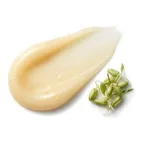 Tocopheryl Acetate
Ascorbic acid and squalane brighten dark spots and hydrate dry patches, so it suits dry skin, acne-prone skin, skin with dark spots, and dry sensitive skin best. For skin that needs oil control, serums with niacinamide and salicylic acid get higher fit scores. Where to buy in Canada: Sephora, CA$65.00.
Each fit is calculated for the concerns frequently associated with that skin type. For scores and recommendations based on your full skin profile, including your 12D face scan results and goals, use the Lovi app.
Updated How the Fit score works
Where it fits best and least
Best fit High
Dry Skin, Acne-Prone Skin, Skin with Dark Spots, Dry Sensitive Skin
A great choice for dry skin; a few serums fit it even better.
- Offers excellent brightening and evening of skin tone for you due to the high concentration of 3-O-Ethyl Ascorbic Acid, which provides potent antioxidant and collagen-boosting effects. Squalane and glycerin are present to hydrate and smooth your dry or flaky skin, addressing your primary concerns.
Lowest fit Average
Oily Skin, Combination Skin, Sensitive Skin, Mature Skin, Oily Acne-Prone Skin
Works for oily skin; other serums fit it better.
- Offers moderate benefits for your oily skin, as glycerin provides humectant action, but it lacks strong seboregulating ingredients to directly address oily shine.
Buy online

Prices checked 22 Nov 2026
The Lovi Fit is the same in every country; only the stores and prices differ, and the ones here are for Canada.
How to apply
- Apply this serum PM, starting 3×/week and working up to daily use as your skin adjusts.
- Place the serum after cleansing and toner, but right before your moisturizer.
- Gently press 2-3 drops of the serum into your skin and let it absorb for a minute.
- Apply the serum on slightly damp skin to help lock in extra moisture.
- Avoid the eye area and do a patch test before your first use.
People Say
★4.7Overall rating based on 4.8k+ reviewsBased on a very large amount of data, this serum is highly praised for its ability to brighten and firm the skin while remaining exceptionally gentle, making it a top choice for individuals with sensitive or combination skin types. Users consistently report positive outcomes, including a more radiant complexion, reduced hyperpigmentation, and a non-sticky, lightweight feel that integrates easily into daily routines.
Highlights
Gentle on skin Mostly Mentioned
- “Great for sensitive skin”
- “No irritation”
- “Perfect for reactive skin”
Brightens complexion Often Mentioned
- “Skin looks radiant”
- “Noticeable glow”
- “Helps with dullness”
Lightweight texture Often Mentioned
- “Absorbs quickly”
- “Not sticky or greasy”
- “Feels nice on skin”
Effective results Sometimes Noted
- “Reduced hyperpigmentation”
- “Firmed my skin”
- “Helped blemish marks”
High price point Sometimes Noted
- “Expensive for the amount”
- “Pricey for the size”
- “Cost is high”
Pump dispenses too much Sometimes Noted
- “Too much product comes out”
- “Hard to control pump”
- “Wasteful packaging”
Subtle/Slow results Rarely Noted
- “Results are very subtle”
- “Takes time to see”
- “Not a quick fix”
Sources: lovi.care, ipsy.com, sephora.com.au, nordstromrack.com, youtube.com, macys.com, and more
Questions and answers
What makes First Aid Beauty 10% Vitamin C Brightening Serum a great fit for dry skin?
This serum is a great fit because it combines vitamin C to brighten your skin with squalane and glycerin to hydrate and smooth dry or flaky areas. Oat and licorice root extract are also included to soothe your skin and keep it comfortable without any risk of irritation.
How well does First Aid Beauty 10% Vitamin C Brightening Serum work for oily skin?
This serum works moderately well for oily skin, helping to brighten skin tone and provide antioxidant protection without causing irritation, though it lacks strong oil-controlling ingredients. To fit oily skin better, a treatment of this type needs ingredients like niacinamide, ferulic acid, or zinc PCA to manage excess shine and pores.
Journal of Cosmetic Dermatology, 2020Free Radical Biology & Medicine, 2021
How well does the First Aid Beauty 10% Vitamin C Brightening Serum work for oily acne-prone skin?
This serum offers moderate suitability for oily skin, as it provides helpful brightening and antioxidants, but it lacks enough oil-controlling ingredients to properly manage breakouts. An ideal product for this skin needs ingredients like niacinamide and propolis to balance oil and smooth texture without causing irritation.
Is this serum fragrance-free and alcohol-free?
Yes, it has no fragrance and no drying alcohol.
What makes First Aid Beauty 10% Vitamin C Brightening Serum a great fit for acne-prone skin?
First Aid Beauty 10% Vitamin C Brightening Serum is a great fit for acne-prone skin because 3-O-Ethyl Ascorbic Acid provides potent antioxidant and brightening benefits, while Glycerin balances hydration without making your skin oily. It is also safe for your skin, with no risk of irritation since it lacks harsh ingredients.
How well does First Aid Beauty 10% Vitamin C Brightening Serum work for combination skin?
First Aid Beauty 10% Vitamin C Brightening Serum is an average fit for combination skin, offering moderate brightening and hydration while remaining safe and unlikely to cause irritation. To work best for this skin type, a treatment needs ingredients like niacinamide, propolis, or zinc PCA that regulate oiliness and enhance radiance without overwhelming oilier areas.
Journal of Cosmetic Dermatology, 2020Free Radical Biology & Medicine, 2021
What makes First Aid Beauty 10% Vitamin C Brightening Serum a great fit for skin with dark spots?
First Aid Beauty 10% Vitamin C Brightening Serum is a great fit because it offers excellent brightening and evening of skin tone for your skin due to the high concentration of 3-O-Ethyl Ascorbic Acid, which provides potent antioxidant effects. Tocopheryl Acetate and soothing extracts further support skin health and offer additional antioxidant benefits while being safe with no risks of irritation.
Journal of Cosmetic Dermatology, 2020Journal of Cosmetic Dermatology, 2023
How well does First Aid Beauty 10% Vitamin C Brightening Serum work for sensitive skin?
First Aid Beauty 10% Vitamin C Brightening Serum is an average fit for sensitive skin because, although it is safe and includes soothing oat, it lacks ingredients specifically targeted to address redness and irritation. Treatments that fit sensitive skin better need effective ingredients that calm redness while keeping the skin soft and comfortable.
What makes First Aid Beauty 10% Vitamin C Brightening Serum a great fit for dry sensitive skin?
First Aid Beauty 10% Vitamin C Brightening Serum is a great fit because squalane and glycerin help lock in moisture while oat and licorice root extract soothe dry patches. Additionally, the vitamin C brightens your skin tone without causing irritation.
How well does First Aid Beauty 10% Vitamin C Brightening Serum work for mature skin?
This serum offers moderate benefits for mature skin by providing antioxidant protection and general hydration, though it is not specifically targeted to address wrinkles and fine lines. It is safe for this skin type with no reported risks of irritation. A product of this type needs to be exceptionally safe with no risk of irritation while effectively targeting wrinkles and fine lines with high concentrations of potent antioxidants, peptides, and humectants to improve skin elasticity and moisture retention.
Scientific Reports, 2025Journal of Cosmetic Dermatology, 2020
What the research says
A topical serum containing vitamin C, vitamin E, and raspberry leaf cell culture extract improved skin color, elasticity, radiance, smoothness, scaliness, and wrinkles compared to the untreated contralateral side in fifty female volunteers.
Journal of Cosmetic Dermatology, 2020Topical application of 5% vitamin C cream significantly improved global clinical scores, increased skin microrelief density, and induced elastic tissue repair in photoaged skin compared to excipient control in healthy female volunteers.
Experimental Dermatology, 2003Topical application of VC-IP cream twice daily for 8 weeks reduces periorbital wrinkles in female subjects compared to a placebo cream.
Journal of Cosmetic Dermatology, 2022Topical treatment with 5% vitamin C and 0.1% madecassoside significantly improved clinical scores for wrinkles, suppleness, firmness, roughness, and skin hydration, along with functional and structural remodeling of the elastic fiber network in 20 female volunteers with photoaged skin after 6 months compared to baseline.
Experimental Dermatology, 2008Application of fullerene-C60 dissolved in squalane cream twice daily for 8 weeks significantly enhanced skin moisture and reduced wrinkle formation compared to placebo in 23 Japanese women without severe side effects.
Journal of Nanoscience and Nanotechnology, 2010Squalane at 0.005-0.015% counteracts UVA-induced oxidative stress, inflammation, and collagen metabolism inhibition while stimulating fibroblast migration in human dermal fibroblasts.
Molecules, 2025Plant-derived squalane protected human dermal fibroblasts against UVA-induced damage by counteracting ROS formation, suppressing apoptosis-related proteins p53, caspase-3, caspase-9, and PARP, and restoring the pro-survival p-Akt/mTOR pathway.
Antioxidants, 2025Colloidal oat extracts diminished pro-inflammatory cytokines in vitro and colloidal oat lotion improved skin dryness, scaling, roughness, and itch intensity in healthy female subjects compared to baseline.
Journal of Drugs in Dermatology, 2015Colloidal oat increased the growth rate, metabolism, and lactic acid production of Staphylococcus epidermidis compared to Staphylococcus aureus in vitro, matching clinical increases in lactic acid on dry skin after 6 weeks of lotion use.
Clinical, Cosmetic and Investigational Dermatology, 2021A dermocosmetic product containing oat plantlet sap and Garcinia mangostana extract reduced retentional and inflammatory acne lesions by 21% and 35% respectively after 2 months in 54 subjects with mild-to-moderate acne.
Journal of the European Academy of Dermatology and Venereology, 2024Combining 755 nm alexandrite laser with topical licorice gel significantly reduces terminal hair counts compared to alexandrite laser with placebo in women with idiopathic hirsutism.
Evidence-based Complementary and Alternative Medicine, 2015Licochalcone A activated Nrf2 signaling, elevated cytoprotective enzymes, increased the reduced-to-oxidized glutathione ratio, and decreased reactive oxygen species in human fibroblasts and neutrophils, while a LicA-rich licorice extract lowered UVA-induced oxidative processes in vivo.
Experimental Dermatology, 2015Mesoporous silica nanoparticles entrapping licorice polysaccharide and coated with polydopamine showed 76% entrapment efficiency, 89% in vitro release at pH 5, increased sebocytes' cellular uptake, and mediated inflammatory response by inhibiting pro-inflammatory cytokines and regulating anti-inflammatory cytokines.
Carbohydrate Polymers, 2024A nighttime topical antioxidant containing resveratrol, baicalin, and vitamin E significantly improved fine lines, wrinkles, firmness, elasticity, laxity, hyperpigmentation, radiance, roughness, and dermal thickness in subjects with mild to moderately photodamaged skin over 12 weeks.
Journal of Drugs in Dermatology, 2014A topical antioxidant serum significantly reduced air pollution-induced skin pigmentation and proinflammatory gene expression ex vivo, and improved skin aging signs in 40 healthy adult females after 90 days of daily use.
Journal of Cosmetic Dermatology, 2022Tocopherol succinate-loaded ethosomal gel increased skin deposition, stability, moisture, and mechanical properties in 13 human subjects compared to a control gel over 12 weeks.
Journal of Cosmetic Dermatology, 2022A single application of a moisturizing fluid containing hyaluronic acid 1%, glycerin 5%, and Centella asiatica stem cells extract significantly increased skin hydration by 29% and reduced transepidermal water loss at 24 hours compared to baseline and an untreated control site in twenty healthy women.
Clinical, Cosmetic and Investigational Dermatology, 2017Dermatological products containing d-alpha tocopheryl acetate showed non-comedogenic potential with less than a 50% increase in microcomedones in 12 healthy male subjects compared to octyl palmitate.
Contemporary Clinical Trials Communications, 20213-O-ethyl ascorbic acid exerts anti-melanogenic effects via Nrf2-mediated alpha-MSH inhibition in UVA-irradiated keratinocytes and autophagy induction in melanocytes, while also inhibiting tyrosinase expression and endogenous pigmentation in a zebrafish model.
Free Radical Biology & Medicine, 2021Co-encapsulation of alpha-tocopherol and alpha-tocopheryl acetate in nanostructured lipid carrier gel formulations significantly enhanced moisture retention up to 68% and improved skin elasticity in human volunteers compared to a solution gel.
Scientific Reports, 2025Topical vitamin C effectively treats uneven and wrinkled skin while providing depigmenting properties in patients with melasma and photoaging compared to baseline or placebo.
Journal of Cosmetic Dermatology, 2023Combined treatment with cannabigerol and 3-O-ethyl ascorbic acid abolished UVB-induced changes by decreasing the expression of kinases and reducing protein modifications by 4-hydroxynonenal in cultured human keratinocytes, restoring the kinase profile to that of non-irradiated controls.
Scientific Reports, 2024An anti-acne hydrogel containing Aloe barbadensis, Garcinia mangostana, and Camellia sinensis extracts showed superior antiacne and antiblotch activities compared to 1% clindamycin gel in sixty subjects with mild-moderate acne.
Clinical, Cosmetic and Investigational Dermatology, 2019
Ingredients
3-O-Ethyl Ascorbic Acid, Squalane, Sodium Citrate, Tocopheryl Acetate, Oat, Chrysanthemum Parthenium Extract, Camellia Sinensis Leaf Extract, Glycyrrhiza Glabra Root Extract Licorice Root Extract, Glycerin, Polyglyceryl-6 Polyricinoleate, Xanthan Gum, Polyglyceryl-10 Dioleate, Phenoxyethanol, Citric Acid, Sodium Benzoate, Potassium Sorbate, Sodium Hydroxide, Tetrasodium Edta
Behind these fit scores
Lovi calculates every fit score from the full ingredient list with brand-independent rules our dermatologists and cosmetic chemists build and review, and personalizes every pick with AI trained on the real results of millions of users. Lovi trains its fit score models on a proprietary dataset built from more than 10,000 expert-labeled products and more than 100,000 simulated examples, following an internally consistent methodology presented at Cosmoprof, AMWC, and Skin of Color Update.
-

Co-founder, Medical Director
Cosmetic chemist, cosmetologist, aesthetic products developer
-

Co-founder, CEO and CTO
PhD in computer science, 3x US patent holder, ex-Google, ex-Yandex
-

Dr. Sofía Perea Pérez, MD, MSc
Medical Board
Aesthetic medicine practitioner, MSc in Longevity and Anti-Aging Medicine
-

Medical Board
Specialist dermatologist, MBBS, MD, IFAAD
-

Medical Board
Cosmetic chemist, SCS, IFSCC member
-

Medical Board, Medical Advisor
Dermatology MD
-

Elina Nazarenko, MD
Medical Board
Dermatology and diagnostic consultant
-

Victoria Derkova, MS
Medical Board
Cosmetic chemist, cosmetic development technologist


How does it fit your skin?
Scan your face, then any product: Lovi shows how well it fits you and what fits even better.