Olay Detoxifying Pore Scrub for oily acne-prone skin

 Glycerin
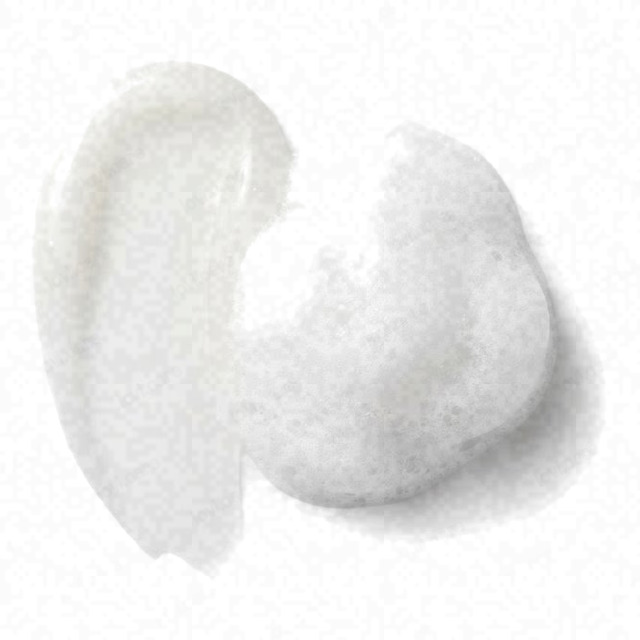 Sodium Lauroyl Sarcosinate
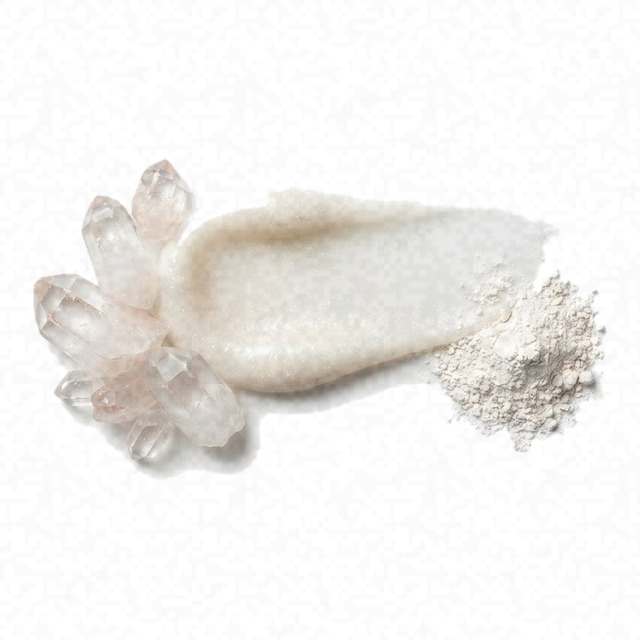 Hydrated Silica
Low
- HighOily Skin Fit
- AverageEffectiveness
- HighSafety
A weak match for oily acne-prone skin; the exfoliants alongside fit it better.
This fit is calculated for the concerns frequently associated with oily acne-prone skin: shine, breakouts, blemishes, and enlarged pores. For scores and recommendations based on your full skin profile, including your 12D face scan results and any goals or preferences you have, please use the Lovi app.
Page built Nov 8, 2026How the Fit score works
Lovi Assistant explains
- Offers moderate exfoliation for your oily skin due to hydrated silica and citric acid, which help smooth texture but do not specifically target acne, blemishes, and breakouts.
- Glycerin and Panthenol Vitamin B5 provide general cleansing and hydration benefits suitable for oily skin, though they lack specialization for your primary concerns.
- The safety profile is excellent, with no risks of irritation for your oily skin due to the absence of prohibited or harsh ingredients.
How to apply
- Use this exfoliant as part of your PM routine once a week to start, increasing frequency only if your skin tolerates it well.
- Apply the exfoliant after cleansing and toning, but before your final moisturizer step.
- Gently press 2-3 drops of the exfoliant into your skin and let it absorb for a minute.
- Apply the product directly onto clean, dry skin for the best results against breakouts.
- Avoid the sensitive eye area and always use a daily SPF since exfoliating makes skin more sensitive to the sun.
People Say
★4.6Overall rating based on 8.0k+ reviewsBased on a very large amount of data, users consistently praise this scrub for its ability to leave skin feeling significantly smoother and softer without the harshness typical of other exfoliators. Many appreciate the deep-clean feeling and reduced pore visibility. A notable subset of users with sensitive skin or fragrance sensitivities find the scent overpowering and the formula potentially drying or irritating to the eyes.
Highlights
Smoother skin Mostly Mentioned
- “leaves skin silky smooth”
- “face feels soft and clean”
- “skin looks smoother”
Deep cleansing Often Mentioned
- “deep cleans pores”
- “removes old skin cells”
- “face feels refreshed”
Gentle exfoliation Often Mentioned
- “gentle yet effective”
- “doesn't irritate my skin”
- “perfect daily scrub”
Good lather Sometimes Noted
- “lathers well”
- “luxurious feel”
- “a little goes a long way”
Reduced pore appearance Sometimes Noted
- “pores visibly shrunk”
- “diminishes look of pores”
- “helps unclog pores”
Lacks grit Sometimes Noted
- “not enough scrub”
- “hardly any beads”
- “more like a wash than a scrub”
Strong scent Sometimes Noted
- “strong perfume smell”
- “smell is tenacious”
- “overpowering scent”
Drying effect Rarely Noted
- “dried out my face”
- “skin felt tight”
- “need moisturizer immediately”
Eye irritation Rarely Noted
- “burnt my eyes”
- “stings badly”
- “avoid eye area strictly”
Packaging issues Rarely Noted
- “tube had no seal”
- “product seemed watery”
- “packaging looked different”
Sources: lovi.care, walmart.com, chemistwarehouse.com.au, influenster.com, shespeaks.com, metromarket.net, and more
Questions and answers
Why is Olay Detoxifying Pore Scrub a weak match for oily acne-prone skin?
This scrub is a weak match for oily acne-prone skin because while it smooths texture and cleanses, it lacks ingredients that specifically target acne and breakouts. It is unlikely to irritate, but an exfoliant of this type needs powerful ingredients that address acne and blemishes, gentle surfactants, and soothing agents like niacinamide, ceramides, BHA, or blue tansy to properly balance and clear this skin.
Which ingredients make this exfoliant a poor fit for oily acne-prone skin?
This exfoliant is a weak match for your oily acne-prone skin because hydrated silica and citric acid offer only moderate texture smoothing and do not specifically target acne, blemishes, and breakouts. Glycerin and Panthenol Vitamin B5 provide general cleansing and hydration without specializing in your primary concerns. An exfoliant of this type needs to be exceptionally safe with no risk of irritation, effectively address acne and blemishes using powerful ingredients like BHA, Niacinamide, and Ceramides, and perform its cleansing function extremely well while maintaining skin balance and clarity.
American Journal of Clinical Dermatology, 2002The Journal of Dermatological Treatment, 2017
What does Glycerin do for oily acne-prone skin?
Glycerin helps keep oily acne-prone skin hydrated without feeling heavy. It draws moisture into the skin while supporting the skin barrier so it stays soft and balanced.
The British Journal of Dermatology, 2008Clinical, Cosmetic and Investigational Dermatology, 2017
What does Sodium Lauroyl Sarcosinate do for oily acne-prone skin?
Sodium lauroyl sarcosinate is a cleansing ingredient that helps wash away excess oil, but it may decrease ceramides and alter the skin microbiome on oily, acne-prone skin. Because of this, an oily, acne-prone skin cleanser needs gentle surfactants and moisturizing ingredients that clean the skin without weakening its barrier or stripping away healthy lipids.
Journal of Cosmetic Dermatology, 2024Dermatologic Therapy, 2004
Where does this exfoliant go in a skincare routine for oily acne-prone skin?
This exfoliant goes into a weekly routine for oily acne-prone skin once a week, as exfoliating steps generally start slowly and can be used more often if tolerated well. Because this product is a weak match that does not specifically target blemishes and breakouts, oily acne-prone skin needs products with ingredients that clear pores and address breakouts directly.
Can I use this exfoliant with retinol, and in what order?
You can use this exfoliant in your routine, but apply it on a different day or at a different time than your retinol to help prevent irritation on your oily acne-prone skin. This product offers moderate exfoliation with hydrated silica and citric acid to smooth texture, while glycerin and panthenol provide gentle cleansing and hydration, but an exfoliant for this skin needs specialized ingredients like salicylic acid or benzoyl peroxide to directly target breakouts.
American Journal of Clinical Dermatology, 2002The Journal of Dermatological Treatment, 2017
How often should I use this exfoliant?
Start by using this exfoliant once a week, and if your oily skin tolerates it well and sees good results, you may carefully use it more often. An exfoliant for oily acne-prone skin needs ingredients like salicylic acid to target breakouts and clear pores.
Can this exfoliant clog pores, cause breakouts or purging for oily acne-prone skin?
This exfoliant is unlikely to clog pores or cause breakouts because it has a very safe formula with no harsh ingredients that typically irritate oily skin. However, it does not target blemishes or breakouts, so an oily acne-prone skin needs a product with specialized blemish-fighting ingredients and targeted exfoliating acids.
Is this exfoliant fragrance-free and alcohol-free?
Yes, it has no fragrance and no drying alcohol.
What the research says
A functional cosmetic cream containing bioactive materials from Streptomyces sp. T65 embedded in SBA-15 decreased skin roughness by 4.670% and increased skin brightness by 0.472% after 4 weeks of application, while demonstrating antimicrobial, antioxidant, anti-aging, and whitening activities.
Antioxidants, 2020Topical dexpanthenol acts as a moisturizer, improves stratum corneum hydration, accelerates wound healing and epidermal regeneration, reduces erythema, and improves symptoms of skin irritation compared to vehicle or no pretreatment.
American Journal of Clinical Dermatology, 2002A new topical panthenol-containing emollient significantly improved transepidermal water loss reduction, stratum corneum hydration, and intercellular lipid lamellae length compared with control in healthy subjects without negatively impacting bacterial viability.
The Journal of Dermatological Treatment, 2017A panthenol-enriched mask significantly decreased erythema and hyperpigmentation, increased sebum and stratum corneum moisture, and reduced transepidermal water loss compared to a saline dressing in 60 subjects undergoing facial laser treatment.
Journal of Cosmetic Dermatology, 2025Daily treatment with a facial serum containing multiple acids reduced post-inflammatory hyperchromia lesion grade and number by 29.4% at 56 days, and decreased skin oiliness by 30.7% at 7 days in Brazilian patients with acne vulgaris.
Journal of Cosmetic Dermatology, 2021A single application of a moisturizing fluid containing hyaluronic acid 1%, glycerin 5%, and Centella asiatica stem cells extract significantly increased skin hydration by 29% and reduced transepidermal water loss at 24 hours compared to baseline and an untreated control site in twenty healthy women.
Clinical, Cosmetic and Investigational Dermatology, 2017The emollient V0034CR significantly reduced TEWL compared to vehicle and vehicle plus glycerol, and significantly increased corneometry scores compared to vehicle and vehicle plus petrolatum in healthy volunteers with dry skin, demonstrating combined barrier function improvement from petrolatum and hydration improvement from glycerol.
Journal of Cosmetic Dermatology, 2020Ten days of treatment with a cream containing 20% glycerin significantly increased skin hydration measured by corneometer values in 17 healthy volunteers compared to a placebo cream, but showed no influence on transepidermal water loss or skin sensitivity to an irritating surfactant.
International Journal of Cosmetic Science, 2001Sodium lauroyl sarcosinate in facial cleanser decreased prokaryotic microbial alpha diversity, altered prokaryotic microbiome structure, increased phosphatidylglycerol and phosphatidylcholine, and decreased ceramides on facial skin.
Journal of Cosmetic Dermatology, 2024Coacervates formed from mixed micelles of sodium lauroylsarcosinate and cocamidopropyl betaine with cationic guar gum exhibited a dense porous structure with high viscoelastic modulus under strong electrostatic interactions, and a looser mesh structure with lower viscoelasticity and enhanced skin adsorption under weakened interactions.
Soft Matter, 2024Film-forming formulations containing porous silica achieved skin permeation rates comparable to immediate release formulations while confirming prolonged drug availability and causing no skin irritation in healthy volunteers.
European Journal of Pharmaceutical Sciences, 2017Topical treatment with silica mud and microalgae extracts from the Blue Lagoon improved skin barrier function by inducing epidermal gene expression and reducing transepidermal water loss in healthy humans, while preventing skin aging markers in vitro.
Experimental Dermatology, 2008Flower-like mesoporous silica nanoparticles exhibited a significantly superior oil-absorption capacity, including a 226.3% increase in adsorbing large-molecular-weight PDMS-15000 w, compared to conventional mesoporous silica nanoparticles.
RSC Advances, 2026
Why other exfoliants fit oily acne-prone skin better
Chemical peels with 30% supramolecular salicylic acid effectively treated acne and reduced facial sebum secretion while improving skin hydration and barrier function in 25 patients.
Journal of Cosmetic Dermatology, 2022A 30% supramolecular salicylic acid peel improved the global acne grading score and skin barrier indicators, decreased cutaneous microbiome richness and evenness along with Staphylococcus proportion, reduced inflammatory cytokines, and increased caveolin-1 expression in 28 patients with moderate-to-severe acne vulgaris.
Dermatology and Therapy, 2023A novel emulsion containing niacinamide, lens esculenta seed extract, and white willow bark extract effectively improved acne, blackheads, and conspicuous facial pores in 30 subjects with oily skin.
Journal of Cosmetic Dermatology, 2024
Ingredients
Water, Glycerin, Sodium Lauroyl Sarcosinate, Hydrated Silica, Cocamidopropyl Betaine, Panthenol Vitamin B5, Sodium Chloride, Polyethylene, Disodium Edta, Citric Acid, Sodium Benzoate
Behind this fit score
Lovi calculates every fit score from the full ingredient list with brand-independent rules our dermatologists and cosmetic chemists build and review, and personalizes every pick with AI trained on the real results of millions of users. Lovi trains its fit score models on a proprietary dataset built from more than 10,000 expert-labeled products and more than 100,000 simulated examples, following an internally consistent methodology presented at Cosmoprof, AMWC, and Skin of Color Update.
-

Co-founder, Medical Director
Cosmetic chemist, cosmetologist, aesthetic products developer
-

Co-founder, CEO and CTO
PhD in computer science, 3x US patent holder, ex-Google, ex-Yandex
-

Dr. Sofía Perea Pérez, MD, MSc
Medical Board
Aesthetic medicine practitioner, MSc in Longevity and Anti-Aging Medicine
-

Medical Board
Specialist dermatologist, MBBS, MD, IFAAD
-

Medical Board
Cosmetic chemist, SCS, IFSCC member
-

Medical Board, Medical Advisor
Dermatology MD
-

Elina Nazarenko, MD
Medical Board
Dermatology and diagnostic consultant
-

Victoria Derkova, MS
Medical Board
Cosmetic chemist, cosmetic development technologist


How does it fit your skin?
Scan your face, then any product: Lovi shows how well it fits you and what fits even better.