Good Molecules Sheer Mineral Sunscreen SPF 30 for sensitive skin

 Zinc Oxide
 Aloe Barbadensis Leaf Juice
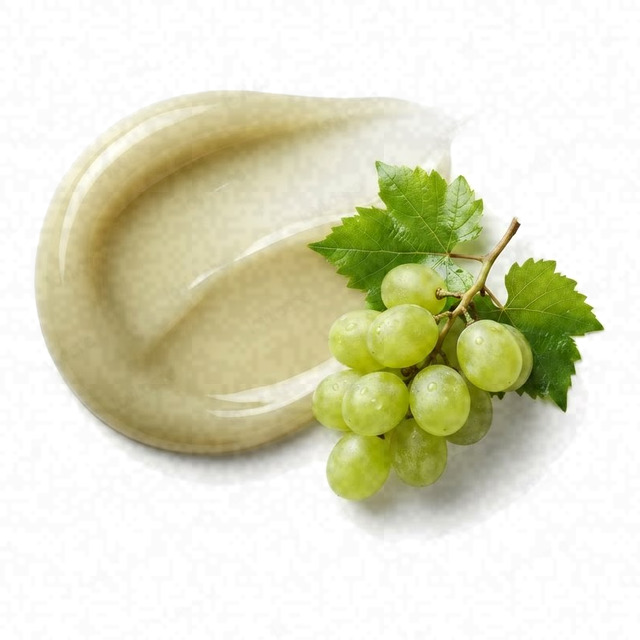 Vitis Vinifera Seed Oil Grape Seed Oil
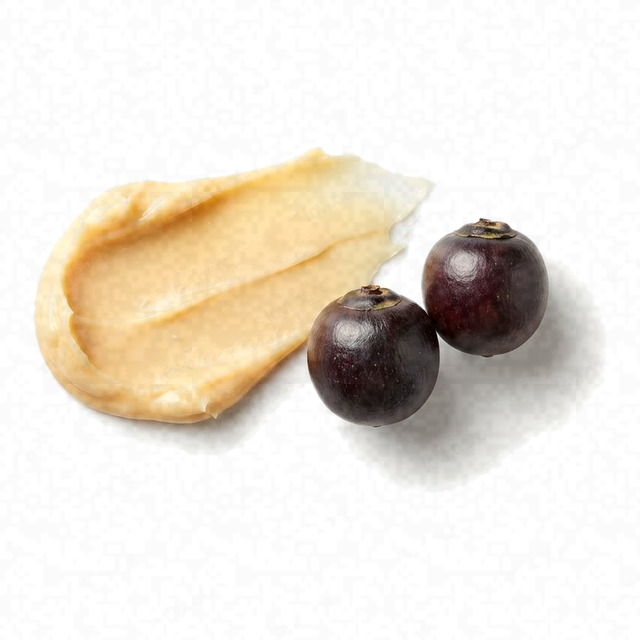 Astrocaryum Tucuma Seed Butter
 Tetrahexyldecyl Ascorbate
Superior
- HighNormal Skin Fit
- HighEffectiveness
- ExcellentSafety
One of the best sunscreens for sensitive skin.
This fit is calculated for the concerns frequently associated with sensitive skin: redness, stinging, and reactions to new products. For scores and recommendations based on your full skin profile, including your 12D face scan results and any goals or preferences you have, please use the Lovi app.
Page built Nov 8, 2026How the Fit score works
Lovi Assistant explains
- Excellent for your normal, sensitive skin, this sunscreen provides robust UV protection with zinc oxide while Bisabolol and Aloe Barbadensis Leaf Juice actively soothe redness and irritation.
- Vitis Vinifera Seed Oil and Glycerin ensure optimal hydration and barrier support, complementing the anti-inflammatory benefits for comfortable, protected skin.
- The formulation is exceptionally safe, free from harsh ingredients and rich in calming agents, making it ideal for sensitive skin concerns.
How to apply
- Apply this sunscreen during your AM routine every morning. Reapply every two hours if you are staying outdoors under direct sunlight.
- Order in routine: apply the sunscreen as the final step after your moisturizer and before applying makeup.
- Application method: gently press a nickel-sized amount over your face and neck without harsh rubbing.
- Skin condition guidance: apply the sunscreen directly onto dry skin for even coverage and reliable sun protection.
- Safety note: avoid direct contact with your eyes and do a patch test before first use to check for sensitivity.
People Say
★4.2Overall rating based on 1.4k+ reviewsBased on a very large amount of data, users with dry to combination skin appreciate this sunscreen for its lightweight and hydrating formula that applies easily without feeling heavy or greasy. It is widely praised for being gentle on sensitive and acne-prone skin. However, users with deeper skin tones frequently report a noticeable white cast despite the product's "sheer" claim.
Highlights
Lightweight texture Often Mentioned
- “feels like a moisturizer”
- “melts into skin”
- “super lightweight”
- “not thick at all”
No white cast Often Mentioned
- “no white cast on me”
- “blends in clear”
- “sheer finish”
- “invisible once rubbed in”
White cast Often Mentioned
- “leaves a purple tint”
- “ghostly on dark skin”
- “noticeable cast”
- “not for brown skin”
Gentle on skin Sometimes Noted
- “doesn't sting eyes”
- “acne-safe”
- “no irritation”
- “great for sensitive skin”
Hydrating formula Sometimes Noted
- “moisturizing but not oily”
- “leaves a nice glow”
- “good for dry skin”
- “nourishing ingredients”
Greasy finish Rarely Noted
- “too dewy”
- “looks oily later”
- “shiny residue”
- “never fully dries down”
Pills under makeup Rarely Noted
- “pills at hairline”
- “flakes off”
- “clumps up”
- “doesn't layer well”
Texture issues Rarely Noted
- “a little runny”
- “separates in tube”
- “watery consistency”
- “hard to control amount”
Sources: lovi.care, target.com, goodmolecules.com, ulta.com, youtube.com, and more
Questions and answers
What makes Good Molecules Sheer Mineral Sunscreen SPF 30 one of the best fits for sensitive skin?
This sunscreen is one of the best fits for sensitive skin because it uses zinc oxide for sun protection while aloe leaf juice and bisabolol calm redness and irritation. Grape seed oil and glycerin keep the skin hydrated and support its barrier, making the formula exceptionally safe and comfortable.
Which ingredients make this sunscreen a good fit for sensitive skin?
Zinc oxide, bisabolol, and aloe barbadensis leaf juice make this sunscreen a great fit because they protect against UV rays while actively calming redness and irritation on sensitive skin. Vitis vinifera seed oil and glycerin further help by keeping skin hydrated and comfortable.
What does Zinc Oxide do for sensitive skin?
Zinc oxide helps calm red, irritated skin and protects against irritation while being gentle enough for daily use. It is unlikely to cause trouble for delicate areas, making it a safe choice for soothing sensitive skin.
What does Aloe Vera Leaf Juice do for sensitive skin?
Aloe Vera Leaf Juice helps calm sensitive skin and keeps it hydrated without causing irritation. Studies show it supports skin comfort and can safely improve moisture levels.
Skin Research and Technology, 2006Journal of Cosmetic Dermatology, 2025
Where does this sunscreen go in a skincare routine for sensitive skin?
This sunscreen goes in your morning routine as the final moisturizing step after cleansing and applying a soothing toner. It provides robust protection while soothing ingredients help calm redness and irritation on sensitive skin.
Can I use this sunscreen with retinol, and in what order?
Yes, you can use this sunscreen with retinol by applying the retinol first and finishing your morning routine with this sunscreen to protect your sensitive skin. The zinc oxide provides UV defense while soothing ingredients like aloe and bisabolol help keep skin calm and comfortable.
How often should I use this sunscreen?
Apply this sunscreen every morning as the final step of your daytime routine. It provides reliable UV protection while keeping sensitive skin calm and comfortable all day.
Can this sunscreen clog pores, cause breakouts or purging for sensitive skin?
This sunscreen is unlikely to clog pores or cause breakouts on sensitive skin because it is free from harsh ingredients and packed with calming agents that help keep skin clear and comfortable. Reviewers occasionally mention a white cast, but complaints about greasy finishes or texture issues are low.
Is this sunscreen fragrance-free and alcohol-free?
Yes, it has no fragrance and no drying alcohol. Cetearyl alcohol, arachidyl alcohol, and behenyl alcohol are fatty alcohols, which soften the skin.
What the research says
A 3-in-1 anti-aging topical night serum-in-oil applied once daily decreased wrinkles by 11%, increased skin firmness by 8%, reduced redness by 70%, and improved overall skin quality and complexion in 103 female subjects over 28 to 84 days compared to baseline.
Journal of Cosmetic Dermatology, 2019Topical formulations containing ascorbyl tetraisopalmitate, coenzyme Q10, green tea polyphenols, and resveratrol reduced the release of inflammatory cytokines and attenuated inflammatory signs compared to untreated skin and vehicle in 25 Japanese volunteers exposed to sodium dodecyl sulfate.
European Journal of Pharmaceutics and Biopharmaceutics, 2017Topical 0.5% hyaluronic-ZnO nanogel applied twice daily reduced inflammatory-lesion counts by 58% at week four in human subjects compared to baseline without causing erythema.
Biomedicines, 2025Nels cream achieved a similar reduction in inflammatory and noninflammatory lesion counts compared to 5% benzoyl peroxide in acne vulgaris patients, but caused significantly fewer side-effects such as peeling and dryness.
Clinical and Experimental Dermatology, 2000Topically applied coated and uncoated zinc oxide nanoparticles under flexing and massage are retained in the stratum corneum with no significant penetration into the viable epidermis and no cellular toxicity in human skin.
Nanomedicine, 2016A cream combining propolis, tea tree oil, and Aloe vera reduced erythema scars, acne severity index, and total lesion count better than erythromycin cream in sixty patients with mild to moderate acne vulgaris compared to placebo.
Clinical Pharmacology, 2018Topical aloe vera gel significantly accelerated split-thickness skin graft donor-site healing compared to placebo in 12 patients, but showed no significant difference in pain relief.
Plastic and Reconstructive Surgery, 2018Topical application of Aloe vera cream reduced postoperative pain at rest and during defecation, accelerated wound healing at two weeks, and decreased analgesic requirements in patients after open hemorrhoidectomy compared to placebo.
Journal of Alternative and Complementary Medicine, 2010Grapeseed oil-loaded dermocosmetic nanoemulgel applied on the cheeks of healthy volunteers significantly reduced skin melanin, erythema, sebum production, and pores while increasing moisture and elasticity compared to a placebo.
Journal of Cosmetic Dermatology, 2022Topical treatment with cranberry oil and grape oil improved wound healing in rats, with cranberry oil showing an 88.1% wound area reduction and grape oil showing 84.6% compared to 74.1% in controls and 78.4% in the mupirocin standard group on day 13.
Phytotherapy Research, 2011An ionic liquid-based grapeseed oil emulsion increased transdermal penetration by 4.63-fold and improved skin hydration, firmness, elasticity, and facial wrinkles after 28 days of continuous use compared to ordinary emulsion.
Pharmaceuticals, 2024Topical application of 5% vitamin C cream significantly improved global clinical scores, increased skin microrelief density, and induced elastic tissue repair in photoaged skin compared to excipient control in healthy female volunteers.
Experimental Dermatology, 2003Ascorbic acid 2-glucoside gel significantly reduced gingival melanin pigmentation after 4 weeks compared to placebo in 73 subjects with symmetric pigmentation.
Journal of Periodontology, 2009Topical application of VC-IP cream twice daily for 8 weeks reduces periorbital wrinkles in female subjects compared to a placebo cream.
Journal of Cosmetic Dermatology, 2022
Ingredients
Water, Zinc Oxide, Coco-Caprylate, Caprylic Capric Triglyceride, Butyloctyl Salicylate, Propanediol, Vitis Vinifera Seed Oil Grape Seed Oil, Sodium Stearoyl Glutamate, Cetearyl Alcohol, Arachidyl Alcohol, Tocopherol, Caprylyl Glycol, Coco-Glucoside, Astrocaryum Tucuma Seed Butter, Ethyl Ferulate, Behenyl Alcohol, Cetyl Palmitate, Sorbitan Palmitate, Sorbitan Olivate, Arachidyl Glucoside, Sodium Gluconate, Citric Acid, Bisabolol, Acacia Senegal Gum, Caprylhydroxamic Acid, Glycerin, Xanthan Gum, Acetyl Glucosamine, Sodium Hyaluronate, Polyhydroxystearic Acid, Tetrahexyldecyl Ascorbate, Aloe Barbadensis Leaf Juice
Behind this fit score
Lovi calculates every fit score from the full ingredient list with brand-independent rules our dermatologists and cosmetic chemists build and review, and personalizes every pick with AI trained on the real results of millions of users. Lovi trains its fit score models on a proprietary dataset built from more than 10,000 expert-labeled products and more than 100,000 simulated examples, following an internally consistent methodology presented at Cosmoprof, AMWC, and Skin of Color Update.
-

Co-founder, Medical Director
Cosmetic chemist, cosmetologist, aesthetic products developer
-

Co-founder, CEO and CTO
PhD in computer science, 3x US patent holder, ex-Google, ex-Yandex
-

Dr. Sofía Perea Pérez, MD, MSc
Medical Board
Aesthetic medicine practitioner, MSc in Longevity and Anti-Aging Medicine
-

Medical Board
Specialist dermatologist, MBBS, MD, IFAAD
-

Medical Board
Cosmetic chemist, SCS, IFSCC member
-

Medical Board, Medical Advisor
Dermatology MD
-

Elina Nazarenko, MD
Medical Board
Dermatology and diagnostic consultant
-

Victoria Derkova, MS
Medical Board
Cosmetic chemist, cosmetic development technologist


How does it fit your skin?
Scan your face, then any product: Lovi shows how well it fits you and what fits even better.