COSRX The Alpha-Arbutin 2 Discoloration Care for acne-prone skin

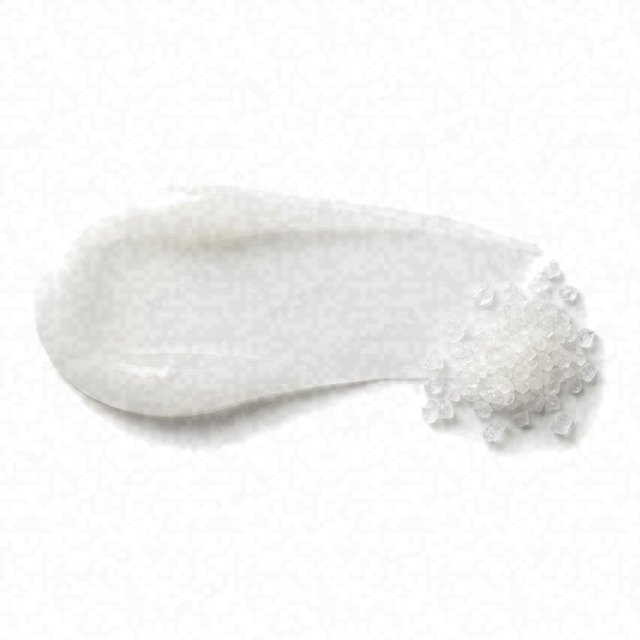 Tranexamic Acid
 Niacinamide
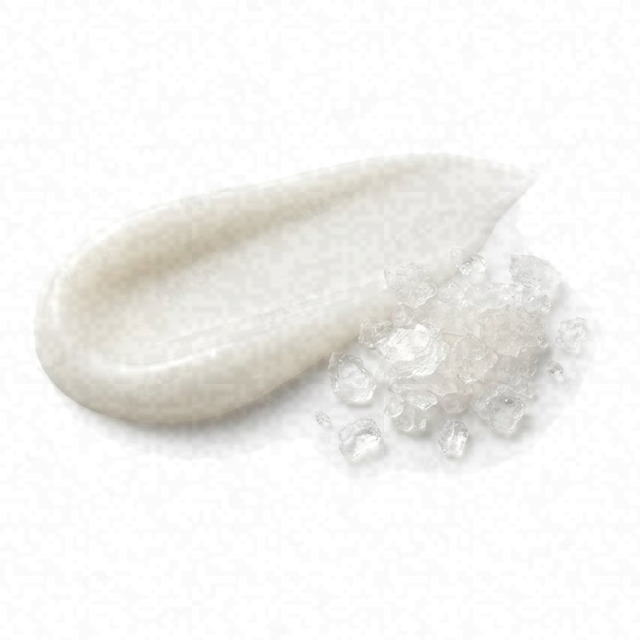 N-Acetyl Glucosamine Nag
Average
- HighCombination Skin Fit
- AverageEffectiveness
- HighSafety
Works for acne-prone skin; other serums fit it better.
This fit is calculated for the concerns frequently associated with acne-prone skin: breakouts, blackheads, and post-acne marks. For scores and recommendations based on your full skin profile, including your 12D face scan results and any goals or preferences you have, please use the Lovi app.
Page built Nov 8, 2026How the Fit score works
Lovi Assistant explains
- Offers moderate brightening for your combination skin, as Alpha-Arbutin and Niacinamide work to regulate melanogenesis and support barrier repair. N-Acetyl Glucosamine further aids in evening skin tone and providing anti-inflammatory benefits for acne and blemishes.
- The formula is highly suitable for combination skin and addresses concerns like acne and blemishes with its supportive ingredients.
- The safety profile is excellent, with no risks of irritation due to the absence of prohibited or harsh ingredients.
How to apply
- Use your serum as part of your PM routine and start 3x/week before working up to daily use.
- Apply this treatment after cleansing and toner, and before your moisturizer.
- Gently press 2-3 drops of the serum into your skin and let it absorb for a minute.
- Apply the product on clean, dry skin to help manage your breakouts safely.
- Avoid the eye area and do a patch test before your first use.
People Say
★4.7Overall rating based on 100+ reviewsThis serum is highly praised for its lightweight, watery texture that absorbs quickly and layers well, making it suitable for sensitive and acne-prone skin. While many users report positive results in fading dark spots and brightening skin tone, some note that significant improvements in hyperpigmentation take several weeks of consistent use.
Highlights
Lightweight texture Mostly Mentioned
- “Watery texture”
- “Absorbs quickly”
- “Not sticky”
- “Layers well”
Fades dark spots Often Mentioned
- “Dark spots faded dramatically”
- “Pigmentation much less”
- “Lightened hyperpigmentation”
- “Acne marks reduction”
Gentle & non-irritating Often Mentioned
- “Great for sensitive skin”
- “No irritation”
- “Soothing”
- “Didn't break me out”
Brightens skin tone Sometimes Noted
- “Face looked brighter”
- “Even skin tone”
- “Radiant look”
- “Instant brightening effect”
Hydrating feel Sometimes Noted
- “Hydration feels impressive”
- “Doesn't dry out skin”
- “Leaves skin fresh”
- “Nice dewy finish”
Slow results Sometimes Noted
- “Takes time”
- “Not instant”
- “Gradual improvement”
- “Minimal change initially”
Breakouts/irritation Rarely Noted
- “Caused little red dots”
- “Broke me out”
- “Skin compromised”
- “Stinging sensation”
Not moisturizing enough Rarely Noted
- “Not super hydrating”
- “Need moisturizer after”
- “Light hydration only”
- “Not for dry skin alone”
Scent Rarely Noted
- “Love it or hate it”
- “Scent varied”
- “Medicinal smell”
- “Fragrance-free but has odor”
Sticky residue Rarely Noted
- “Sticky if layered”
- “Tacky finish”
- “Sticky/tacky”
- “Residue if over-applied”
Sources: lovi.care, iherb.com, stylekorean.com, skinsort.com, hometesterclub.com, youtube.com, and more
Questions and answers
How well does COSRX Alpha-Arbutin 2 Discoloration Care work for acne-prone skin?
This treatment works moderately well for your acne-prone skin, as Alpha-Arbutin and Niacinamide help even out skin tone while N-Acetyl Glucosamine provides calming benefits for blemishes. Because other options fit this skin type better, an acne-prone skin product needs soothing ingredients like niacinamide and propolis or zinc PCA to provide balanced hydration without excess oiliness or irritation.
Which ingredients make this treatment a good fit for acne-prone skin?
Alpha-Arbutin and Niacinamide help brighten your skin and calm breakouts, while N-Acetyl Glucosamine evens out your skin tone and soothes blemishes. A treatment for acne-prone skin also needs ingredients like niacinamide, propolis, or zinc PCA that balance oil and hydration without causing irritation.
What does Tranexamic Acid do for acne-prone skin?
Tranexamic acid helps calm red marks left behind by breakouts and reduces inflammatory bumps like pimples on acne-prone skin. It is unlikely to cause irritation and works well to improve uneven skin tone without significant side effects.
Journal of Cosmetic Dermatology, 2022Journal of Research in Medical Sciences, 2023
What does Niacinamide do for acne-prone skin?
Niacinamide helps acne-prone skin by reducing both inflamed and uninflamed breakouts and calming redness. It is also very helpful for keeping oily skin balanced by cutting down on excess oil production, and it is well tolerated by most people.
Where does this treatment go in a skincare routine for acne-prone skin?
This treatment goes in the evening routine for acne-prone skin, as active serums are usually used at night for simplicity and extra safety around sun exposure. Because this product offers an average fit, acne-prone skin needs products that use ingredients like niacinamide and tranexamic acid to brighten skin and calm breakouts.
Can I use this treatment with retinol, and in what order?
You can use this treatment with retinol, but since this skin needs products that calm blemishes and support the skin barrier, apply your retinol first and follow with this treatment to keep your skin smooth and clear.
How often should I use this treatment?
You can use this treatment in the evening as part of your routine. Acne-prone skin works best with brightening treatments that include niacinamide, tranexamic acid, and soothing ingredients to calm blemishes.
Can this treatment clog pores, cause breakouts or purging for acne-prone skin?
This treatment is unlikely to clog pores or cause breakouts for acne-prone skin, as it has a very low risk of irritation and features soothing ingredients like N-Acetyl Glucosamine to help calm blemishes. Acne-prone skin often benefits most from lightweight, oil-free formulas with calming ingredients that tackle spots without heavy residues.
What the research says
Niacinamide significantly decreased hyperpigmentation and increased skin lightness compared with vehicle alone after 4 weeks of use in women by inhibiting melanosome transfer.
The British Journal of Dermatology, 2002Topical 2% N-acetyl glucosamine reduced facial hyperpigmentation in an 8-week split-face clinical test, with an even greater effect observed when combined with 4% niacinamide.
Journal of Cosmetic Dermatology, 2007Topical treatment of nicotinamide, alone or in combination with other active ingredients, reduces the progression of skin aging and hyperpigmentation in clinical trials while being well tolerated.
Antioxidants, 2021Topical post-laser application of human adipocyte-derived mesenchymal stem cell media combined with niacinamide significantly improved wrinkle index, melanin index, patient satisfaction, and investigator esthetic improvement scores compared to vehicle cream in patients with aging skin.
Journal of Cosmetic Dermatology, 2021Topical nicotinamide prevented solar-simulated UV-induced immunosuppression in healthy volunteers, and men experienced immunosuppression at solar-simulated UV doses three times lower than those required for women.
The Journal of Investigative Dermatology, 2008Topical 5% niacinamide applied twice daily for 12 weeks reduced fine lines and wrinkles, hyperpigmented spots, red blotchiness, and skin sallowness, and improved skin elasticity compared to vehicle control in 50 female white subjects with facial photoaging.
Dermatologic Surgery, 2005N-acetylglucosamine dose dependently increased hyaluronan production in cultured keratinocytes, and its combination with retinoic acid or retinol exerted a synergistic effect.
Skin Pharmacology and Physiology, 2004Exogenous N-acetylglucosamine promotes hyaluronan production while having no effect on the expression of hyaluronan-synthesizing enzymes 1, 2, and 3 mRNA in cultured human dermal fibroblasts.
Archives of Dermatological Research, 2009Global gene expression profiling and in vitro biomarker approaches in human skin equivalent cultures successfully detected specific skin barrier, matrix, and hydration responses to topical compounds including niacinamide, hexamidine, Pal-KT, Pal-KTTKS, and N-acetylglucosamine.
Journal of Drugs in Dermatology, 2009
Ingredients
Tranexamic Acid, Niacinamide, N-Acetyl Glucosamine Nag, Alpha-Arbutin
Behind this fit score
Lovi calculates every fit score from the full ingredient list with brand-independent rules our dermatologists and cosmetic chemists build and review, and personalizes every pick with AI trained on the real results of millions of users. Lovi trains its fit score models on a proprietary dataset built from more than 10,000 expert-labeled products and more than 100,000 simulated examples, following an internally consistent methodology presented at Cosmoprof, AMWC, and Skin of Color Update.
-

Co-founder, Medical Director
Cosmetic chemist, cosmetologist, aesthetic products developer
-

Co-founder, CEO and CTO
PhD in computer science, 3x US patent holder, ex-Google, ex-Yandex
-

Dr. Sofía Perea Pérez, MD, MSc
Medical Board
Aesthetic medicine practitioner, MSc in Longevity and Anti-Aging Medicine
-

Medical Board
Specialist dermatologist, MBBS, MD, IFAAD
-

Medical Board
Cosmetic chemist, SCS, IFSCC member
-

Medical Board, Medical Advisor
Dermatology MD
-

Elina Nazarenko, MD
Medical Board
Dermatology and diagnostic consultant
-

Victoria Derkova, MS
Medical Board
Cosmetic chemist, cosmetic development technologist


How does it fit your skin?
Scan your face, then any product: Lovi shows how well it fits you and what fits even better.