COSRX Centella Blemish Cream for acne-prone skin

 Centella Asiatica Extract
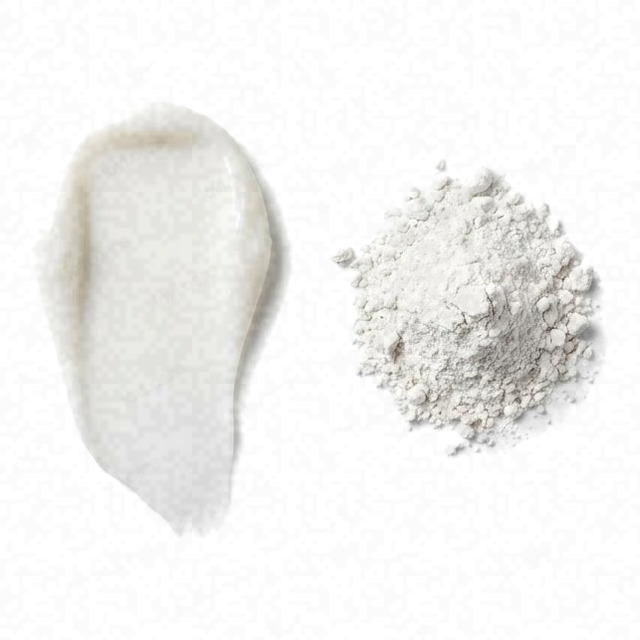 Zinc Oxide
 Glycerin
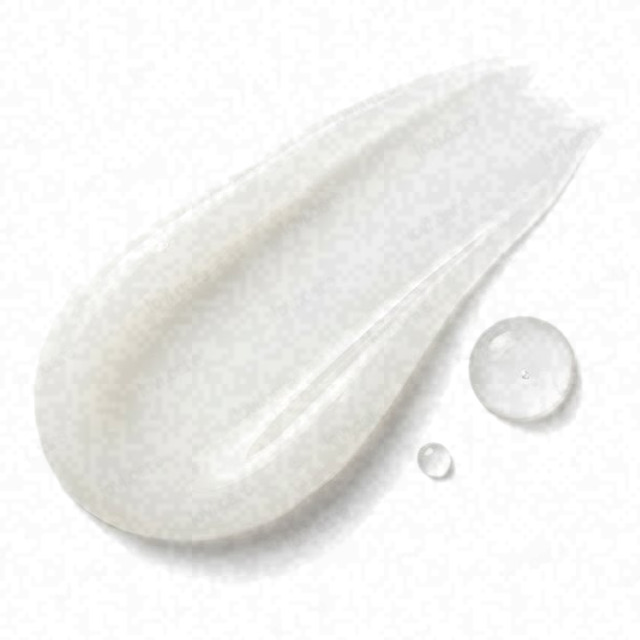 Butylene Glycol
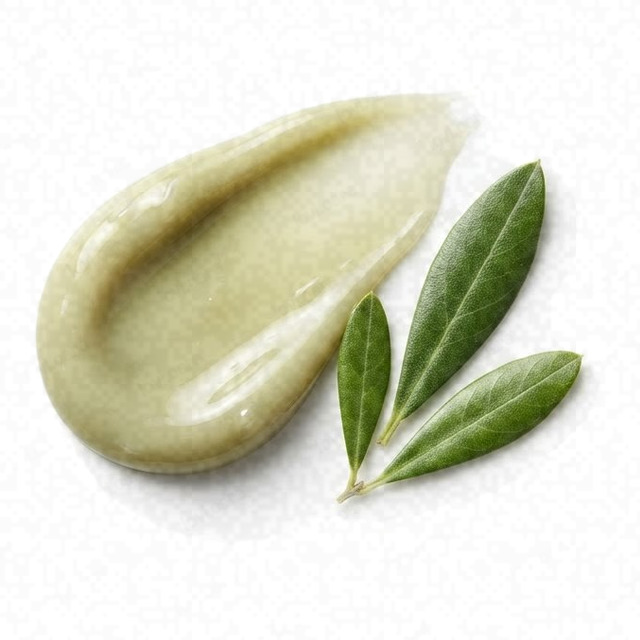 Oil Tree Leaf
High
- HighCombination Skin Fit
- AverageEffectiveness
- HighSafety
A great choice for acne-prone skin; a few serums fit it even better.
This fit is calculated for the concerns frequently associated with acne-prone skin: breakouts, blackheads, and post-acne marks. For scores and recommendations based on your full skin profile, including your 12D face scan results and any goals or preferences you have, please use the Lovi app.
Page built Nov 8, 2026How the Fit score works
Lovi Assistant explains
- Offers moderate treatment for your acne-prone skin as Centella Asiatica Extract and Zinc PCA help reduce acne lesions and blemishes, while Centella Asiatica Leaf Water provides soothing hydration.
- The formula is highly suitable for your combination skin, with Zinc PCA offering seboregulating actions to balance oil production.
- The safety profile is excellent, with no risks of irritation due to the absence of harsh ingredients and the presence of soothing components.
How to apply
- Use your serum as part of your PM routine and start 3x/week before working up to daily use.
- Apply this treatment after cleansing and toner, and before your moisturizer.
- Gently press 2-3 drops of the serum into your skin and let it absorb for a minute.
- Apply the product on clean, dry skin to help manage your breakouts safely.
- Avoid the eye area and do a patch test before your first use.
People Say
★4.4Overall rating based on 4.7k+ reviewsBased on a very large amount of data, this thick spot-treatment cream is highly effective for acne-prone users, rapidly calming inflammation, flattening whiteheads, and reducing redness. It is also frequently noted as gentle and suitable for sensitive skin. A significant drawback is that it often leaves a noticeable white cast and can be drying if applied to larger areas.
Highlights
Calms redness Mostly Mentioned
- “Redness vanished overnight”
- “Soothed angry cystic acne”
- “Inflammation went down significantly”
Leaves white cast Mostly Mentioned
- “Looks like white paste”
- “Visible white patch”
- “Can't wear during day”
Gentle on sensitive skin Often Mentioned
- “No irritation at all”
- “Great for sensitive skin”
- “Doesn't sting open spots”
Heals acne quickly Often Mentioned
- “Flattened pimple in one night”
- “Shrinks whiteheads fast”
- “Zits gone in two days”
Thick texture Often Mentioned
- “Hard to spread”
- “Thick and pasty”
- “Doesn't absorb well”
Fades marks Sometimes Noted
- “Helped fade dark spots”
- “Acne scars look lighter”
- “Reduces post-breakout marks”
Small size Sometimes Noted
- “Tiny jar for price”
- “Finished very quickly”
- “Wish it was bigger”
Drying on large areas Rarely Noted
- “Dried out my skin”
- “Flaky if used all over”
- “Only for spots”
Sources: lovi.care, iherb.com, stylekorean.com, pickyskincare.com, sociolla.com, myer.com.au, and more
Questions and answers
What makes COSRX Centella Blemish Cream a great fit for acne-prone skin?
COSRX Centella Blemish Cream is a great fit because centella extract and zinc help calm acne spots while giving your skin soothing hydration. It also balances oil production and has an excellent safety profile with very low risk of irritation.
Molecules, 2023The Journal of Clinical and Aesthetic Dermatology, 2020
Which ingredients make this cream a good fit for acne-prone skin?
Centella Asiatica Extract and Zinc PCA make this cream a great fit because they help reduce acne lesions and blemishes. Additionally, Centella Asiatica Leaf Water provides soothing hydration while Zinc PCA helps balance oil production in your skin.
Molecules, 2023The Journal of Clinical and Aesthetic Dermatology, 2020
What does Centella Asiatica Extract do for acne-prone skin?
Centella asiatica extract helps calm angry skin, reduces redness, and supports healing for breakouts. It is unlikely to cause irritation and may improve overall skin clarity when used consistently.
Molecules, 2023Journal of Alternative and Complementary Medicine, 2020
What does Zinc Oxide do for acne-prone skin?
Zinc oxide helps calm acne-prone skin by reducing breakouts, redness, and the bacteria linked to pimples. Studies show that using it on your skin is generally safe and unlikely to cause irritation.
Where does this cream go in a skincare routine for acne-prone skin?
This treatment goes in your evening routine, applied after cleansing and before your moisturizer. You can also use it in your weekly routine after a cleansing mask and toner, helping calm your skin while keeping it hydrated.
Can I use this cream with retinol, and in what order?
Yes, you can use this cream with retinol by applying it after your retinol treatment as the final moisturizing step in your evening routine to help calm the skin. The soothing ingredients and gentle formula make it very unlikely to cause irritation when paired with stronger treatments.
How often should I use this cream?
This treatment is used in the evening as part of your routine for acne-prone skin. It is unlikely to cause irritation and has an excellent safety profile, making it comfortable for regular use.
Molecules, 2023The Journal of Clinical and Aesthetic Dermatology, 2020
Can this cream clog pores, cause breakouts or purging for acne-prone skin?
This cream is unlikely to clog pores or cause breakouts for acne-prone skin because it features soothing and balancing ingredients like centella and zinc that help calm redness and control oil. It does not contain harsh components, making it safe for daily use without irritation.
Molecules, 2023The Journal of Clinical and Aesthetic Dermatology, 2020
Is this cream fragrance-free and alcohol-free?
Yes, it has no fragrance and no drying alcohol. Cetearyl alcohol is a fatty alcohol, which soften the skin.
What the research says
Co-delivery of paeonol and madecassoside via nanoemulsions improved transdermal delivery, promoted barrier repair proteins, inhibited inflammatory cytokine secretion in cellular and 3D models, and reduced transepidermal water loss and acne in human facial skin compared to free components.
Molecules, 2023Topical nicotinamide plus an antibacterial adhesive agent and zinc-pyrrolidone carboxylic acid combined with adapalene significantly reduced noninflammatory acne lesions by the second week of therapy compared to placebo with adapalene in patients with moderate acne vulgaris.
The Journal of Clinical and Aesthetic Dermatology, 2020Biomimetic hyaluronic acid-stabilized zinc oxide nanoparticles selectively inhibited C. acnes, outperformed erythromycin in preclinical acne models, and safely reduced acne lesions and redness in a clinical trial.
Journal of Controlled Release, 2025Topical 0.5% hyaluronic-ZnO nanogel applied twice daily reduced inflammatory-lesion counts by 58% at week four in human subjects compared to baseline without causing erythema.
Biomedicines, 2025Topical application of 0.05% w/w ECa 233 gel reduced erythema index by 0.03 U and improved early crusting and general wound appearance compared to placebo in thirty individuals undergoing facial laser resurfacing.
Journal of Alternative and Complementary Medicine, 2020A single application of a moisturizing fluid containing hyaluronic acid 1%, glycerin 5%, and Centella asiatica stem cells extract significantly increased skin hydration by 29% and reduced transepidermal water loss at 24 hours compared to baseline and an untreated control site in twenty healthy women.
Clinical, Cosmetic and Investigational Dermatology, 2017Moisturizer containing 5% panthenol, madecassoside, and copper-zinc-manganese decreased adverse reactions and downtime after ablative fractional carbon dioxide laser resurfacing with comparable efficacy to 0.02% triamcinolone acetonide cream in 20 subjects.
Journal of Cosmetic Dermatology, 2019Nels cream achieved a similar reduction in inflammatory and noninflammatory lesion counts compared to 5% benzoyl peroxide in acne vulgaris patients, but caused significantly fewer side-effects such as peeling and dryness.
Clinical and Experimental Dermatology, 2000Topically applied coated and uncoated zinc oxide nanoparticles under flexing and massage are retained in the stratum corneum with no significant penetration into the viable epidermis and no cellular toxicity in human skin.
Nanomedicine, 2016The emollient V0034CR significantly reduced TEWL compared to vehicle and vehicle plus glycerol, and significantly increased corneometry scores compared to vehicle and vehicle plus petrolatum in healthy volunteers with dry skin, demonstrating combined barrier function improvement from petrolatum and hydration improvement from glycerol.
Journal of Cosmetic Dermatology, 2020Ten days of treatment with a cream containing 20% glycerin significantly increased skin hydration measured by corneometer values in 17 healthy volunteers compared to a placebo cream, but showed no influence on transepidermal water loss or skin sensitivity to an irritating surfactant.
International Journal of Cosmetic Science, 2001Niacinamide/glycerin body moisturizers provided better rapid and prolonged improvement of cosmetic xerosis through functional improvement of stratum corneum barrier function compared to no treatment and conventional moisturizers in female subjects.
Journal of Drugs in Dermatology, 2012Topical herbal treatments including lemon balm, olive leaf extract, propolis, and sage-rhubarb cream reduce pain, swelling, lesion size, and healing time in patients with herpes labialis compared with placebo or acyclovir.
Journal of Integrative and Complementary Medicine, 2025Topical oleuropein formulations reduced erythema, transepidermal water loss, and blood flow by approximately 22%, 35%, and 30% in healthy volunteers with UVB-induced erythema.
International Journal of Cosmetic Science, 2008An oil-in-serum formulation containing olive extract standardized in hydroxytyrosol improved skin barrier function and significantly reduced hyperpigmentation in participants with post-inflammatory hyperpigmentation after 45 days of application.
AAPS PharmSciTech, 2026
Ingredients
Centella Asiatica Leaf Water, Butylene Glycol, Glycerin, Helianthus Annuus Seed Oil Sunflower Seed Oil, Zinc Oxide, Dimethicone, Betaine, 1,2-Hexanediol, Viola Tricolor Extract, Palm Oil, Palm Kernel Oil, Cetearyl Alcohol, Cetearyl Olivate, Sorbitan Olivate, Centella Asiatica Extract, Zinc Pca, Xanthan Gum, Hydroxyethyl Acrylate Sodium Acryloyldimethyl Taurate Copolymer, Melaleuca Alternifolia Tree Oil Leaf, Scutellaria Baicalensis Root Extract
Behind this fit score
Lovi calculates every fit score from the full ingredient list with brand-independent rules our dermatologists and cosmetic chemists build and review, and personalizes every pick with AI trained on the real results of millions of users. Lovi trains its fit score models on a proprietary dataset built from more than 10,000 expert-labeled products and more than 100,000 simulated examples, following an internally consistent methodology presented at Cosmoprof, AMWC, and Skin of Color Update.
-

Co-founder, Medical Director
Cosmetic chemist, cosmetologist, aesthetic products developer
-

Co-founder, CEO and CTO
PhD in computer science, 3x US patent holder, ex-Google, ex-Yandex
-

Dr. Sofía Perea Pérez, MD, MSc
Medical Board
Aesthetic medicine practitioner, MSc in Longevity and Anti-Aging Medicine
-

Medical Board
Specialist dermatologist, MBBS, MD, IFAAD
-

Medical Board
Cosmetic chemist, SCS, IFSCC member
-

Medical Board, Medical Advisor
Dermatology MD
-

Elina Nazarenko, MD
Medical Board
Dermatology and diagnostic consultant
-

Victoria Derkova, MS
Medical Board
Cosmetic chemist, cosmetic development technologist


How does it fit your skin?
Scan your face, then any product: Lovi shows how well it fits you and what fits even better.