Clinique Smart Clinical Repair Lifting Face + Neck Cream for acne-prone skin

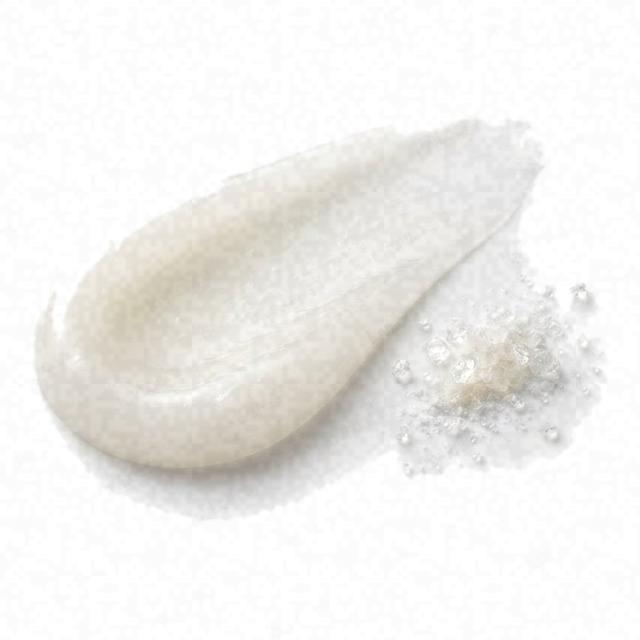 Multi-Peptides
 Sodium Hyaluronate
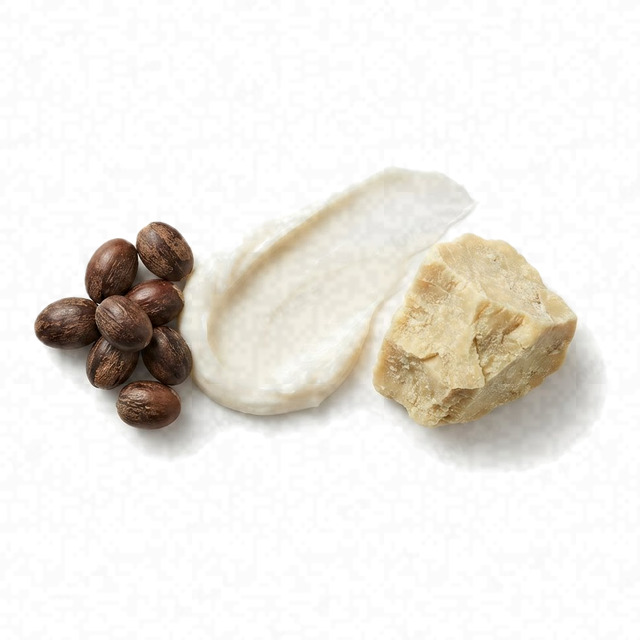 Shea Butter
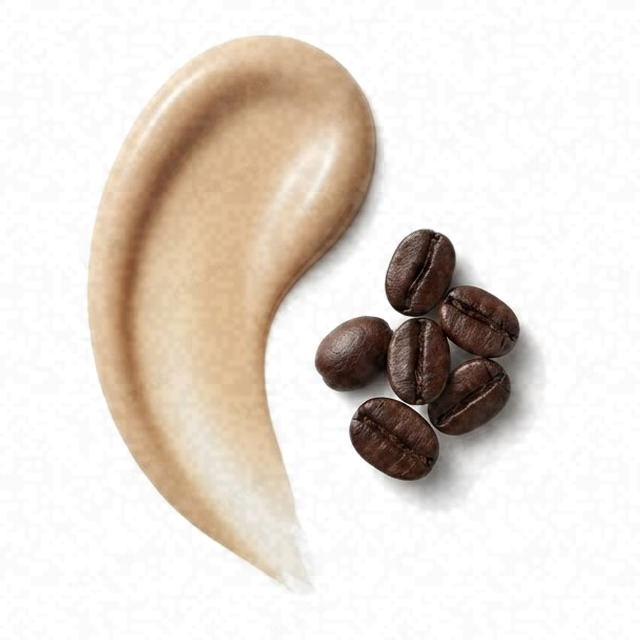 Caffeine
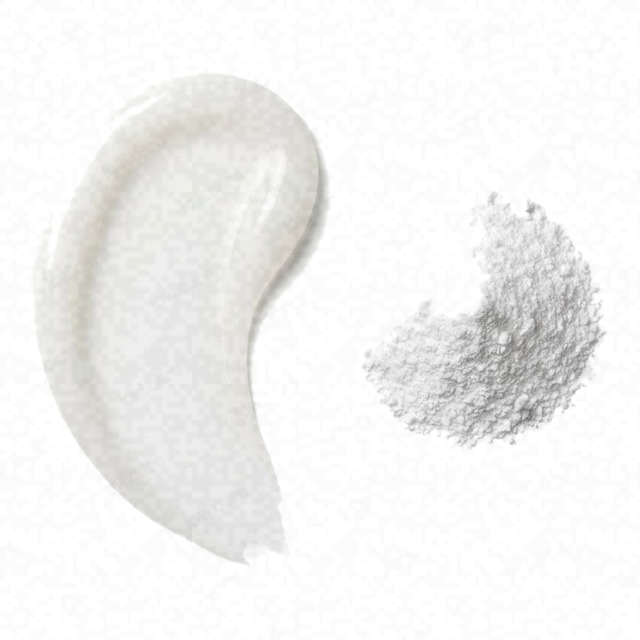 Acetyl Hexapeptide-8
Average
- AverageCombination Skin Fit
- AverageEffectiveness
- HighSafety
Works for acne-prone skin; other moisturizers fit it better.
This fit is calculated for the concerns frequently associated with acne-prone skin: breakouts, blackheads, and post-acne marks. For scores and recommendations based on your full skin profile, including your 12D face scan results and any goals or preferences you have, please use the Lovi app.
Page built Nov 8, 2026How the Fit score works
Lovi Assistant explains
- Offers moderate suitability for your combination skin, as glycerin and sodium hyaluronate provide hydration, while shea butter and multiple peptides offer moisturizing and firming benefits. However, it lacks sufficient ingredients for optimal oil control on your oily areas and targeted treatment for acne, blemishes, and breakouts.
- The formula is generally safe for your combination skin, with shea butter and jojoba seed oil providing soothing properties and an absence of harsh ingredients.
- This product provides general skincare benefits that are supportive for acne-prone skin, but it does not directly address your main goal of treating acne, blemishes, and breakouts.
How to apply
- Use your moisturizer twice a day in your AM and PM routines. Apply it daily to help keep breakouts under control.
- Apply after your cleanser and toner, and make sure to use your SPF right after in the morning.
- Gently spread a small amount of moisturizer over your face using soft motions. Let it absorb into the skin for a minute before getting dressed or applying makeup.
- Apply on slightly damp skin to help lock in extra moisture. This keeps your combination skin balanced without feeling heavy.
- Avoid the eye area and do a patch test before your first use. Stop using if you feel any irritation.
People Say
★4.3Overall rating based on 600+ reviewsThis cream is widely praised for its ability to hydrate and visibly smooth the delicate skin on the neck and jawline, with many users reporting a firmer, more lifted appearance after consistent use. A subset of users with sensitive skin experienced peeling or found the texture difficult to spread.
Highlights
Deeply hydrating Mostly Mentioned
- “cushiony cream texture”
- “plumps with hydration”
- “absorbs perfectly”
- “non-greasy feel”
Firms and lifts Often Mentioned
- “neck feels smoother”
- “jawline looks more defined”
- “skin looks more lifted”
- “helped with turkey neck”
Fragrance-free Sometimes Noted
- “great for sensitive noses”
- “no strong smell”
- “100% fragrance free”
- “gentle scent-free formula”
Reduces lines Sometimes Noted
- “softens neck lines”
- “wrinkles less visible”
- “smoother skin texture”
- “crepiness improved”
Lack of lifting Sometimes Noted
- “not lifting as promised”
- “moisturizing but no lift”
- “didn't see major changes”
- “too expensive for the results”
Caused peeling Rarely Noted
- “makes my skin peel”
- “unfortunately flakes”
- “pills under foundation”
- “caused redness and peeling”
Heavy feel Rarely Noted
- “felt too heavy”
- “caused breakouts”
- “too rich for day use”
- “sat on top of skin”
Thick consistency Rarely Noted
- “hard to scoop out”
- “strange consistency”
- “felt plastic-like”
- “too thick to spread easily”
Sources: lovi.care, clinique.com, sephora.com, ulta.com, johnlewis.com, marksandspencer.com, and more
Questions and answers
How well does Smart Clinical Repair Lifting Face + Neck Cream work for acne-prone skin?
Clinique Smart Clinical Repair Lifting Face + Neck Cream works moderately well for acne-prone skin because glycerin and sodium hyaluronate provide hydration while shea butter and multiple peptides offer firming benefits, though it lacks targeted ingredients for breakouts. To fit acne-prone skin better, a moisturizing treatment needs ingredients that manage oil and actively treat blemishes without causing irritation.
Which ingredients make this cream a good fit for acne-prone skin?
Glycerin and sodium hyaluronate make this cream a good fit by drawing in moisture, while shea butter and jojoba oil help soothe the skin. However, because this is an average fit, acne-prone skin needs a product with targeted acne-fighting ingredients and oil-control components to properly manage breakouts.
What do Peptides do for acne-prone skin?
Peptides help acne-prone skin by fighting acne-causing bacteria and calming redness and swelling. They may also support the skin barrier, which is often delicate when you deal with breakouts.
What does Hyaluronic Acid do for acne-prone skin?
Hyaluronic acid helps acne-prone skin by soothing irritation, calming redness, and keeping the skin balanced without clogging pores. When combined with targeted ingredients like zinc oxide, it may also help reduce breakouts.
Where does this cream go in a skincare routine for acne-prone skin?
This moisturizing treatment goes near the end of your morning and evening routines, right after your hydrating toner or treatment. While it provides general support, acne-prone skin needs a product that also offers oil control and targeted breakout ingredients.
Can I use this cream with retinol, and in what order?
You can use this cream with retinol by applying the cream after your retinol treatment to help keep your skin soft and calm. Moisturizers like this are unlikely to irritate acne-prone skin, but an ideal product for this skin type also needs oil control and blemish-clearing ingredients.
How often should I use this cream?
This cream works well when applied twice a day as part of your morning and evening routine to keep your skin hydrated and smooth. Regular daily application of moisturizers helps maintain skin comfort and supports the skin barrier, though acne-prone skin also needs targeted ingredients for oil control and blemishes.
Journal of Cosmetic Dermatology, 2020Health Science Reports, 2021
Can this cream clog pores, cause breakouts or purging for acne-prone skin?
This cream works for acne-prone skin, though it is not specifically designed to treat breakouts. Because it contains heavy ingredients like shea butter and a thick consistency, it may occasionally feel heavy or cause clogged pores, so an acne-prone skin type needs a lighter hydrator with oil-controlling ingredients and targeted blemish treatments instead.
Can I use this cream around the eyes or on my body?
You can use this moisturizing treatment around the eyes or on your body, as its safe formula and hydrating ingredients like sodium hyaluronate and glycerin are generally well tolerated by delicate or thicker skin regions.
Is this cream fragrance-free and alcohol-free?
Yes, it has no fragrance and no drying alcohol. Behenyl alcohol is a fatty alcohol, which soften the skin.
What the research says
A single application of a moisturizing fluid containing hyaluronic acid 1%, glycerin 5%, and Centella asiatica stem cells extract significantly increased skin hydration by 29% and reduced transepidermal water loss at 24 hours compared to baseline and an untreated control site in twenty healthy women.
Clinical, Cosmetic and Investigational Dermatology, 2017A combination cream of stimu-tex AS and saccharide isomerate reduced erythema, increased skin capacitance, and reduced transepidermal water loss compared to placebo in 20 subjects after fractional CO2 laser procedure without causing serious adverse events.
Lasers in Medical Science, 2025Clay jojoba oil facial masks reduced total skin lesions by a mean of 54% after 6 weeks in 133 participants with acne-prone, lesioned skin and mild acne compared to baseline.
Forschende Komplementarmedizin, 2012Optimized transfersomes loaded with epigallocatechin-3-gallate and hyaluronic acid increased cell viability while reducing lipid peroxidation, intracellular ROS, and MMP expression in HaCaT cells, and exhibited higher skin permeation and deposition compared to plain EGCG.
Drug Delivery, 2017Topical application of 0.1% hyaluronic acid formulations of different molecular weights led to significant improvements in skin hydration and elasticity, with low-molecular-weight formulations also significantly reducing wrinkle depth in seventy-six female subjects compared to a vehicle control.
Journal of Drugs in Dermatology, 2011Topical application of hyaluronic acid in conjunction with free gingival graft significantly reduced donor site postoperative pain until day 7 compared to normal saline, with no significant differences in graft dimensions or patient satisfaction.
Clinical Oral Investigations, 2022Treatment with a hyaluronic acid-containing mouth rinse or topical gel led to significant lesion reduction, pain relief, and normalization of lesion color in adult patients with minor recurrent aphthous stomatitis, with the gel formulation showing an earlier healing onset at 3 days.
BMC Oral Health, 2019A skin barrier restoring cream with shea butter, silkflo, and vitamin E increased type I procollagen synthesis, enhanced antioxidant enzyme activity, decreased reactive oxygen species generation, and promoted hyaluronic acid production in H2O2-stimulated human keratinocyte cells compared to untreated cells.
International Journal of Cosmetic Science, 2025A topical cosmetic slimming product containing tetrahydroxypropyl ethylenediamine, caffeine, carnitine, forskolin and retinol significantly reduced body circumferences and improved skin aspect compared with placebo in 78 women over 12 weeks.
International Journal of Cosmetic Science, 2011Topical sunscreen formulations containing caffeine combined with UV filters increased in vivo anti-UVB protection by approximately 25% and showed higher SPF values compared to caffeine-free sunscreen, while being well tolerated by the skin of healthy subjects.
Frontiers in Physiology, 2019Caffeine gel combined with choline geranate showed high skin permeation capacity and superior clinical results in cellulite treatment compared to caffeine gel without ionic liquid.
AAPS PharmSciTech, 2021Treatment with cross-linked hyaluronic acid-based microneedle patches combined with acetyl hexapeptide-8 or epidermal growth factor significantly improved wrinkles and skin hydration compared to the patch alone in Korean females over 29 days.
Annals of Dermatology, 2019Argireline treatment twice daily for 4 weeks produced a significant anti-wrinkle effect with 48.9% total efficacy and decreased skin roughness in Chinese subjects compared with 0% efficacy and no decrease in roughness in the placebo group.
American Journal of Clinical Dermatology, 2013Acetyl hexapeptide-3 and tripeptide-10 citrulline demonstrated antiwrinkle efficacy and decreased transepidermal water loss in twenty-four healthy volunteers compared to control groups, though synergistic effects between the two peptides remained unclear.
Journal of Cosmetic Dermatology, 2017
Why other moisturizers fit acne-prone skin better
Co-delivery of paeonol and madecassoside via nanoemulsions improved transdermal delivery, promoted barrier repair proteins, inhibited inflammatory cytokine secretion in cellular and 3D models, and reduced transepidermal water loss and acne in human facial skin compared to free components.
Molecules, 2023A panthenol-enriched mask improved skin hydration, regulated sebum, and reduced redness and TEWL across dry sensitive, oily sensitive, and oily acne skin subgroups with excellent tolerance and no adverse reactions.
Journal of Cosmetic Dermatology, 2024A facial serum containing snail secretion filtrate, Calendula officinalis, and Glycyrrhiza glabra root extract significantly reduced inflammatory acne lesions compared to placebo in 66 participants with mild-to-moderate maskne over 12 weeks.
Journal of Cosmetic Dermatology, 2022
Ingredients
Water, Butyrospermum Parkii Butter Shea Butter, Butylene Glycol, Caprylic Capric Myristic Stearic Triglyceride, Polyglyceryl-3 Methylglucose Distearate, Glycerin, Coco-Caprylate Caprate, Jojoba Seed Oil, Polyglyceryl-10 Pentastearate, Glyceryl Stearate, Behenyl Alcohol, Ricinus Communis Seed Oil Castor Seed Oil, Mangifera Indica Seed Butter, Prunus Amygdalus Dulcis Seed Extract, Caffeine, Dimethicone, Ethylhexylglycerin, Dimethicone Vinyl Dimethicone Crosspolymer, Caprylyl Glycol, Beeswax Alba Cire Dabeille Cera, Sodium Hyaluronate, Acetyl Hexapeptide-8, Palmitoyl Tripeptide-1, Palmitoyl Tetrapeptide-7, Palmitoyl Hexapeptide-12, Peg-8, Peg-100 Stearate, Glyceryl Polymethacrylate, Acrylates Va Copolymer, Carnauba Wax Cera Copernicia Cerifera Cire De Carnauba Wax Cera, Potassium Cetyl Phosphate, Acrylates C10-30 Alkyl Acrylate Crosspolymer, Sodium Stearoyl Lactylate, Hydroxyethyl Acrylate Sodium Acryloyldimethyl Taurate Copolymer, Stearic Acid, Hexylene Glycol, Sodium Hydroxide, Carbomer, Polysorbate 60, Sorbitan Isostearate, Polysorbate 20, Tocopheryl Acetate, Tocopherol, Disodium Edta, Phenoxyethanol, Chlorphenesin, Potassium Sorbate, Mica, Titanium Dioxide Ci 77891
Behind this fit score
Lovi calculates every fit score from the full ingredient list with brand-independent rules our dermatologists and cosmetic chemists build and review, and personalizes every pick with AI trained on the real results of millions of users. Lovi trains its fit score models on a proprietary dataset built from more than 10,000 expert-labeled products and more than 100,000 simulated examples, following an internally consistent methodology presented at Cosmoprof, AMWC, and Skin of Color Update.
-

Co-founder, Medical Director
Cosmetic chemist, cosmetologist, aesthetic products developer
-

Co-founder, CEO and CTO
PhD in computer science, 3x US patent holder, ex-Google, ex-Yandex
-

Dr. Sofía Perea Pérez, MD, MSc
Medical Board
Aesthetic medicine practitioner, MSc in Longevity and Anti-Aging Medicine
-

Medical Board
Specialist dermatologist, MBBS, MD, IFAAD
-

Medical Board
Cosmetic chemist, SCS, IFSCC member
-

Medical Board, Medical Advisor
Dermatology MD
-

Elina Nazarenko, MD
Medical Board
Dermatology and diagnostic consultant
-

Victoria Derkova, MS
Medical Board
Cosmetic chemist, cosmetic development technologist


How does it fit your skin?
Scan your face, then any product: Lovi shows how well it fits you and what fits even better.