TIZO AM Replenish Non-tinted Facial Mineral Sunscreen SPF 40 for oily skin

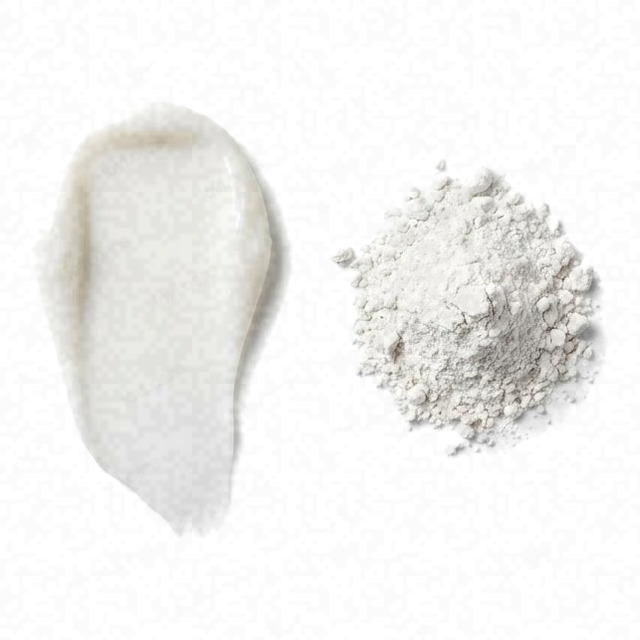 Zinc Oxide
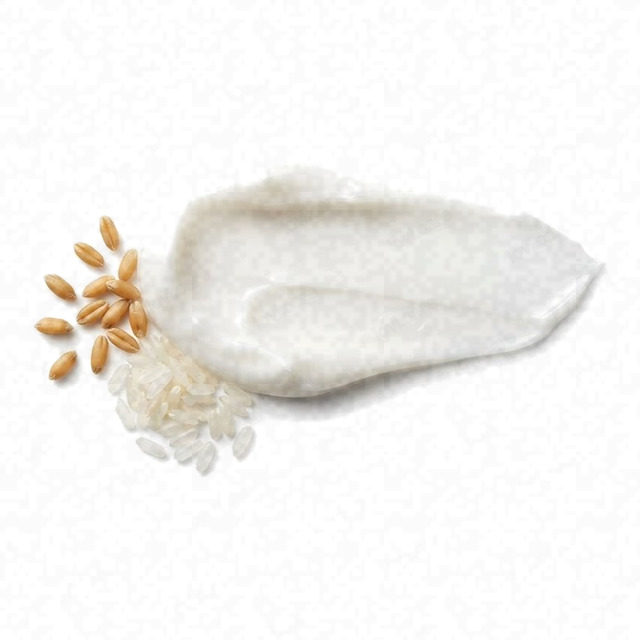 Ceramide Iii B
 Tetrahexyldecyl Ascorbate
 Tocopheryl Acetate
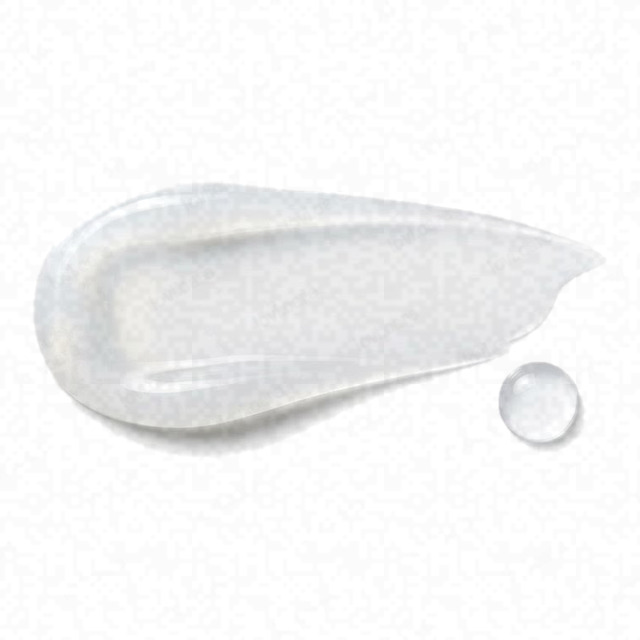 Dimethicone
High
- HighOily Skin Fit
- HighEffectiveness
- ExcellentSafety
One of the best sunscreens for oily skin.
This fit is calculated for the concerns frequently associated with oily skin: shine, enlarged pores, blackheads, and blemishes. For scores and recommendations based on your full skin profile, including your 12D face scan results and any goals or preferences you have, please use the Lovi app.
Page built Nov 8, 2026How the Fit score works
Lovi Assistant explains
- Highly suitable for your oily skin, this product utilizes zinc oxide for excellent oil control and vitamin C to brighten and provide antioxidant benefits, addressing your concerns about oily shine.
- The inclusion of ceramides further supports your skin barrier, enhancing overall skin health and resilience.
- This formula is safe for your skin, with no reported irritation risks and beneficial ingredients like vitamins C and ceramides.
How to apply
- Use this moisturizing sunscreen daily in your AM routine. Reapply every two hours when exposed to direct sun.
- Apply this moisturizing sunscreen as the final step of your morning routine after your moisturizer.
- Smooth an even layer of the moisturizing sunscreen over your face and neck, avoiding harsh rubbing.
- Apply the moisturizing sunscreen onto clean, dry skin for the best protection and even coverage.
- Avoid the immediate eye area and discontinue use if any irritation occurs.
People Say
★4.4Overall rating based on 200+ reviewsThis sunscreen is highly praised for its silky, primer-like texture that applies smoothly and works well under makeup. Some users have noted a slight white cast that can reappear with sweat, and a few find it to be expensive for the amount provided.
Highlights
Silky, primer-like texture Mostly Mentioned
- “feels more like skincare”
- “glides on smoothly”
- “doubles as a makeup primer”
- “silky texture”
Lightweight feel Often Mentioned
- “feels weightless”
- “disappears on my skin”
- “light on the skin”
- “doesn't feel heavy”
Soothing for sensitive skin Often Mentioned
- “soothing and protective”
- “no flare-ups”
- “doesn't sting”
Hydrating yet matte Sometimes Noted
- “hydrates without shine”
- “emollient without feeling greasy”
- “natural matte finish”
- “skin feels moisturized”
High price point Sometimes Noted
- “tube is laughably tiny”
- “expensive for the amount”
- “pricey daily sunscreen”
White cast issues Sometimes Noted
- “bit of white cast”
- “white beads of sweat”
- “turns white again if you sweat”
- “not completely clear”
Poor water resistance Rarely Noted
- “runs everywhere”
- “white drip marks”
- “sweat stings eyes”
- “not for sports”
Thick consistency Rarely Noted
- “texture is a bit thick”
- “takes work to rub in”
- “can feel heavy initially”
Sources: lovi.care, lovelyskin.com, dermstreet.com, amazon.com, tizoskin.com, grittybeauty.com, and more
Questions and answers
What makes TIZO AM Replenish Non-tinted Facial Mineral Sunscreen SPF 40 a great fit for oily skin?
This sunscreen is a great fit for oily skin because it uses zinc oxide to help control shine while vitamin C brightens the skin. It also contains ceramides to support your skin barrier and is unlikely to cause irritation.
Which ingredients make this sunscreen a good fit for oily skin?
Zinc oxide is a great fit for your oily skin because it provides excellent oil control to help manage shine. Additionally, vitamin C brightens your complexion while ceramides support and strengthen your skin barrier.
Journal of Cosmetic Dermatology, 2020Skin Pharmacology and Physiology, 2026
What does Zinc Oxide do for oily skin?
Zinc oxide helps calm oily and breakout-prone skin by reducing redness and targeting bacteria that cause blemishes. It is unlikely to cause irritation and may help balance skin oil production.
What does Ceramide III B do for oily skin?
Ceramide III B is typically not the best match for oily skin because it adds rich moisture that can feel too heavy. Oily skin generally needs lightweight hydrators and ingredients that help balance shine rather than heavy barrier creams.
Where does this sunscreen go in a skincare routine for oily skin?
This sunscreen goes as the last step of your morning skincare routine, right after your moisturizer. It is a great fit for oily skin because it uses zinc oxide to help control shine and vitamin C to brighten.
Can I use this sunscreen with retinol, and in what order?
You can use this sunscreen in the morning after applying your retinol and moisturizer step as part of your routine. This product is safe for your skin, featuring zinc oxide for oil control and ceramides to help protect and support your skin barrier.
Journal of Drugs in Dermatology, 2023Journal of Drugs in Dermatology, 2012
How often should I use this sunscreen?
Use this sunscreen every morning as the final step of your daytime routine. Applying it daily helps protect your skin from the sun while controlling oily shine and supporting your skin barrier.
Can this sunscreen clog pores, cause breakouts or purging for oily skin?
This sunscreen is a great fit for oily skin and is unlikely to cause clogged pores or breakouts, as it uses zinc oxide for oil control and features a safe formula with no reported irritation risks. It helps keep your skin feeling smooth while supporting your skin barrier with ceramides and brightening vitamins.
Skin Pharmacology and Physiology, 2022Skin Pharmacology and Physiology, 2026
Is this sunscreen fragrance-free and alcohol-free?
Yes, it has no fragrance and no drying alcohol.
What the research says
A topical serum containing vitamin C, vitamin E, and raspberry leaf cell culture extract improved skin color, elasticity, radiance, smoothness, scaliness, and wrinkles compared to the untreated contralateral side in fifty female volunteers.
Journal of Cosmetic Dermatology, 2020A lipid mixture enriched by ceramide NP with fatty acids of diverse chain lengths significantly improved skin barrier recovery rate, stratum corneum integrity, and hydration compared to a vehicle cream in healthy adult male volunteers with corticosteroid-impaired skin.
Skin Pharmacology and Physiology, 2022In 50 participants with sensitive skin, a Ceramide NP C15-containing emollient improved skin barrier function with a significant reduction in transepidermal water loss and induced modest changes in skin microbiota compared to the vehicle.
Skin Pharmacology and Physiology, 2026Vitamin C mesotherapy produced a significant and earlier reduction in gingival pigmentation and higher patient satisfaction compared to topical gel in twenty healthy non-smokers with hyperpigmented gingiva, with both methods reducing the mean area fraction of melanin-forming cells at 6 months without causing pain.
Clinical Oral Investigations, 2021Topical 0.5% hyaluronic-ZnO nanogel applied twice daily reduced inflammatory-lesion counts by 58% at week four in human subjects compared to baseline without causing erythema.
Biomedicines, 2025Nels cream achieved a similar reduction in inflammatory and noninflammatory lesion counts compared to 5% benzoyl peroxide in acne vulgaris patients, but caused significantly fewer side-effects such as peeling and dryness.
Clinical and Experimental Dermatology, 2000Topically applied coated and uncoated zinc oxide nanoparticles under flexing and massage are retained in the stratum corneum with no significant penetration into the viable epidermis and no cellular toxicity in human skin.
Nanomedicine, 2016Topical application of 5% vitamin C cream significantly improved global clinical scores, increased skin microrelief density, and induced elastic tissue repair in photoaged skin compared to excipient control in healthy female volunteers.
Experimental Dermatology, 2003Ascorbic acid 2-glucoside gel significantly reduced gingival melanin pigmentation after 4 weeks compared to placebo in 73 subjects with symmetric pigmentation.
Journal of Periodontology, 2009Topical application of VC-IP cream twice daily for 8 weeks reduces periorbital wrinkles in female subjects compared to a placebo cream.
Journal of Cosmetic Dermatology, 2022Topical application of an antioxidant serum containing 15% ascorbic acid, 0.5% ferulic acid, and 1% tocopherol prevented particulate matter-induced degradation of extracellular matrix components, inflammation, and oxidative stress in the skin of 15 female volunteers compared to untreated controls.
Journal of Cosmetic Dermatology, 2025Dermatological products containing d-alpha tocopheryl acetate showed non-comedogenic potential with less than a 50% increase in microcomedones in 12 healthy male subjects compared to octyl palmitate.
Contemporary Clinical Trials Communications, 2021Topical application of an antioxidant mix containing 15% ascorbic acid, 0.5% ferulic acid, and 1% tocopherol prevented PM and UV-induced skin barrier perturbation, lipid peroxidation, inflammatory markers, MMP9 activation, and Type I collagen loss in 15 healthy females compared to untreated exposed skin.
Journal of Cosmetic Dermatology, 2024Wearing an N95 mask alone compared to using dimethicone cream or hydrocolloid dressing caused more adverse skin reactions among 73 military health care workers, with no significant differences in fit test failure rates between groups.
Military Medicine, 2024A dimethicone skin protectant lotion significantly decreased visual scoring and transepidermal water loss compared to vehicle control and SLS-only treated sites in 12 healthy humans exposed to sodium lauryl sulfate.
Skin Research and Technology, 2000Treatment with a moisturizer containing dimethicone and glycerine increased epidermal thickness by 0.019 mm, improved barrier function by decreasing transepidermal water loss by 13%, decreased melanin intensity, and induced keratins 6 and 16 in fifteen women with moderately photoaged forearms.
Clinical and Experimental Dermatology, 2007
Ingredients
Ceramide Iii B, Vitamins C, Zinc Oxide, Caprylic Capric Triglyceride, Ceramide Np, Cyclohexasiloxane, Cyclopentasiloxane, Dimethicone, Dimethicone Crosspolymer, Dimethicone Vinyl Dimethicone Crosspolymer, Dimethiconol, Iron Oxides, Methicone, Peg-10 Dimethicone, Polyhydroxystearic Acid, Tetrahexadecyl Ascorbate, Tocopheryl Acetate, Vinyl Dimethicone Methicone Silsesquioxane Crosspolymer
Behind this fit score
Lovi calculates every fit score from the full ingredient list with brand-independent rules our dermatologists and cosmetic chemists build and review, and personalizes every pick with AI trained on the real results of millions of users. Lovi trains its fit score models on a proprietary dataset built from more than 10,000 expert-labeled products and more than 100,000 simulated examples, following an internally consistent methodology presented at Cosmoprof, AMWC, and Skin of Color Update.
-

Co-founder, Medical Director
Cosmetic chemist, cosmetologist, aesthetic products developer
-

Co-founder, CEO and CTO
PhD in computer science, 3x US patent holder, ex-Google, ex-Yandex
-

Dr. Sofía Perea Pérez, MD, MSc
Medical Board
Aesthetic medicine practitioner, MSc in Longevity and Anti-Aging Medicine
-

Medical Board
Specialist dermatologist, MBBS, MD, IFAAD
-

Medical Board
Cosmetic chemist, SCS, IFSCC member
-

Medical Board, Medical Advisor
Dermatology MD
-

Elina Nazarenko, MD
Medical Board
Dermatology and diagnostic consultant
-

Victoria Derkova, MS
Medical Board
Cosmetic chemist, cosmetic development technologist


How does it fit your skin?
Scan your face, then any product: Lovi shows how well it fits you and what fits even better.