SOOU Rice Cream for oily acne-prone skin

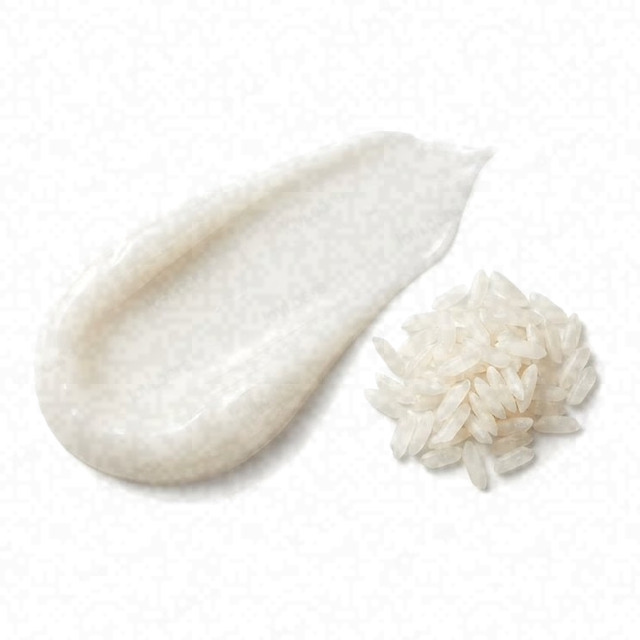 Rice Extract
 Niacinamide
 Sodium Hyaluronate
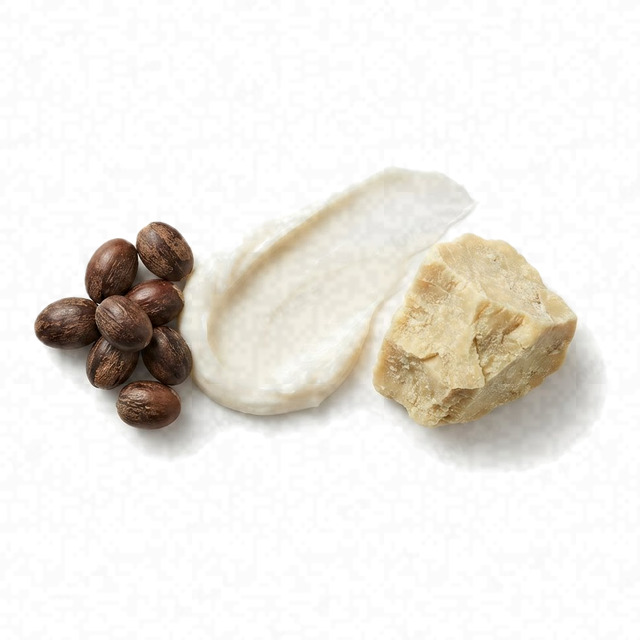 Shea Butter
 Glycerin
Average
- AverageOily Skin Fit
- AverageEffectiveness
- Low RiskSafety
Works for oily acne-prone skin; other moisturizers fit it better.
- Clinical, Cosmetic and Investigational Dermatology, 2017
- International Journal of Cosmetic Science, 2020
This fit is calculated for the concerns frequently associated with oily acne-prone skin: shine, breakouts, blemishes, and enlarged pores. For scores and recommendations based on your full skin profile, including your 12D face scan results and any goals or preferences you have, please use the Lovi app.
Page built Nov 8, 2026How the Fit score works
Lovi Assistant explains
- Offers moderate suitability for your oily skin due to niacinamide's seboregulation and humectant actions, but lacks sufficient mattifying ingredients for optimal results.
- The formula provides excellent moisturizing with glycerin and sodium hyaluronate, which hydrate and plump your skin, though it does not contain targeted ingredients for your acne, blemishes, and breakouts.
- The product is generally safe for your oily skin, with a low risk of irritation from fragrance.
How to apply
- Use this AM and PM routine every day to help clear your skin. Always remember to finish with SPF in the morning.
- Apply the moisturizer after your cleanser and toner, right before your SPF during the day.
- Gently press a small amount into your skin and avoid rubbing to keep pores clear.
- Apply on clean, slightly damp skin to help the product absorb better and control oil.
- Avoid the sensitive eye area and do a simple patch test before your first use.
Questions and answers
How well does SOOU Rice Cream work for oily acne-prone skin?
This cream works moderately well for oily acne-prone skin because it hydrates with glycerin and sodium hyaluronate while helping balance oil with niacinamide, though it lacks strong mattifying ingredients and blemish-fighting treatments. To properly care for this skin type, a product needs powerful hydrating and repairing ingredients that clear blemishes, control oil without clogging pores, and provide a lightweight, non-greasy finish.
Which ingredients make this cream a good fit for oily acne-prone skin?
Niacinamide helps balance oil, while glycerin and sodium hyaluronate keep your skin hydrated without feeling heavy. A product of this type for oily, acne-prone skin also needs mattifying ingredients and targeted blemish treatments to stay shine-free and clear.
What does Rice Extract do for oily acne-prone skin?
Rice extract helps calm oily acne-prone skin by reducing acne-causing bacteria and lowering inflammation. It may also help keep your skin clear and smooth without causing irritation.
What does Niacinamide do for oily acne-prone skin?
Niacinamide helps balance oil production, calms redness, and is unlikely to irritate oily, acne-prone skin while improving blemishes. Clinical tests show it reduces excess oil and helps clear up both inflammatory and non-inflammatory acne breakouts.
Journal of Cosmetic and Laser Therapy, 2006Journal of Cosmetic Dermatology, 2024
Where does this cream go in a skincare routine for oily acne-prone skin?
This cream goes in the moisturizer step, used in the morning and evening for your oily skin. Because it offers only moderate suitability and lacks targeted blemish-fighting ingredients, an ideal product of this type for this skin needs extra mattifying and breakout-clearing ingredients.
Can I use this cream with retinol, and in what order?
You can use this cream with retinol by applying your retinol treatment first in the evening, followed by this moisturizing treatment. This helps keep your skin hydrated while you use retinol, though oily acne-prone skin works best with products that also include targeted breakout-fighting ingredients and mattifying agents.
How often should I use this cream?
You can use this moisturizing treatment twice daily as part of your morning and evening routine to keep your skin hydrated. Daily application of moisturizers of this type helps improve skin moisture and barrier function, though oily and acne-prone skin needs extra mattifying and blemish-fighting ingredients for optimal results.
Journal of Cosmetic Dermatology, 2020Health Science Reports, 2021
Can this cream clog pores, cause breakouts or purging for oily acne-prone skin?
SOOU Rice Cream works for your oily acne-prone skin, though other choices fit it better because it lacks targeted ingredients for breakouts and enough mattifying control. A product of this type needs oil-absorbing or blemish-clearing ingredients to truly suit oily skin.
Can I use this cream around the eyes or on my body?
You can use this moisturizing treatment around the eyes and on the body because its formula is generally safe and well-tolerated. However, this skin type needs targeted mattifying ingredients and blemish-fighting actives to achieve the best results.
Is this cream fragrance-free and alcohol-free?
It has no drying alcohol and contains fragrance (parfum). Cetyl alcohol, stearyl alcohol, myristyl alcohol, and lauryl alcohol are fatty alcohols, which soften the skin.
What the research says
A single application of a moisturizing fluid containing hyaluronic acid 1%, glycerin 5%, and Centella asiatica stem cells extract significantly increased skin hydration by 29% and reduced transepidermal water loss at 24 hours compared to baseline and an untreated control site in twenty healthy women.
Clinical, Cosmetic and Investigational Dermatology, 2017Daily application of a cream containing niosomes loaded with purple glutinous rice extract in 20 human volunteers for 28 days resulted in a significant decrease in melanin index and skin roughness by -14.05% and -9.95%, and increases in skin hydration and elastic recovery by +48.73% and +35.98% compared to initial values.
International Journal of Cosmetic Science, 2020The iontophoretic delivery of hyaluronic acid nanogel-loaded Saccharomyces/Rice Ferment Filtrate significantly reduced advanced glycation end products and mitigated skin stiffening in an ex vivo skin tissue glycation model.
International Journal of Nanomedicine, 2025Red rice extract suppressed UVB-induced inflammation and skin aging in human skin fibroblasts by inhibiting the MAPK signaling pathway, leading to decreased NF-kappa B and AP-1 activation, reduced ECM degradation, and increased ECM synthesis compared to UVB-irradiated controls.
Natural Product Communications, 2016Topical post-laser application of human adipocyte-derived mesenchymal stem cell media combined with niacinamide significantly improved wrinkle index, melanin index, patient satisfaction, and investigator esthetic improvement scores compared to vehicle cream in patients with aging skin.
Journal of Cosmetic Dermatology, 2021Topical nicotinamide prevented solar-simulated UV-induced immunosuppression in healthy volunteers, and men experienced immunosuppression at solar-simulated UV doses three times lower than those required for women.
The Journal of Investigative Dermatology, 2008Topical 5% niacinamide applied twice daily for 12 weeks reduced fine lines and wrinkles, hyperpigmented spots, red blotchiness, and skin sallowness, and improved skin elasticity compared to vehicle control in 50 female white subjects with facial photoaging.
Dermatologic Surgery, 2005Topical application of 0.1% hyaluronic acid formulations of different molecular weights led to significant improvements in skin hydration and elasticity, with low-molecular-weight formulations also significantly reducing wrinkle depth in seventy-six female subjects compared to a vehicle control.
Journal of Drugs in Dermatology, 2011Topical application of hyaluronic acid in conjunction with free gingival graft significantly reduced donor site postoperative pain until day 7 compared to normal saline, with no significant differences in graft dimensions or patient satisfaction.
Clinical Oral Investigations, 2022Treatment with a hyaluronic acid-containing mouth rinse or topical gel led to significant lesion reduction, pain relief, and normalization of lesion color in adult patients with minor recurrent aphthous stomatitis, with the gel formulation showing an earlier healing onset at 3 days.
BMC Oral Health, 2019A combination cream of stimu-tex AS and saccharide isomerate reduced erythema, increased skin capacitance, and reduced transepidermal water loss compared to placebo in 20 subjects after fractional CO2 laser procedure without causing serious adverse events.
Lasers in Medical Science, 2025A skin barrier restoring cream with shea butter, silkflo, and vitamin E increased type I procollagen synthesis, enhanced antioxidant enzyme activity, decreased reactive oxygen species generation, and promoted hyaluronic acid production in H2O2-stimulated human keratinocyte cells compared to untreated cells.
International Journal of Cosmetic Science, 2025The emollient V0034CR significantly reduced TEWL compared to vehicle and vehicle plus glycerol, and significantly increased corneometry scores compared to vehicle and vehicle plus petrolatum in healthy volunteers with dry skin, demonstrating combined barrier function improvement from petrolatum and hydration improvement from glycerol.
Journal of Cosmetic Dermatology, 2020Ten days of treatment with a cream containing 20% glycerin significantly increased skin hydration measured by corneometer values in 17 healthy volunteers compared to a placebo cream, but showed no influence on transepidermal water loss or skin sensitivity to an irritating surfactant.
International Journal of Cosmetic Science, 2001Niacinamide/glycerin body moisturizers provided better rapid and prolonged improvement of cosmetic xerosis through functional improvement of stratum corneum barrier function compared to no treatment and conventional moisturizers in female subjects.
Journal of Drugs in Dermatology, 2012
Why other moisturizers fit oily acne-prone skin better
A panthenol-enriched mask improved skin hydration, regulated sebum, and reduced redness and TEWL across dry sensitive, oily sensitive, and oily acne skin subgroups with excellent tolerance and no adverse reactions.
Journal of Cosmetic Dermatology, 2024Co-delivery of paeonol and madecassoside via nanoemulsions improved transdermal delivery, promoted barrier repair proteins, inhibited inflammatory cytokine secretion in cellular and 3D models, and reduced transepidermal water loss and acne in human facial skin compared to free components.
Molecules, 2023A facial serum containing snail secretion filtrate, Calendula officinalis, and Glycyrrhiza glabra root extract significantly reduced inflammatory acne lesions compared to placebo in 66 participants with mild-to-moderate maskne over 12 weeks.
Journal of Cosmetic Dermatology, 2022
Ingredients
Water, Glycerin, Butylene Glycol, Caprylic Capric Triglyceride, Isopropyl Myristate, Niacinamide, Glycereth-26, Cetyl Alcohol, Butyrospermum Parkii Butter Shea Butter, Stearyl Alcohol, Polyglyceryl-3 Distearate, Synthetic Beeswax, Glyceryl Stearate, 2-Hexanediol, Carbomer, Tromethamine, Xanthan Gum, Sodium Hyaluronate, Glyceryl Stearate Citrate, Myristyl Alcohol, Caprylyl Glycol, Rice Extract, Rice Bran Extract, Lauryl Alcohol, Disodium Edta, Parfum
Behind this fit score
Lovi calculates every fit score from the full ingredient list with brand-independent rules our dermatologists and cosmetic chemists build and review, and personalizes every pick with AI trained on the real results of millions of users. Lovi trains its fit score models on a proprietary dataset built from more than 10,000 expert-labeled products and more than 100,000 simulated examples, following an internally consistent methodology presented at Cosmoprof, AMWC, and Skin of Color Update.
-

Co-founder, Medical Director
Cosmetic chemist, cosmetologist, aesthetic products developer
-

Co-founder, CEO and CTO
PhD in computer science, 3x US patent holder, ex-Google, ex-Yandex
-

Dr. Sofía Perea Pérez, MD, MSc
Medical Board
Aesthetic medicine practitioner, MSc in Longevity and Anti-Aging Medicine
-

Medical Board
Specialist dermatologist, MBBS, MD, IFAAD
-

Medical Board
Cosmetic chemist, SCS, IFSCC member
-

Medical Board, Medical Advisor
Dermatology MD
-

Elina Nazarenko, MD
Medical Board
Dermatology and diagnostic consultant
-

Victoria Derkova, MS
Medical Board
Cosmetic chemist, cosmetic development technologist


How does it fit your skin?
Scan your face, then any product: Lovi shows how well it fits you and what fits even better.