Rhode Pineapple Refresh for oily acne-prone skin

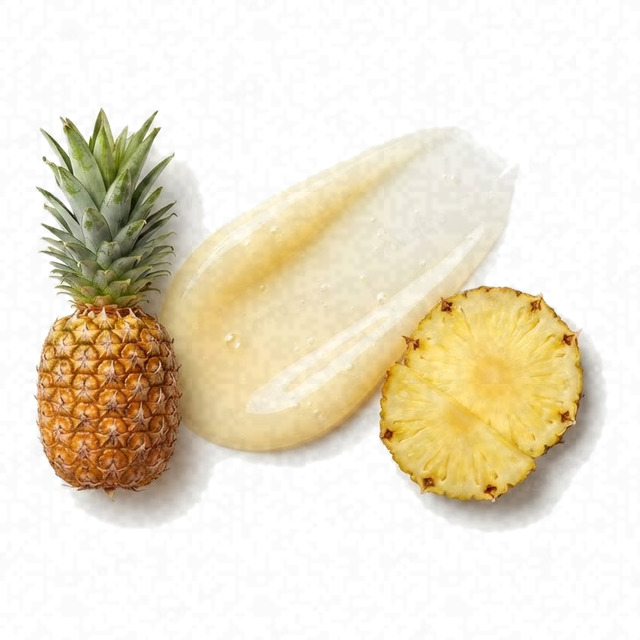 Pineapple Fruit Extract
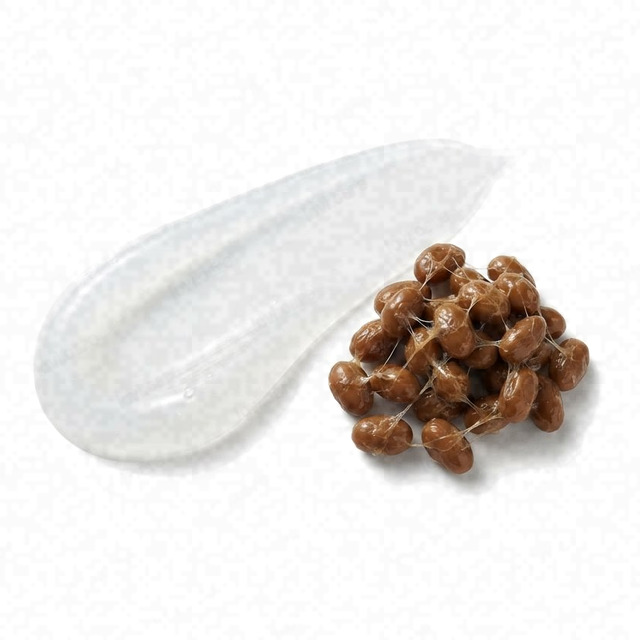 Polyglutamic Acid
 Glycerin
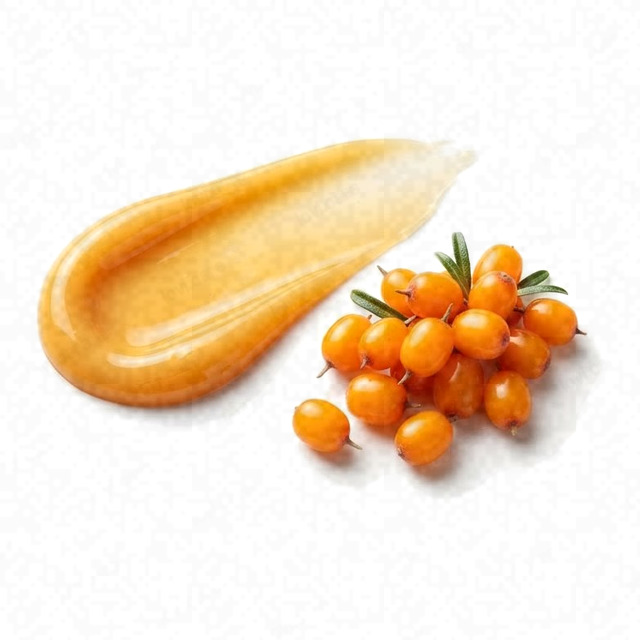 Hippophae Rhamnoides Oil Fruit
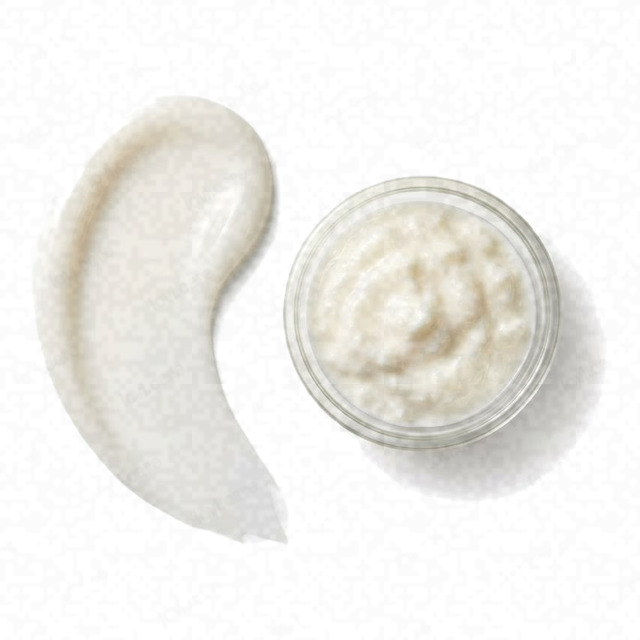 Lactobacillus Ferment
Average
- AverageOily Skin Fit
- AverageEffectiveness
- HighSafety
Works for oily acne-prone skin; other cleansers fit it better.
- Clinical, Cosmetic and Investigational Dermatology, 2017
- International Journal of Molecular Sciences, 2025
This fit is calculated for the concerns frequently associated with oily acne-prone skin: shine, breakouts, blemishes, and enlarged pores. For scores and recommendations based on your full skin profile, including your 12D face scan results and any goals or preferences you have, please use the Lovi app.
Page built Nov 8, 2026How the Fit score works
Lovi Assistant explains
- Offers moderate suitability for your oily skin as Glycerin and Polyglutamic Acid provide humectant action, though it lacks sufficient ingredients for optimal oil control.
- The cleansing agents, potassium cocoyl glycinate and lauramidopropyl betaine, gently remove impurities, supporting general skincare needs without specifically targeting your acne, blemishes, and breakouts.
- The safety profile is good, with no risks of irritation for your oily skin due to the absence of prohibited or harsh ingredients.
How to apply
- Use this cleanser as part of your AM and PM routine. Start using it daily to help clear your breakouts.
- Apply this cleanser as the first step in the morning and right after your pre-cleanser in the evening. Follow it with your toner and moisturizer.
- Gently massage a small amount of the cleanser onto your face using circular motions. Rinse thoroughly with lukewarm water and pat dry.
- Apply the cleanser on slightly damp skin to help clean deeply and remove excess oil. This works best for oily skin types.
- Avoid the sensitive eye area during application. Do a patch test before your first use.
People Say
★4.2Overall rating based on 300+ reviewsThis balm-to-lather cleanser is highly regarded for its ability to effectively remove makeup and gently exfoliate, leaving skin feeling hydrated and soft. It is frequently noted as being suitable for sensitive skin. Some users found the packaging messy and the price high for the quantity, while a small number experienced breakouts or found the scent unappealing.
Highlights
Gentle and hydrating Mostly Mentioned
- “skin felt moisturized AF”
- “not stripping at all”
- “leaves skin soft and bouncy”
- “hydrating finish”
Effective makeup removal Often Mentioned
- “removes everyday makeup”
- “took off mascara easily”
- “melted foundation away”
- “great first cleanse”
Luxurious texture Often Mentioned
- “silky golden balm”
- “luxurious lather”
- “creamy gel texture”
- “feels expensive”
Good for sensitive skin Sometimes Noted
- “great for sensitive skin”
- “no stinging eyes”
- “calmed my redness”
- “gentle formula”
Smooths skin texture Sometimes Noted
- “smooths skin texture”
- “gentle daily exfoliation”
- “helped with bumps”
- “brightening effect”
Expensive for size Sometimes Noted
- “pricey for size”
- “small bottle”
- “finished too fast”
Messy packaging Sometimes Noted
- “cap gets messy”
- “leaks a bit”
- “hard to squeeze”
- “prefer a pump”
Caused breakouts Rarely Noted
- “gave me closed comedones”
- “broke me out”
- “clogged my pores”
- “caused texture”
Drying for some Rarely Noted
- “felt a bit tight”
- “left skin dry”
- “needed moisturizer immediately”
- “stripping for me”
Unpleasant scent Rarely Noted
- “smells like plastic”
- “wished it smelled like pineapple”
- “weird raw scent”
- “boring scent”
Sources: lovi.care, sephora.co.uk, rhodeskin.com, nylon.com, elitedaily.com, wmagazine.com, and more
Questions and answers
How well does Rhode Pineapple Refresh cleanser work for oily acne-prone skin?
Rhode Pineapple Refresh works moderately well for your oily acne-prone skin because Glycerin and Polyglutamic Acid provide basic moisture, though it lacks strong ingredients for oil control and breakouts. To fit this skin type well, a cleanser needs soothing and effective ingredients like Niacinamide, Ceramides, or salicylic acid to help balance oil and clear blemishes without causing irritation.
Clinical, Cosmetic and Investigational Dermatology, 2017International Journal of Molecular Sciences, 2025
Which ingredients make this cleanser a good fit for oily acne-prone skin?
Glycerin and polyglutamic acid make this cleanser a moderate fit for your oily skin by drawing in moisture, while gentle cleansing ingredients wash away impurities without causing irritation. To truly excel for oily and acne-prone skin, a cleanser of this type needs soothing and oil-balancing ingredients like niacinamide, ceramides, probiotics, or salicylic acid to help manage breakouts and keep excess oil in check.
Clinical, Cosmetic and Investigational Dermatology, 2017International Journal of Molecular Sciences, 2025
What does Pineapple Fruit Extract do for oily acne-prone skin in this cleanser?
Pineapple fruit extract helps calm oily acne-prone skin by gently clearing away dead buildup while soothing redness. Its natural enzymes and antioxidants support a clear, smooth look with a very low risk of irritation.
What does Polyglutamic Acid do for oily acne-prone skin in this cleanser?
Polyglutamic acid helps keep oily acne-prone skin hydrated without feeling heavy, while supporting a strong skin barrier. This type of cleanser for oily skin needs ingredients that clean pores deeply while keeping moisture locked in so your face stays soft and smooth.
Where does this cleanser go in a skincare routine for oily acne-prone skin?
This cleanser fits into both your morning and evening routines as a daily cleansing step. To best care for oily acne-prone skin, an average fit cleanser of this type needs added ingredients specifically targeted for oil control and breakouts.
Can I use this cleanser with retinol, and in what order?
You can use this cleanser in your routine with retinol, applying it to wash your face before putting on your treatment. It gently removes impurities while keeping your skin calm, though oily acne-prone skin needs a cleanser with ingredients specifically targeted for oil and blemish control.
How often should I use this cleanser?
You can use this cleanser daily as part of your morning and evening routine to gently remove impurities. An average fit for oily acne-prone skin means this product needs added ingredients that specifically target oil control and blemishes.
Can this cleanser clog pores, cause breakouts or purging for oily acne-prone skin?
Rhode Pineapple Refresh is unlikely to clog pores or cause irritation for your oily skin, though some users report breakouts. This cleanser gently washes away dirt, but oily acne-prone skin needs ingredients that actively control oil and target blemishes.
Can I use this cleanser around the eyes or on my body?
You can use this cleanser on your body, but you should use caution around the thin skin of your eyes. It is unlikely to cause irritation due to the safe and gentle ingredients, though cleansers meant for oily and acne-prone skin need targeted ingredients like salicylic acid or benzoyl peroxide to properly clear breakouts on the body.
Is this cleanser fragrance-free and alcohol-free?
Yes, it has no fragrance and no drying alcohol.
What the research says
A single application of a moisturizing fluid containing hyaluronic acid 1%, glycerin 5%, and Centella asiatica stem cells extract significantly increased skin hydration by 29% and reduced transepidermal water loss at 24 hours compared to baseline and an untreated control site in twenty healthy women.
Clinical, Cosmetic and Investigational Dermatology, 2017Poly-gamma-glutamic acid derived from a novel Bacillus subtilis strain dose-dependently increased skin barrier markers, hyaluronic acid synthesis, and aquaporin 3 expression in keratinocytes, and elevated filaggrin, involucrin, CD44, and aquaporin 3 expression in a reconstructed skin model compared to the control.
International Journal of Molecular Sciences, 2025Topical application of a 5% Hippophae rhamnoides oil-in-water emulsion significantly improved skin hydration (p=0.0003) and transepidermal water loss (p=0.0087) compared to a placebo base formulation in 13 healthy male subjects over 84 days.
Pakistan Journal of Pharmaceutical Sciences, 2014Topical application of 1.0% Lactobacillus ferment from jojoba cake significantly increased skin collagen fluorescence compared to baseline and placebo cream over 56 days in 46 individuals.
International Journal of Cosmetic Science, 2026Oral bromelain slightly reduced pain compared to controls (mean difference -0.27) and topical bromelain reduced time to complete debridement by 6.89 days, with no major health risks reported.
Nutrition and Health, 2023An upcycled pineapple leaf fibre crosspolymer forms a physical barrier that protects against environmental aggressors while providing antioxidant, anti-inflammatory, antipollution, UV protection, hydration, and hair benefits.
International Journal of Cosmetic Science, 2026A coaxial electrospun core-shell nanofiber scaffold delivering bromelain and salvianolic acid B demonstrated sustained drug release, in vitro endothelial cell migration, increased capillary formation in an in ovo assay, and in vivo efficacy for skin regeneration and wound healing.
Biomedical Materials, 2017Curcumin-loaded polyglutamic acid and gum arabic electrospun nanofibers accelerated wound healing, increased TGF-beta1 and VEGF expression, reduced inflammatory factors, and enhanced re-epithelialization and tissue regeneration in a mouse model with acute full-thickness skin defects.
International Journal of Biological Macromolecules, 2024Polyglutamic acid and polylysine composite hydrogels promote wound repair and hemostasis through high water absorption, bioadhesion, calcium ion-mediated coagulation factor activation, and inherent antibacterial properties in a deep skin defect model.
Macromolecular Bioscience, 2021The emollient V0034CR significantly reduced TEWL compared to vehicle and vehicle plus glycerol, and significantly increased corneometry scores compared to vehicle and vehicle plus petrolatum in healthy volunteers with dry skin, demonstrating combined barrier function improvement from petrolatum and hydration improvement from glycerol.
Journal of Cosmetic Dermatology, 2020Ten days of treatment with a cream containing 20% glycerin significantly increased skin hydration measured by corneometer values in 17 healthy volunteers compared to a placebo cream, but showed no influence on transepidermal water loss or skin sensitivity to an irritating surfactant.
International Journal of Cosmetic Science, 2001Niacinamide/glycerin body moisturizers provided better rapid and prolonged improvement of cosmetic xerosis through functional improvement of stratum corneum barrier function compared to no treatment and conventional moisturizers in female subjects.
Journal of Drugs in Dermatology, 2012Treatment with 10 μg/mL Hippophae rhamnoides seed oil increased AQP3 mRNA and AQP3 and HAS2 protein levels in normal human epidermis keratinocytes and a reconstructed epidermis skin model compared to a negative control.
Journal of Cosmetic Dermatology, 2021Topical nanoemulsion-loaded cream and gel formulations of Hippophae rhamnoides fruit oil showed superior wound contraction of 78.96% and 72.59% respectively on the 8th day compared to 62.29% for soframycin in female Sprague-Dawley rats, with no acute dermal toxicity.
Indian Journal of Pharmacology, 2024Sea buckthorn oil and p-methoxycinnamic acid bioconjugates formulated in oleogels achieved 45% of the sun protection factor of an equivalent octinoxate reference oleogel.
Molecules, 2023Probiotic-derived lotion successfully reduced inflammatory acne lesion counts and erythema index comparably to 2.5% benzoyl peroxide in patients with mild-to-moderate acne vulgaris, while causing fewer side effects.
Journal of Cosmetic Dermatology, 2022Topical application of Lactobacillus plantarum-GMNL6 enhanced collagen synthesis and SPTSSA gene expression while reducing melanin synthesis, Staphylococcus aureus biofilm, and Cutibacterium acnes proliferation, leading to clinical improvements in skin moisture, color, spots, wrinkles, UV spots, and porphyrins in human volunteers.
International Journal of Medical Sciences, 2021Lactobacillus plantarum extracellular vesicles modulated extracellular matrix related gene expression in vitro and suppressed wrinkle formation and pigmentation in clinical trials.
Current Issues in Molecular Biology, 2022
Why other cleansers fit oily acne-prone skin better
A panthenol-enriched mask improved skin hydration, regulated sebum, and reduced redness and TEWL across dry sensitive, oily sensitive, and oily acne skin subgroups with excellent tolerance and no adverse reactions.
Journal of Cosmetic Dermatology, 2024A botanical face cleanser with hops and willow bark extract continuously reduced skin sebum levels without reactive seborrhea after treatment in 21 healthy volunteers compared to a sodium laureth sulfate cleanser, with neither cleanser causing skin irritation.
Journal of Cosmetic Dermatology, 2019A novel emulsion containing niacinamide, lens esculenta seed extract, and white willow bark extract effectively improved acne, blackheads, and conspicuous facial pores in 30 subjects with oily skin.
Journal of Cosmetic Dermatology, 2024
Ingredients
Water, Glycerin, Acrylates Copolymer, Potassium Cocoyl Glycinate, Lauramidopropyl Betaine, Caprylic Capric Triglyceride, Potassium Cocoate, Glycolipids, Tocopherol, Pineapple Fruit Extract, Hippophae Rhamnoides Oil Fruit, Camellia Oleifera Leaf Extract, Lauroyl Lysine, Polyglutamic Acid, Hydroxyacetophenone, Lactobacillus Ferment, Saccharide Isomerate, Caprylyl Glycol, Phytosteryl Octyldodecyl Lauroyl Glutamate, Hydroxypropyltrimonium Hyaluronate, Polyglyceryl-4 Caprate, Polyglyceryl-6 Caprylate, Caprylyl Glyceryl Ether, 2-Hexanediol, Sodium Citrate, Leuconostoc Radish Root Ferment Filtrate, Citric Acid, Sodium Hydroxide
Behind this fit score
Lovi calculates every fit score from the full ingredient list with brand-independent rules our dermatologists and cosmetic chemists build and review, and personalizes every pick with AI trained on the real results of millions of users. Lovi trains its fit score models on a proprietary dataset built from more than 10,000 expert-labeled products and more than 100,000 simulated examples, following an internally consistent methodology presented at Cosmoprof, AMWC, and Skin of Color Update.
-

Co-founder, Medical Director
Cosmetic chemist, cosmetologist, aesthetic products developer
-

Co-founder, CEO and CTO
PhD in computer science, 3x US patent holder, ex-Google, ex-Yandex
-

Dr. Sofía Perea Pérez, MD, MSc
Medical Board
Aesthetic medicine practitioner, MSc in Longevity and Anti-Aging Medicine
-

Medical Board
Specialist dermatologist, MBBS, MD, IFAAD
-

Medical Board
Cosmetic chemist, SCS, IFSCC member
-

Medical Board, Medical Advisor
Dermatology MD
-

Elina Nazarenko, MD
Medical Board
Dermatology and diagnostic consultant
-

Victoria Derkova, MS
Medical Board
Cosmetic chemist, cosmetic development technologist


How does it fit your skin?
Scan your face, then any product: Lovi shows how well it fits you and what fits even better.