
Pipette Eczema Lotion

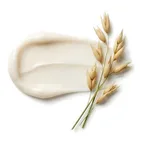 Oat
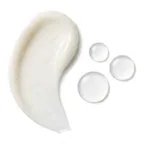 Squalane
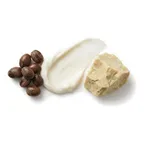 Butyrospermum Parkii Butter Shea Butter
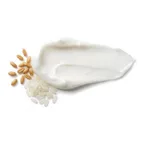 Ceramide Np
 Tocopherol Vitamin E
Oat, squalane, and shea butter soothe and hydrate the skin, so it suits dry skin and sensitive skin best. For skin that needs oil control, moisturizers with niacinamide get higher fit scores.
Each fit is calculated for the concerns frequently associated with that skin type. For scores and recommendations based on your full skin profile, including your 12D face scan results and goals, use the Lovi app.
Updated How the Fit score works
Where it fits best and least
Best fit High
A great choice for dry skin; a few moisturizers fit it even better.
- Highly suitable for your dry skin as oat and squalane provide excellent moisturization and barrier support, addressing dryness and flakiness effectively.
Lowest fit Warning
A poor match for oily skin.
- Moderately unsuitable for your oily skin due to emollients like squalane and caprylic capric triglyceride, which may feel heavy and contribute to excess shine.
Other skin types
How to apply
- Could be used as part of your AM and PM routine. Start using it 3 times a week and move to daily use if your skin likes it.
- Apply this moisturizer after your cleanser and toner, right before your morning SPF.
- Gently press a small amount of the moisturizer into your skin. Avoid rubbing it too hard so it absorbs nicely.
- For the best moisture, you can apply it when your skin is slightly damp. This helps your skin stay soft and happy.
- Remember to avoid the eye area when applying. Always do a patch test before your first use.
People Say
★4.6Overall rating based on 600+ reviewsHighlights
Gentle ingredients Often Mentioned
- “It's fragrance-free, super gentle.”
- “I love that Pipette products are fragrance-free... not exposing my baby's sensitive skin to any unnecessary irritants.”
- “Everything feels clean and hydrating without any harsh ingredients.”
Hydrates dry skin Often Mentioned
- “Keeps my dry skin moisturized for a long time.”
- “Moisturizes and softens dry skin effectively.”
- “It leaves him super soft.”
Itch relief Often Mentioned
- “Within just a few uses, we noticed a big difference in redness and discomfort.”
- “Relieves itching and reduces redness.”
- “My heart just broke watching him constantly scratch... I am amazed, but even more so, I am relieved.”
Quick absorption Sometimes Noted
- “Absorbs into skin without residue.”
- “It goes on so smoothly and blends in quickly.”
- “Absorbs quickly without feeling greasy.”
Inconsistent results Sometimes Noted
- “Worked less for me as a rescue cream for cases of broken skin barrier.”
- “Didn't work for their baby.”
Ingredient concerns Rarely Noted
- “A few moms note added sodium benzoate and mention it didn't work.”
- “They've added ingredients like sodium benzoate, which I like to avoid.”
Packaging issues Rarely Noted
- “Leaky or finicky packaging.”
- “Runny lotions.”
Skin irritation Rarely Noted
- “Some parents report rashes after using the lotion.”
- “He developed little bumps or rashes all over his belly and his back.”
- “One parent said their 3-year-old developed itchy bumps.”
Sources: lovi.care, walmart.com, influenster.com, facebook.com, thingtesting.com, whatsinmyjar.com, and more
Questions and answers
Which ingredients make this cream a good fit for dry skin?
Oat and squalane make this cream a great fit for your dry skin because they provide deep moisture and support your skin barrier, helping to smooth away dryness and flakiness. Shea butter further repairs and softens your skin while keeping it safe from irritation.
Which ingredients make this cream a poor fit for acne-prone skin?
This cream is a weak match for acne-prone skin because heavy ingredients like shea butter and oils do not directly address breakouts or oilier zones. A product of this type needs specific ingredients that target blemishes, provide hydration without clogging pores, and help calm the skin.
What does Oat do for mature skin?
Oat helps mature skin by improving moisture, calming dryness, and supporting the skin barrier. It brings soothing relief that may reduce visible redness and keep dry skin feeling soft and smooth.
Journal of Drugs in Dermatology, 2016Journal of Drugs in Dermatology, 2015
Can I use this cream with retinol, and in what order?
You can use this cream with retinol by applying the cream after your retinol to help calm dryness and protect your skin barrier. Using a barrier-supporting moisturizer alongside active treatments is unlikely to cause irritation and helps improve your skin's tolerance.
Can I use it around the eyes or on my body?
You can safely use this moisturizing treatment on your body and around your delicate eye area to help soothe dryness. Its gentle ingredients like oat, squalane, and shea butter provide rich moisture and barrier support without causing irritation.
Is this cream fragrance-free and alcohol-free?
Yes, it has no fragrance and no drying alcohol. Cetearyl alcohol is a fatty alcohol, which soften the skin.
Which ingredients make this cream a good fit for sensitive skin?
Oat, squalane, shea butter, ceramide NP, and vitamin E make this cream a great fit because they soothe irritation and hydrate without harsh ingredients. This helps keep sensitive skin calm and soft.
Which ingredients make this cream a poor fit for skin with dark spots?
This cream is a weak match for skin with dark spots because its ingredients are not targeted to address pigmentation. A moisturizing treatment for dark spots needs effective brightening ingredients that align with your pigmentation goals, alongside hydrating and soothing components.
Which ingredients make this cream a good fit for dry sensitive skin?
Oat, squalane, and shea butter make this cream a good fit by soothing dry patches and helping lock in moisture. This type of product needs deeply nourishing ingredients and extra moisture-locking agents to give dry sensitive skin optimal hydration and barrier support.
Which ingredients make this cream a poor fit for combination skin?
Oat and squalane may feel too heavy for your oily shine, making this a poor fit for combination skin. To work well for this skin, a moisturizing treatment needs ingredients that reduce oily shine while providing balanced hydration without irritation.
Which ingredients make this cream a poor fit for oily acne-prone skin?
This cream is a poor fit for your oily acne-prone skin because it lacks targeted ingredients like salicylic acid or niacinamide to address breakouts, while a product for this skin needs ingredients like low molecular weight hyaluronic acid, ceramides, brightening agents, and soothing extracts.
Which ingredients make this cream a poor fit for oily skin?
This cream is a poor fit for oily skin due to heavy oils and rich moisturizers like squalane and caprylic capric triglyceride, which may feel heavy and add excess shine. Oily skin needs a product that uses lightweight hydrating agents and peptides to manage hydration without clogging pores or causing breakouts.
What the research says
Colloidal oat extracts diminished pro-inflammatory cytokines in vitro and colloidal oat lotion improved skin dryness, scaling, roughness, and itch intensity in healthy female subjects compared to baseline.
Journal of Drugs in Dermatology, 2015Colloidal oat increased the growth rate, metabolism, and lactic acid production of Staphylococcus epidermidis compared to Staphylococcus aureus in vitro, matching clinical increases in lactic acid on dry skin after 6 weeks of lotion use.
Clinical, Cosmetic and Investigational Dermatology, 2021A dermocosmetic product containing oat plantlet sap and Garcinia mangostana extract reduced retentional and inflammatory acne lesions by 21% and 35% respectively after 2 months in 54 subjects with mild-to-moderate acne.
Journal of the European Academy of Dermatology and Venereology, 2024Application of fullerene-C60 dissolved in squalane cream twice daily for 8 weeks significantly enhanced skin moisture and reduced wrinkle formation compared to placebo in 23 Japanese women without severe side effects.
Journal of Nanoscience and Nanotechnology, 2010Squalane at 0.005-0.015% counteracts UVA-induced oxidative stress, inflammation, and collagen metabolism inhibition while stimulating fibroblast migration in human dermal fibroblasts.
Molecules, 2025Plant-derived squalane protected human dermal fibroblasts against UVA-induced damage by counteracting ROS formation, suppressing apoptosis-related proteins p53, caspase-3, caspase-9, and PARP, and restoring the pro-survival p-Akt/mTOR pathway.
Antioxidants, 2025A skin barrier restoring cream with shea butter, silkflo, and vitamin E increased type I procollagen synthesis, enhanced antioxidant enzyme activity, decreased reactive oxygen species generation, and promoted hyaluronic acid production in H2O2-stimulated human keratinocyte cells compared to untreated cells.
International Journal of Cosmetic Science, 2025Ceramide and niacinamide-containing moisturizer combined with anti-acne treatment significantly improved non-inflammatory, inflammatory, and total acne lesions compared to hydrophilic cream in 40 patients with mild to moderate acne vulgaris after 8 weeks.
Journal of Cosmetic Dermatology, 2024Topical application of a pseudo-ceramide-containing spray improved stratum corneum water content, transepidermal water loss, cell area, and scaling score, and normalized the ceramide profile in patients with dry and sensitive skin compared to a control spray.
Journal of Cosmetic Dermatology, 2025A topical serum containing vitamin C, vitamin E, and raspberry leaf cell culture extract improved skin color, elasticity, radiance, smoothness, scaliness, and wrinkles compared to the untreated contralateral side in fifty female volunteers.
Journal of Cosmetic Dermatology, 2020A nighttime topical antioxidant containing resveratrol, baicalin, and vitamin E significantly improved fine lines, wrinkles, firmness, elasticity, laxity, hyperpigmentation, radiance, roughness, and dermal thickness in subjects with mild to moderately photodamaged skin over 12 weeks.
Journal of Drugs in Dermatology, 2014A topical antioxidant serum significantly reduced air pollution-induced skin pigmentation and proinflammatory gene expression ex vivo, and improved skin aging signs in 40 healthy adult females after 90 days of daily use.
Journal of Cosmetic Dermatology, 2022In 50 participants with sensitive skin, a Ceramide NP C15-containing emollient improved skin barrier function with a significant reduction in transepidermal water loss and induced modest changes in skin microbiota compared to the vehicle.
Skin Pharmacology and Physiology, 2026Topical application of a vitamin C-squalene bioconjugate significantly increased epidermal thickness, type III collagen production, and glycosaminoglycans production in human skin explants compared to free vitamin C and vitamin C-palmitate.
Scientific Reports, 2020A single application of a moisturizing fluid containing hyaluronic acid 1%, glycerin 5%, and Centella asiatica stem cells extract significantly increased skin hydration by 29% and reduced transepidermal water loss at 24 hours compared to baseline and an untreated control site in twenty healthy women.
Clinical, Cosmetic and Investigational Dermatology, 2017Tocopherol succinate-loaded ethosomal gel increased skin deposition, stability, moisture, and mechanical properties in 13 human subjects compared to a control gel over 12 weeks.
Journal of Cosmetic Dermatology, 2022Cosmetic eye and facial creams containing palmitoyl peptides, Silybum marianum seed oil, and vitamin E improve facial wrinkles, elasticity, dermal density, and skin tone in healthy volunteers with aged skin after 4 weeks of application compared to pre-application.
Experimental and Therapeutic Medicine, 2016Peroxidated squalene induces an early activation of NF-kappaB, an increase in PPARalpha levels, and an upregulation of IL-6 production in HaCaT keratinocytes, which is subsequently counteracted by PPARalpha activation.
The Journal of Investigative Dermatology, 2006Topical application of an emollient emulsion containing 15.0% caprylic/capric triglyceride doubled the amount of urocanic acid isomers and increased skin hydration with reduced transepidermal water loss in healthy subjects, though it did not prevent ultraviolet-induced urocanic acid isomerization.
Life, 2023
Ingredients
Oat, Water, Squalane, Caprylic Capric Triglyceride, Glycerin, Hydrogenated Sunflower Polyglyceryl-3 Esters Seed Oil, Hydroxystearic Linolenic Oleic Polyglycerides, Butyrospermum Parkii Butter Shea Butter, Jojoba Esters, Ceramide Np, Tocopherol Vitamin E, Sodium Phytate, Hydrogenated Sunflower Glyceryl Esters Seed Oil, Cetearyl Alcohol, Propanediol, Hydroxyacetophenone, Sodium Stearoyl Lactylate, Xanthan Gum, Ethylhexylglycerin, Potassium Sorbate, Citric Acid
Behind these fit scores
Lovi calculates every fit score from the full ingredient list with brand-independent rules our dermatologists and cosmetic chemists build and review, and personalizes every pick with AI trained on the real results of millions of users. Lovi trains its fit score models on a proprietary dataset built from more than 10,000 expert-labeled products and more than 100,000 simulated examples, following an internally consistent methodology presented at Cosmoprof, AMWC, and Skin of Color Update.
-

Co-founder, Medical Director
Cosmetic chemist, cosmetologist, aesthetic products developer
-

Co-founder, CEO and CTO
PhD in computer science, 3x US patent holder, ex-Google, ex-Yandex
-

Dr. Sofía Perea Pérez, MD, MSc
Medical Board
Aesthetic medicine practitioner, MSc in Longevity and Anti-Aging Medicine
-

Medical Board
Specialist dermatologist, MBBS, MD, IFAAD
-

Medical Board
Cosmetic chemist, SCS, IFSCC member
-

Medical Board, Medical Advisor
Dermatology MD
-

Elina Nazarenko, MD
Medical Board
Dermatology and diagnostic consultant
-

Victoria Derkova, MS
Medical Board
Cosmetic chemist, cosmetic development technologist


How does it fit your skin?
Scan your face, then any product: Lovi shows how well it fits you and what fits even better.