House of HUR Weightless Sun Fluid for oily skin

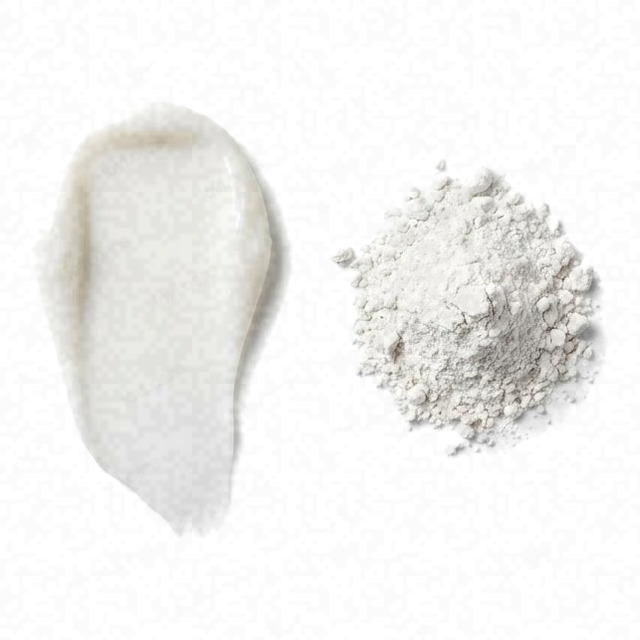 Zinc Oxide
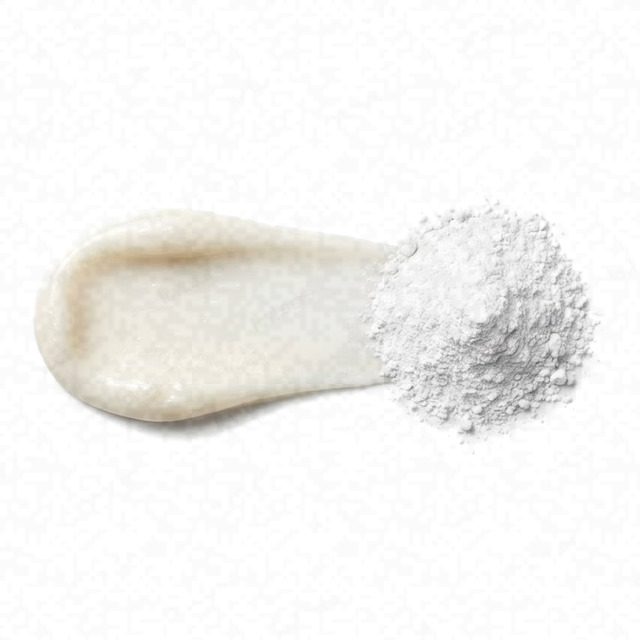 Titanium Dioxide
 Sodium Hyaluronate
 Vitamin E
 Aloe Barbadensis Extract
Superior
- HighOily Skin Fit
- HighEffectiveness
- ExcellentSafety
One of the best sunscreens for oily skin.
This fit is calculated for the concerns frequently associated with oily skin: shine, enlarged pores, blackheads, and blemishes. For scores and recommendations based on your full skin profile, including your 12D face scan results and any goals or preferences you have, please use the Lovi app.
Page built Nov 8, 2026How the Fit score works
Lovi Assistant explains
- Offers excellent sun protection for your oily skin due to high concentrations of ethylhexyl triazone and bis-ethylhexyloxyphenol methoxyphenyl triazine, while silica and butylene glycol effectively absorb excess oil for a matte finish.
- Honey extract and citrus junos fruit extract provide humectant and antioxidant benefits, further enhancing suitability for oily skin.
- The product is safe for your skin, with no risks of irritation due to the absence of harsh ingredients and the presence of soothing components like honey extract and citrus junos fruit extract.
How to apply
- Use this moisturizing sunscreen daily in your AM routine. Reapply every two hours when exposed to direct sun.
- Apply this moisturizing sunscreen as the final step of your morning routine after your moisturizer.
- Smooth an even layer of the moisturizing sunscreen over your face and neck, avoiding harsh rubbing.
- Apply the moisturizing sunscreen onto clean, dry skin for the best protection and even coverage.
- Avoid the immediate eye area and discontinue use if any irritation occurs.
People Say
★4.8Overall rating based on 200+ reviewsThis chemical sunscreen is highly regarded for its ultra-fluid, serum-like consistency, absorbing quickly without a sticky residue or white cast, making it ideal for oily and combination skin types. It generally layers well under makeup and controls oil effectively. However, some users with sensitive eyes report stinging, and those with dry skin may find it lacks sufficient hydration.
Highlights
No white cast Mostly Mentioned
- “Zero white cast on darker skin”
- “Leaves no residue on facial hair”
- “Clear finish, invisible once applied”
- “Absorbs without shine or heaviness”
Ultra-lightweight texture Mostly Mentioned
- “It really is weightless, more fluid than most”
- “Feels like it's not even there”
- “Runny, lightweight texture”
- “Creamy yet refreshing”
Fast absorption Often Mentioned
- “Settles almost immediately on my skin”
- “Absorbs, dries, and sets quickly”
- “No waiting time between layers”
- “Melts into skin”
Non-greasy finish Often Mentioned
- “Leaves a true matte finish”
- “Doesn't make me look like a greaseball”
- “Not oily and leaves a nice glow”
- “Satin to matte dry down”
Eye irritation Sometimes Noted
- “Stings my eyes, cannot open them”
- “Made my eyes water”
- “Hesitant to use because it stings”
- “Irritates eyes after a few hours”
Caused breakouts Rarely Noted
- “Caused several pimples overnight”
- “Broke me out in small bumps”
- “Not suitable for my acne-prone skin”
Drying for dry skin Rarely Noted
- “A bit too drying”
- “Takes moisture out of my skin”
- “Not hydrating enough for dry types”
- “Skin feels dehydrated after use”
Pilling issues Rarely Noted
- “Pills like crazy everytime”
- “Pilling underneath makeup”
- “Residue balls up on skin”
Sources: lovi.care, stylekorean.com, oliveyoung.com, reddit.com, gopicky.com, skinsort.com, and more
Questions and answers
What makes House of HUR Weightless Sun Fluid one of the best fits for oily skin?
House of HUR Weightless Sun Fluid is a top fit for oily skin because it offers strong sun protection while silica and butylene glycol absorb excess oil to keep your face matte. Honey extract and citrus junos fruit extract help soothe your skin with almost no risk of irritation.
Antioxidants, 2022International Journal of Molecular Sciences, 2024
Which ingredients make this fluid a good fit for oily skin?
Ethylhexyl triazone and bis-ethylhexyloxyphenol methoxyphenyl triazine offer strong sun protection for your oily skin, while silica and butylene glycol help absorb extra oil for a matte finish. Honey extract and citrus junos fruit extract add soothing antioxidant benefits that make this fluid very gentle on your skin.
What does Zinc Oxide do for oily skin?
Zinc oxide helps calm oily and breakout-prone skin by reducing redness and targeting bacteria that cause blemishes. It is unlikely to cause irritation and may help balance skin oil production.
What does Titanium Dioxide do for oily skin?
Titanium dioxide acts as a physical UV filter that sits on the outermost surface of the skin without clogging pores or making oily skin feel greasy. When used in sunscreens, this ingredient helps protect your face from sun damage while having a very safe profile on healthy skin.
Skin Pharmacology and Applied Skin Physiology, 2001Journal of the European Academy of Dermatology and Venereology, 2019
Where does this fluid go in a skincare routine for oily skin?
This fluid goes at the very end of your morning routine after you apply your moisturizer. It gives your oily skin strong sun protection while keeping a nice matte finish.
Can I use it with retinol, and in what order?
You can use this moisturizing spf in the morning after your retinol routine or on its own to protect your oily skin. Silica and butylene glycol help absorb excess oil for a matte finish, while honey extract and citrus junos fruit extract soothe and nourish without irritation.
How often should I use this fluid?
You can use this fluid every morning as the final step of your daytime routine to protect against the sun. It is safe for daily use and helps keep oily skin looking fresh and matte.
Can it clog pores, cause breakouts or purging for oily skin?
This sunscreen is unlikely to cause breakouts on oily skin, as it has a very low risk of clogging pores and features a safe, soothing formula.
Is this fluid fragrance-free and alcohol-free?
Yes, it has no fragrance and no drying alcohol.
What the research says
A topical sunscreen containing octyl triazone, phenylbenzimidazole sulfonic acid, and methylbenzylidene camphor prevented UVB-induced suppression of intercellular adhesion molecule-1 expression and mixed-lymphocyte reaction in epidermal cell cultures compared to control sunscreens with comparable SPF lacking octyl triazone.
Toxicology in Vitro, 1994Yuja-peel fractions (ethyl acetate, hexane, and butanol) inhibited MMP expression, induced moisturizing factors filaggrin and serine palmitoyltransferase, and decreased melanin content in UVB-irradiated HaCaT, HDF, and α-MSH-treated B16F10 cells.
Antioxidants, 2022Upcycled low-molecular-weight anionic peptides from Citrus junos seeds protected UVR-irradiated keratinocytes and reconstructed skin tissue by scavenging reactive oxygen species, reducing paracrine cytokines, inhibiting melanin synthesis and TRP-2 expression, and increasing filaggrin, laminin-5, and type I collagen expression.
International Journal of Molecular Sciences, 2024Citrus junos callus extract decreased melanin content in melanocytes 1.85-fold compared with arbutin and promoted the proliferation of and procollagen synthesis by human fibroblasts by 154% and 176% at 500 μg/mL.
Molecules, 2017Topical 0.5% hyaluronic-ZnO nanogel applied twice daily reduced inflammatory-lesion counts by 58% at week four in human subjects compared to baseline without causing erythema.
Biomedicines, 2025Nels cream achieved a similar reduction in inflammatory and noninflammatory lesion counts compared to 5% benzoyl peroxide in acne vulgaris patients, but caused significantly fewer side-effects such as peeling and dryness.
Clinical and Experimental Dermatology, 2000Topically applied coated and uncoated zinc oxide nanoparticles under flexing and massage are retained in the stratum corneum with no significant penetration into the viable epidermis and no cellular toxicity in human skin.
Nanomedicine, 2016Microfine titanium dioxide does not penetrate human skin when formulated in an oil-in-water emulsion with the pigment dispersed in the aqueous phase, compared to oily dispersions and liposomal encapsulation which allow deeper skin penetration.
International Journal of Cosmetic Science, 2000Replacing microsized titanium dioxide and zinc oxide with nanoparticles in sunscreens eliminates opaqueness and alters UV protection balance while inducing (photo)cyto- and genotoxicity and penetrating viable skin layers during long-term exposures.
Nanotechnology, Science and Applications, 2011Microfine zinc oxide and titanium dioxide do not penetrate the stratum corneum of porcine skin in vitro, indicating that their use in sunscreens does not pose a health risk from internal exposure.
Toxicology in Vitro, 2006Topical application of 0.1% hyaluronic acid formulations of different molecular weights led to significant improvements in skin hydration and elasticity, with low-molecular-weight formulations also significantly reducing wrinkle depth in seventy-six female subjects compared to a vehicle control.
Journal of Drugs in Dermatology, 2011Topical application of hyaluronic acid in conjunction with free gingival graft significantly reduced donor site postoperative pain until day 7 compared to normal saline, with no significant differences in graft dimensions or patient satisfaction.
Clinical Oral Investigations, 2022Treatment with a hyaluronic acid-containing mouth rinse or topical gel led to significant lesion reduction, pain relief, and normalization of lesion color in adult patients with minor recurrent aphthous stomatitis, with the gel formulation showing an earlier healing onset at 3 days.
BMC Oral Health, 2019Topical application of an antioxidant serum containing 15% ascorbic acid, 0.5% ferulic acid, and 1% tocopherol prevented particulate matter-induced degradation of extracellular matrix components, inflammation, and oxidative stress in the skin of 15 female volunteers compared to untreated controls.
Journal of Cosmetic Dermatology, 2025Dermatological products containing d-alpha tocopheryl acetate showed non-comedogenic potential with less than a 50% increase in microcomedones in 12 healthy male subjects compared to octyl palmitate.
Contemporary Clinical Trials Communications, 2021Topical application of an antioxidant mix containing 15% ascorbic acid, 0.5% ferulic acid, and 1% tocopherol prevented PM and UV-induced skin barrier perturbation, lipid peroxidation, inflammatory markers, MMP9 activation, and Type I collagen loss in 15 healthy females compared to untreated exposed skin.
Journal of Cosmetic Dermatology, 2024A cream combining propolis, tea tree oil, and Aloe vera reduced erythema scars, acne severity index, and total lesion count better than erythromycin cream in sixty patients with mild to moderate acne vulgaris compared to placebo.
Clinical Pharmacology, 2018Topical aloe vera gel significantly accelerated split-thickness skin graft donor-site healing compared to placebo in 12 patients, but showed no significant difference in pain relief.
Plastic and Reconstructive Surgery, 2018Topical application of Aloe vera cream reduced postoperative pain at rest and during defecation, accelerated wound healing at two weeks, and decreased analgesic requirements in patients after open hemorrhoidectomy compared to placebo.
Journal of Alternative and Complementary Medicine, 2010
Ingredients
Water, Dibutyl Adipate, Ethylhexyl Triazone, Terephthalylidene Dicamphor Sulfonic Acid, Silica, Butylene Glycol, Methylpropanediol, Tromethamine, Polyglyceryl-3 Distearate, 12-Hexanediol, Honey Extract, Citrus Junos Fruit Extract, Caprylyl Methicone, Diethylamino Hydroxybenzoyl Hexyl Benzoate, Polysilicone-15, Ammonium Acryloyldimethyltaurate Vp Copolymer, Potassium Cetyl Phosphate, Bis-Ethylhexyloxyphenol Methoxyphenyl Triazine, Glyceryl Stearate, Pentylene Glycol, Polyacrylate Crosspolymer-6, Hydroxyacetophenone, Polyether-1, Glyceryl Stearate Citrate, Ethylhexylglycerin, Disodium Edta
Behind this fit score
Lovi calculates every fit score from the full ingredient list with brand-independent rules our dermatologists and cosmetic chemists build and review, and personalizes every pick with AI trained on the real results of millions of users. Lovi trains its fit score models on a proprietary dataset built from more than 10,000 expert-labeled products and more than 100,000 simulated examples, following an internally consistent methodology presented at Cosmoprof, AMWC, and Skin of Color Update.
-

Co-founder, Medical Director
Cosmetic chemist, cosmetologist, aesthetic products developer
-

Co-founder, CEO and CTO
PhD in computer science, 3x US patent holder, ex-Google, ex-Yandex
-

Dr. Sofía Perea Pérez, MD, MSc
Medical Board
Aesthetic medicine practitioner, MSc in Longevity and Anti-Aging Medicine
-

Medical Board
Specialist dermatologist, MBBS, MD, IFAAD
-

Medical Board
Cosmetic chemist, SCS, IFSCC member
-

Medical Board, Medical Advisor
Dermatology MD
-

Elina Nazarenko, MD
Medical Board
Dermatology and diagnostic consultant
-

Victoria Derkova, MS
Medical Board
Cosmetic chemist, cosmetic development technologist


How does it fit your skin?
Scan your face, then any product: Lovi shows how well it fits you and what fits even better.