
Epionce Intense Defense Serum for acne-prone skin

 Niacinamide
 Tetrahexyldecyl Ascorbate
 Sodium Hyaluronate
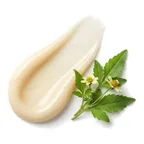 Bidens Pilosa Extract
 Glycerin
High
- HighCombination Skin Fit
- HighEffectiveness
- ExcellentSafety
A great choice for acne-prone skin; a few serums fit it even better.
This fit is calculated for the concerns frequently associated with acne-prone skin: breakouts, blackheads, and post-acne marks. For scores and recommendations based on your full skin profile, including your 12D face scan results and any goals or preferences you have, please use the Lovi app.
Updated How the Fit score works
Lovi Assistant explains
- Offers excellent brightening and evening of skin tone for your combination skin, as niacinamide and tetrahexyldecyl ascorbate provide antioxidant and anti-inflammatory effects that also benefit your acne and breakouts.
- The presence of Bidens Pilosa Extract and raspberry tocopheryl succinate aminopropanediol esters further supports skin tone improvement and offers soothing benefits for your skin.
- The formula is safe for your acne-prone skin, containing no harsh ingredients and including soothing components like niacinamide.
Buy online

Prices checked 20 Nov 2026
The Lovi Fit is the same in every country; only the stores and prices differ, and the ones here are for the United Kingdom.
How to apply
- Use your serum as part of your PM routine and start 3x/week before working up to daily use.
- Apply this treatment after cleansing and toner, and before your moisturizer.
- Gently press 2-3 drops of the serum into your skin and let it absorb for a minute.
- Apply the product on clean, dry skin to help manage your breakouts safely.
- Avoid the eye area and do a patch test before your first use.
People Say
★4.6Overall rating based on 400+ reviewsWhile many praise its ability to reduce fine lines without irritation, some find the price prohibitive and the pump packaging frustrating.
Highlights
Gentle and non-irritating Often Mentioned
- “No irritation”
- “Great for sensitive skin”
- “Calms redness”
Improves skin texture Often Mentioned
- “Evens out texture”
- “Smoother skin”
- “Soft and supple”
- “Refines pores”
High price point Often Mentioned
- “Expensive”
- “Pricey”
- “Splurge”
- “Hard to justify cost”
Anti-aging results Sometimes Noted
- “Reduces fine lines”
- “Fights signs of aging”
- “Look younger”
- “Firming effect”
Hydrating and moisturizing Sometimes Noted
- “Adds moisture”
- “Hydrates skin”
- “Not drying”
- “Soaks in nicely”
Radiance and glow Sometimes Noted
- “Skin glow”
- “Brighter skin”
- “Luminosity”
- “Healthy radiance”
Packaging issues Sometimes Noted
- “Pump rarely works”
- “Cheap packaging”
- “Dispenser issues”
- “Hard to get product out”
Caused breakouts Rarely Noted
- “Caused blemishes”
- “Breakout badly”
- “Irritated skin”
- “Rash”
Counterfeit concerns Rarely Noted
- “Fake product”
- “Different smell/color”
- “Watery consistency”
- “Seal broken”
Lack of results Rarely Noted
- “Didn't see effects”
- “Just okay”
- “Not wowed”
- “No difference”
Sources: lovi.care, lovelyskin.com, dermstore.com, epionce.com, walmart.com, dermstreet.com, and more
Questions and answers
What makes Epionce Intense Defense Serum a great fit for acne-prone skin?
Epionce Intense Defense Serum is a great fit for acne-prone skin because its niacinamide and vitamin C help calm breakouts and brighten dark spots without harsh ingredients. It also features plant extracts that soothe redness and improve skin tone safely.
Which ingredients make this serum a good fit for acne-prone skin?
Niacinamide and tetrahexyldecyl ascorbate make this serum a great fit for your acne-prone skin because they provide calming and antioxidant effects that help soothe breakouts and even out your skin tone. Bidens Pilosa Extract and glycerin also support this by keeping your skin calm and hydrated without any harsh irritation.
What does Niacinamide do for acne-prone skin?
Niacinamide helps acne-prone skin by reducing both inflamed and uninflamed breakouts and calming redness. It is also very helpful for keeping oily skin balanced by cutting down on excess oil production, and it is well tolerated by most people.
What does Vitamin C do for acne-prone skin?
Vitamin C helps acne-prone skin by reducing dark marks and calming red, irritated areas. It also provides antioxidant support that helps soothe inflammation.
European Journal of Pharmaceutics and Biopharmaceutics, 2017Journal of Drugs in Dermatology, 2024
Where does this serum go in a skincare routine for acne-prone skin?
This serum goes in the evening routine after cleansing and before moisturizing, which keeps things simple and safe around sun exposure. The formula is a great fit for your acne-prone skin because it contains soothing components like niacinamide without any harsh ingredients.
International Journal of Cosmetic Science, 2020Clinical, Cosmetic and Investigational Dermatology, 2023
Can I use this serum with retinol, and in what order?
Yes, you can use this serum with retinol by applying the treatment after your cleansing steps and before your moisturizer. It is unlikely to irritate your acne-prone skin since it contains no harsh ingredients and features soothing components like niacinamide.
How often should I use this serum?
You can use this treatment in the evening. The formula is safe for your acne-prone skin, containing no harsh ingredients and including soothing components like niacinamide.
Can this serum clog pores, cause breakouts or purging for acne-prone skin?
This serum is a great fit and is unlikely to cause breakouts on your acne-prone skin because it contains no harsh ingredients and features soothing components like niacinamide. Reviewers rarely report breakouts from this formula, and its ingredients help calm your skin.
Is this serum fragrance-free and alcohol-free?
Yes, it has no fragrance and no drying alcohol.
What the research says
Niacinamide significantly decreased hyperpigmentation and increased skin lightness compared with vehicle alone after 4 weeks of use in women by inhibiting melanosome transfer.
The British Journal of Dermatology, 2002Topical treatment of nicotinamide, alone or in combination with other active ingredients, reduces the progression of skin aging and hyperpigmentation in clinical trials while being well tolerated.
Antioxidants, 2021Combined treatment of andrographolide and Bidens pilosa extract activated RXR alpha, enhanced extracellular matrix protein gene expression with antioxidant and anti-inflammatory efficacies, and improved wrinkles, skin elasticity, and hydration without causing irritating side effects in human subjects.
Biomolecules, 2025Treatment with a standardized supercritical CO2 extract from Bidens pilosa L. significantly increased extracellular matrix elements, TGF-β1, FGF, and EGFr gene expression, and modulated RXR and RAR in human fibroblasts and skin fragments, showing effects similar to or better than retinol and retinoic acid.
Evidence-based Complementary and Alternative Medicine, 2015Topical nicotinamide prevented solar-simulated UV-induced immunosuppression in healthy volunteers, and men experienced immunosuppression at solar-simulated UV doses three times lower than those required for women.
The Journal of Investigative Dermatology, 2008Topical 5% niacinamide applied twice daily for 12 weeks reduced fine lines and wrinkles, hyperpigmented spots, red blotchiness, and skin sallowness, and improved skin elasticity compared to vehicle control in 50 female white subjects with facial photoaging.
Dermatologic Surgery, 2005Topical 2% niacinamide significantly decreased sebum excretion rate in Japanese individuals and casual sebum levels in Caucasian individuals compared to placebo or baseline.
Journal of Cosmetic and Laser Therapy, 2006Topical application of 5% vitamin C cream significantly improved global clinical scores, increased skin microrelief density, and induced elastic tissue repair in photoaged skin compared to excipient control in healthy female volunteers.
Experimental Dermatology, 2003Topical application of VC-IP cream twice daily for 8 weeks reduces periorbital wrinkles in female subjects compared to a placebo cream.
Journal of Cosmetic Dermatology, 2022Topical treatment with 5% vitamin C and 0.1% madecassoside significantly improved clinical scores for wrinkles, suppleness, firmness, roughness, and skin hydration, along with functional and structural remodeling of the elastic fiber network in 20 female volunteers with photoaged skin after 6 months compared to baseline.
Experimental Dermatology, 2008Topical application of 0.1% hyaluronic acid formulations of different molecular weights led to significant improvements in skin hydration and elasticity, with low-molecular-weight formulations also significantly reducing wrinkle depth in seventy-six female subjects compared to a vehicle control.
Journal of Drugs in Dermatology, 2011Topical hyaluronic acid serum used twice daily by 40 females with facial photoaging produced an immediate 134% increase in skin hydration, a sustained 55% increase at week 6, and significant improvements in smoothness, plumping, fine lines, wrinkles, and global appearance without causing irritation.
Dermatology and Therapy, 2021A topical antioxidant serum significantly reduced air pollution-induced skin pigmentation and proinflammatory gene expression ex vivo, and improved skin aging signs in 40 healthy adult females after 90 days of daily use.
Journal of Cosmetic Dermatology, 2022A rotational topical regimen using retinol and phytol/glycolic acid improves facial photoaging signs with superior efficacy and long-lasting benefits compared to single active ingredients, untreated skin, and commercially marketed products.
Frontiers in Medicine, 2021A single application of a moisturizing fluid containing hyaluronic acid 1%, glycerin 5%, and Centella asiatica stem cells extract significantly increased skin hydration by 29% and reduced transepidermal water loss at 24 hours compared to baseline and an untreated control site in twenty healthy women.
Clinical, Cosmetic and Investigational Dermatology, 2017The emollient V0034CR significantly reduced TEWL compared to vehicle and vehicle plus glycerol, and significantly increased corneometry scores compared to vehicle and vehicle plus petrolatum in healthy volunteers with dry skin, demonstrating combined barrier function improvement from petrolatum and hydration improvement from glycerol.
Journal of Cosmetic Dermatology, 2020Ten days of treatment with a cream containing 20% glycerin significantly increased skin hydration measured by corneometer values in 17 healthy volunteers compared to a placebo cream, but showed no influence on transepidermal water loss or skin sensitivity to an irritating surfactant.
International Journal of Cosmetic Science, 2001
Ingredients
Water, Propanediol, Niacinamide, Peg-7 Glyceryl Cocoate, Cyclohexasiloxane, Cyclopentasiloxane, Tetrahexyldecyl Ascorbate, Acrylates C10-30 Alkyl Acrylate Crosspolymer, Bidens Pilosa Extract, Bixa Orellana Seed Extract, Butylene Glycol, Caprylic Capric Triglyceride, Caprylyl Glycol, Carbomer, Crithmum Maritimum Extract, Cucumis Melo Fruit Extract, Dimethicone, Disodium Edta, Palm Oil, Ethylhexylglycerin, Glycerin, Gossypium Herbaceum Seed Oil, Hexylene Glycol, Hydrogenated Oil, Hydroxypropyltrimonium Maltodextrin Crosspolymer, Lentinus Edodes Extract, Linum Usitatissimum Seed Oil, Phenoxyethanol, Raspberry Tocopheryl Succinate Aminopropanediol Esters Seed Oil, Sodium Hyaluronate, Tocopheryl Linoleate, Triethanolamine
Behind this fit score
Lovi calculates every fit score from the full ingredient list with brand-independent rules our dermatologists and cosmetic chemists build and review, and personalizes every pick with AI trained on the real results of millions of users. Lovi trains its fit score models on a proprietary dataset built from more than 10,000 expert-labeled products and more than 100,000 simulated examples, following an internally consistent methodology presented at Cosmoprof, AMWC, and Skin of Color Update.
-

Co-founder, Medical Director
Cosmetic chemist, cosmetologist, aesthetic products developer
-

Co-founder, CEO and CTO
PhD in computer science, 3x US patent holder, ex-Google, ex-Yandex
-

Dr. Sofía Perea Pérez, MD, MSc
Medical Board
Aesthetic medicine practitioner, MSc in Longevity and Anti-Aging Medicine
-

Medical Board
Specialist dermatologist, MBBS, MD, IFAAD
-

Medical Board
Cosmetic chemist, SCS, IFSCC member
-

Medical Board, Medical Advisor
Dermatology MD
-

Elina Nazarenko, MD
Medical Board
Dermatology and diagnostic consultant
-

Victoria Derkova, MS
Medical Board
Cosmetic chemist, cosmetic development technologist


How does it fit your skin?
Scan your face, then any product: Lovi shows how well it fits you and what fits even better.