Ducray Kelual DS Cream for acne-prone skin

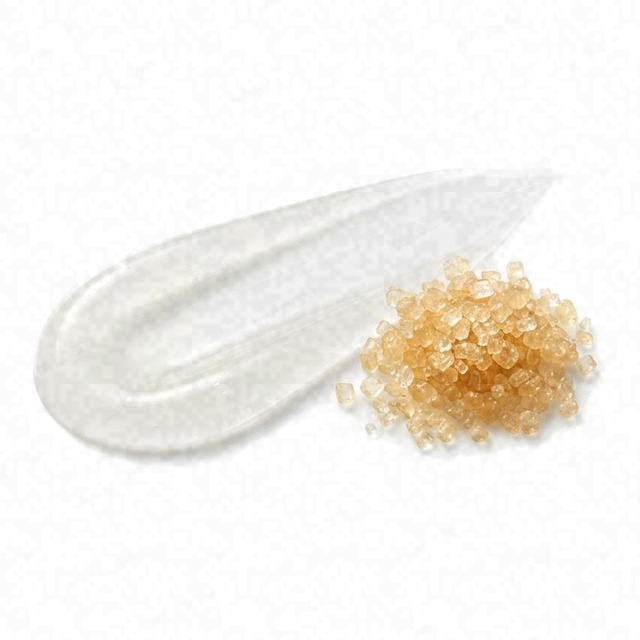 Glycolic Acid
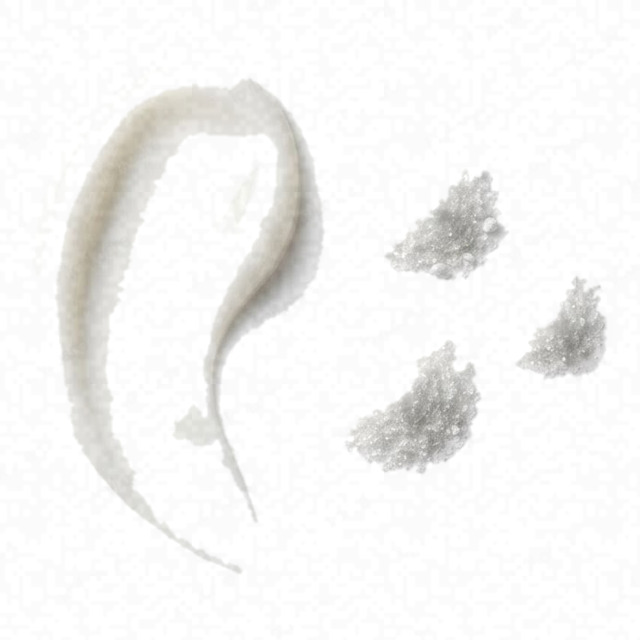 Piroctone Olamine
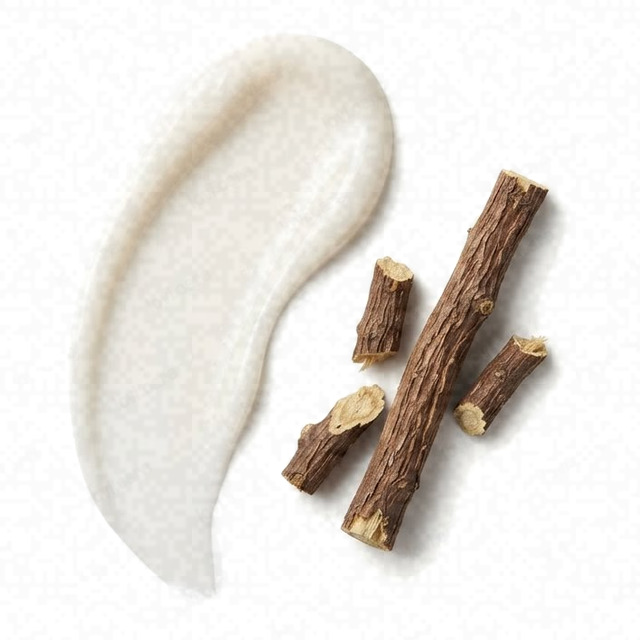 Glycyrrhetinic Acid
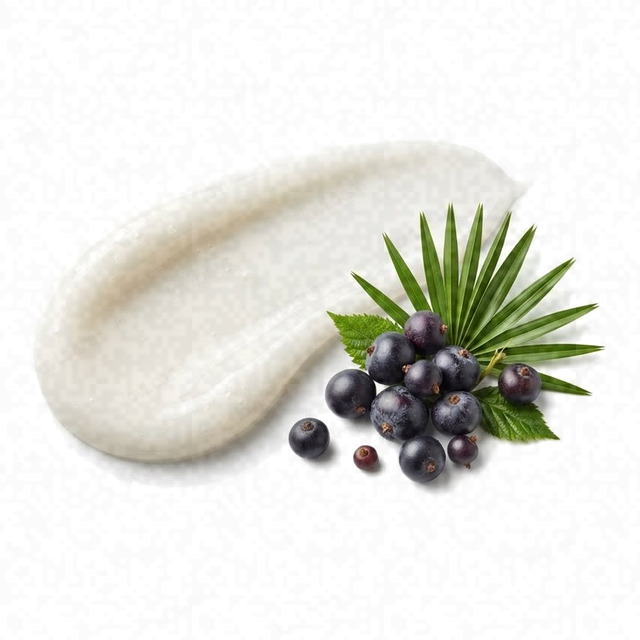 Serenoa Serrulata Fruit Extract
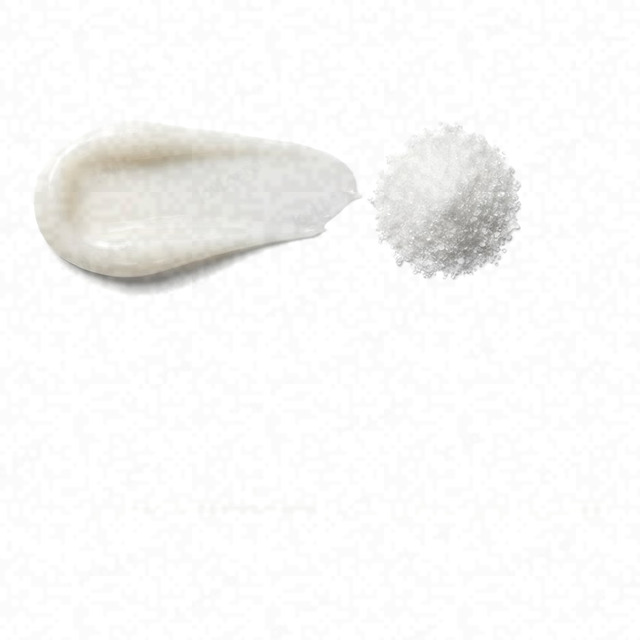 Acetamide Mea
Average
- HighCombination Skin Fit
- AverageEffectiveness
- HighSafety
Works for acne-prone skin; other serums fit it better.
This fit is calculated for the concerns frequently associated with acne-prone skin: breakouts, blackheads, and post-acne marks. For scores and recommendations based on your full skin profile, including your 12D face scan results and any goals or preferences you have, please use the Lovi app.
Page built Nov 8, 2026How the Fit score works
Lovi Assistant explains
- Offers moderate treatment for scalp conditions due to piroctone olamine and glycolic acid, which help reduce flaking and inflammation, but these ingredients are not directly targeted for your acne, blemishes, and breakouts.
- The formula is highly suitable for combination skin, with ingredients like bisabolol and glycyrrhetinic acid providing general soothing benefits.
- The product is safe for your acne-prone skin, as it lacks harsh ingredients and includes soothing components.
How to apply
- Use your serum as part of your PM routine and start 3x/week before working up to daily use.
- Apply this treatment after cleansing and toner, and before your moisturizer.
- Gently press 2-3 drops of the serum into your skin and let it absorb for a minute.
- Apply the product on clean, dry skin to help manage your breakouts safely.
- Avoid the eye area and do a patch test before your first use.
Questions and answers
How well does Ducray Kelual DS work for acne-prone skin?
Ducray Kelual DS Cream is an average fit for acne-prone skin because its ingredients target flaking rather than breakouts, though it is safe and unlikely to cause irritation. To work better for this skin, a product needs targeted acne-fighting ingredients along with soothing agents that keep skin calm and clear.
Which ingredients make this cream a good fit for acne-prone skin?
Ducray Kelual DS Cream is an average fit for acne-prone skin because while glycolic acid and piroctone olamine help reduce flaking and inflammation, they are not directly targeted for your acne, blemishes, and breakouts. Products that fit this skin better need ingredients like niacinamide and fermented ingredients to enhance skin clarity and texture.
What does Glycolic Acid do for acne-prone skin?
Glycolic acid helps clear acne-prone skin by reducing pimples and breakouts. It also helps fade dark spots left behind by acne and controls skin oiliness, with very few side effects when used properly.
Journal of Cosmetic Dermatology, 2021Dermatologic Surgery, 2014
What does Piroctone Olamine do for acne-prone skin?
Piroctone Olamine helps acne-prone skin by fighting the bacteria that lead to breakouts and calming red, irritated areas. It is generally well-tolerated and helps keep pores clear for a smoother, healthier look.
Where does it go in a skincare routine for acne-prone skin?
This treatment goes in your evening routine after cleansing and toning, and is safe for your acne-prone skin because it lacks harsh ingredients and includes soothing components. However, this product is an average fit because its active ingredients focus more on flaking and inflammation rather than directly targeting blemishes and breakouts. Acne-prone skin needs products with targeted blemish-fighting ingredients and oil-balancing benefits.
Can I use this cream with salicylic acid, and in what order?
You can use this cream alongside salicylic acid, applying salicylic acid first and following with this treatment in your evening routine. This product is unlikely to irritate your skin because it lacks harsh ingredients and includes soothing components like bisabolol and glycyrrhetinic acid, though acne-prone skin generally benefits more from targeted blemish-fighting ingredients and exfoliants.
How often should I use it?
This treatment is safe for your acne-prone skin, but it is not directly targeted for breakouts and works best when used as an evening step once a week to start. Acne-prone skin needs products with clarifying and balancing ingredients that actively target blemishes.
Can this cream clog pores, cause breakouts or purging for acne-prone skin?
This cream is unlikely to clog pores or cause breakouts for your acne-prone skin, as it is safe and free of harsh ingredients. However, because it is only an average fit for this skin, acne-prone skin usually needs targeted blemish-clearing ingredients like salicylic acid, retinoids, or benzoyl peroxide to truly keep breakouts at bay.
Is it fragrance-free and alcohol-free?
Yes, it has no fragrance and no drying alcohol. Cetearyl alcohol is a fatty alcohol, which soften the skin.
What the research says
A dermo-cosmetic formula containing 2% enoxolone significantly reduced erythema at 24 hours and pain at 30 minutes following non-ablative fractional laser treatment in 10 healthy subjects compared to a moisturizer control.
Journal of Cosmetic Dermatology, 2024Glycolic acid, salicylic acid, gluconolactone, and licochalcone A combined with 0.1% adapalene showed no hindrance compared to adapalene monotherapy and provided benefits in reducing complications in 25 subjects with mild-to-moderate acne vulgaris.
Clinical, Cosmetic and Investigational Dermatology, 2019Repeated short-contact 70% glycolic acid peels provided superior results in atrophic acne scars compared to daily low-strength glycolic acid cream or placebo in 58 women over 24 weeks.
International Journal of Dermatology, 2000Serial glycolic acid peels combined with a modified Kligman formula significantly reduced facial PIH severity in Indian patients compared to the modified Kligman formula alone.
Dermatologic Surgery, 2017Scalp sebum accumulation negatively correlated with hydration and positively correlated with lipid oxidative stress biomarkers, which were reduced after a single wash with a shampoo containing 0.5% piroctone olamine in an Asian population.
Skin Research and Technology, 2026Topical application of a cream containing 2.5% glycyrrhetinic acid significantly reduced thigh fat thickness and circumference compared to placebo in healthy women.
Steroids, 2005Topical application of B-Resorcinol and Glycyrrhetinic acid effectively lightens hand solar lentigines after 4 weeks of treatment both with and without prior fractional laser photothermolysis, showing no statistical difference between the two approaches.
Journal of Cosmetic Dermatology, 2016Glycyrrhetinic acid inhibited skin 11 beta-hydroxysteroid dehydrogenase and potentiated the vasoconstrictor action of hydrocortisone.
Lancet, 1990
Why other serums fit acne-prone skin better
Topical benzoyl peroxide 5% gel treatment improved acne severity, sebum, stratum corneum hydration, and transepidermal water loss, while significantly reducing microbial diversity and the prevalence of Cutibacterium in 33 patients with acne vulgaris.
Dermatologic Therapy, 2022Topical benzoyl peroxide may improve acne more effectively than placebo or no treatment, while showing little to no difference compared with adapalene or clindamycin, but with an increased risk of treatment discontinuation due to adverse effects compared to placebo.
The Cochrane Database of Systematic Reviews, 2020Co-delivery of paeonol and madecassoside via nanoemulsions improved transdermal delivery, promoted barrier repair proteins, inhibited inflammatory cytokine secretion in cellular and 3D models, and reduced transepidermal water loss and acne in human facial skin compared to free components.
Molecules, 2023
Ingredients
Water, Caprylic Capric Triglyceride, Cyclomethicone, Dicaprylyl Ether, Cetearyl Alcohol, Acetamide Mea, Glycolic Acid, Guanidine Carbonate, Glyceryl Stearate, Polymethyl Methacrylate, Ceteareth-33, Crotamiton, Piroctone Olamine, Serenoa Serrulata Fruit Extract, Tetrasodium Edta, Bisabolol, Ethanolamine, Glycyrrhetinic Acid, Sodium Chloride, Tocopherol
Behind this fit score
Lovi calculates every fit score from the full ingredient list with brand-independent rules our dermatologists and cosmetic chemists build and review, and personalizes every pick with AI trained on the real results of millions of users. Lovi trains its fit score models on a proprietary dataset built from more than 10,000 expert-labeled products and more than 100,000 simulated examples, following an internally consistent methodology presented at Cosmoprof, AMWC, and Skin of Color Update.
-

Co-founder, Medical Director
Cosmetic chemist, cosmetologist, aesthetic products developer
-

Co-founder, CEO and CTO
PhD in computer science, 3x US patent holder, ex-Google, ex-Yandex
-

Dr. Sofía Perea Pérez, MD, MSc
Medical Board
Aesthetic medicine practitioner, MSc in Longevity and Anti-Aging Medicine
-

Medical Board
Specialist dermatologist, MBBS, MD, IFAAD
-

Medical Board
Cosmetic chemist, SCS, IFSCC member
-

Medical Board, Medical Advisor
Dermatology MD
-

Elina Nazarenko, MD
Medical Board
Dermatology and diagnostic consultant
-

Victoria Derkova, MS
Medical Board
Cosmetic chemist, cosmetic development technologist


How does it fit your skin?
Scan your face, then any product: Lovi shows how well it fits you and what fits even better.