
Dr. Althea Vitamin C Boosting Serum

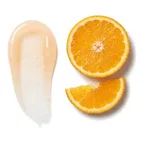 3-O-Ethyl Ascorbic Acid Ascorbic Acid
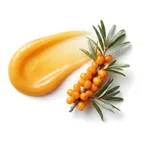 Hippophae Rhamnoides Fruit Extract
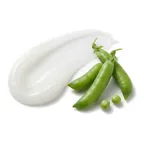 Niacinamide
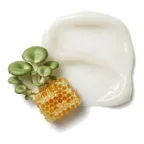 Panthenol Vitamin B5
 Sodium Hyaluronate
With 3-o-ethyl ascorbic acid, niacinamide, and panthenol to brighten the skin, control oil, and hold in water, so it suits most skin types. For skin that needs soothing, serums with madecassoside and centella get higher fit scores. Where to buy in the UK: Amazon.co.uk, Notino, and Lookfantastic, £14.87 to £18.40.
Each fit is calculated for the concerns frequently associated with that skin type. For scores and recommendations based on your full skin profile, including your 12D face scan results and goals, use the Lovi app.
Updated How the Fit score works
Where it fits best and least
Best fit High
Oily Skin, Combination Skin, Acne-Prone Skin, Skin with Dark Spots, Mature Skin, Oily Acne-Prone Skin
One of the best serums for oily skin.
- Excellent for your oily skin, this serum utilizes 3-O-Ethyl Ascorbic Acid and Ascorbic Acid to effectively brighten and even your skin tone, while Niacinamide helps regulate sebum production for reduced shine.
Lowest fit Average
Dry Skin, Sensitive Skin, Dry Sensitive Skin
Works for dry skin; other serums fit it better.
- Offers moderate hydration for your dry skin, as multiple forms of hyaluronic acid and panthenol provide supportive hydration without being specialized for significant dryness.
Buy online


Prices checked 22 Nov 2026
The Lovi Fit is the same in every country; only the stores and prices differ, and the ones here are for the United Kingdom.
How to apply
- Apply this serum PM, starting 3×/week and working up to daily use as your skin adjusts.
- Place the serum after cleansing and toner, but right before your moisturizer.
- Gently press 2-3 drops of the serum into your skin and let it absorb for a minute.
- Apply the serum on slightly damp skin to help lock in extra moisture.
- Avoid the eye area and do a patch test before your first use.
People Say
★4.4Overall rating based on 900+ reviewsUsers with sensitive and acne-prone skin frequently praise this serum for its lightweight, non-irritating formula that effectively brightens dull complexions and fades post-acne hyperpigmentation without causing stinging. While many appreciate the "glass skin" glow and hydration it provides, a minority of users report breakouts or find the brightening effects too subtle compared to stronger pure Vitamin C serums.
Highlights
Gentle & non-irritating Mostly Mentioned
- “great for sensitive skin”
- “never experienced irritation”
- “no stinging sensation”
- “very gentle formula”
Brightens & evens tone Often Mentioned
- “faded dark spots”
- “gave me a glow”
- “helped with acne scars”
- “skin looks more radiant”
Lightweight texture Often Mentioned
- “absorbs quickly”
- “not sticky at all”
- “watery consistency”
- “leaves no residue”
Hydrating formula Sometimes Noted
- “leaves skin soft”
- “feels moisturizing”
- “plumps the skin”
- “good hydration boost”
Subtle results Sometimes Noted
- “didn't see big difference”
- “results are very slow”
- “not potent enough”
- “too mild for old scars”
Caused breakouts Rarely Noted
- “broke me out badly”
- “caused tiny bumps”
- “triggered acne”
- “skin got better after stopping”
Scent dislike Rarely Noted
- “smells a bit odd”
- “faint chemical scent”
- “didn't like the smell”
- “scent lingers”
Sticky finish Rarely Noted
- “leaves a tacky film”
- “feels slightly sticky”
- “takes time to dry down”
- “sticky under makeup”
Sources: lovi.care, iherb.com, skinsort.com, yesstyle.com, gopicky.com, reddit.com, and more
Questions and answers
What makes Dr.Althea Vitamin C Boosting Serum a great fit for oily skin?
Dr.Althea Vitamin C Boosting Serum is a great fit because it uses ascorbic acid to brighten your skin tone and niacinamide to help control extra oil and shine. It also includes panthenol and multiple hyaluronic acid types to keep your skin comfortably hydrated without feeling heavy.
American Journal of Clinical Dermatology, 2002The Journal of Dermatological Treatment, 2017
What does 3-O-Ethyl Ascorbic Acid do for combination skin?
3-O-Ethyl Ascorbic Acid helps brighten an uneven skin tone and protects combination skin from daily environmental damage as a powerful antioxidant. Because it supports an even skin tone and targets pigmentation, this ingredient may also help balance areas prone to dark spots while keeping the skin smooth and healthy.
What makes Dr.Althea Vitamin C Serum a great fit for oily acne-prone skin?
Dr.Althea Vitamin C Boosting Serum is a great fit because ingredients like 3-O-Ethyl Ascorbic Acid and Niacinamide help control oil production and breakouts. It also includes soothing agents and multiple hyaluronic acid derivatives to keep your oily skin calm and hydrated without irritation.
How well does Dr.Althea Vitamin C Boosting Serum work for dry skin?
Dr.Althea Vitamin C Boosting Serum offers moderate hydration for dry skin, giving you helpful brightening without being specialized for significant dryness. It is safe for your skin with no risks of irritation, but dry skin of this type needs rich ingredients that specifically target deep hydration, barrier support, and soothing nourishment.
American Journal of Clinical Dermatology, 2002The Journal of Dermatological Treatment, 2017
How well does the Dr.Althea Vitamin C Boosting Serum work for dry sensitive skin?
Dr.Althea Vitamin C Boosting Serum works decently for dry sensitive skin by brightening your tone while keeping your skin calm and hydrated through vitamin C, multiple forms of hyaluronic acid, and panthenol. Because it is only an average fit, products for this skin need maximum hydrating and nourishing ingredients, skin barrier support, and ceramides to deliver optimal moisture retention and protection.
American Journal of Clinical Dermatology, 2002The Journal of Dermatological Treatment, 2017
Is this serum fragrance-free and alcohol-free?
What makes Dr.Althea Vitamin C Boosting Serum a great fit for acne-prone skin?
Dr.Althea Vitamin C Boosting Serum is a great fit for acne-prone skin because 3-O-Ethyl Ascorbic Acid and Niacinamide help control oil and clear breakouts while brightening dark spots. The formula also provides lasting moisture and includes soothing ingredients like Allantoin to keep skin calm and balanced without irritation.
Free Radical Biology & Medicine, 2021Scientific Reports, 2024
How well does Dr.Althea Vitamin C Boosting Serum work for sensitive skin?
Dr.Althea Vitamin C Boosting Serum is an average fit for sensitive skin, as it provides moderate brightening and soothing hydration with panthenol and allantoin while safely avoiding harsh ingredients. Sensitive skin needs treatments with ingredients like niacinamide and soothing agents that calm redness and irritation without any risk of irritation.
American Journal of Clinical Dermatology, 2002The Journal of Dermatological Treatment, 2017
What makes Dr.Althea Vitamin C Boosting Serum a great fit for skin with dark spots?
Dr.Althea Vitamin C Boosting Serum is a great fit for skin with dark spots because it uses 3-O-Ethyl Ascorbic Acid and Ascorbic Acid to effectively brighten and even out skin tone. Multiple forms of hyaluronic acid and panthenol also provide deep hydration to keep skin healthy while fading dark spots safely without irritation.
What makes Dr.Althea Vitamin C Boosting Serum a great fit for mature skin?
Dr.Althea Vitamin C Boosting Serum is a great fit for mature skin because Ascorbic Acid, 3-O-Ethyl Ascorbic Acid, and Tocopherol work together to boost collagen, smooth wrinkles, and brighten your complexion. Multiple forms of hyaluronic acid provide deep hydration, while Panthenol and Niacinamide help calm and soothe your skin.
Journal of Cosmetic Dermatology, 2020Journal of Cosmetic Dermatology, 2022
What the research says
Topical dexpanthenol acts as a moisturizer, improves stratum corneum hydration, accelerates wound healing and epidermal regeneration, reduces erythema, and improves symptoms of skin irritation compared to vehicle or no pretreatment.
American Journal of Clinical Dermatology, 2002Topical application of 5% vitamin C cream significantly improved global clinical scores, increased skin microrelief density, and induced elastic tissue repair in photoaged skin compared to excipient control in healthy female volunteers.
Experimental Dermatology, 2003Topical application of VC-IP cream twice daily for 8 weeks reduces periorbital wrinkles in female subjects compared to a placebo cream.
Journal of Cosmetic Dermatology, 2022Topical treatment with 5% vitamin C and 0.1% madecassoside significantly improved clinical scores for wrinkles, suppleness, firmness, roughness, and skin hydration, along with functional and structural remodeling of the elastic fiber network in 20 female volunteers with photoaged skin after 6 months compared to baseline.
Experimental Dermatology, 2008Topical application of a sea buckthorn fruit extract formulation significantly reduced skin sebum secretion in 10 healthy human volunteers compared to the control base over an 8-week period.
Journal of Pharmacy & Bioallied Sciences, 2010Topical emulsions containing Hippophae rhamnoides and Cassia fistula plant extracts significantly reduced skin sebum contents compared to placebo in patients with grade I and grade II acne vulgaris.
Postepy Dermatologii I Alergologii, 2014Topical application of a 5% Hippophae rhamnoides oil-in-water emulsion significantly improved skin hydration (p=0.0003) and transepidermal water loss (p=0.0087) compared to a placebo base formulation in 13 healthy male subjects over 84 days.
Pakistan Journal of Pharmaceutical Sciences, 2014Topical nicotinamide prevented solar-simulated UV-induced immunosuppression in healthy volunteers, and men experienced immunosuppression at solar-simulated UV doses three times lower than those required for women.
The Journal of Investigative Dermatology, 2008Topical 5% niacinamide applied twice daily for 12 weeks reduced fine lines and wrinkles, hyperpigmented spots, red blotchiness, and skin sallowness, and improved skin elasticity compared to vehicle control in 50 female white subjects with facial photoaging.
Dermatologic Surgery, 2005Topical 2% niacinamide significantly decreased sebum excretion rate in Japanese individuals and casual sebum levels in Caucasian individuals compared to placebo or baseline.
Journal of Cosmetic and Laser Therapy, 2006Topical dexpanthenol formulated in lipophilic vehicles improved stratum corneum hydration and reduced transepidermal water loss compared to vehicle control in humans.
Arzneimittel-Forschung, 2000A combination serum containing galactomyces ferment filtrate, dexpanthenol, and Centella asiatica effectively treated post-acne hyperpigmentation in subjects with colored skin by significantly increasing lightness scores in Fitzpatrick skin type V and reducing the melanin index in Fitzpatrick skin type IV compared to placebo.
Skinmed, 2021Topical application of 0.1% hyaluronic acid formulations of different molecular weights led to significant improvements in skin hydration and elasticity, with low-molecular-weight formulations also significantly reducing wrinkle depth in seventy-six female subjects compared to a vehicle control.
Journal of Drugs in Dermatology, 2011Topical hyaluronic acid serum used twice daily by 40 females with facial photoaging produced an immediate 134% increase in skin hydration, a sustained 55% increase at week 6, and significant improvements in smoothness, plumping, fine lines, wrinkles, and global appearance without causing irritation.
Dermatology and Therapy, 2021A topical antioxidant serum significantly reduced air pollution-induced skin pigmentation and proinflammatory gene expression ex vivo, and improved skin aging signs in 40 healthy adult females after 90 days of daily use.
Journal of Cosmetic Dermatology, 2022L-ascorbic acid and betaine-based therapeutic deep eutectic system significantly enhanced transdermal delivery through porcine skin compared to ascorbic acid alone or physical mixture, and reduced aging markers while inducing an even skin tone in humans.
Pharmaceutics, 2024A cream containing panthenol, prebiotics, and probiotic lysate improved facial sensitive skin symptoms and skin barrier function in 110 participants over 28 days.
Skin Research and Technology, 2024A new topical panthenol-containing emollient significantly improved transepidermal water loss reduction, stratum corneum hydration, and intercellular lipid lamellae length compared with control in healthy subjects without negatively impacting bacterial viability.
The Journal of Dermatological Treatment, 2017A topical serum containing vitamin C, vitamin E, and raspberry leaf cell culture extract improved skin color, elasticity, radiance, smoothness, scaliness, and wrinkles compared to the untreated contralateral side in fifty female volunteers.
Journal of Cosmetic Dermatology, 2020A topical formulation containing panthenol, niacinamide, and dipotassium glycyrrhizate increased skin hydration by 74.1% and reduced transepidermal water loss by 13.5% at 28 days compared to baseline and untreated control in 35 individuals with xerosis.
Journal of Cosmetic Dermatology, 20263-O-ethyl ascorbic acid exerts anti-melanogenic effects via Nrf2-mediated alpha-MSH inhibition in UVA-irradiated keratinocytes and autophagy induction in melanocytes, while also inhibiting tyrosinase expression and endogenous pigmentation in a zebrafish model.
Free Radical Biology & Medicine, 2021The combination of allantoin, bisabolol, D-panthenol and dipotassium glycyrrhizinate reduces UVB-induced PGE2, inflammatory cytokines, and mitochondrial superoxide in human epidermal keratinocytes.
International Journal of Cosmetic Science, 2024Hyaluronic acid-based formulations exhibit remarkable anti-wrinkle, anti-aging, and skin rejuvenating effects via soft tissue augmentation, improved skin hydration, and face volume restoration.
International Journal of Biological Macromolecules, 2018Daily use of multi-weight hyaluronic acid plus antioxidant complex-based topical formulations significantly improved skin moisturization within 30 minutes and reduced dryness, roughness, fine lines, and wrinkles as early as two weeks compared to baseline.
The Journal of Clinical and Aesthetic Dermatology, 2024Niacinamide significantly decreased hyperpigmentation and increased skin lightness compared with vehicle alone after 4 weeks of use in women by inhibiting melanosome transfer.
The British Journal of Dermatology, 2002Combined treatment with cannabigerol and 3-O-ethyl ascorbic acid abolished UVB-induced changes by decreasing the expression of kinases and reducing protein modifications by 4-hydroxynonenal in cultured human keratinocytes, restoring the kinase profile to that of non-irradiated controls.
Scientific Reports, 2024Topical vitamin C effectively treats uneven and wrinkled skin while providing depigmenting properties in patients with melasma and photoaging compared to baseline or placebo.
Journal of Cosmetic Dermatology, 2023Retinyl retinoate- and ascorbic acid-loaded dissolving microneedle patches significantly improved crow's feet wrinkles in 24 Korean women over 12 weeks without causing any side effects.
International Journal of Cosmetic Science, 2014Topical delivery of L-ascorbic acid derivatives via emulgels increased skin hydration and skin whitening potential without significantly altering TEWL or pH over a 30-day in vivo study.
Pharmaceutics, 2023
Ingredients
Water, Hippophae Rhamnoides Fruit Extract, 3-O-Ethyl Ascorbic Acid, Panthenol, 1,2-Hexanediol, Ascorbic Acid, Tocopherol, Niacin, Pantothenic Acid, Thiamine Hcl, Riboflavin, Pyridoxine, Folic Acid, Biotin, Butylene Glycol, Niacinamide, Dipropylene Glycol, Propanediol, Polyglyceryl-10 Laurate, Sodium Hyaluronate, Hydroxypropyl Trimonium Hyaluronate, Sodium Acetylated Hyaluronate, Hydrolyzed Hyaluronic Acid, Sodium Hyaluronate Crosspolymer, Hydrolyzed Sodium Hyaluronate, Potassium Hyaluronate, Dipotassium Glycyrrhizate, Carbomer, Tromethamine, Xanthan Gum, Ammonium Acryloyldimethyltaurate Vp Copolymer, Ethylhexylglycerin, Adenosine, Disodium Edta, Citrus Aurantium Dulcis Peel Oil, Melia Azadirachta Leaf Extract, Melia Azadirachta Flower Extract, Coccinia Indica Fruit Extract, Solanum Melongena Fruit Extract, Ocimum Sanctum Leaf Extract, Curcuma Longa Root Extract, Corallina Officinalis Extract, Allantoin, Taurine, Limonene
Behind these fit scores
Lovi calculates every fit score from the full ingredient list with brand-independent rules our dermatologists and cosmetic chemists build and review, and personalizes every pick with AI trained on the real results of millions of users. Lovi trains its fit score models on a proprietary dataset built from more than 10,000 expert-labeled products and more than 100,000 simulated examples, following an internally consistent methodology presented at Cosmoprof, AMWC, and Skin of Color Update.
-

Co-founder, Medical Director
Cosmetic chemist, cosmetologist, aesthetic products developer
-

Co-founder, CEO and CTO
PhD in computer science, 3x US patent holder, ex-Google, ex-Yandex
-

Dr. Sofía Perea Pérez, MD, MSc
Medical Board
Aesthetic medicine practitioner, MSc in Longevity and Anti-Aging Medicine
-

Medical Board
Specialist dermatologist, MBBS, MD, IFAAD
-

Medical Board
Cosmetic chemist, SCS, IFSCC member
-

Medical Board, Medical Advisor
Dermatology MD
-

Elina Nazarenko, MD
Medical Board
Dermatology and diagnostic consultant
-

Victoria Derkova, MS
Medical Board
Cosmetic chemist, cosmetic development technologist


How does it fit your skin?
Scan your face, then any product: Lovi shows how well it fits you and what fits even better.