Benton Deep Green Tea Toner for oily acne-prone skin

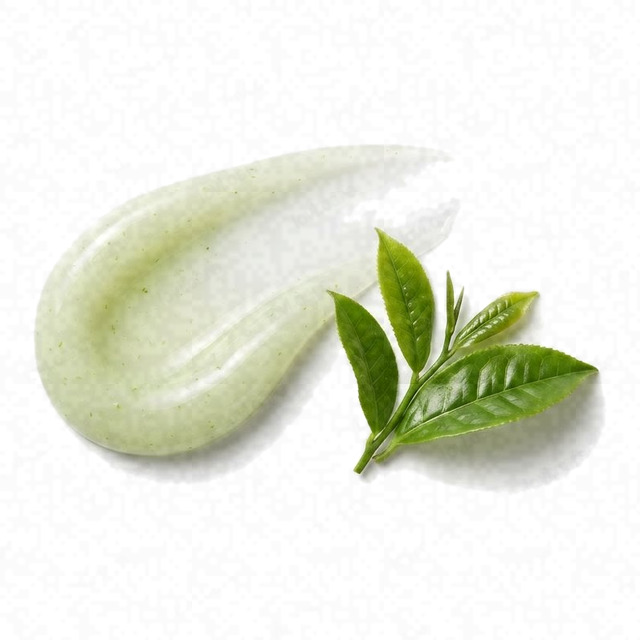 Camellia Sinensis Extract
 Sodium Hyaluronate
 Centella Asiatica Extract
 Glycerin
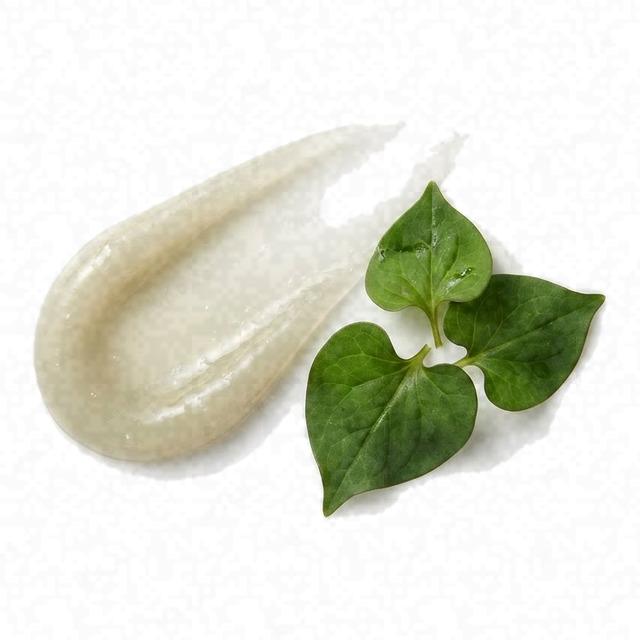 Houttuynia Cordata Extract
Superior
- SuperiorOily Skin Fit
- HighEffectiveness
- ExcellentSafety
One of the best toners for oily acne-prone skin.
This fit is calculated for the concerns frequently associated with oily acne-prone skin: shine, breakouts, blemishes, and enlarged pores. For scores and recommendations based on your full skin profile, including your 12D face scan results and any goals or preferences you have, please use the Lovi app.
Page built Nov 8, 2026How the Fit score works
Lovi Assistant explains
- Excellent suitability for your oily skin is provided by Camellia Sinensis Leaf Water and Salix Nigra Bark Extract, which offer effective oil control and mild exfoliation to address your acne, blemishes, and breakouts.
- The formula deeply hydrates your skin with Sodium Hyaluronate and Glycerin, ensuring a comfortable and balanced complexion.
- This product is safe for your skin, featuring soothing ingredients like Camellia Sinensis Leaf Water and Centella Asiatica Extract with no risk of irritation.
How to apply
- Could be used as part of your AM or PM routine. Start using it 3 times a week and move to daily use if your skin feels fine.
- Apply your hydrating toner after cleansing and before putting on your moisturizer or SPF.
- Gently press 2-3 drops of the hydrating toner into your skin with your hands. Let it ⏱absorb for a minute before adding your next product.
- Applying the hydrating toner on slightly damp skin helps your face absorb it better. This keeps your oily skin balanced and hydrated.
- Be sure to avoid the eye area when applying. Do a patch test before your first use to check for any reaction.
People Say
★4.4Overall rating based on 600+ reviewsUsers with oily, combination, and sensitive skin frequently praise this toner for its ability to soothe redness and control excess sebum, leaving a refreshing, lightweight, and non-sticky finish. While it is well-suited for layering and provides gentle hydration, individuals with dry skin often find it insufficient on its own.
Highlights
Lightweight texture Mostly Mentioned
- “absorbs instantly”
- “feels like water”
- “no sticky residue”
Soothing and calming Often Mentioned
- “calms redness instantly”
- “soothed my breakouts”
- “great for sensitive skin”
Layerable hydration Sometimes Noted
- “great for layering”
- “doesn't pill”
- “refreshing hydration”
Oil control Sometimes Noted
- “less oily during day”
- “controls sebum well”
- “perfect for summer”
Not hydrating enough Sometimes Noted
- “too watery”
- “not moisturizing enough”
- “need heavy moisturizer after”
Caused breakouts Rarely Noted
- “caused tiny bumps”
- “broke me out”
- “skin texture worsened”
Lack of results Rarely Noted
- “did nothing”
- “just like water”
- “no difference seen”
Scent issues Rarely Noted
- “smells earthy”
- “weird medicinal scent”
- “unpleasant odor”
Sources: lovi.care, iherb.com, yesstyle.com, stylekorean.com, reddit.com, femaledaily.com, and more
Questions and answers
What makes Benton Deep Green Tea Toner one of the best fits for oily acne-prone skin?
Benton Deep Green Tea Toner is an exceptional fit for oily acne-prone skin because it controls excess oil, helps clear breakouts, and delivers deep hydration without irritation. Ingredients like green tea leaf water and willow bark extract manage oil and blemishes, while sodium hyaluronate and glycerin keep the skin comfortable and balanced.
Clinical, Cosmetic and Investigational Dermatology, 2017Journal of Cosmetic Dermatology, 2023
Which ingredients make this toner a good fit for oily acne-prone skin?
Camellia Sinensis Leaf Water and Salix Nigra Bark Extract make this toner a great fit by controlling oil and gently clearing breakouts on oily skin. At the same time, Sodium Hyaluronate and Glycerin deeply hydrate the face, while Centella Asiatica Extract helps calm the skin with practically no risk of irritation.
Clinical, Cosmetic and Investigational Dermatology, 2017Indian Journal of Pharmaceutical Sciences, 2016
What does Green Tea Extract do for oily acne-prone skin?
Green tea extract helps calm oily, acne-prone skin by reducing excess oil and calming redness. Applying it topically may decrease breakouts and soothe irritation caused by UV rays.
The Journal of Investigative Dermatology, 2013The Journal of Investigative Dermatology, 2012
What does Hyaluronic Acid do for oily acne-prone skin?
Hyaluronic acid helps calm oily acne-prone skin by reducing sebum production and lipid synthesis in sebaceous glands. It also supports skin barrier function and improves hydration while helping deliver treatments without causing irritation.
The Journal of Investigative Dermatology, 2017Journal of Cosmetic Dermatology, 2022
Where does this toner go in a skincare routine for oily acne-prone skin?
This toner goes right after cleansing in your morning routine, and after your cleansing mask during your weekly routine. It helps balance your skin while prepping it for the next steps.
Can I use this toner with retinol, and in what order?
Yes, you can use this hydrating toner with your retinol by applying the toner first to keep your skin balanced and comfortable while helping your skin handle the retinol. Ingredients like Sodium Hyaluronate and Glycerin deeply hydrate the skin, while Centella Asiatica Extract helps soothe any potential irritation.
Clinical, Cosmetic and Investigational Dermatology, 2017Indian Journal of Pharmaceutical Sciences, 2016
How often should I use this toner?
You can use this toner daily in your morning routine to help manage oil and keep your complexion balanced. Its soothing ingredients are gentle on your skin and are unlikely to cause irritation.
Clinical, Cosmetic and Investigational Dermatology, 2017Indian Journal of Pharmaceutical Sciences, 2016
Can this toner clog pores, cause breakouts or purging for oily acne-prone skin?
This toner is unlikely to cause breakouts or clog pores on oily acne-prone skin, as it features soothing ingredients with no risk of irritation. Reviewers rarely report breakouts from this formula, and its green tea water and willow bark extract help control excess oil while calming the skin.
Is this toner fragrance-free and alcohol-free?
Yes, it has no fragrance and no drying alcohol.
What the research says
A moisturizing cream containing 2% l-carnitine and 5% EGCG significantly reduced sebum levels and improved skin hydration in ninety subjects with seborrhea over 4 weeks, showing greater anti-sebum efficacy in the combination group compared to the l-carnitine group alone.
Journal of Cosmetic Dermatology, 2023A single application of a moisturizing fluid containing hyaluronic acid 1%, glycerin 5%, and Centella asiatica stem cells extract significantly increased skin hydration by 29% and reduced transepidermal water loss at 24 hours compared to baseline and an untreated control site in twenty healthy women.
Clinical, Cosmetic and Investigational Dermatology, 2017Cosmetic formulations containing 5% Centella asiatica extract showed the best efficacy in improving skin moisture and decreasing transepidermal water loss, while also exhibiting antiinflammatory properties in 25 volunteers compared to baseline measurements.
Indian Journal of Pharmaceutical Sciences, 2016Co-delivery of paeonol and madecassoside via nanoemulsions improved transdermal delivery, promoted barrier repair proteins, inhibited inflammatory cytokine secretion in cellular and 3D models, and reduced transepidermal water loss and acne in human facial skin compared to free components.
Molecules, 2023Topical application of (-)-epigallocatechin-3-gallate (EGCG) to human skin before UV irradiation decreases UV-induced production of hydrogen peroxide by 68-90% and nitric oxide by 30-100%, inhibits leukocyte infiltration and lipid peroxidation by 41-84%, and restores glutathione levels and glutathione peroxidase activity compared to UV exposure alone.
Carcinogenesis, 2001Topical green tea extract significantly improved clinical symptoms, tear breakup times, and meibomian gland health compared to standard treatment in patients with dry eye and Meibomian Gland Dysfunction.
Journal of Clinical and Diagnostic Research, 2017Topical low-dose green tea extract reduces UVB-induced p53 expression and apoptosis in human skin keratinocytes compared to placebo.
Experimental Dermatology, 2009An anti-acne hydrogel containing Aloe barbadensis, Garcinia mangostana, and Camellia sinensis extracts showed superior antiacne and antiblotch activities compared to 1% clindamycin gel in sixty subjects with mild-moderate acne.
Clinical, Cosmetic and Investigational Dermatology, 2019Topical application of 0.1% hyaluronic acid formulations of different molecular weights led to significant improvements in skin hydration and elasticity, with low-molecular-weight formulations also significantly reducing wrinkle depth in seventy-six female subjects compared to a vehicle control.
Journal of Drugs in Dermatology, 2011Topical application of hyaluronic acid in conjunction with free gingival graft significantly reduced donor site postoperative pain until day 7 compared to normal saline, with no significant differences in graft dimensions or patient satisfaction.
Clinical Oral Investigations, 2022Treatment with a hyaluronic acid-containing mouth rinse or topical gel led to significant lesion reduction, pain relief, and normalization of lesion color in adult patients with minor recurrent aphthous stomatitis, with the gel formulation showing an earlier healing onset at 3 days.
BMC Oral Health, 2019Topical application of 0.05% w/w ECa 233 gel reduced erythema index by 0.03 U and improved early crusting and general wound appearance compared to placebo in thirty individuals undergoing facial laser resurfacing.
Journal of Alternative and Complementary Medicine, 2020Moisturizer containing 5% panthenol, madecassoside, and copper-zinc-manganese decreased adverse reactions and downtime after ablative fractional carbon dioxide laser resurfacing with comparable efficacy to 0.02% triamcinolone acetonide cream in 20 subjects.
Journal of Cosmetic Dermatology, 2019Topical treatment with 5% vitamin C and 0.1% madecassoside significantly improved clinical scores for wrinkles, suppleness, firmness, roughness, and skin hydration, along with functional and structural remodeling of the elastic fiber network in 20 female volunteers with photoaged skin after 6 months compared to baseline.
Experimental Dermatology, 2008The emollient V0034CR significantly reduced TEWL compared to vehicle and vehicle plus glycerol, and significantly increased corneometry scores compared to vehicle and vehicle plus petrolatum in healthy volunteers with dry skin, demonstrating combined barrier function improvement from petrolatum and hydration improvement from glycerol.
Journal of Cosmetic Dermatology, 2020Ten days of treatment with a cream containing 20% glycerin significantly increased skin hydration measured by corneometer values in 17 healthy volunteers compared to a placebo cream, but showed no influence on transepidermal water loss or skin sensitivity to an irritating surfactant.
International Journal of Cosmetic Science, 2001Niacinamide/glycerin body moisturizers provided better rapid and prolonged improvement of cosmetic xerosis through functional improvement of stratum corneum barrier function compared to no treatment and conventional moisturizers in female subjects.
Journal of Drugs in Dermatology, 2012Quercetin phospholipids 1% cream significantly reduced UV-, histamine-, and chemical-induced skin erythema (-10.05%) and mean wheal diameter in 30 healthy human volunteers, showing comparable efficacy to 1% dexchlorpheniramine cream.
Clinical, Cosmetic and Investigational Dermatology, 2016Quercetin-loaded niosomes formulated with Span60-RH40 at a 9:11 mass ratio improved quercetin solubility, photostability, sustained release, and transdermal penetration, yielding a skin retention 2.95 times higher than quercetin solution.
Molecules, 2019Optimized rutin-loaded glycerosomes formulated into a nanosunscreen gel demonstrated sustained drug release, greater skin permeation, good antioxidant activity, and better epidermal retention compared to the dermis, indicating high safety, stability, and sun protection factor values for topical administration.
Gels, 2023
Ingredients
Camellia Sinensis Leaf Water, Water, Butylene Glycol, 1,2-Hexanediol, Glycerin, Pentylene Glycol, Sodium Hyaluronate, Centella Asiatica Extract, Houttuynia Cordata Extract, Camellia Sinensis Leaf Extract, Camellia Sinensis Seed Extract, Camellia Sinensis Root Extract, Salix Nigra Bark Extract Willow Bark Extract, Punica Granatum Fruit Extract, Betaine
Behind this fit score
Lovi calculates every fit score from the full ingredient list with brand-independent rules our dermatologists and cosmetic chemists build and review, and personalizes every pick with AI trained on the real results of millions of users. Lovi trains its fit score models on a proprietary dataset built from more than 10,000 expert-labeled products and more than 100,000 simulated examples, following an internally consistent methodology presented at Cosmoprof, AMWC, and Skin of Color Update.
-

Co-founder, Medical Director
Cosmetic chemist, cosmetologist, aesthetic products developer
-

Co-founder, CEO and CTO
PhD in computer science, 3x US patent holder, ex-Google, ex-Yandex
-

Dr. Sofía Perea Pérez, MD, MSc
Medical Board
Aesthetic medicine practitioner, MSc in Longevity and Anti-Aging Medicine
-

Medical Board
Specialist dermatologist, MBBS, MD, IFAAD
-

Medical Board
Cosmetic chemist, SCS, IFSCC member
-

Medical Board, Medical Advisor
Dermatology MD
-

Elina Nazarenko, MD
Medical Board
Dermatology and diagnostic consultant
-

Victoria Derkova, MS
Medical Board
Cosmetic chemist, cosmetic development technologist


How does it fit your skin?
Scan your face, then any product: Lovi shows how well it fits you and what fits even better.