
Ambi Skincare Fade Cream

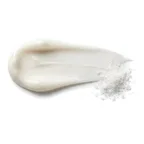 Hydroquinone
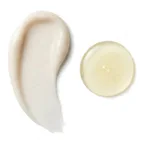 Octinoxate
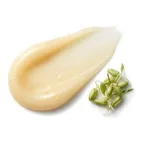 Vitamin E
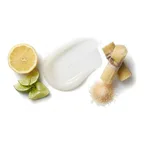 Alpha Hydroxy Acid
 Glycerin
Hydroquinone, glycerin, and vitamin e fade dark spots and hold in water, so it suits oily skin, skin with dark spots, and oily acne-prone skin best. Ambi Skincare makes it for oily skin, and it rates High for oily skin. For skin that needs hydration, serums with hyaluronic acid and panthenol get higher fit scores. Where to buy in the UK: Amazon.co.uk, £17.19.
Each fit is calculated for the concerns frequently associated with that skin type. For scores and recommendations based on your full skin profile, including your 12D face scan results and goals, use the Lovi app.
Updated How the Fit score works
Where it fits best and least
Best fit High
Oily Skin, Skin with Dark Spots, Oily Acne-Prone Skin
One of the best serums for oily skin.
- Highly suitable for your oily skin, this formula leverages hydroquinone and lactic acid to effectively brighten and even your skin tone, addressing oily shine. Glycerin and hydroxyethyl urea provide essential humectant action, while lactic acid offers moderate exfoliation and keratolytic benefits.
Lowest fit Caution
A poor match for dry skin.
- Offers moderate exfoliation for your dry skin due to lactic acid, which promotes skin renewal, but hydroquinone may cause dryness and irritation.
Other skin types
Buy online

Prices checked 22 Nov 2026
The Lovi Fit is the same in every country; only the stores and prices differ, and the ones here are for the United Kingdom.
How to apply
- Apply this serum PM, starting 3×/week and working up to daily use as your skin adjusts.
- Place the serum after cleansing and toner, but right before your moisturizer.
- Gently press 2-3 drops of the serum into your skin and let it absorb for a minute.
- Apply the serum on slightly damp skin to help lock in extra moisture.
- Avoid the eye area and do a patch test before your first use.
People Say
★3.6Overall rating based on 900+ reviewsRecent reviews show a clear division regarding the formula change, with many long-time users finding the new niacinamide-based version ineffective for hyperpigmentation compared to the original hydroquinone formula. New users and those with mild concerns report some success with gradual spot fading and improved skin texture, appreciating the cream's moisturizing feel and pleasant scent.
Highlights
Ineffective new formula Mostly Mentioned
- “new formula does nothing”
- “miss the old hydroquinone version”
- “stopped working after they changed ingredients”
- “waste of money now”
Improves skin texture Often Mentioned
- “leaves my face feeling soft”
- “great moisturizer for dry patches”
- “skin feels smooth after use”
- “helps with texture”
Slow results Often Mentioned
- “been using for months with no change”
- “takes forever to work”
- “much slower than the old tube”
- “requires too much patience”
Affordable price Sometimes Noted
- “great value for the money”
- “very affordable option”
- “good price point”
- “cheap but effective enough”
Gradual spot fading Sometimes Noted
- “faded my acne scars slowly”
- “spots are lighter after a month”
- “works if you are patient”
- “good for mild dark spots”
Pleasant scent & feel Sometimes Noted
- “smells very good”
- “lightweight and not greasy”
- “absorbs quickly into skin”
- “nice light floral scent”
Smaller packaging Sometimes Noted
- “tube is much smaller now”
- “less product for more money”
- “tiny tube runs out fast”
- “shrinkflation at its finest”
Caused breakouts/irritation Rarely Noted
- “broke my face out”
- “caused a rash on my cheeks”
- “burned my skin”
- “made my dark spots darker”
Sources: lovi.care, amazon.com, walmart.com, target.com, walgreens.com, reddit.com, and more
Questions and answers
What makes Ambi Fade Cream a great fit for oily skin?
Ambi Skincare Fade Cream is a great fit for oily skin because it uses hydroquinone and lactic acid to brighten your skin tone while addressing oily shine. Glycerin and hydroxyethyl urea help keep your skin comfortable, and sodium ascorbyl phosphate may help control excess oil. The formula has an excellent safety profile with very low risk of irritation for oily skin.
Clinical, Cosmetic and Investigational Dermatology, 2017Drug Research, 2017
How well does Ambi Fade Cream work for combination skin?
Ambi Fade Cream is an average fit for combination skin because it helps even out skin tone but lacks enough oil control for your oily areas. To work better for this skin, a treatment of this type needs ingredients like niacinamide, propolis, or zinc PCA to regulate oiliness while keeping the skin balanced.
Why is Ambi Fade Cream a weak match for dry sensitive skin?
Ambi Fade Cream is a weak match because its hydroquinone and lactic acid may dry out and irritate dry and sensitive skin while offering only limited moisture. A product of this type needs rich, gentle moisturizers and barrier-supporting ingredients that hydrate and protect dry skin without causing irritation.
Why does Lovi advise caution with Ambi Fade Cream for dry skin?
Lovi advises caution because the ingredients may cause dryness and irritation on dry skin, and the limited moisture retention makes it a poor match. A treatment for dry skin needs soothing ingredients, ceramides, and peptides that provide deep hydration and support the skin barrier without any risk of irritation.
Can I use this cream with retinol, and in what order?
You can use this cream in your evening routine, but you should apply it on a different night than your retinol to keep your skin calm and avoid irritation.
Is this cream fragrance-free and alcohol-free?
Yes, it has no fragrance and no drying alcohol. Cetyl alcohol is a fatty alcohol, which soften the skin.
What makes Ambi Fade Cream a great fit for skin with dark spots?
Ambi Skincare Fade Cream is a great fit for skin with dark spots because it uses hydroquinone and lactic acid to target uneven pigment and brighten your skin tone. Glycerin and hydroxyethyl urea help keep your skin hydrated, while vitamin E and sodium ascorbyl phosphate provide antioxidant protection.
How well does Ambi Fade Cream work for sensitive skin?
Ambi Skincare Fade Cream works for sensitive skin, but other products fit it better because it lacks ingredients to calm redness and irritation and needs richer moisturizing ingredients.
What makes Ambi Fade Cream a great fit for oily acne-prone skin?
Ambi Skincare Fade Cream is a great fit because it brightens your complexion and addresses uneven skin tone using hydroquinone and sodium ascorbyl phosphate, while glycerin hydrates and lactic acid provides mild exfoliation. The formula is safe for oily skin with no reported risks of irritation. Although it does not directly target acne or breakouts, it is well suited to your skin type.
How well does Ambi Fade Cream work for acne-prone skin?
Ambi Skincare Fade Cream works decently for acne-prone skin by brightening dark spots with hydroquinone and lactic acid, but it lacks targeted ingredients for breakouts. To fit this skin better, a treatment of this type needs effective ingredients like niacinamide, propolis, or zinc PCA that target acne while providing hydration and oil control.
How well does Ambi Fade Cream work for mature skin?
Ambi Skincare Fade Cream works moderately well for mature skin because its hydroquinone and lactic acid target dark spots, but it lacks enough ingredients to properly smooth wrinkles and fine lines. A treatment for mature skin needs potent antioxidants, hydrating components, and skin-repairing ingredients to keep skin looking soft and smooth.
What the research says
A single application of a moisturizing fluid containing hyaluronic acid 1%, glycerin 5%, and Centella asiatica stem cells extract significantly increased skin hydration by 29% and reduced transepidermal water loss at 24 hours compared to baseline and an untreated control site in twenty healthy women.
Clinical, Cosmetic and Investigational Dermatology, 2017Topical hydroquinone is an effective compound for treating hyperpigmentation disorders and can be combined with other therapies for enhanced results, though it is not without side effects.
Cureus, 2023Encapsulation of ethylhexyl methoxycinnamate and butyl methoxydibenzoylmethane in lipid microparticles significantly reduced their in vivo human skin penetration compared to nonencapsulated filters.
Skin Pharmacology and Physiology, 2011Replacing 20% of the chemical UV filter octyl methoxycinnamate with urucum oil in solid lipid nanoparticles maintained the skin protection factor without inducing toxic responses or significant skin penetration in human volunteers.
Skin Pharmacology and Physiology, 2018The application of a sunscreen formulation containing ethylhexyl methoxycinnamate, ethylhexyl salicylate, methyl anthranilate, and octocrylene does not significantly affect critical acne-related species such as Cutibacterium acnes and Staphylococcus epidermidis, refuting the induction of facial dysbiosis in men.
Archives of Dermatological Research, 2024A topical serum containing vitamin C, vitamin E, and raspberry leaf cell culture extract improved skin color, elasticity, radiance, smoothness, scaliness, and wrinkles compared to the untreated contralateral side in fifty female volunteers.
Journal of Cosmetic Dermatology, 2020A nighttime topical antioxidant containing resveratrol, baicalin, and vitamin E significantly improved fine lines, wrinkles, firmness, elasticity, laxity, hyperpigmentation, radiance, roughness, and dermal thickness in subjects with mild to moderately photodamaged skin over 12 weeks.
Journal of Drugs in Dermatology, 2014A topical antioxidant serum significantly reduced air pollution-induced skin pigmentation and proinflammatory gene expression ex vivo, and improved skin aging signs in 40 healthy adult females after 90 days of daily use.
Journal of Cosmetic Dermatology, 2022Daily application of an antiaging cream containing 0.1% retinaldehyde, glycylglycine oleamide, and pre-tocopheryl is as effective as three sequential glycolic acid peels in reducing wrinkles and superior in refining skin texture in women with photoaging, with a 12-fold lower incidence of physical signs of adverse events.
Journal of Cosmetic Dermatology, 2018An antiaging skin care system containing alpha hydroxy acids and vitamins significantly improves wrinkle depth, skin roughness, and elasticity parameters in 52 volunteers compared to baseline over 21 days.
Clinical, Cosmetic and Investigational Dermatology, 2015Topical emulsions containing 2 and 10 wt% glycolic acid stabilized with long chain alkyl polyglucoside lowered skin surface pH to 5 and less in 24-hour and 7-day studies and inhibited Staphylococcus epidermidis growth without barrier impairment or irritation.
International Journal of Cosmetic Science, 2021The emollient V0034CR significantly reduced TEWL compared to vehicle and vehicle plus glycerol, and significantly increased corneometry scores compared to vehicle and vehicle plus petrolatum in healthy volunteers with dry skin, demonstrating combined barrier function improvement from petrolatum and hydration improvement from glycerol.
Journal of Cosmetic Dermatology, 2020Ten days of treatment with a cream containing 20% glycerin significantly increased skin hydration measured by corneometer values in 17 healthy volunteers compared to a placebo cream, but showed no influence on transepidermal water loss or skin sensitivity to an irritating surfactant.
International Journal of Cosmetic Science, 2001Niacinamide/glycerin body moisturizers provided better rapid and prolonged improvement of cosmetic xerosis through functional improvement of stratum corneum barrier function compared to no treatment and conventional moisturizers in female subjects.
Journal of Drugs in Dermatology, 2012Combined ascorbyl palmitate and sodium ascorbyl phosphate treatment significantly reduced facial sebum secretions in healthy female volunteers compared to a placebo control over 90 days.
Drug Research, 2017The tetrapeptide PKEK exerts skin whitening effects by reducing UVB-stimulated mRNA expression of pigmentation-inducing mediators like POMC and tyrosinase, and significantly fades facial pigment spots when combined with sodium ascorbyl phosphate.
Experimental Dermatology, 2012Co-encapsulation of alpha-tocopherol and alpha-tocopheryl acetate in nanostructured lipid carrier gel formulations significantly enhanced moisture retention up to 68% and improved skin elasticity in human volunteers compared to a solution gel.
Scientific Reports, 2025Tocopherol succinate-loaded ethosomal gel increased skin deposition, stability, moisture, and mechanical properties in 13 human subjects compared to a control gel over 12 weeks.
Journal of Cosmetic Dermatology, 2022Topical combination of 5% sodium ascorbyl phosphate and 0.2% retinol reduced inflammatory acne lesions by 29.28% at 4 weeks and 63.10% at 8 weeks, outperforming either agent alone.
International Journal of Cosmetic Science, 2009Multilamellar liposomes containing octyl methoxycinnamate increased stratum corneum accumulation and reduced deeper skin penetration compared to conventional emulsions and small unilamellar liposomes in six volunteers, resulting in a slightly better sun protection factor.
Journal of Cosmetic Science, 2008PLLA-released lactate induces LTBP1 lactylation at lysine 752 via a KAT8-dependent mechanism, promoting collagen I and collagen III synthesis in fibroblasts for skin rejuvenation.
International Journal of Biological Macromolecules, 2024Poly-d,l-lactic acid enhances skin elasticity and firmness, reduces wrinkles, and promotes tissue regeneration and scar remodeling in dermatological applications.
Polymers, 2024Poly-L-Lactic Acid increases collagen gene expression, procollagen production, elastin, TIMP-1, and TIMP-2 while attenuating MMP-1 in cultured dermal fibroblasts (Hs68) in a dose-dependent manner through the activation of the TGF-β/Smad signaling pathway.
Journal of Cosmetic Dermatology, 2023
Ingredients
Hydroquinone, Octinoxate, Water, Glycerin, Isopropyl Myristate, Stearic Acid, Cetyl Alcohol, Betaine, Hydroxyethyl Urea, Glyceryl Stearate, Peg-100 Stearate, Potassium Cetyl Phosphate, Dimethicone Crosspolymer, Sodium Metabisulfite, Pentaerythrityl Tetra-Di-T-Butyl Hydroxyhydrocinnamate, Tocopheryl Acetate, Methylparaben, Disodium Edta, Lactic Acid, Propylparaben, Ethylparaben, Peg-16 Soy Sterol, Sodium Ascorbyl Phosphate, Butylene Glycol, Glycine Soja Protein Soybean Protein
Behind these fit scores
Lovi calculates every fit score from the full ingredient list with brand-independent rules our dermatologists and cosmetic chemists build and review, and personalizes every pick with AI trained on the real results of millions of users. Lovi trains its fit score models on a proprietary dataset built from more than 10,000 expert-labeled products and more than 100,000 simulated examples, following an internally consistent methodology presented at Cosmoprof, AMWC, and Skin of Color Update.
-

Co-founder, Medical Director
Cosmetic chemist, cosmetologist, aesthetic products developer
-

Co-founder, CEO and CTO
PhD in computer science, 3x US patent holder, ex-Google, ex-Yandex
-

Dr. Sofía Perea Pérez, MD, MSc
Medical Board
Aesthetic medicine practitioner, MSc in Longevity and Anti-Aging Medicine
-

Medical Board
Specialist dermatologist, MBBS, MD, IFAAD
-

Medical Board
Cosmetic chemist, SCS, IFSCC member
-

Medical Board, Medical Advisor
Dermatology MD
-

Elina Nazarenko, MD
Medical Board
Dermatology and diagnostic consultant
-

Victoria Derkova, MS
Medical Board
Cosmetic chemist, cosmetic development technologist


How does it fit your skin?
Scan your face, then any product: Lovi shows how well it fits you and what fits even better.