Algenist Sublime Defense Ultra Lightweight UV Defense Fluid SPF 50 for sensitive skin

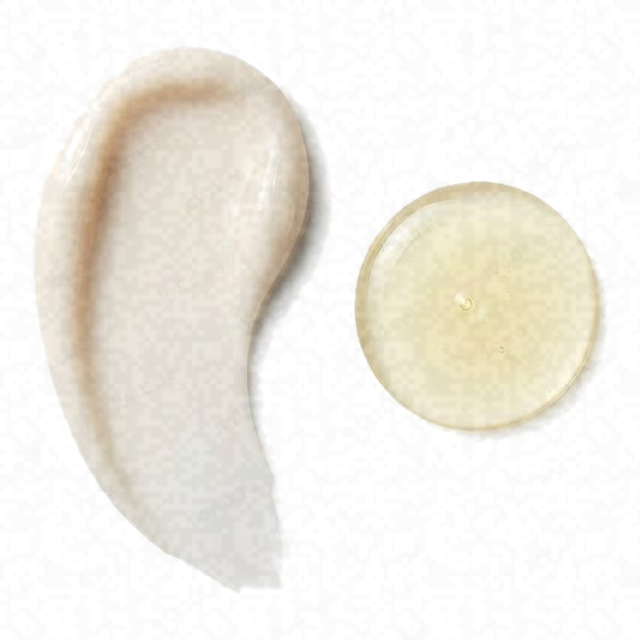 Octinoxate
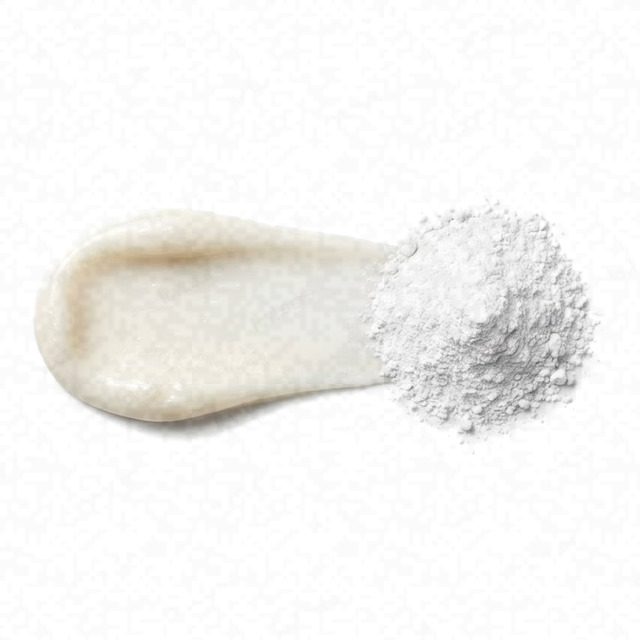 Titanium Dioxide
 Zinc Oxide
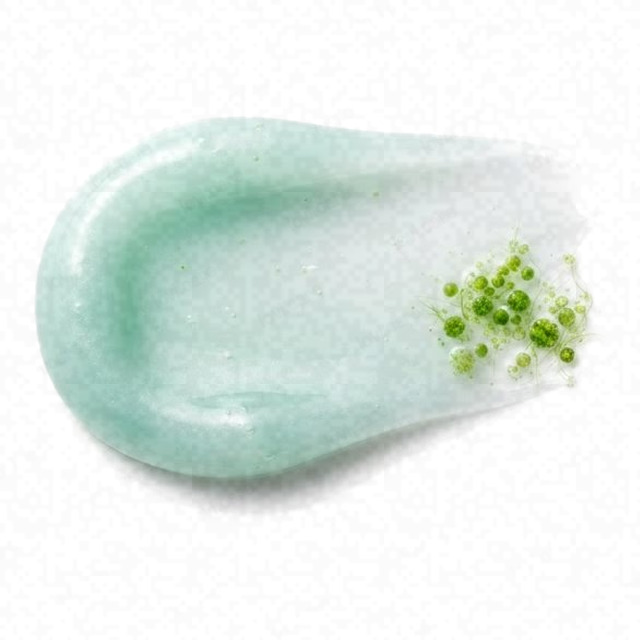 Patented Alguronic Acid
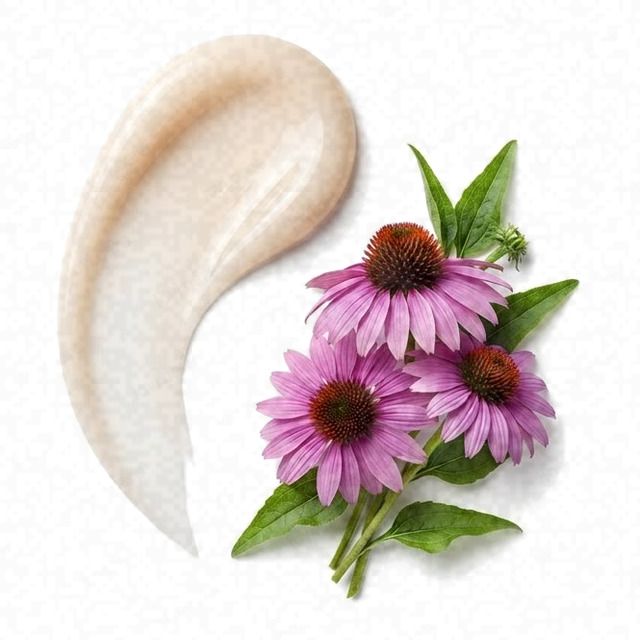 Echinacea Purpurea Extract
Superior
- SuperiorNormal Skin Fit
- HighEffectiveness
- HighSafety
One of the best sunscreens for sensitive skin.
- Clinical, Cosmetic and Investigational Dermatology, 2017
- International Journal of Cosmetic Science, 2010
This fit is calculated for the concerns frequently associated with sensitive skin: redness, stinging, and reactions to new products. For scores and recommendations based on your full skin profile, including your 12D face scan results and any goals or preferences you have, please use the Lovi app.
Page built Nov 8, 2026How the Fit score works
Lovi Assistant explains
- Excellent suitability for your normal skin is provided by glycerin and tocopheryl acetate, which offer humectant and antioxidant benefits respectively, while titanium dioxide and zinc oxide ensure robust UV protection.
- Glycyrrhiza Glabra Root Extract and Camellia Oleifera Leaf Extract work to soothe redness and inflammation, aligning well with your primary goals.
- The formulation is safe for your sensitive skin, containing no harsh or prohibited ingredients that could cause irritation.
How to apply
- Apply this sunscreen during your AM routine every morning. Reapply every two hours if you are staying outdoors under direct sunlight.
- Order in routine: apply the sunscreen as the final step after your moisturizer and before applying makeup.
- Application method: gently press a nickel-sized amount over your face and neck without harsh rubbing.
- Skin condition guidance: apply the sunscreen directly onto dry skin for even coverage and reliable sun protection.
- Safety note: avoid direct contact with your eyes and do a patch test before first use to check for sensitivity.
People Say
★4.7Overall rating based on 200+ reviewsUsers with oily and combination skin highly praise this sunscreen for its ultra-lightweight, fluid texture that dries down to a soft matte finish without feeling greasy. It layers beautifully under makeup and provides strong protection. Some users with darker skin tones report a slight white cast, and those with dry skin occasionally find the high alcohol content slightly drying.
Highlights
Ultra-lightweight texture Mostly Mentioned
- “barely there fluid”
- “sinks right in”
- “water-like consistency”
- “weightless on skin”
Excellent under makeup Often Mentioned
- “layers beautifully”
- “no pilling”
- “acts like a primer”
- “makeup applied great on top”
Non-greasy finish Often Mentioned
- “soft matte finish”
- “not greasy at all”
- “absorbs quickly”
- “no oily residue”
High protection Sometimes Noted
- “no sunburns”
- “guards against sun”
- “SPF 50 protection”
- “prevents burning”
High price point Sometimes Noted
- “expensive for 1oz”
- “tiny bottle”
- “pricey sunscreen”
- “runs out fast”
White cast issue Sometimes Noted
- “slight white cast”
- “blue cast on dark skin”
- “takes time to blend”
- “visible if not sheered out”
Drying sensation Rarely Noted
- “skin felt tight”
- “high alcohol content”
- “flaking on chin”
- “not for dry skin”
Medicinal scent Rarely Noted
- “strong medicinal smell”
- “smells like alcohol”
- “scent subsides quickly”
Sources: lovi.care, algenist.com, sephora.com, amazon.com, wimj.com, beautycreamgirl.com, and more
Questions and answers
What makes Algenist Sublime Defense Ultra Lightweight UV Defense Fluid SPF 50 one of the best fits for sensitive skin?
This sunscreen is an exceptional fit because licorice root and green tea extracts soothe redness and inflammation, while minerals provide strong UV protection. The formula is safe for sensitive skin, lacking harsh ingredients that might cause irritation, and includes glycerin to keep skin hydrated.
Which ingredients make this fluid a good fit for sensitive skin?
This fluid is a great fit for sensitive skin because it contains glycerin and tocopheryl acetate to keep skin soft and protected, alongside titanium dioxide and zinc oxide for strong sun protection. It also includes licorice root and green tea extracts to help calm redness and irritation safely without harsh ingredients.
What does Octinoxate do for sensitive skin?
Octinoxate acts as a UV filter to protect the skin from sun damage, but it may cause allergic reactions or irritation in some people with sensitive skin. To safely protect sensitive skin from the sun, a product of this type needs soothing ingredients and gentle, microencapsulated formulas that prevent deep skin penetration.
Journal of Cosmetic Science, 2008International Journal of Nanomedicine, 2013
Where does this fluid go in a skincare routine for sensitive skin?
This fluid goes in the morning routine as a moisturizing sunscreen after cleansing and toning. It is unlikely to cause irritation on sensitive skin because it is free of harsh ingredients and includes soothing extracts.
Can I use it with retinol, and in what order?
You can use this sunscreen with retinol by applying your retinol first, letting it dry, and then smoothing this fluid on top. The formulation is safe for sensitive skin and helps keep it calm, making it a gentle option to pair with active treatments.
How often should I use this fluid?
You can use this fluid every morning as the final step of your routine to keep your sensitive skin protected from the sun. The formula is safe and gentle for everyday wear, helping to soothe redness while shielding your skin.
Can it clog pores, cause breakouts or purging for sensitive skin?
This sunscreen is unlikely to clog pores or cause breakouts for sensitive skin, as its safe formula contains no harsh or prohibited ingredients that could cause irritation. It helps keep skin calm and protected without heavy residues.
Is it fragrance-free and alcohol-free?
It contains fragrance (parfum, hexyl cinnamal, and linalool) and drying alcohol (alcohol denat).
What the research says
A single application of a moisturizing fluid containing hyaluronic acid 1%, glycerin 5%, and Centella asiatica stem cells extract significantly increased skin hydration by 29% and reduced transepidermal water loss at 24 hours compared to baseline and an untreated control site in twenty healthy women.
Clinical, Cosmetic and Investigational Dermatology, 2017Application of Echinacea purpurea cream and gel increased skin hydration up to 10.6 AU and 11.4 AU and decreased wrinkles by 9.47% and 14.92% without causing skin irritation in 10 healthy volunteers over 1 month.
International Journal of Cosmetic Science, 2010Biomimetic hyaluronic acid-stabilized zinc oxide nanoparticles selectively inhibited C. acnes, outperformed erythromycin in preclinical acne models, and safely reduced acne lesions and redness in a clinical trial.
Journal of Controlled Release, 2025Replacing 20% of the chemical UV filter octyl methoxycinnamate with urucum oil in solid lipid nanoparticles maintained the skin protection factor without inducing toxic responses or significant skin penetration in human volunteers.
Skin Pharmacology and Physiology, 2018Liposomal encapsulation of octyl methoxycinnamate increases its safety, skin affinity, and in vivo solar photoprotection factor while slowing its release and enhancing retention in the stratum corneum compared to a conventional formulation.
International Journal of Nanomedicine, 2013Encapsulation of ethylhexyl methoxycinnamate and butyl methoxydibenzoylmethane in lipid microparticles significantly reduced their in vivo human skin penetration compared to nonencapsulated filters.
Skin Pharmacology and Physiology, 2011Microfine titanium dioxide does not penetrate human skin when formulated in an oil-in-water emulsion with the pigment dispersed in the aqueous phase, compared to oily dispersions and liposomal encapsulation which allow deeper skin penetration.
International Journal of Cosmetic Science, 2000Replacing microsized titanium dioxide and zinc oxide with nanoparticles in sunscreens eliminates opaqueness and alters UV protection balance while inducing (photo)cyto- and genotoxicity and penetrating viable skin layers during long-term exposures.
Nanotechnology, Science and Applications, 2011Microfine zinc oxide and titanium dioxide do not penetrate the stratum corneum of porcine skin in vitro, indicating that their use in sunscreens does not pose a health risk from internal exposure.
Toxicology in Vitro, 2006Topical 0.5% hyaluronic-ZnO nanogel applied twice daily reduced inflammatory-lesion counts by 58% at week four in human subjects compared to baseline without causing erythema.
Biomedicines, 2025Nels cream achieved a similar reduction in inflammatory and noninflammatory lesion counts compared to 5% benzoyl peroxide in acne vulgaris patients, but caused significantly fewer side-effects such as peeling and dryness.
Clinical and Experimental Dermatology, 2000Topically applied coated and uncoated zinc oxide nanoparticles under flexing and massage are retained in the stratum corneum with no significant penetration into the viable epidermis and no cellular toxicity in human skin.
Nanomedicine, 2016A new skincare formulation from Echinacea purpurea completely blocked the 40-60% reduction in skin nerve endings caused by UVA and UVB exposure in ex vivo human skin samples.
Cell Proliferation, 2012Topical application of Echinacea pallida root extract and its constituent echinacoside showed good anti-inflammatory and wound healing properties compared to E. purpurea and control in rats.
Journal of Ethnopharmacology, 2002A standardized preparation of Echinacea purpurea killed Propionibacterium acnes and completely reversed bacterial-induced pro-inflammatory cytokine secretion in cell culture models.
Phytotherapy Research, 2011
Ingredients
Octinoxate, Titanium Dioxide, Zinc Oxide, Cyclopentasiloxane, Alcohol Denat, Glycerin, Polyglyceryl-3 Polydimethylsiloxyethyl Dimethicone, Methyl Methacrylate Crosspolymer, Peg Ppg-18 18 Dimethicone, Peg-9 Polydimethylsiloxyethyl Dimethicone, Parachlorella Beijerinckii Exopolysaccharides, Echinacea Purpurea Extract, Tocopheryl Acetate, Camellia Oleifera Leaf Extract, Arctostaphylos Uva-Ursi Leaf Extract, Glycyrrhiza Glabra Root Extract Licorice Root Extract, Stearic Acid, Triethoxysilylethyl Polydimethylsiloxyethyl Hexyl Dimethicone, Bht, Ethylhexylglycerin, Caprylyl Glycol, Aluminum Hydroxide, Phenoxyethanol, Hexylene Glycol, Parfum, Hexyl Cinnamal, Linalool
Behind this fit score
Lovi calculates every fit score from the full ingredient list with brand-independent rules our dermatologists and cosmetic chemists build and review, and personalizes every pick with AI trained on the real results of millions of users. Lovi trains its fit score models on a proprietary dataset built from more than 10,000 expert-labeled products and more than 100,000 simulated examples, following an internally consistent methodology presented at Cosmoprof, AMWC, and Skin of Color Update.
-

Co-founder, Medical Director
Cosmetic chemist, cosmetologist, aesthetic products developer
-

Co-founder, CEO and CTO
PhD in computer science, 3x US patent holder, ex-Google, ex-Yandex
-

Dr. Sofía Perea Pérez, MD, MSc
Medical Board
Aesthetic medicine practitioner, MSc in Longevity and Anti-Aging Medicine
-

Medical Board
Specialist dermatologist, MBBS, MD, IFAAD
-

Medical Board
Cosmetic chemist, SCS, IFSCC member
-

Medical Board, Medical Advisor
Dermatology MD
-

Elina Nazarenko, MD
Medical Board
Dermatology and diagnostic consultant
-

Victoria Derkova, MS
Medical Board
Cosmetic chemist, cosmetic development technologist


How does it fit your skin?
Scan your face, then any product: Lovi shows how well it fits you and what fits even better.