
ZO Skin Health Dual Action Scrub

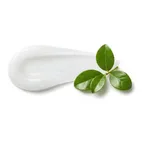 Salicylic Acid
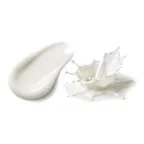 Lactic Acid
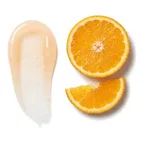 Ascorbic Acid
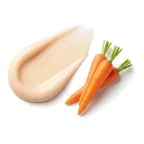 Retinyl Palmitate
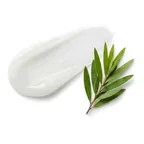 Melaleuca Alternifolia Tree Oil Leaf
Salicylic acid and lactic acid exfoliate the skin, so it suits most skin types. For skin that needs soothing, products with allantoin get higher fit scores. Where to buy in Singapore: Amazon.sg, S$87.04.
Each fit is calculated for the concerns frequently associated with that skin type. For scores and recommendations based on your full skin profile, including your 12D face scan results and goals, use the Lovi app.
Updated How the Fit score works
Where it fits best and least
Best fit High
Oily Skin, Combination Skin, Acne-Prone Skin, Skin with Dark Spots, Oily Acne-Prone Skin
One of the best products for oily skin.
- Offers excellent exfoliation and pore decongestion for your oily skin due to the presence of salicylic acid and lactic acid, which promote skin renewal and seboregulation.
Lowest fit Low
A weak match for dry sensitive skin.
- Offers moderate exfoliation for your dry and flaky skin due to lactic acid and salicylic acid, which provide resurfacing benefits but may also cause excessive exfoliation and irritation.
Other skin types
Buy online

Prices checked 22 Nov 2026
The Lovi Fit is the same in every country; only the stores and prices differ, and the ones here are for Singapore.
How to apply
- Use this exfoliant product as part of your PM routine once a week. Start slowly and build up frequency only if your skin tolerates it well.
- Apply the exfoliant after cleansing and toner, but right before your moisturizer.
- Gently press 2-3 drops of the exfoliant into your skin and let it absorb fully. Avoid any harsh rubbing to keep your skin calm.
- Always avoid the delicate eye area when applying. Be sure to use a broad-spectrum SPF 30+ daily while using exfoliating acids.
People Say
★4.6Overall rating based on 200+ reviewsThis scrub is widely praised for transforming oily and acne-prone skin by effectively unclogging pores and smoothing rough texture. While it delivers a noticeable glow and clearer complexion for most, individuals with sensitive skin may find the physical and chemical exfoliation too intense if used too frequently.
Highlights
Effective pore clearing Often Mentioned
- “My skin is feeling much smoother (from the pores unclogging).”
- “It has completely transformed my oily, acne-prone skin!”
- “Unclog pores and control excess [oil].”
Improves skin texture Often Mentioned
- “Leaving your skin feeling fresh and smooth.”
- “My skin is feeling much smoother.”
- “Leaving it smooth, clean, and more breathable.”
Enhances skin radiance Sometimes Noted
- “Improves skin clarity and radiance.”
- “Your face glows after.”
- “Revealing smoother, brighter-looking skin.”
Long-lasting product Sometimes Noted
- “It lasts a long time!”
- “A little goes a long way.”
- “Lasting several months with regular [use].”
High price point Sometimes Noted
- “It sits at a higher price range.”
- “Find it to be a significant investment.”
- “The higher price point is a consideration for some.”
Too abrasive/harsh Sometimes Noted
- “Found the texture to be too abrasive for their liking.”
- “Some users with very sensitive skin may find it too strong.”
- “Some users with dry or sensitive skin had mixed experiences.”
Potential for irritation Rarely Noted
- “A small number of users reported some irritation or redness.”
- “Irritation risk: high.”
- “If they used the product too frequently.”
Sources: lovi.care, zoskinhealth.com, skincareessentials.com, antiagingvancouver.com, dermstreet.com, youtube.com, and more
Questions and answers
What makes Dual Action Scrub a great fit for oily skin?
ZO Skin Health Dual Action Scrub is a great fit for oily skin because it offers excellent exfoliation and pore decongestion with salicylic acid and lactic acid. It also includes soothing plant extracts like tea tree oil and edelweiss culture to keep your skin calm while renewing it.
Genes, 2020Indian Journal of Dermatology, Venereology and Leprology, 2007
What makes ZO Dual Action Scrub a great fit for combination skin?
ZO Dual Action Scrub is a great fit because lactic acid and salicylic acid effectively decongest pores and smooth texture, while glycerin keeps skin hydrated. Botanical extracts like Leontopodium Alpinum and Marrubium Vulgare meristem cell cultures offer soothing benefits to help calm oily shine.
Clinical, Cosmetic and Investigational Dermatology, 2017Genes, 2020
What makes ZO Skin Health Dual Action Scrub a great fit for skin with dark spots?
ZO Skin Health Dual Action Scrub is a great fit because it contains salicylic acid and lactic acid, which help smooth texture and decongest pores on normal skin. It is also safe and gentle, featuring soothing plant extracts that help calm the skin.
How well does ZO Dual Action Scrub work for dry skin?
This scrub works moderately well for dry skin, though salicylic acid and lactic acid may sometimes dry you out and make flakiness worse. Glycerin and jojoba seed oil help provide some hydration, but dry skin needs ingredients that deeply hydrate and support the skin barrier, such as ceramides, niacinamide, and propolis, without any risk of irritation.
Why is ZO Dual Action Scrub a weak match for dry sensitive skin?
This scrub is a weak match because its acids and tea tree oil may cause excessive irritation and dryness on your sensitive skin, even though lactic and salicylic acids help smooth dry and flaky areas. An exfoliant treatment for dry sensitive skin needs gentle, soothing, and hydrating ingredients that protect the skin barrier without any risk of irritation or allergens.
Can I use this exfoliant with retinol, and in what order?
You can use this exfoliant alongside a retinol product by applying the exfoliant first and following with your retinol on separate nights or spaced out carefully. Because both ingredients are strong, using them too close together may increase your likelihood of skin irritation.
Is this exfoliant fragrance-free and alcohol-free?
Yes, it has no fragrance and no drying alcohol. Cetearyl alcohol is a fatty alcohol, which soften the skin.
What makes ZO Dual Action Scrub a great fit for acne-prone skin?
ZO Dual Action Scrub is a great fit because its lactic acid and salicylic acid work synergistically to exfoliate and decongest pores, helping to clear blemishes on acne-prone skin. Soothing botanical extracts ensure minimal irritation, while its safe formula contains no harsh ingredients to keep your skin calm and balanced.
Journal of Cosmetic Dermatology, 2024Journal of Drugs in Dermatology, 2023
How well does ZO Dual Action Scrub work for sensitive skin?
ZO Dual Action Scrub works moderately well for sensitive skin, helping smooth texture and clear pores while offering safe soothing extracts, though other options may fit this skin type better. To work best for sensitive skin, a product of this type needs ingredients that effectively calm redness and irritation without any risk of irritation.
What makes ZO Dual Action Scrub a great fit for oily acne-prone skin?
This exfoliant treatment is a great fit because salicylic acid and lactic acid clear away dead skin and balance oil, while jojoba seed oil keeps oil production steady. Ascorbic acid and tea tree leaf help clear up blemishes and breakouts. It is very safe and unlikely to irritate your skin, thanks to soothing components and no harsh ingredients.
Journal of Cosmetic Dermatology, 2024Forschende Komplementarmedizin, 2012
How well does ZO Dual Action Scrub work for mature skin?
ZO Skin Health Dual Action Scrub is an average fit for mature skin, offering moderate exfoliation and soothing properties through lactic acid and plant extracts, though it lacks enough hydrating ingredients for optimal moisture. Mature skin needs products with powerful antioxidants, peptides, niacinamide, and deep hydrating ingredients to smooth fine lines and keep the skin soft and radiant.
What the research says
A moisturizer containing licochalcone A, 1,2-decanediol, L-carnitine, and salicylic acid significantly reduced noninflammatory, inflammatory, and total acne lesion counts compared to a vehicle control in Thai patients during a 12-week maintenance phase.
BioMed Research International, 2020Topical 5% tea tree oil gel significantly improved total acne lesions and acne severity index compared to placebo in 60 patients with mild to moderate acne vulgaris, showing 3.55 times and 5.75 times greater efficacy respectively.
Indian Journal of Dermatology, Venereology and Leprology, 2007A cream combining propolis, tea tree oil, and Aloe vera reduced erythema scars, acne severity index, and total lesion count better than erythromycin cream in sixty patients with mild to moderate acne vulgaris compared to placebo.
Clinical Pharmacology, 2018Treatment with 2% supramolecular salicylic acid hydrogel resulted in a regression and markedly improvement rate of 51.01% compared to 43.10% for Adapaline gel in patients with mild to moderate facial acne vulgaris, showing no significant difference in efficacy.
Journal of Cosmetic Dermatology, 2024Topical 5% benzoyl peroxide plus salicylic acid achieved the greatest lesion reduction at early 2 to 4 week time points compared to benzoyl peroxide, clindamycin, and combination benzoyl peroxide/clindamycin, while 5% benzoyl peroxide plus salicylic acid and combination benzoyl peroxide/clindamycin showed similar efficacy at 10 to 12 weeks in acne patients.
Journal of the American Academy of Dermatology, 2010Application of a cream containing lactic acid 12% and pramoxine HCl 1% significantly improved skin dryness, hydration, and itch compared with a nontreated control in 24 women with a history of dry itchy skin.
Cutis, 2004A lactic acid/ceramide lotion significantly improved skin moisturization and desquamation compared to no treatment in women with dry, rough skin on the anterior shins.
The Journal of Clinical and Aesthetic Dermatology, 2020Treatment with 12% lactic acid increased epidermal and dermal firmness and thickness and improved skin smoothness and wrinkles compared to baseline, whereas 5% lactic acid induced clinical and epidermal changes without dermal changes.
Journal of the American Academy of Dermatology, 1996Topical application of 5% vitamin C cream significantly improved global clinical scores, increased skin microrelief density, and induced elastic tissue repair in photoaged skin compared to excipient control in healthy female volunteers.
Experimental Dermatology, 2003Topical application of VC-IP cream twice daily for 8 weeks reduces periorbital wrinkles in female subjects compared to a placebo cream.
Journal of Cosmetic Dermatology, 2022Topical treatment with 5% vitamin C and 0.1% madecassoside significantly improved clinical scores for wrinkles, suppleness, firmness, roughness, and skin hydration, along with functional and structural remodeling of the elastic fiber network in 20 female volunteers with photoaged skin after 6 months compared to baseline.
Experimental Dermatology, 2008Topical bakuchiol 0.5% applied twice daily compared with retinol 0.5% applied daily significantly decreased wrinkle surface area and hyperpigmentation with no statistical difference between the compounds in 44 patients over 12 weeks, while retinol users reported more facial skin scaling and stinging.
The British Journal of Dermatology, 2019Topical 0.3% and 1% retinol comparably improved biomarkers of cutaneous photoageing in photoaged volunteers, while 0.3% retinol demonstrated better tolerance with fewer and milder adverse events compared to 1% retinol in a daily escalation regimen.
International Journal of Cosmetic Science, 2022Daily application of 0.3% and 0.5% retinol serums in 37 volunteers over 12 weeks reduced skin hyperpigmentation, unevenness, and wrinkles on both sides of the face, with the 0.5% concentration causing more frequent and intense skin irritation.
Skin Pharmacology and Physiology, 2020Tea tree oil nanoemulsion containing adapalene gel demonstrated significantly greater reductions in total, inflammatory, and non-inflammatory acne lesions as well as acne severity index compared to adapalene marketed gel in 100 patients with acne vulgaris over 12 weeks.
Archives of Dermatological Research, 2022Leontopodium alpinum callus culture extract improved anti-periorbital wrinkles, skin elasticity, dermal density, skin thickness, antioxidant activity, and moisturizing activity while suppressing inflammation and wrinkling compared to placebo and in response to UVB treatment.
Genes, 2020Twice daily application of a multitargeted dermocosmetic cream provided comparable efficacy to benzoyl peroxide 5% gel in reducing inflammatory, non-inflammatory, and total lesions in 150 Caucasian subjects with mild-to-moderate acne over 56 days, while demonstrating superior skin tolerability.
Journal of Cosmetic Dermatology, 2024A concentrated ethanol extract of Edelweiss callus culture (ECC55) protected primary human keratinocytes and endotheliocytes against various inflammatory and oxidative stimuli by inhibiting chemokine release, restoring sirtuin-inhibited cellular markers, and suppressing inflammation-related gene expression.
Mediators of Inflammation, 2012Post-peel application of either topical tretinoin (0.25%) or retinol (0.25%) after a 30% salicylic acid peel effectively improves signs of photodamage compared to baseline in female subjects, with tretinoin performing slightly better than retinol in texture, roughness, and overall appearance at week 4.
Journal of Drugs in Dermatology, 2016Weekly treatment with tea tree oil-saturated human amniotic membrane showed superior efficacy in healing pityriasis versicolor lesions and fungicidal activity compared to daily application of 1% tioconazole cream in 120 patients.
Cell and Tissue Banking, 2020A single application of a moisturizing fluid containing hyaluronic acid 1%, glycerin 5%, and Centella asiatica stem cells extract significantly increased skin hydration by 29% and reduced transepidermal water loss at 24 hours compared to baseline and an untreated control site in twenty healthy women.
Clinical, Cosmetic and Investigational Dermatology, 2017The use of a salicylic acid-based dermocosmetic significantly reduces the needed quantity of benzoyl peroxide without impacting efficacy in mild to moderate acne, and as maintenance post-benzoyl peroxide allows a significant reduction of acne relapse compared to vehicle.
Journal of Drugs in Dermatology, 2023Retinyl palmitate ethosomal hydrogel reduced non-inflammatory and total acne lesion counts significantly better than marketed tretinoin while improving tolerability with minimal skin irritation in patients with acne vulgaris.
International Journal of Nanomedicine, 2021Tea tree oil gel and face wash significantly reduced total facial acne lesions from 23.7 to 10.7 and improved investigator global assessment scores in 14 participants with mild to moderate facial acne over 12 weeks.
The Australasian Journal of Dermatology, 2017Treatment with 45% mandelic acid peel showed nearly equal overall efficacy as 30% salicylic acid peel in patients with mild-to-moderate facial acne vulgaris, but with fewer adverse effects.
Journal of Cosmetic Dermatology, 2020Clay jojoba oil facial masks reduced total skin lesions by a mean of 54% after 6 weeks in 133 participants with acne-prone, lesioned skin and mild acne compared to baseline.
Forschende Komplementarmedizin, 2012Topical application of jojoba wax reduced LPS-induced secretion of IL-6, IL-8, and TNFα by approximately 30% and increased the synthesis of pro-collagen III and hyaluronic acid compared to untreated skin in an ex-vivo human skin organ culture model.
Frontiers in Pharmacology, 2024Leontopodic acid A effectively boosted COI-1 expression, hindered MMP-1 expression, curbed ROS and Ca2+ endocytosis, and reduced OPN3 expression in human foreskin fibroblasts to protect against blue light damage.
Molecules, 2023Leontopodium alpinum callus culture extract at 10-15 mg/mL promoted COL-I production and inhibited MMP-1, OPN3, ROS, and calcium influx in a blue-light-induced human foreskin fibroblast damage model, indicating an anti-blue-light-damage effect through the OPN3-calcium pathway.
Molecules, 2023
Ingredients
Ascorbic Acid, C20-40 Pareth 40, Carnauba Wax, Ceteareth-20, Cetearyl Alcohol, Glycerin, Hydrogenated Castor Oil, Lactic Acid, Lecithin, Leontopodium Alpinum Meristem Cell Culture, Marrubium Vulgare Meristem Cell Culture, Melaleuca Alternifolia Tree Oil Leaf, Peg-6, Phenoxyethanol, Polymethyl Methacrylate, Polysorbate 80, Retinyl Palmitate, Salicylic Acid, Jojoba Seed Oil, Synthetic Wax, Tocopheryl Acetate, Ultramarines, Water
Behind these fit scores
Lovi calculates every fit score from the full ingredient list with brand-independent rules our dermatologists and cosmetic chemists build and review, and personalizes every pick with AI trained on the real results of millions of users. Lovi trains its fit score models on a proprietary dataset built from more than 10,000 expert-labeled products and more than 100,000 simulated examples, following an internally consistent methodology presented at Cosmoprof, AMWC, and Skin of Color Update.
-

Co-founder, Medical Director
Cosmetic chemist, cosmetologist, aesthetic products developer
-

Co-founder, CEO and CTO
PhD in computer science, 3x US patent holder, ex-Google, ex-Yandex
-

Dr. Sofía Perea Pérez, MD, MSc
Medical Board
Aesthetic medicine practitioner, MSc in Longevity and Anti-Aging Medicine
-

Medical Board
Specialist dermatologist, MBBS, MD, IFAAD
-

Medical Board
Cosmetic chemist, SCS, IFSCC member
-

Medical Board, Medical Advisor
Dermatology MD
-

Elina Nazarenko, MD
Medical Board
Dermatology and diagnostic consultant
-

Victoria Derkova, MS
Medical Board
Cosmetic chemist, cosmetic development technologist


How does it fit your skin?
Scan your face, then any product: Lovi shows how well it fits you and what fits even better.