Thayers Blemish Clearing Pads for dry skin

 Salicylic Acid
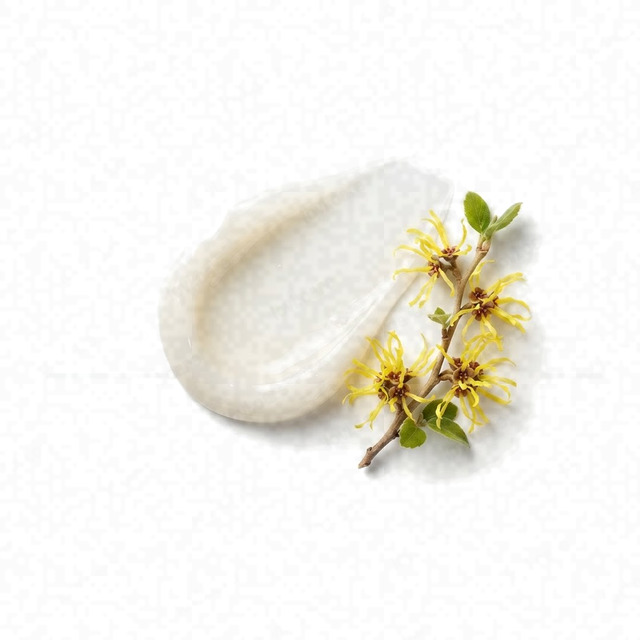 Witch Hazel
 Aloe Barbadensis
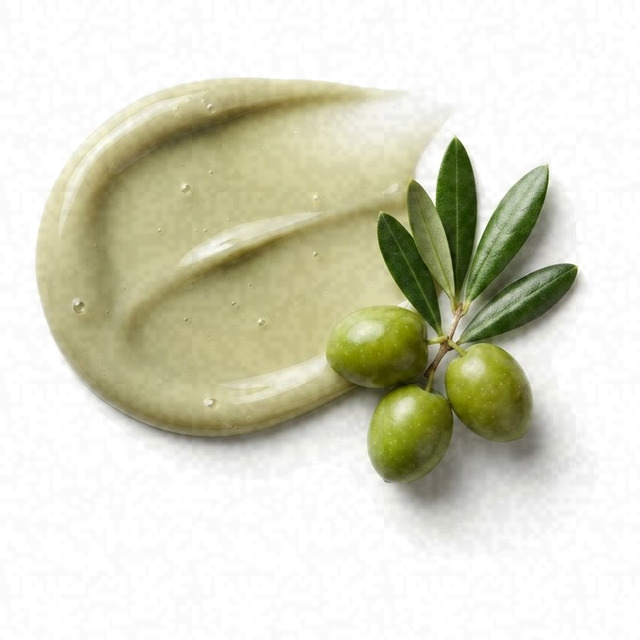 Oil Tree
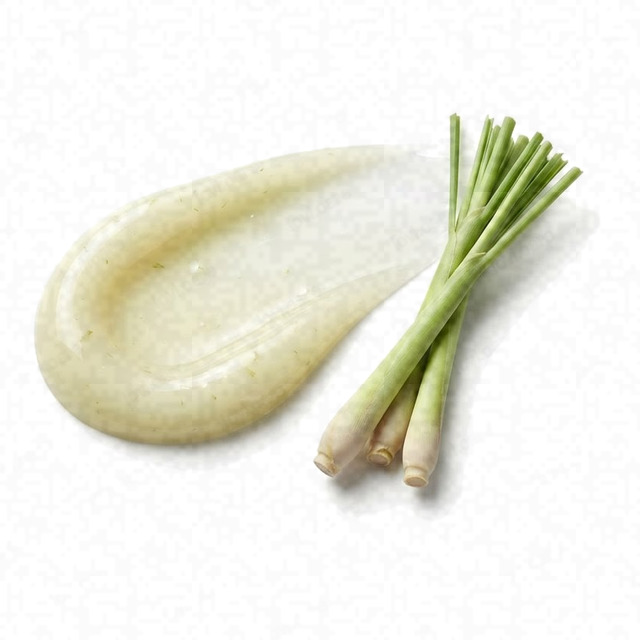 Lemongrass
Caution
- CautionDry Skin Fit
- AverageEffectiveness
- RiskySafety
A poor match for dry skin; the products alongside fit it better.
This fit is calculated for the concerns frequently associated with dry skin: flakiness, tightness, dehydration, fine lines, and wrinkles. For scores and recommendations based on your full skin profile, including your 12D face scan results and any goals or preferences you have, please use the Lovi app.
Page built Nov 8, 2026How the Fit score works
Lovi Assistant explains
- Offers moderate exfoliation for dry or flaky skin due to citric acid, which provides mild chemical exfoliation to smooth texture.
- However, Melaleuca Alternifolia Tree Oil Leaf and Cymbopogon Flexuosus Oil are present, which can be drying and are more beneficial for oily or acne-prone skin.
How to apply
- Use this exfoliant as part of your PM routine once a week, increasing slowly to twice a week if your dry skin tolerates it well. Always remember to apply SPF every morning to protect your newly smoothed skin.
- Apply the exfoliant after cleansing and toning, but always before your rich moisturizer.
- Gently press 2-3 drops of the exfoliant into your skin and let it absorb for a minute. Avoid rubbing to prevent any irritation on flaky areas.
- Apply the product directly to dry clean skin to ensure the best possible tolerance for your dry type. This helps address flaky patches without causing extra stress.
- Avoid the sensitive eye area and do a quick patch test before your very first use. Do not mix this with other strong acids or retinoids on the same night.
People Say
★4.5Overall rating based on 2.2k+ reviewsBased on a very large amount of data, users consistently praise these pads for effectively clearing acne and preventing new breakouts without stripping the skin of moisture. The product is frequently highlighted for its soothing properties on sensitive, acne-prone skin, with many users noting a visible improvement in skin texture and redness within a week of use.
Highlights
Effective acne treatment Mostly Mentioned
- “cleared my breakout in days”
- “stopped new zits from forming”
- “huge difference in blackheads”
- “skin looks way clearer”
Gentle and non-drying Often Mentioned
- “doesn't strip my skin”
- “no burning sensation”
- “gentle enough for daily use”
- “skin feels hydrated not dry”
Pleasant scent Often Mentioned
- “smells like fresh lemons”
- “refreshing citrus scent”
- “much better than chemical smells”
- “love the lemongrass aroma”
Convenient application Sometimes Noted
- “perfect for lazy nights”
- “pads have good texture”
- “easy to swipe and go”
- “great for travel”
Improves skin texture Sometimes Noted
- “pores look smaller”
- “skin feels so smooth”
- “helped with inflammation”
- “texture is much more even”
Unpleasant scent Sometimes Noted
- “smells like floor cleaner”
- “scent is overpowering”
- “too much lemon”
- “smells like household pledge”
High price Rarely Noted
- “pricier than Stridex”
- “wish it was cheaper”
- “expensive for the count”
- “good but costs more”
Skin irritation Rarely Noted
- “made my face bright red”
- “caused a burning sensation”
- “broke me out more”
Sticky residue Rarely Noted
- “leaves a sticky film”
- “face felt tacky after”
- “residue sits on skin”
- “felt a bit tight/sticky”
Sources: lovi.care, thayers.com, target.com, ulta.com, amazon.com, walmart.com, and more
Questions and answers
Why does Lovi advise caution with Thayers Blemish Clearing Pads for dry skin?
Lovi advises caution because these pads contain tea tree oil and lemongrass, which can be drying and are generally better suited for oily skin. A product of this type needs soothing, deeply hydrating ingredients like propolis, niacinamide, ceramides, vitamin C, or peptides to nourish dry skin without causing irritation.
Indian Journal of Dermatology, Venereology and Leprology, 2007Clinical Pharmacology, 2018
Which ingredients make this exfoliant a poor fit for dry skin?
Melaleuca Alternifolia Tree Oil Leaf and Cymbopogon Flexuosus Oil make this a poor fit because they can be drying and are better suited for oily or acne-prone skin. A product of this type needs soothing ingredients that provide significant hydration and support the skin barrier, such as propolis, niacinamide, ceramides, vitamin C, bifida fermentation, and peptides.
What does Salicylic Acid do for dry skin?
Salicylic acid is generally not a good fit for dry skin, as it is meant to clear out pores and remove dead skin rather than hydrate. Because dry skin needs soothing and moisture rather than exfoliation, a product for dry skin needs nourishing ingredients like urea to lock in moisture and keep the skin soft.
What does Witch Hazel do for dry skin?
Witch hazel helps calm dry and irritated skin while reducing water loss to keep it comfortable. It also supports skin recovery and helps soothe redness.
Where does this exfoliant go in a skincare routine for dry skin?
This exfoliant is used in the evening routine once a week to help smooth texture, though it contains drying ingredients that may be too harsh for dry skin. To properly care for dry skin, this type of product needs gentle exfoliating acids paired with soothing, deeply moisturizing ingredients to prevent dryness.
Can I use this exfoliant with retinol, and in what order?
Using this exfoliant with retinol on dry skin is usually too harsh and may leave skin very dry and irritated. This type of skin needs gentle hydrating ingredients and mild moisturizers instead of drying oils and acids.
How often should I use this exfoliant?
You should use this exfoliant just once a week on dry skin, as it contains drying ingredients that may cause irritation. A product of this type needs gentle smoothing ingredients and soothing hydrators to keep dry skin soft and comfortable.
Can this exfoliant clog pores, cause breakouts or purging for dry skin?
This product is unlikely to clog pores, but it contains tea tree oil and lemongrass which can be quite drying for dry skin. To properly care for dry skin, this type of product needs to focus on gentle hydration and soothing ingredients like ceramides and hyaluronic acid instead.
Is this exfoliant fragrance-free and alcohol-free?
Yes, it has no fragrance and no drying alcohol.
What the research says
Topical 5% tea tree oil gel significantly improved total acne lesions and acne severity index compared to placebo in 60 patients with mild to moderate acne vulgaris, showing 3.55 times and 5.75 times greater efficacy respectively.
Indian Journal of Dermatology, Venereology and Leprology, 2007A cream combining propolis, tea tree oil, and Aloe vera reduced erythema scars, acne severity index, and total lesion count better than erythromycin cream in sixty patients with mild to moderate acne vulgaris compared to placebo.
Clinical Pharmacology, 2018Lactobacillus-fermented Chamaecyparis obtusa reduced inflammatory acne lesions by 65.3% compared to 38.2% with tea tree oil in 34 patients over 8 weeks, demonstrating superior efficacy, faster onset, and safety.
Dermatology, 2014Cryotherapy with liquid nitrogen achieved a higher cure rate (39%) than salicylic acid (24%) and a wait-and-see approach (16%) for cutaneous warts at 13 weeks in primary care patients.
CMAJ, 2010A moisturizer containing licochalcone A, 1,2-decanediol, L-carnitine, and salicylic acid significantly reduced noninflammatory, inflammatory, and total acne lesion counts compared to a vehicle control in Thai patients during a 12-week maintenance phase.
BioMed Research International, 2020Treatment with 2% supramolecular salicylic acid hydrogel resulted in a regression and markedly improvement rate of 51.01% compared to 43.10% for Adapaline gel in patients with mild to moderate facial acne vulgaris, showing no significant difference in efficacy.
Journal of Cosmetic Dermatology, 2024A Hamamelis virginiana leaf extract increased LOXL1 expression twofold, decreased elafin synthesis, restored functional elastic fibers, reduced nonfunctional elastin aggregates, decreased wrinkles, and improved skin firmness.
Journal of Cosmetic Science, 2018Hamamelis bark proanthocyanidins strongly increased the proliferation of cultured human keratinocytes and reduced transepidermal water loss and erythema formation in SLS-irritated skin, whereas the polysaccharide fraction had no effect.
Phytochemistry, 2001Witch hazel bark extract and hamamelitannin showed pronounced anti-inflammatory activity, supported keratinocyte migration in a wound healing assay, and inhibited Staphylococcus aureus growth, whereas their skin microbiota metabolite ellagic acid stimulated inflammatory mediator release.
Journal of Ethnopharmacology, 2025Topical aloe vera gel significantly accelerated split-thickness skin graft donor-site healing compared to placebo in 12 patients, but showed no significant difference in pain relief.
Plastic and Reconstructive Surgery, 2018Topical application of Aloe vera cream reduced postoperative pain at rest and during defecation, accelerated wound healing at two weeks, and decreased analgesic requirements in patients after open hemorrhoidectomy compared to placebo.
Journal of Alternative and Complementary Medicine, 2010Formulations containing 0.10%, 0.25%, and 0.50% freeze-dried Aloe vera extract increased stratum corneum water content compared with the vehicle in 20 female subjects, while transepidermal water loss was not modified.
Skin Research and Technology, 2006Topical lycopene-enriched virgin olive oil provides effective pain relief similar to a placebo in patients with burning mouth syndrome, showing a strong placebo effect.
Journal of Oral Rehabilitation, 2014A topical emulgel formulation containing lemongrass essential oil and olive oil showed good stability, a moderate SPF value of 5.5, and significant improvements in cooling effect, odor, smoothness, and moisture in 20 volunteers.
Journal of Cosmetic Science, 2021Lemongrass essential oil treatment demonstrated similar efficacy to chlorhexidine and doxycycline in treating periodontitis, gingivitis, and oral malodour, while also showing potential for treating pityriasis versicolor, preventing skin aging, and providing anti-dandruff effects.
Pharmaceuticals, 2024Lemon grass essential oil demonstrated in vitro antifungal activity against pathogenic yeasts and filamentous fungi alongside in vivo topical and oral anti-inflammatory effects in animal models.
The Libyan Journal of Medicine, 2014
Ingredients
Water, Melaleuca Alternifolia Tree Oil Leaf, Cymbopogon Flexuosus Oil, Glycerin, Decyl Glucoside, Cocamidopropyl Betaine, Citric Acid, Caprylyl Glycol, Phenoxyethanol, Ethylhexylglycerin
Behind this fit score
Lovi calculates every fit score from the full ingredient list with brand-independent rules our dermatologists and cosmetic chemists build and review, and personalizes every pick with AI trained on the real results of millions of users. Lovi trains its fit score models on a proprietary dataset built from more than 10,000 expert-labeled products and more than 100,000 simulated examples, following an internally consistent methodology presented at Cosmoprof, AMWC, and Skin of Color Update.
-

Co-founder, Medical Director
Cosmetic chemist, cosmetologist, aesthetic products developer
-

Co-founder, CEO and CTO
PhD in computer science, 3x US patent holder, ex-Google, ex-Yandex
-

Dr. Sofía Perea Pérez, MD, MSc
Medical Board
Aesthetic medicine practitioner, MSc in Longevity and Anti-Aging Medicine
-

Medical Board
Specialist dermatologist, MBBS, MD, IFAAD
-

Medical Board
Cosmetic chemist, SCS, IFSCC member
-

Medical Board, Medical Advisor
Dermatology MD
-

Elina Nazarenko, MD
Medical Board
Dermatology and diagnostic consultant
-

Victoria Derkova, MS
Medical Board
Cosmetic chemist, cosmetic development technologist


How does it fit your skin?
Scan your face, then any product: Lovi shows how well it fits you and what fits even better.