MZ Skin Cleanse & Clarify Dual Action AHA Cleanser & Mask for oily acne-prone skin

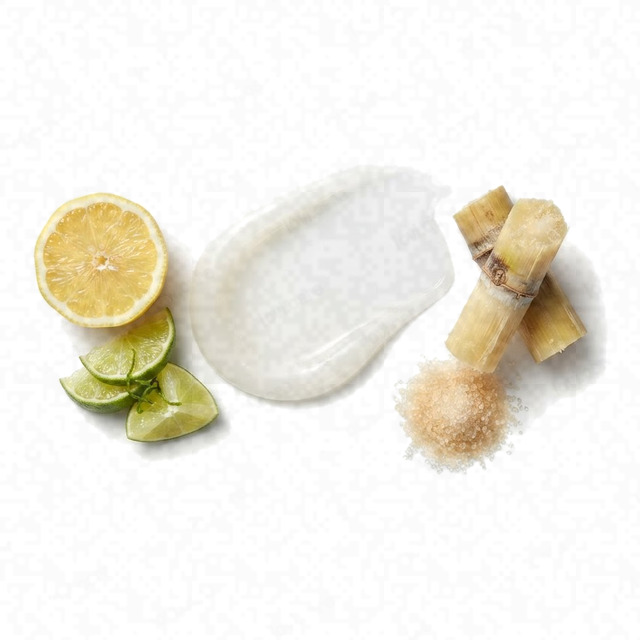 Aha Alpha Hydroxy Acid
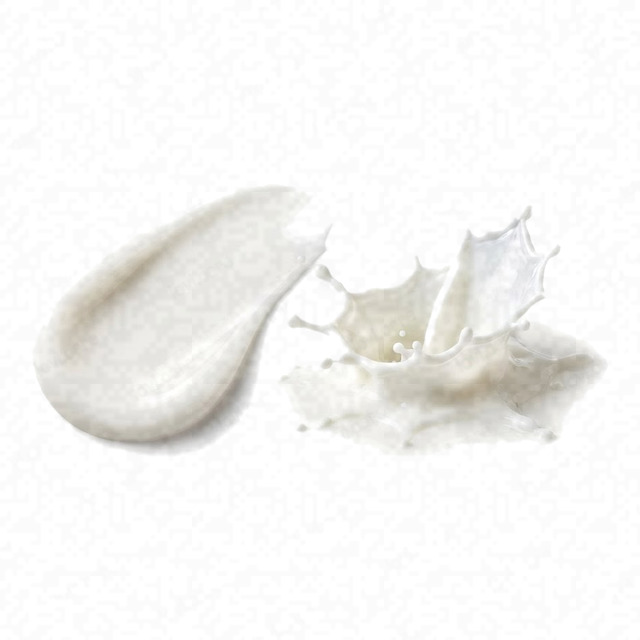 Lactic Acid
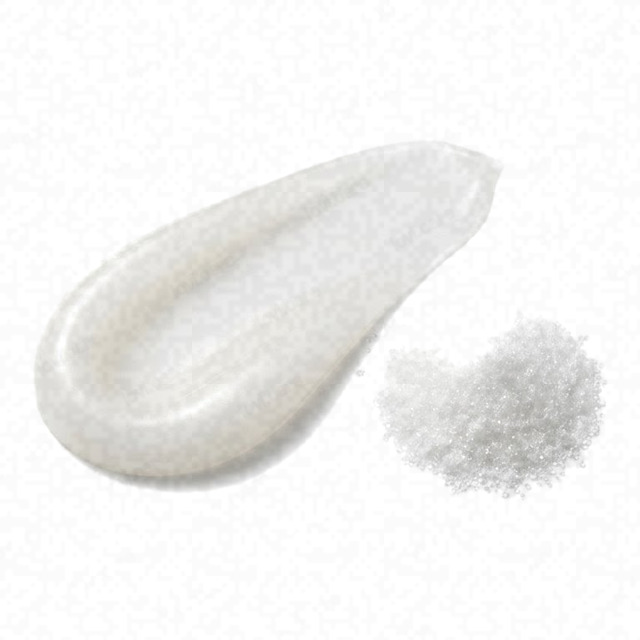 Lactobionic Acid
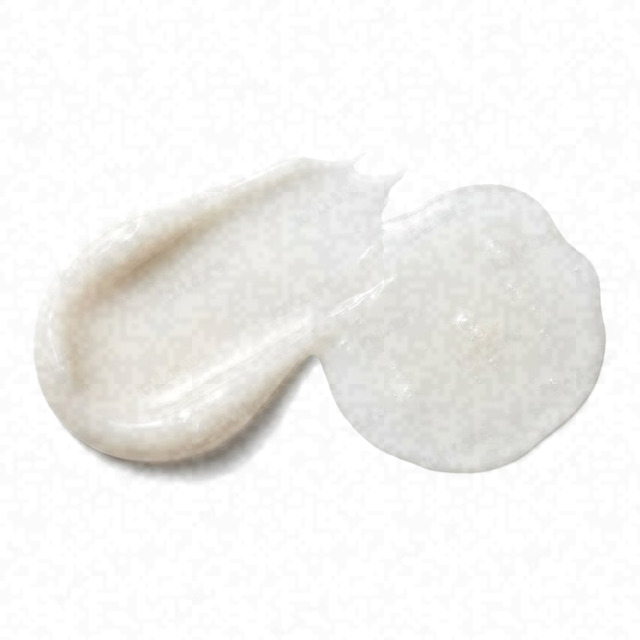 Hydrolyzed Yeast Extract
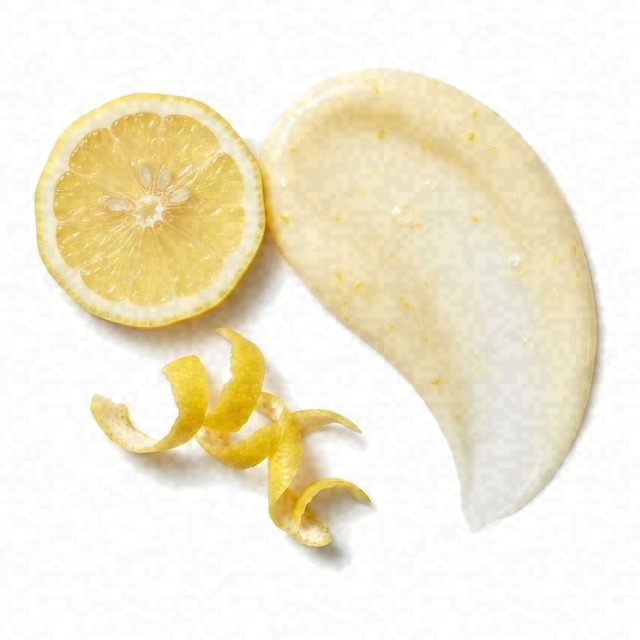 Lemon Peel Oil
Average
- AverageOily Skin Fit
- AverageEffectiveness
- HighSafety
Works for oily acne-prone skin; other cleansing masks fit it better.
This fit is calculated for the concerns frequently associated with oily acne-prone skin: shine, breakouts, blemishes, and enlarged pores. For scores and recommendations based on your full skin profile, including your 12D face scan results and any goals or preferences you have, please use the Lovi app.
Page built Nov 8, 2026How the Fit score works
Lovi Assistant explains
- Offers moderate cleansing and exfoliating benefits for your oily skin due to decyl glucoside and lactic acid, which help remove impurities and dead skin cells.
- While lactic acid and papain provide mild keratolytic action for your oily skin and acne concerns, the formula lacks specialized ingredients for comprehensive oil control and targeting breakouts.
- The product has a good safety profile with no risks of irritation for your oily skin, as it avoids prohibited or harsh ingredients.
How to apply
- Use your cleansing mask PM as part of your weekly routine. Start 1×/week and increase carefully if your oily skin tolerates it well.
- Apply this step after your enzyme powder and before your hydrating toner. Follow the standard weekly order to keep your skin balanced.
- Spread an even layer of the cleansing mask across your face while avoiding the eye area. Let it sit for the recommended time without rubbing .
- Apply the mask on clean and dry skin for the best purifying effect on your breakouts. Clean skin allows the formula to target blemishes directly.
- Always do a patch test before your first use to check for sensitivity. Avoid combining this mask with strong acids or retinoids in the same routine .
People Say
★4.7Overall rating based on 100+ reviewsBased on limited data, users consistently praise this dual-action cleanser for revealing "glass-like" radiance and smoothing skin texture without harshness. While the majority celebrate its ability to refine pores and brighten the complexion, a small minority find the non-foaming formula lacks a "deep clean" feeling or consider the high price point unjustifiable.
Highlights
Enhances radiance Mostly Mentioned
- “Achieved glass skin”
- “Instant glow”
- “Skin looks luminous”
Refines texture Often Mentioned
- “Pores got reduced”
- “Felt softer and smoother”
- “Refines skin texture”
Gentle exfoliation Sometimes Noted
- “Exfoliates without irritation”
- “Not dried out”
- “Gentle enough for daily use”
Versatile application Sometimes Noted
- “Love the cleanser/mask combo”
- “Great multi-use product”
- “Use as a peel thrice a week”
High price point Sometimes Noted
- “Expensive for a cleanser”
- “Not effective for the price”
- “Way out of budget”
Lack of clean feel Rarely Noted
- “Doesn't feel clean”
- “Doesn't foam well”
- “Cleanser that doesn't clean”
Potential irritation Rarely Noted
- “Face is peeling so much”
- “Caused irritation”
Scent dislike Rarely Noted
- “Didn't care for the smell”
- “Smell is distinct”
Sources: lovi.care, spacenk.com, ipsy.com, lovelyskin.com, cultbeauty.com, and more
Questions and answers
How well does MZ Skin Cleanse & Clarify work for oily acne-prone skin?
MZ Skin Cleanse & Clarify works moderately well for oily acne-prone skin, offering gentle cleansing and dead skin removal through its acids and fruit enzymes without causing irritation. However, it lacks specialized ingredients for comprehensive oil control and targeting breakouts. Cleansing masks that fit this skin type better need ingredients like BHA and salicylic acid to effectively manage excess oil and clarify blemishes.
Journal of Cosmetic Dermatology, 2019Giornale Italiano Di Dermatologia E Venereologia, 2015
Which ingredients make this cleanser a good fit for oily acne-prone skin?
This cleanser works for your oily acne-prone skin because it contains lactic acid and papain, which help clear away dead skin cells and impurities without causing irritation. Oily skin of this type needs products containing salicylic acid or BHA alongside soothing natural extracts to properly control excess oil and target breakouts.
Giornale Italiano Di Dermatologia E Venereologia, 2015Journal of Cosmetic Dermatology, 2019
What does Alpha Hydroxy Acid do for oily acne-prone skin?
Alpha hydroxy acid helps clear blemishes and soothe oily, acne-prone skin by gently removing dead skin cells and calming inflammation. Using this ingredient may also help improve skin texture and reduce breakouts when added to your regular routine.
What does Lactic Acid do for oily acne-prone skin?
Lactic acid helps oily acne-prone skin by gently clearing pores and reducing breakouts, which supports a smoother and clearer face. Using appropriate cosmetic acids helps calm red bumps and works well alongside acne treatments.
Der Hautarzt; Zeitschrift Fur Dermatologie, Venerologie, und Verwandte Gebiete, 2010Clinical, Cosmetic and Investigational Dermatology, 2023
Where does this cleanser go in a skincare routine for oily acne-prone skin?
This cleansing mask fits into your weekly routine as a once-a-week cleansing step before your toner, treatment, and moisturizer. Oily and acne-prone skin needs products with dedicated oil-control ingredients and targeted blemish-fighting actives to work best for this skin type.
Can I use this cleanser with retinol, and in what order?
You can use this exfoliating cleanser in your routine, but you should avoid using it at the same time as your retinol to prevent skin irritation. Instead, alternate them on different nights or use the cleanser in the morning and your retinol at night. Because this cleanser offers only moderate benefits for oily acne-prone skin, it needs specialized oil-controlling ingredients and targeted blemish-fighting agents to properly manage breakouts.
How often should I use this cleanser?
Use this cleansing mask once a week to start, as recommended for exfoliating steps in your routine. People who tolerate it well and see good results may carefully use it more often.
Can this cleanser clog pores, cause breakouts or purging for oily acne-prone skin?
This cleansing mask is unlikely to cause irritation or breakouts on your oily skin, as it avoids harsh ingredients and has a good safety profile. However, because it lacks specialized ingredients for comprehensive oil control and targeting breakouts, this skin type needs a product with targeted oil-balancing ingredients and blemish-fighting actives.
Journal of Cosmetic Dermatology, 2019Journal of Cosmetic Dermatology, 2010
Is this cleanser fragrance-free and alcohol-free?
It has no drying alcohol and contains fragrance (limonene and parfum).
What the research says
A fixed combination of hydroxypinacolone retinoate, retinol glycospheres, and papain glycospheres in aqueous gel applied once daily for 12 weeks achieved a 41% mean reduction in GAGS score and a 40.8% mean reduction in total lesions, with 15.3% of patients experiencing mild to moderate local side effects, in 94 evaluable patients with comedonal-papular, mild to moderate acne of the face.
Giornale Italiano Di Dermatologia E Venereologia, 2015An emulsion containing 10% lactobionic acid significantly reduces human skin surface pH without causing skin irritation or barrier impairment.
Journal of Cosmetic Dermatology, 2019Lactobionic acid produced better skin performance with a lack of skin irritation and barrier impairment compared to glycolic acid in 77 healthy volunteers.
Journal of Cosmetic Dermatology, 2010Application of a cream containing lactic acid 12% and pramoxine HCl 1% significantly improved skin dryness, hydration, and itch compared with a nontreated control in 24 women with a history of dry itchy skin.
Cutis, 2004Topical 12% ammonium lactate produced a significant sparing of epidermal and dermal atrophy induced by clobetasol propionate in human volunteers, without influencing the corticosteroid's bioavailability or antiinflammatory properties.
Journal of the American Academy of Dermatology, 1992A lactic acid/ceramide lotion significantly improved skin moisturization and desquamation compared to no treatment in women with dry, rough skin on the anterior shins.
The Journal of Clinical and Aesthetic Dermatology, 2020Combining a 20% lactobionic acid peel with aluminum oxide crystal microdermabrasion increases skin hydration, improves elasticity, and decreases transepidermal water loss in 20 Caucasian females compared to lactobionic acid peel alone.
Journal of Cosmetic Dermatology, 2019Carboxytherapy alone and combined with lactobionic acid, ferulic acid, and ascorbic acid significantly reduced vascular dark circles and combined pigmentation in the tear trough and lower eyelid of 39 Caucasian participants.
Clinical, Cosmetic and Investigational Dermatology, 2024Lactobionic acid improved skin barrier function most compared to other AHAs and BHAs when tested on an ex vivo porcine skin model, confirming significant barrier-protective effects and enabling toxicity evaluation of cosmetic ingredients.
International Journal of Molecular Sciences, 2021Topical moisturizers improved skin barrier function and surface moisture, while a postbiotic moisturizer with yeast extract uniquely supported microbiome balance and modulated biomarkers of skin barrier, structure, and inflammation in participants and ex vivo explants exposed to environmental aggressors.
Journal of Clinical Medicine, 2023A maintenance therapy with a cosmeceutical formulation containing hydroxyphenoxy propionic acid, ellagic acid, yeast extract, and salicylic acid over 20 weeks significantly improved even skin tone, spot intensity, spot size, and overall hyperpigmentation in 33 healthy subjects with moderate facial dyspigmentation.
Journal of Drugs in Dermatology, 2015A methanol yeast extract increases proliferation and migration while decreasing entrance into senescence and apoptosis phases in 3T3 fibroblast cells.
Journal of Cosmetic Science, 2014Topical application of a natural antioxidant compound from lemon oil called Lem1 significantly increases the antioxidative potential of the skin biosurface and inhibits free radical-mediated reactions in healthy volunteers compared to baseline.
Drugs Under Experimental and Clinical Research, 1999
Why other cleansing masks fit oily acne-prone skin better
Chemical peels with 30% supramolecular salicylic acid effectively treated acne and reduced facial sebum secretion while improving skin hydration and barrier function in 25 patients.
Journal of Cosmetic Dermatology, 2022Two percent supramolecular salicylic acid showed similar efficacy to 0.01% adapalene plus 5% benzoyl peroxide in reducing acne lesions in 31 patients over 28 days.
Cutaneous and Ocular Toxicology, 2019Treatment with 2% supramolecular salicylic acid hydrogel resulted in a regression and markedly improvement rate of 51.01% compared to 43.10% for Adapaline gel in patients with mild to moderate facial acne vulgaris, showing no significant difference in efficacy.
Journal of Cosmetic Dermatology, 2024
Ingredients
Water, Decyl Glucoside, Ammonium Acryloyldimethyltaurate Vp Copolymer, Glycerin, Propylene Glycol, Hydrolyzed Yeast Extract, Lactobionic Acid, Lactic Acid, Cocamidopropyl Betaine, Sodium Lactate, Phenoxyethanol, Potassium Azeloyl Diglycinate, Ethylhexylglycerin, Lemon Peel Oil, Disodium Edta, Tropaeolum Majus Stem Extract Flower Leaf, Limonene, Parfum, Cetyl Hydroxyethylcellulose, Papain, Polyglucuronic Acid, Peppermint Oil, Potassium Sorbate, Sodium Benzoate, 1,2-Hexanediol, Caprylyl Glycol, Carbomer, Lecithin, Algin
Behind this fit score
Lovi calculates every fit score from the full ingredient list with brand-independent rules our dermatologists and cosmetic chemists build and review, and personalizes every pick with AI trained on the real results of millions of users. Lovi trains its fit score models on a proprietary dataset built from more than 10,000 expert-labeled products and more than 100,000 simulated examples, following an internally consistent methodology presented at Cosmoprof, AMWC, and Skin of Color Update.
-

Co-founder, Medical Director
Cosmetic chemist, cosmetologist, aesthetic products developer
-

Co-founder, CEO and CTO
PhD in computer science, 3x US patent holder, ex-Google, ex-Yandex
-

Dr. Sofía Perea Pérez, MD, MSc
Medical Board
Aesthetic medicine practitioner, MSc in Longevity and Anti-Aging Medicine
-

Medical Board
Specialist dermatologist, MBBS, MD, IFAAD
-

Medical Board
Cosmetic chemist, SCS, IFSCC member
-

Medical Board, Medical Advisor
Dermatology MD
-

Elina Nazarenko, MD
Medical Board
Dermatology and diagnostic consultant
-

Victoria Derkova, MS
Medical Board
Cosmetic chemist, cosmetic development technologist


How does it fit your skin?
Scan your face, then any product: Lovi shows how well it fits you and what fits even better.