Laneige Watery Sun Cream for combination skin

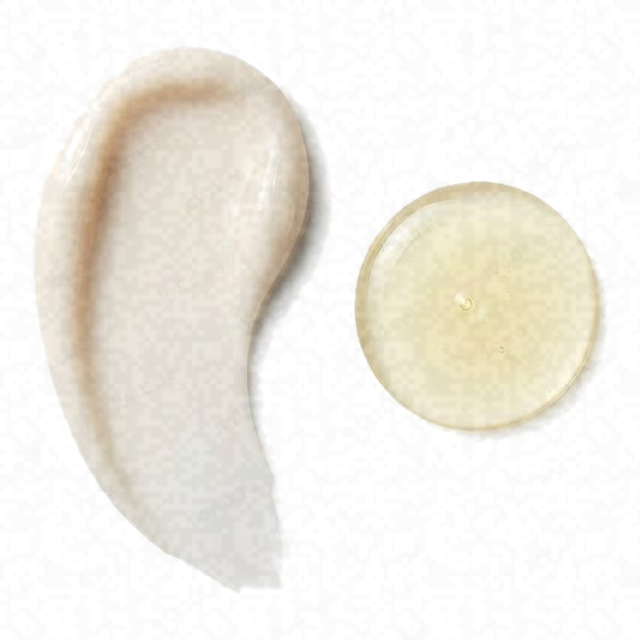 Ethylhexyl Methoxycinnamate
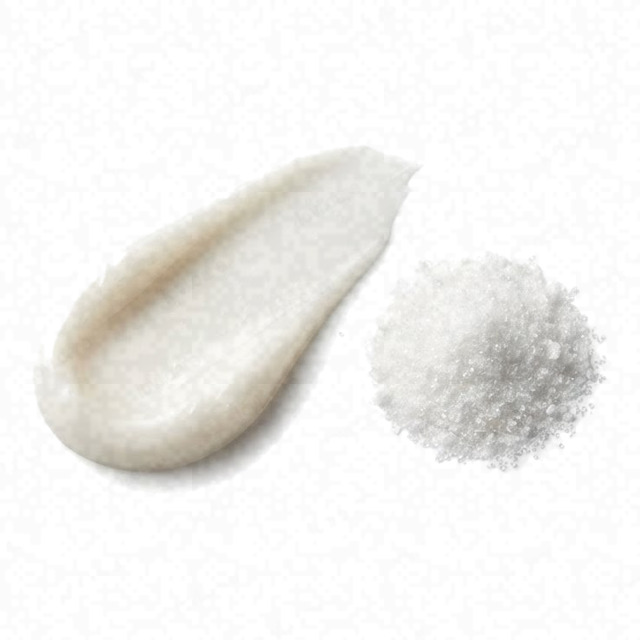 Diethylamino Hydroxybenzoyl Hexyl Benzoate
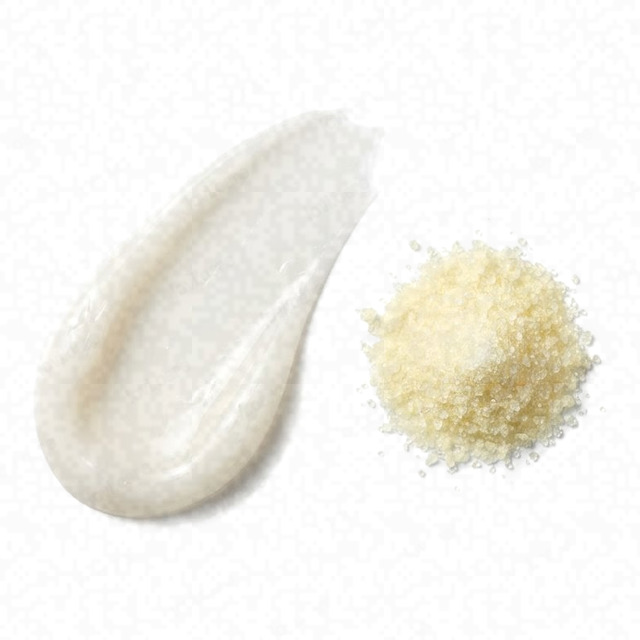 Bis-Ethylhexyl Oxyphenol Methoxyphenyl Triazine
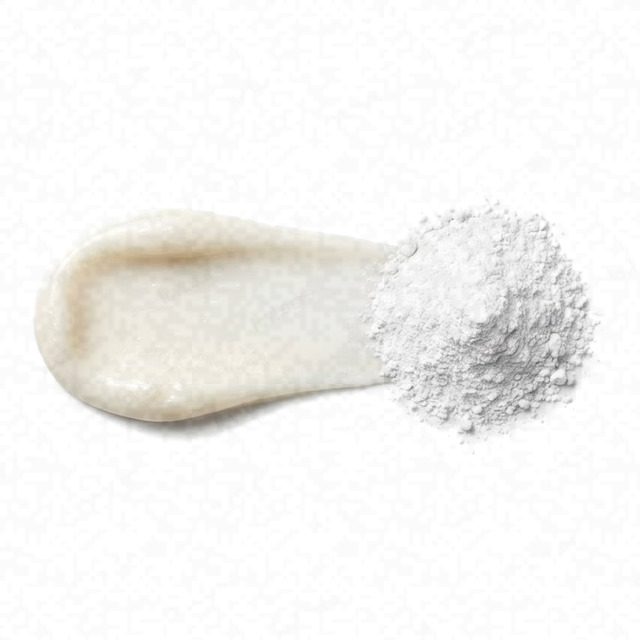 Titanium Dioxide
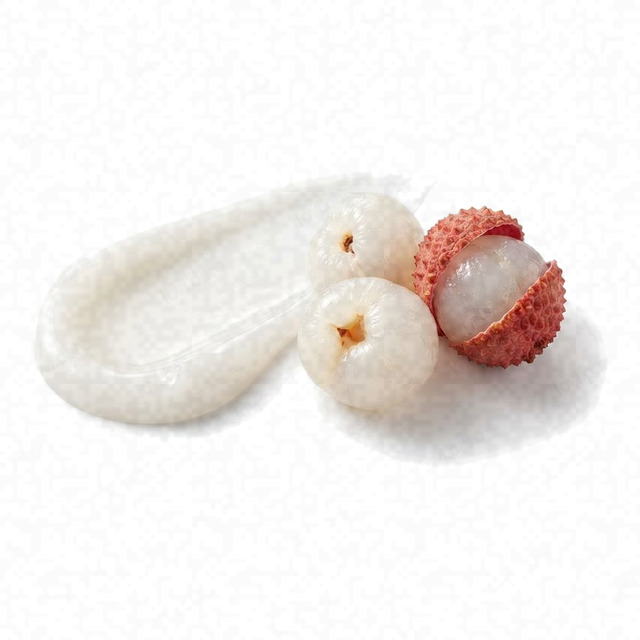 Litchi Chinensis Pericarp Extract
High
- HighCombination Skin Fit
- HighEffectiveness
- HighSafety
A great choice for combination skin; a few sunscreens fit it even better.
This fit is calculated for the concerns frequently associated with combination skin: an oily T-zone, enlarged pores, and dry cheeks. For scores and recommendations based on your full skin profile, including your 12D face scan results and any goals or preferences you have, please use the Lovi app.
Page built Nov 8, 2026How the Fit score works
Lovi Assistant explains
- Highly suitable for your combination skin, the Litchi Chinensis Pericarp Extract and Beta-Glucan provide antioxidant activity and humectant action, respectively, while silica and titanium dioxide help absorb excess oil for a matte finish.
- The formula offers excellent sun protection due to ethylhexyl methoxycinnamate and bis-ethylhexyloxyphenol methoxyphenyl triazine, shielding your skin from UV damage.
- There are no risks of irritation for your combination skin due to the absence of prohibited or harsh ingredients.
How to apply
- Apply this moisturizing sunscreen AM daily to protect your skin and control shine. Reapply as needed throughout the day.
- Use it as the final step of your morning routine after applying your moisturizer. It combines hydration and sun protection in one.
- Gently smooth a nickel-sized amount evenly over your face, avoiding harsh rubbing. Let it absorb fully before putting on makeup.
- Apply it directly to clean, dry skin for the best oil-controlling finish. Ensure your face is completely dry so the product sets properly.
- Avoid the immediate eye area during application. Do a patch test before your first use to check for any sensitivity.
People Say
★4.5Overall rating based on 1.5k+ reviewsBased on a very large amount of data, users with dry to normal skin appreciate this sunscreen for its moisturizing, lotion-like texture that absorbs well and doubles as a moisturizer. Users with oily skin or medium-to-deep skin tones often report a greasy finish and a noticeable grey or white cast.
Highlights
Hydrating formula Often Mentioned
- “feels moisturizing”
- “good for dry skin”
- “bursts into moisture”
- “dewy finish”
- “no dry patches”
Lightweight texture Often Mentioned
- “absorbs well”
- “lightweight”
- “spreads easily”
- “watery consistency”
- “not sticky”
No white cast Sometimes Noted
- “no white cast”
- “minimal white cast”
- “clear finish”
- “invisible on skin”
- “blends perfectly”
Pleasant scent Sometimes Noted
- “mild fragrance”
- “smells like baby”
- “refreshing herbal note”
- “clean smell”
- “not chemical-like”
Greasy/Shiny finish Sometimes Noted
- “super greasy”
- “too rich”
- “oily look”
- “shiny T-zone”
- “takes long to dry”
White/Grey cast Sometimes Noted
- “terrible grey cast”
- “looks dull”
- “not for medium/deep skin”
- “ashy appearance”
- “ghostly film”
Good makeup base Rarely Noted
- “applies smoothly”
- “glowy finish”
- “works well under foundation”
- “no pilling”
- “smooth canvas”
Eye irritation Rarely Noted
- “stings my eyes”
- “makes eyes water”
- “burns when sweating”
- “irritating near eyes”
- “sensitive eye area”
Price Rarely Noted
- “hefty price”
- “expensive for amount”
- “small bottle”
- “not budget-friendly”
- “pricey daily use”
Scent dislike Rarely Noted
- “scent off-putting”
- “smells too strong”
- “lingering fragrance”
- “perfume is heavy”
Sources: lovi.care, nykaa.com, sephora.in, makeupandsmiles.com, yesstyle.com, youtube.com, and more
Questions and answers
What makes Laneige Watery Sun Cream a great fit for combination skin?
Laneige Watery Sun Cream is a great fit for combination skin because it combines beta-glucan and litchi chinensis pericarp extract for hydration and antioxidant protection with silica and titanium dioxide to keep oily areas matte. Its effective sun filters shield against UV damage without causing irritation.
Journal of Cosmetic Dermatology, 2021International Journal of Nanomedicine, 2013
Which ingredients make this cream a good fit for combination skin?
This cream is a great fit for your combination skin because Litchi Chinensis Pericarp Extract and beta-glucan provide helpful antioxidant and moisture-locking benefits. Additionally, silica and titanium dioxide help absorb excess oil to keep your skin looking matte while shielding you from UV damage.
Journal of Cosmetic Dermatology, 2021International Journal of Nanomedicine, 2013
What does Octinoxate do for combination skin?
Octinoxate helps protect combination skin from the sun while staying light enough to avoid clogging your pores in oily areas or feeling heavy on dry patches. Liposomal versions stay on the skin longer for better sun defense, and it is unlikely to trigger acne or skin flare-ups.
International Journal of Nanomedicine, 2013Archives of Dermatological Research, 2024
What does Diethylamino Hydroxybenzoyl Hexyl Benzoate do for combination skin?
Diethylamino Hydroxybenzoyl Hexyl Benzoate helps protect combination skin from ultraviolet radiation by absorbing UVA rays. Encapsulating this ingredient in specialized carriers may also reduce skin penetration and maintain photostability during sun exposure.
ACS Applied Materials & Interfaces, 2023International Journal of Biological Macromolecules, 2026
Where does it go in a skincare routine for combination skin?
Laneige Watery Sun Cream is used as the final step of your morning skincare routine after your moisturizer to shield your skin from UV damage. It is unlikely to irritate combination skin and helps absorb excess oil for a matte finish.
Can I use this cream with retinol, and in what order?
You can use this cream in the morning after applying your retinol and moisturizer to protect your skin from the sun. The formula is unlikely to irritate your combination skin, and it helps shield you from UV damage.
How often should I use it?
You can use this moisturizing spf every morning as the final step of your daytime routine. Daily application helps shield your skin from UV damage while keeping excess oil under control.
Health Science Reports, 2021International Journal of Nanomedicine, 2013
Can this cream clog pores, cause breakouts or purging for combination skin?
This cream is unlikely to clog pores or cause breakouts for your combination skin because it avoids harsh ingredients and uses silica and titanium dioxide to help absorb excess oil for a matte finish. It does not contain active exfoliating ingredients, so it will not cause purging.
Is it fragrance-free and alcohol-free?
Yes, it has no fragrance and no drying alcohol.
What the research says
Skin care regimens containing beta-glucan improved hemoglobin index, skin hydration, and transepidermal water loss compared to vehicle control in 20 patients undergoing fractional laser therapy.
Journal of Cosmetic Dermatology, 2021Liposomal encapsulation of octyl methoxycinnamate increases its safety, skin affinity, and in vivo solar photoprotection factor while slowing its release and enhancing retention in the stratum corneum compared to a conventional formulation.
International Journal of Nanomedicine, 2013Para-hydroxycinnamic acid alone or combined with niacinamide significantly mitigates ultraviolet-induced erythema, barrier disruption, and surface inflammatory biomarkers in female panelists compared to placebo and octinoxate.
International Journal of Cosmetic Science, 2025Replacing 20% of the chemical UV filter octyl methoxycinnamate with urucum oil in solid lipid nanoparticles maintained the skin protection factor without inducing toxic responses or significant skin penetration in human volunteers.
Skin Pharmacology and Physiology, 2018Encapsulation of ethylhexyl methoxycinnamate and butyl methoxydibenzoylmethane in lipid microparticles significantly reduced their in vivo human skin penetration compared to nonencapsulated filters.
Skin Pharmacology and Physiology, 2011The application of a sunscreen formulation containing ethylhexyl methoxycinnamate, ethylhexyl salicylate, methyl anthranilate, and octocrylene does not significantly affect critical acne-related species such as Cutibacterium acnes and Staphylococcus epidermidis, refuting the induction of facial dysbiosis in men.
Archives of Dermatological Research, 2024Oral and dermal administration of Uvinul A plus resulted in three major urinary metabolites accounting for 52% of the oral dose, with a very low estimated daily systemic exposure of 8.1-9.3 μg/d in volunteers not intentionally exposed.
International Journal of Hygiene and Environmental Health, 2020Maximal topical applications of 6% bemotrizinol in a model sunscreen formulation did not result in meaningful systemic exposure in humans.
Regulatory Toxicology and Pharmacology, 2023Microfine titanium dioxide does not penetrate human skin when formulated in an oil-in-water emulsion with the pigment dispersed in the aqueous phase, compared to oily dispersions and liposomal encapsulation which allow deeper skin penetration.
International Journal of Cosmetic Science, 2000Replacing microsized titanium dioxide and zinc oxide with nanoparticles in sunscreens eliminates opaqueness and alters UV protection balance while inducing (photo)cyto- and genotoxicity and penetrating viable skin layers during long-term exposures.
Nanotechnology, Science and Applications, 2011Microfine zinc oxide and titanium dioxide do not penetrate the stratum corneum of porcine skin in vitro, indicating that their use in sunscreens does not pose a health risk from internal exposure.
Toxicology in Vitro, 2006Application of 0.1% and 0.05% litchi serum significantly increased skin lightening compared to placebo, while 0.1% litchi serum additionally improved skin elasticity and reduced wrinkles in 29 volunteers over 112 days.
Annales Pharmaceutiques Francaises, 2020
Ingredients
Water, Butylene Glycol, C12-15 Alkyl Benzoate, Ethylhexyl Methoxycinnamate, Diethylamino Hydroxybenzoyl Hexyl Benzoate, Bis-Ethylhexyloxyphenol Methoxyphenyl Triazine, Titanium Dioxide, Phenyl Trimethicone, Cyclopentasiloxane, Cyclohexasiloxane, Silica, Litchi Chinensis Pericarp Extract, Betula Platyphylla Japonica Juice, Chenopodium Quinoa Seed Extract, Beta-Glucan, Magnesium Sulfate, Calcium Chloride, Pca, Mannitol, Arginine, Serine, Sucrose, Manganese Sulfate, Glycogen, Citrulline, Histidine Hcl, Threonine, Alanine, Lysine Hcl, Glutamic Acid, Zinc Sulfate, Ascorbyl Glucoside, Polyacrylate-13, Polyisobutene, Aluminum Stearate, Alumina, Stearic Acid, Polyhydroxystearic Acid, Glycerin, Propanediol, Carbomer, Polysorbate 20, Sorbitan Isostearate, 1,2-Hexanediol, Ethylhexylglycerin, Disodium Edta, Phenoxyethanol
Behind this fit score
Lovi calculates every fit score from the full ingredient list with brand-independent rules our dermatologists and cosmetic chemists build and review, and personalizes every pick with AI trained on the real results of millions of users. Lovi trains its fit score models on a proprietary dataset built from more than 10,000 expert-labeled products and more than 100,000 simulated examples, following an internally consistent methodology presented at Cosmoprof, AMWC, and Skin of Color Update.
-

Co-founder, Medical Director
Cosmetic chemist, cosmetologist, aesthetic products developer
-

Co-founder, CEO and CTO
PhD in computer science, 3x US patent holder, ex-Google, ex-Yandex
-

Dr. Sofía Perea Pérez, MD, MSc
Medical Board
Aesthetic medicine practitioner, MSc in Longevity and Anti-Aging Medicine
-

Medical Board
Specialist dermatologist, MBBS, MD, IFAAD
-

Medical Board
Cosmetic chemist, SCS, IFSCC member
-

Medical Board, Medical Advisor
Dermatology MD
-

Elina Nazarenko, MD
Medical Board
Dermatology and diagnostic consultant
-

Victoria Derkova, MS
Medical Board
Cosmetic chemist, cosmetic development technologist


How does it fit your skin?
Scan your face, then any product: Lovi shows how well it fits you and what fits even better.