LANEIGE Perfect Renew Youth Eye Cream for acne-prone skin

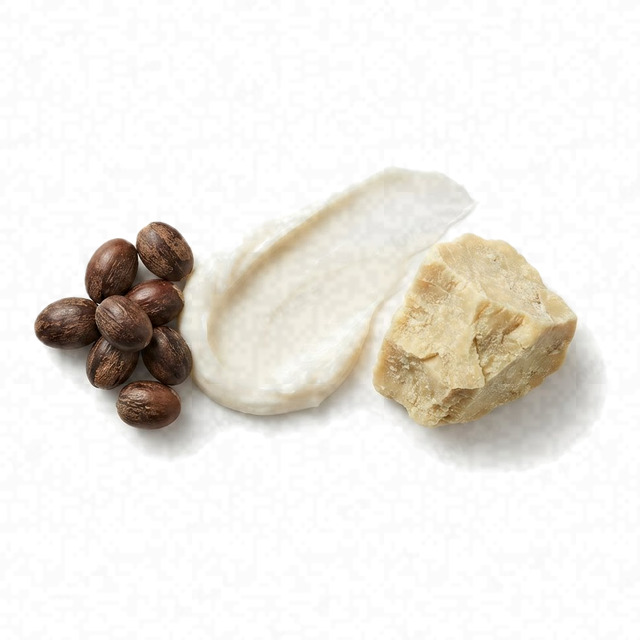 Butyrospermum Parkii Butter Shea Butter
 Adenosine
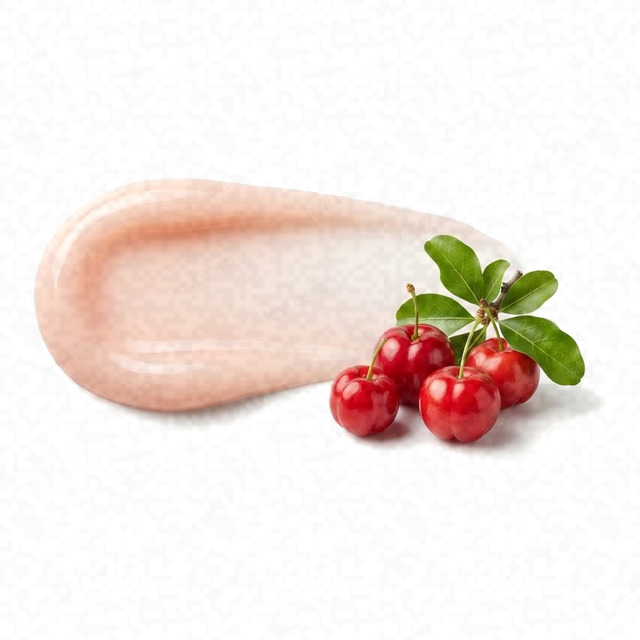 Acerola Fruit Extract
 Tocopherol
 Trehalose
Average
- AverageCombination Skin Fit
- AverageEffectiveness
- ExcellentSafety
Works for acne-prone skin; other eye cares fit it better.
- Clinical, Cosmetic and Investigational Dermatology, 2017
- American Journal of Clinical Dermatology, 2002
This fit is calculated for the concerns frequently associated with acne-prone skin: breakouts, blackheads, and post-acne marks. For scores and recommendations based on your full skin profile, including your 12D face scan results and any goals or preferences you have, please use the Lovi app.
Page built Nov 8, 2026How the Fit score works
Lovi Assistant explains
- Offers moderate suitability for combination skin, as shea butter and glycerin provide emollient and humectant actions to hydrate and enhance barrier resilience, but it lacks sufficient ingredients for optimal oil control on oily areas.
- While it offers general skincare benefits like hydration, the ingredients are mostly supportive and irrelevant for your acne, blemishes, and breakouts.
- The safety profile is good, with no risks of irritation due to the absence of harsh ingredients and the presence of soothing components like panthenol.
People Say
★4.5Overall rating based on 200+ reviewsThis rich eye cream is highly praised for its deep hydration and ability to soften fine lines, with many users enjoying its luxurious texture for nighttime use. Some users find it too heavy for daytime or oily skin, and a significant number mention the high price point relative to the quantity.
Highlights
Deeply moisturizing Often Mentioned
- “keeps under-eye moist”
- “very hydrating”
- “eliminates dryness”
- “skin feels supple”
Rich texture Often Mentioned
- “glides on smoothly”
- “luxurious feel”
- “thick but absorbs”
- “buttery consistency”
Expensive price Often Mentioned
- “pricey for size”
- “not budget friendly”
- “waiting for sale”
- “expensive investment”
Improves fine lines Sometimes Noted
- “softens crow's feet”
- “lines less visible”
- “plumps wrinkles”
- “smoother eye contour”
Pleasant scent Sometimes Noted
- “smells nice”
- “light floral scent”
- “refreshing fragrance”
- “not overpowering”
Unhygienic packaging Sometimes Noted
- “jar is unsanitary”
- “prefer a tube”
- “need a spatula”
- “dipping fingers in”
Fragrance sensitivity Rarely Noted
- “scent is unnecessary”
- “irritated sensitive eyes”
- “fragrance is strong”
- “prefer unscented”
Too heavy/greasy Rarely Noted
- “caused milia”
- “too oily for day”
- “takes time to absorb”
- “feels sticky”
Sources: lovi.care, femaledaily.com, yesstyle.com, influenster.com, wimj.com, laneige.com, and more
Questions and answers
How well does LANEIGE Perfect Renew Youth Eye Cream work for acne-prone skin?
This eye cream works for acne-prone skin, though other products fit it better because its ingredients are mostly supportive rather than helping with breakouts. It keeps skin soft and hydrated with glycerin and panthenol, but a product of this type needs soothing and hydrating ingredients like Centella Asiatica and peptides to fully care for acne-prone skin.
Which ingredients make this eye cream a good fit for acne-prone skin?
This eye cream works for acne-prone skin because it contains panthenol, which helps soothe the skin and calm irritation. However, a product for this skin type needs soothing and hydrating ingredients like Centella Asiatica and peptides to keep breakouts under control while keeping the skin balanced.
American Journal of Clinical Dermatology, 2002The Journal of Dermatological Treatment, 2017
What does Butyrospermum Parkii Butter do for acne-prone skin?
Butyrospermum Parkii Butter can feel quite rich on acne-prone skin and may clog pores for some people. A product of this type needs lightweight hydration and ingredients that balance oil without heavy blockage.
What does Adenosine do for acne-prone skin?
Adenosine helps calm acne-prone skin by reducing redness and swelling. It is unlikely to clear breakouts on its own, so acne-prone skin needs ingredients that clear pores and balance oil, like salicylic acid.
Where does this eye cream go in a skincare routine for acne-prone skin?
This eye cream goes after your moisturizer and before sunscreen in the morning, and as the last step before bed in the evening. While it hydrates the delicate eye area nicely, acne-prone skin needs products containing oil-controlling and targeted blemish-fighting ingredients to properly manage breakouts.
Can I use this eye cream with retinol, and in what order?
You can use this eye cream with retinol by applying the eye cream first to protect the delicate eye area and then layering your retinol nearby. The soothing panthenol in this cream is unlikely to irritate your skin, though acne-prone skin needs products with oil-controlling ingredients and blemish-fighting treatments to truly clear breakouts.
How often should I use this eye cream?
You can use this eye cream daily as part of your regular eye care routine. It hydrates the delicate eye area with gentle ingredients like shea butter and glycerin, though acne-prone skin needs products with oil-controlling ingredients to properly manage breakouts.
Can this eye cream clog pores, cause breakouts or purging for acne-prone skin?
This eye cream is unlikely to cause irritation because it includes soothing panthenol, but its ingredients are mostly unhelpful for acne, blemishes, and breakouts. A product of this type needs ingredients that provide oil control and target blemishes for acne-prone skin.
American Journal of Clinical Dermatology, 2002The Journal of Dermatological Treatment, 2017
Is this eye cream fragrance-free and alcohol-free?
It has no drying alcohol and contains fragrance (parfum). Cetearyl alcohol and behenyl alcohol are fatty alcohols, which soften the skin.
What the research says
A single application of a moisturizing fluid containing hyaluronic acid 1%, glycerin 5%, and Centella asiatica stem cells extract significantly increased skin hydration by 29% and reduced transepidermal water loss at 24 hours compared to baseline and an untreated control site in twenty healthy women.
Clinical, Cosmetic and Investigational Dermatology, 2017Topical dexpanthenol acts as a moisturizer, improves stratum corneum hydration, accelerates wound healing and epidermal regeneration, reduces erythema, and improves symptoms of skin irritation compared to vehicle or no pretreatment.
American Journal of Clinical Dermatology, 2002A new topical panthenol-containing emollient significantly improved transepidermal water loss reduction, stratum corneum hydration, and intercellular lipid lamellae length compared with control in healthy subjects without negatively impacting bacterial viability.
The Journal of Dermatological Treatment, 2017A panthenol-enriched mask significantly decreased erythema and hyperpigmentation, increased sebum and stratum corneum moisture, and reduced transepidermal water loss compared to a saline dressing in 60 subjects undergoing facial laser treatment.
Journal of Cosmetic Dermatology, 2025A combination cream of stimu-tex AS and saccharide isomerate reduced erythema, increased skin capacitance, and reduced transepidermal water loss compared to placebo in 20 subjects after fractional CO2 laser procedure without causing serious adverse events.
Lasers in Medical Science, 2025A skin barrier restoring cream with shea butter, silkflo, and vitamin E increased type I procollagen synthesis, enhanced antioxidant enzyme activity, decreased reactive oxygen species generation, and promoted hyaluronic acid production in H2O2-stimulated human keratinocyte cells compared to untreated cells.
International Journal of Cosmetic Science, 2025Topical adenosine treatment significantly increased the anagen hair growth rate and thick hair rate compared to placebo in Japanese women with female pattern hair loss over 12 months.
The Journal of Dermatology, 2008Topical application of a disodium adenosine monophosphate-based formulation reduced wrinkles and hyperpigmentation while improving hydration, barrier function, skin lifting, and epidermal turnover in female participants.
International Journal of Molecular Sciences, 2026Adenosine and cordycepin stimulate the Wnt/beta-catenin signaling pathway through adenosine receptor and PKA activation, promoting cell proliferation, migration, and growth factor secretion in cultured dermal fibroblasts.
International Journal of Molecular Sciences, 2021Topical application of 5% vitamin C cream significantly improved global clinical scores, increased skin microrelief density, and induced elastic tissue repair in photoaged skin compared to excipient control in healthy female volunteers.
Experimental Dermatology, 2003Ascorbic acid 2-glucoside gel significantly reduced gingival melanin pigmentation after 4 weeks compared to placebo in 73 subjects with symmetric pigmentation.
Journal of Periodontology, 2009Topical treatment with 5% vitamin C and 0.1% madecassoside significantly improved clinical scores for wrinkles, suppleness, firmness, roughness, and skin hydration, along with functional and structural remodeling of the elastic fiber network in 20 female volunteers with photoaged skin after 6 months compared to baseline.
Experimental Dermatology, 2008Topical application of an antioxidant serum containing 15% ascorbic acid, 0.5% ferulic acid, and 1% tocopherol prevented particulate matter-induced degradation of extracellular matrix components, inflammation, and oxidative stress in the skin of 15 female volunteers compared to untreated controls.
Journal of Cosmetic Dermatology, 2025Dermatological products containing d-alpha tocopheryl acetate showed non-comedogenic potential with less than a 50% increase in microcomedones in 12 healthy male subjects compared to octyl palmitate.
Contemporary Clinical Trials Communications, 2021Topical application of an antioxidant mix containing 15% ascorbic acid, 0.5% ferulic acid, and 1% tocopherol prevented PM and UV-induced skin barrier perturbation, lipid peroxidation, inflammatory markers, MMP9 activation, and Type I collagen loss in 15 healthy females compared to untreated exposed skin.
Journal of Cosmetic Dermatology, 2024Sodium trehalose sulfate decreased transepidermal water loss and increased stratum corneum water content in participants with low stratum corneum water content when applied for 4 weeks compared to placebo.
Skin Research and Technology, 2024Topical chloramphenicol-betamethasone combined with sodium hyaluronate/trehalose/carbomer gel compared to chloramphenicol-betamethasone alone reduced most subjective symptoms at 1 week but increased blurred vision at 4 weeks following strabismus surgery in 31 patients, with no significant differences in conjunctival inflammation between treatments.
Journal of Ocular Pharmacology and Therapeutics, 2019Topical treatment with Thealoz Duo significantly improved dry eye disease symptoms, tear break-up time, and restored tear lipid layer functionality by reducing inflammatory response proteins in moderate to severe dry eye patients over 56 days.
Journal of Clinical Medicine, 2025
Why other eye cares fit acne-prone skin better
Topical UP256 cream containing 0.5% bakuchiol administered twice daily significantly reduced inflammatory lesions and improved acne-related post-inflammatory hyperpigmentation in 13 subjects with mild or moderate facial acne.
Journal of Drugs in Dermatology, 2021Co-delivery of paeonol and madecassoside via nanoemulsions improved transdermal delivery, promoted barrier repair proteins, inhibited inflammatory cytokine secretion in cellular and 3D models, and reduced transepidermal water loss and acne in human facial skin compared to free components.
Molecules, 2023A dermocosmetic containing bakuchiol, Ginkgo biloba extract, and mannitol improves inflammatory lesions, Investigator Global Assessment, and seborrhea intensity when added to adapalene 0.1% gel in patients with acne vulgaris.
Clinical, Cosmetic and Investigational Dermatology, 2015
Ingredients
Water, Caprylic Capric Triglyceride, Butyrospermum Parkii Butter Shea Butter, Propanediol, Methyltrimethicone, Glycerin, Cetearyl Alcohol, 2-Hexanediol, Hydrogenated Oil, Trehalose, Glyceryl Stearate, Panthenol, Hydroxyethyl Acrylate Sodium Acryloyldimethyl Taurate Copolymer, Cetearyl Glucoside, Ammonium Acryloyldimethyltaurate Vp Copolymer, Behenyl Alcohol, Stearic Acid, Palmitic Acid, Parfum, Sodium Stearoyl Glutamate, Glyceryl Caprylate, Tromethamine, Ethylhexylglycerin, Disodium Edta, Acerola Fruit Extract, Adenosine, Sorbitan Isostearate, Euterpe Oleracea Fruit Extract, Hedychium Coronarium Root Extract, Glucose, Dextrin, Theobroma Cacao Extract, Myristic Acid, Arachidic Acid, Sodium Magnesium Silicate, Magnesium Chloride, Tetradecyl Aminobutyroylvalylaminobutyric Ureatrifluoroacetate, Tocopherol, Citric Acid, Glutathion
Behind this fit score
Lovi calculates every fit score from the full ingredient list with brand-independent rules our dermatologists and cosmetic chemists build and review, and personalizes every pick with AI trained on the real results of millions of users. Lovi trains its fit score models on a proprietary dataset built from more than 10,000 expert-labeled products and more than 100,000 simulated examples, following an internally consistent methodology presented at Cosmoprof, AMWC, and Skin of Color Update.
-

Co-founder, Medical Director
Cosmetic chemist, cosmetologist, aesthetic products developer
-

Co-founder, CEO and CTO
PhD in computer science, 3x US patent holder, ex-Google, ex-Yandex
-

Dr. Sofía Perea Pérez, MD, MSc
Medical Board
Aesthetic medicine practitioner, MSc in Longevity and Anti-Aging Medicine
-

Medical Board
Specialist dermatologist, MBBS, MD, IFAAD
-

Medical Board
Cosmetic chemist, SCS, IFSCC member
-

Medical Board, Medical Advisor
Dermatology MD
-

Elina Nazarenko, MD
Medical Board
Dermatology and diagnostic consultant
-

Victoria Derkova, MS
Medical Board
Cosmetic chemist, cosmetic development technologist


How does it fit your skin?
Scan your face, then any product: Lovi shows how well it fits you and what fits even better.