DRMTLGY Retinol Complex 0.5% for acne-prone skin

 Retinol
 Cyclopentasiloxane
 Dimethicone Crosspolymer
 Sodium Ascorbate
 Tocopherol
Low
- HighCombination Skin Fit
- AverageEffectiveness
- ConcerningSafety
A weak match for acne-prone skin; the serums alongside fit it better.
This fit is calculated for the concerns frequently associated with acne-prone skin: breakouts, blackheads, and post-acne marks. For scores and recommendations based on your full skin profile, including your 12D face scan results and any goals or preferences you have, please use the Lovi app.
Page built Nov 8, 2026How the Fit score works
Lovi Assistant explains
- Offers moderate exfoliation for your acne and blemishes due to retinol promoting cell turnover, but may pose risks of worsening them indirectly due to potential irritation in combination skin.
- Sodium ascorbate provides antioxidant activity, which is beneficial for combination skin, but the primary ingredient may not fully address your main goal of managing breakouts.
How to apply
- Use your serum as part of your PM routine and start 3x/week before working up to daily use.
- Apply this treatment after cleansing and toner, and before your moisturizer.
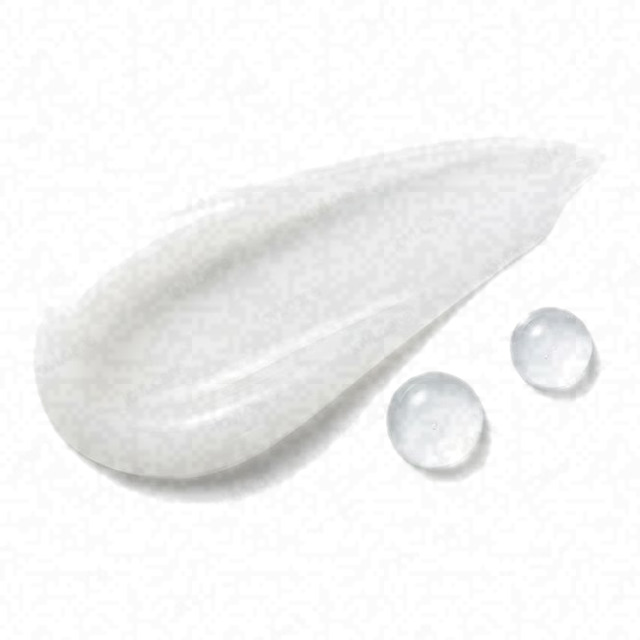
- Gently press 2-3 drops of the serum into your skin and let it absorb for a minute.
- Apply the product on clean, dry skin to help manage your breakouts safely.
- Avoid the eye area and do a patch test before your first use.
People Say
★4.9Overall rating based on 1000+ reviewsUsers consistently describe this product as an effective yet gentle entry-level retinoid that improves skin texture and fine lines without the severe irritation often associated with prescription alternatives. It is frequently praised by those with sensitive or mature skin for smoothing acne scars and brightening the complexion, though some users experience an initial adjustment period of mild peeling.
Highlights
Gentle & non-irritating Mostly Mentioned
- “Not a harsh retinol at all”
- “minimal peeling on my face”
- “good for sensitive skin”
Elegant texture Often Mentioned
- “Spreads like butter”
- “incredible silky texture”
- “fast-absorbing formula”
Improves texture & tone Often Mentioned
- “Skin feels like butter”
- “acne scars and redness fading”
- “bumps are smoother”
Hydrating formula Sometimes Noted
- “Softens my skin”
- “feels hydrated”
- “velvety finish”
Initial purging/peeling Sometimes Noted
- “Still have some peeling on forehead”
- “mild redness at first”
- “dead skin cells slowly peel off”
Packaging issues Rarely Noted
- “Pump can be finicky”
- “hard to get last bit out”
- “dispenses too much”
Scent Rarely Noted
- “Smell is terrible”
- “chemical scent”
- “earthy scent”
Slow results Rarely Noted
- “Results take time to show”
- “can't see difference yet”
- “early to make conclusions”
Sources: lovi.care, drmtlgy.com, reddit.com, youtube.com, consumerhealthdigest.com, skinsort.com, and more
Questions and answers
Why is DRMTLGY Retinol Complex 0.5% a weak match for acne-prone skin?
This product is a weak match because, while retinol helps clear blemishes by speeding up cell turnover, it may cause irritation that indirectly worsens breakouts in acne-prone skin. A product of this type needs soothing ingredients like niacinamide, propolis, and zinc PCA to control oil and hydrate without causing irritation.
The British Journal of Dermatology, 2019International Journal of Cosmetic Science, 2017
Which ingredients make this cream a poor fit for acne-prone skin?
Retinol is a poor fit for acne-prone skin here because it can cause irritation that indirectly worsens breakouts. A treatment of this type needs soothing and balancing ingredients like niacinamide, propolis, or zinc PCA to manage blemishes while keeping your skin calm and hydrated without irritation.
The British Journal of Dermatology, 2019International Journal of Cosmetic Science, 2017
What does Retinol do for acne-prone skin?
Retinol helps acne-prone skin by speeding up cell turnover and clearing pores to reduce breakouts. It regulates skin growth and fights inflammation, though it may cause some mild peeling or stinging when you first start using it.
Journal of Drugs in Dermatology, 2022The Journal of Dermatological Treatment, 2017
What does Cyclopentasiloxane do for acne-prone skin?
Cyclopentasiloxane gives skincare a smooth feel that spreads easily and dries without leaving a heavy layer behind. It is very unlikely to clog pores or cause irritation on acne-prone skin, making it a safe choice for daily use.
Where does this cream go in a skincare routine for acne-prone skin?
This treatment goes in the evening routine after cleansing and toning, and before your moisturizer. It is a weak match for acne-prone skin because potential irritation may indirectly worsen breakouts, so acne-prone skin needs soothing ingredients like niacinamide, ceramides, or hyaluronic acid to keep the skin calm and hydrated while managing blemishes.
Can I use it with niacinamide, and in what order?
You can use this treatment with niacinamide by applying niacinamide first after cleansing, letting it absorb, and then following with this treatment. Because this product may cause irritation that can worsen breakouts in acne-prone skin, pairing it with a soothing ingredient like niacinamide helps keep skin calm. Acne-prone skin needs gentle treatments that clear breakouts without causing irritation, along with soothing ingredients like niacinamide and ceramides.
Journal of Cosmetic Dermatology, 2024American Family Physician, 2012
How often should I use this cream?
This treatment is used in the evening once a week to start, and people who tolerate it well and see good results can carefully use it more often. It helps clear breakouts with retinol, but it may cause irritation in acne-prone skin. Acne-prone skin needs products with calming ingredients and gentle blemish-fighting actives that do not cause irritation.
The British Journal of Dermatology, 2019International Journal of Cosmetic Science, 2017
Can it clog pores, cause breakouts or purging for acne-prone skin?
Yes, this treatment may cause initial purging, peeling, and irritation that can indirectly worsen breakouts on acne-prone skin. A product for this skin needs soothing ingredients and gentle acne-fighting components that manage blemishes without causing irritation.
The British Journal of Dermatology, 2019International Journal of Cosmetic Science, 2017
Is this cream fragrance-free and alcohol-free?
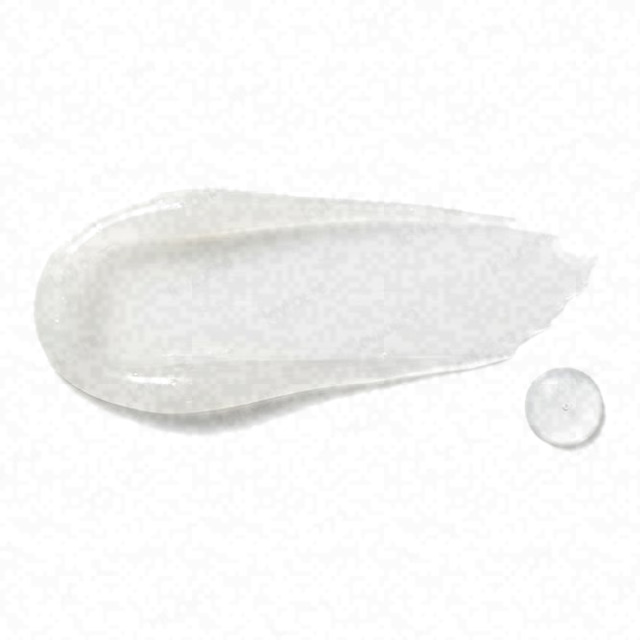
Yes, it has no fragrance and no drying alcohol.
What the research says
Topical 0.4% retinol significantly increased epidermal thickness, dermal vascularity, and extracellular matrix production by stimulating keratinocyte proliferation, endothelial cell proliferation, and fibroblast activation in naturally aged human skin compared to vehicle.
International Journal of Cosmetic Science, 2017Topical bakuchiol 0.5% applied twice daily compared with retinol 0.5% applied daily significantly decreased wrinkle surface area and hyperpigmentation with no statistical difference between the compounds in 44 patients over 12 weeks, while retinol users reported more facial skin scaling and stinging.
The British Journal of Dermatology, 2019Silicone particles encapsulating retinol increased its half-life by 9-fold and yielded 12-23% lower skin irritation in human subjects compared to Microsponge particles while maintaining biological activity.
Journal of Controlled Release, 2018Topical application of 5% vitamin C cream significantly improved global clinical scores, increased skin microrelief density, and induced elastic tissue repair in photoaged skin compared to excipient control in healthy female volunteers.
Experimental Dermatology, 2003Ascorbic acid 2-glucoside gel significantly reduced gingival melanin pigmentation after 4 weeks compared to placebo in 73 subjects with symmetric pigmentation.
Journal of Periodontology, 2009Topical application of VC-IP cream twice daily for 8 weeks reduces periorbital wrinkles in female subjects compared to a placebo cream.
Journal of Cosmetic Dermatology, 2022Topical application of an antioxidant serum containing 15% ascorbic acid, 0.5% ferulic acid, and 1% tocopherol prevented particulate matter-induced degradation of extracellular matrix components, inflammation, and oxidative stress in the skin of 15 female volunteers compared to untreated controls.
Journal of Cosmetic Dermatology, 2025Dermatological products containing d-alpha tocopheryl acetate showed non-comedogenic potential with less than a 50% increase in microcomedones in 12 healthy male subjects compared to octyl palmitate.
Contemporary Clinical Trials Communications, 2021Topical application of an antioxidant mix containing 15% ascorbic acid, 0.5% ferulic acid, and 1% tocopherol prevented PM and UV-induced skin barrier perturbation, lipid peroxidation, inflammatory markers, MMP9 activation, and Type I collagen loss in 15 healthy females compared to untreated exposed skin.
Journal of Cosmetic Dermatology, 2024
Why other serums fit acne-prone skin better
Topical nicotinamide plus an antibacterial adhesive agent and zinc-pyrrolidone carboxylic acid combined with adapalene significantly reduced noninflammatory acne lesions by the second week of therapy compared to placebo with adapalene in patients with moderate acne vulgaris.
The Journal of Clinical and Aesthetic Dermatology, 2020A cream combining propolis, tea tree oil, and Aloe vera reduced erythema scars, acne severity index, and total lesion count better than erythromycin cream in sixty patients with mild to moderate acne vulgaris compared to placebo.
Clinical Pharmacology, 2018Niacinamide and ferulic acid incorporated in a stable multiple emulsion successfully reduced melanin, sebum, and skin erythema while improving skin elasticity and hydration in human skin compared to a placebo.
BioMed Research International, 2022
Ingredients
Cyclopentasiloxane, Dimethicone Crosspolymer, Dimethicone Vinyl Dimethicone Crosspolymer, Dimethiconol, Caprylic Capric Triglyceride, Sodium Ascorbate, Tocopherol, Retinol
Behind this fit score
Lovi calculates every fit score from the full ingredient list with brand-independent rules our dermatologists and cosmetic chemists build and review, and personalizes every pick with AI trained on the real results of millions of users. Lovi trains its fit score models on a proprietary dataset built from more than 10,000 expert-labeled products and more than 100,000 simulated examples, following an internally consistent methodology presented at Cosmoprof, AMWC, and Skin of Color Update.
-

Co-founder, Medical Director
Cosmetic chemist, cosmetologist, aesthetic products developer
-

Co-founder, CEO and CTO
PhD in computer science, 3x US patent holder, ex-Google, ex-Yandex
-

Dr. Sofía Perea Pérez, MD, MSc
Medical Board
Aesthetic medicine practitioner, MSc in Longevity and Anti-Aging Medicine
-

Medical Board
Specialist dermatologist, MBBS, MD, IFAAD
-

Medical Board
Cosmetic chemist, SCS, IFSCC member
-

Medical Board, Medical Advisor
Dermatology MD
-

Elina Nazarenko, MD
Medical Board
Dermatology and diagnostic consultant
-

Victoria Derkova, MS
Medical Board
Cosmetic chemist, cosmetic development technologist


How does it fit your skin?
Scan your face, then any product: Lovi shows how well it fits you and what fits even better.