Desitin Maximum Strength Diaper Rash Paste for sensitive skin

 Zinc Oxide
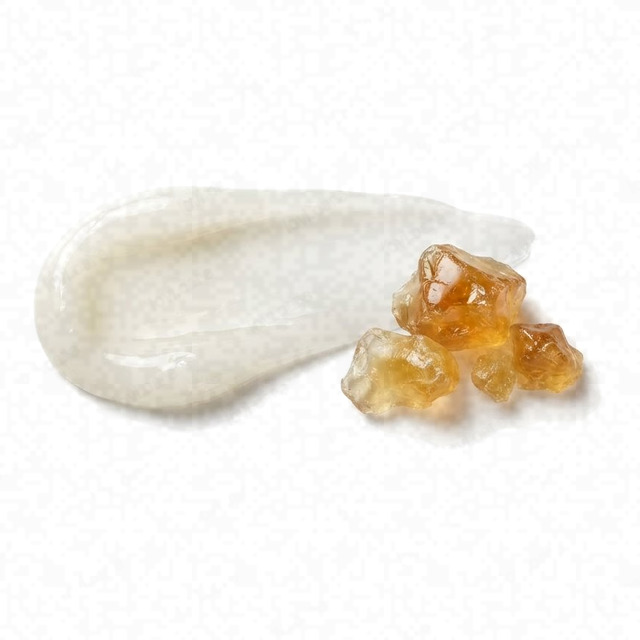 Petrolatum
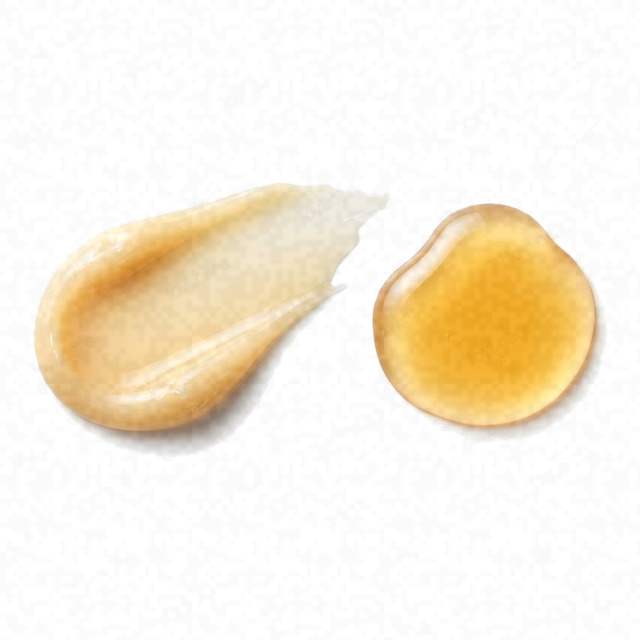 Cod Liver Oil
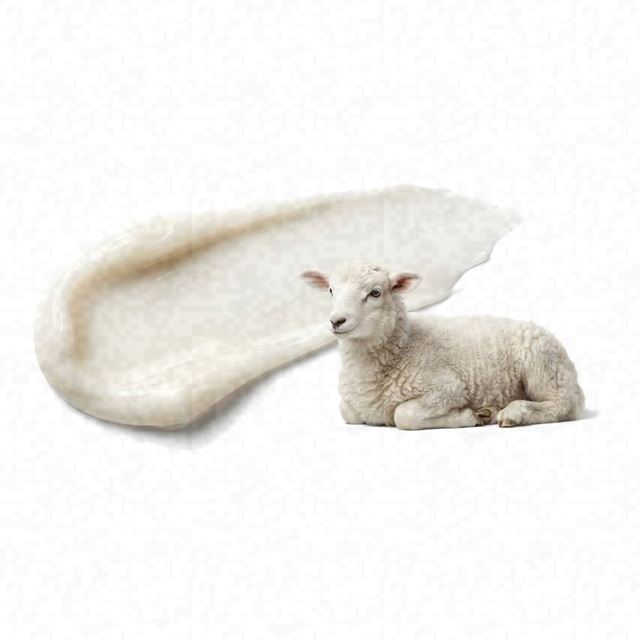 Lanolin
 Tocopheryl Acetate
Low
- HighNormal Skin Fit
- AverageEffectiveness
- HighSafety
A weak match for sensitive skin; the products alongside fit it better.
This fit is calculated for the concerns frequently associated with sensitive skin: redness, stinging, and reactions to new products. For scores and recommendations based on your full skin profile, including your 12D face scan results and any goals or preferences you have, please use the Lovi app.
Page built Nov 8, 2026How the Fit score works
Lovi Assistant explains
- Offers general soothing benefits for redness and irritation due to the presence of Zinc Oxide and Glycerin, which provide hydration and barrier support for your normal skin.
- Lanolin and Beeswax offer emollient actions, supporting skin hydration and barrier function, which is beneficial for your normal skin.
- The product is safe for your sensitive skin as it lacks harsh or prohibited ingredients.
Questions and answers
Why is Desitin Maximum Strength Diaper Rash Paste a weak match for sensitive skin?
Desitin Maximum Strength Diaper Rash Paste is a weak match for sensitive skin because it lacks specialized soothing and barrier-repairing ingredients tailored to reactive skin types. A product of this type needs gentle, hydrating, and protective ingredients like ceramides and centella asiatica to safely calm redness and support sensitive skin.
Which ingredients make this paste a poor fit for sensitive skin?
This paste is a weak match for sensitive skin because it contains lanolin and fragrance components that may cause irritation, alongside heavy petrolatum and mineral ingredients that can trap heat and worsen redness. A product for sensitive skin needs soothing agents like centella asiatica, gentle hydrators such as glycerin, and a lightweight, hypoallergenic formula free from heavy waxes and potential allergens.
What does Zinc Oxide do for sensitive skin?
Zinc oxide helps calm red, irritated skin and protects against irritation while being gentle enough for daily use. It is unlikely to cause trouble for delicate areas, making it a safe choice for soothing sensitive skin.
What does Petrolatum do for sensitive skin?
Petrolatum helps calm and protect sensitive skin by locking in moisture and supporting the outer barrier. This ingredient has a very low chance of causing allergies, making it safe for daily use on easily irritated skin.
The Journal of Allergy and Clinical Immunology, 2016Journal of the American Academy of Dermatology, 2024
Where does this paste go in a skincare routine for sensitive skin?
This paste is a weak match for your sensitive skin because it lacks targeted calming agents and barrier ingredients that a product of this type needs to stay comfortable and well-hydrated.
Can I use this paste with hydrocortisone, and in what order?
This paste is a weak match for sensitive skin, so using it alongside other treatments requires caution. To care properly for sensitive skin, a product of this type needs soothing ingredients and gentle hydrators that protect the skin barrier without irritation.
How often should I use this paste?
This paste is a weak match for your sensitive skin because it lacks targeted ingredients, and sensitive skin needs gentle hydration and barrier support from ingredients like zinc oxide, glycerin, lanolin, and beeswax.
Molecules, 2016Clinical, Cosmetic and Investigational Dermatology, 2017
Can this paste clog pores, cause breakouts or purging for sensitive skin?
This paste is unlikely to clog pores or cause breakouts for sensitive skin because it lacks harsh ingredients, though a product of this type needs lighter, non-greasy hydrators and breathable ingredients to truly suit sensitive skin without feeling heavy.
Is this paste fragrance-free and alcohol-free?
Yes, it has no fragrance and no drying alcohol.
What the research says
A single application of a moisturizing fluid containing hyaluronic acid 1%, glycerin 5%, and Centella asiatica stem cells extract significantly increased skin hydration by 29% and reduced transepidermal water loss at 24 hours compared to baseline and an untreated control site in twenty healthy women.
Clinical, Cosmetic and Investigational Dermatology, 2017Nanoemulsion-based lanolin derivatives increased skin hydration and oiliness without changing cutaneous pH values and proved non-toxic by causing no skin irritation.
Molecules, 2016Topical 0.5% hyaluronic-ZnO nanogel applied twice daily reduced inflammatory-lesion counts by 58% at week four in human subjects compared to baseline without causing erythema.
Biomedicines, 2025Nels cream achieved a similar reduction in inflammatory and noninflammatory lesion counts compared to 5% benzoyl peroxide in acne vulgaris patients, but caused significantly fewer side-effects such as peeling and dryness.
Clinical and Experimental Dermatology, 2000Topically applied coated and uncoated zinc oxide nanoparticles under flexing and massage are retained in the stratum corneum with no significant penetration into the viable epidermis and no cellular toxicity in human skin.
Nanomedicine, 2016The emollient V0034CR significantly reduced TEWL compared to vehicle and vehicle plus glycerol, and significantly increased corneometry scores compared to vehicle and vehicle plus petrolatum in healthy volunteers with dry skin, demonstrating combined barrier function improvement from petrolatum and hydration improvement from glycerol.
Journal of Cosmetic Dermatology, 2020Topical treatment with skin-identical lipids in a petrolatum-rich cream base showed no superiority over pure petrolatum in promoting normalization of barrier recovery and inflammation in detergent- and tape-stripped-perturbed human skin over 14 days.
Acta Dermato-venereologica, 2000Topically applied extra virgin olive oil and petrolatum both significantly improved skin barrier function and microtopographic features in 54 healthy adult volunteers, with petrolatum exerting stronger occlusive effects and extra virgin olive oil uniquely promoting epidermal renewal.
Journal of Clinical Medicine, 2025Topical 25% cod liver oil ointment significantly accelerated both wound epithelialization and neovascularization compared with vehicle and saline controls in hairless mice, with vitamin A likely acting as the active component.
Scandinavian Journal of Plastic and Reconstructive Surgery and Hand Surgery, 2000Daily bathing with an emulsified lanolin and mineral oil bath additive significantly reduced dry skin severity on the lower legs of patients compared to usual bath soap over 17 days.
Cutis, 1981Sunscreen formulations containing ethoxylated lanolin as an additional film former resulted in lower and constant physical-mechanical parameters and a higher and better reproducible SPF compared to the formulation without it.
International Journal of Pharmaceutics, 2021The addition of PEG-75 lanolin to a starch-based eco-friendly sunscreen formulation increased both its antioxidant capacity and visible light scattering, resulting in the lowest radical formation in a porcine skin ex vivo model compared to the formulation without lanolin.
Journal of Photochemistry and Photobiology. B, Biology, 2021Topical application of an antioxidant serum containing 15% ascorbic acid, 0.5% ferulic acid, and 1% tocopherol prevented particulate matter-induced degradation of extracellular matrix components, inflammation, and oxidative stress in the skin of 15 female volunteers compared to untreated controls.
Journal of Cosmetic Dermatology, 2025Dermatological products containing d-alpha tocopheryl acetate showed non-comedogenic potential with less than a 50% increase in microcomedones in 12 healthy male subjects compared to octyl palmitate.
Contemporary Clinical Trials Communications, 2021Topical application of an antioxidant mix containing 15% ascorbic acid, 0.5% ferulic acid, and 1% tocopherol prevented PM and UV-induced skin barrier perturbation, lipid peroxidation, inflammatory markers, MMP9 activation, and Type I collagen loss in 15 healthy females compared to untreated exposed skin.
Journal of Cosmetic Dermatology, 2024
Ingredients
Zinc Oxide, Petrolatum, Cod Liver Oil, Lanolin, Glycerin, Beeswax, Sorbitan Sesquioleate, Pentaerythrityl Tetra-Di-T-Butyl Hydroxyhydrocinnamate, Tocopheryl Acetate, Talc
Behind this fit score
Lovi calculates every fit score from the full ingredient list with brand-independent rules our dermatologists and cosmetic chemists build and review, and personalizes every pick with AI trained on the real results of millions of users. Lovi trains its fit score models on a proprietary dataset built from more than 10,000 expert-labeled products and more than 100,000 simulated examples, following an internally consistent methodology presented at Cosmoprof, AMWC, and Skin of Color Update.
-

Co-founder, Medical Director
Cosmetic chemist, cosmetologist, aesthetic products developer
-

Co-founder, CEO and CTO
PhD in computer science, 3x US patent holder, ex-Google, ex-Yandex
-

Dr. Sofía Perea Pérez, MD, MSc
Medical Board
Aesthetic medicine practitioner, MSc in Longevity and Anti-Aging Medicine
-

Medical Board
Specialist dermatologist, MBBS, MD, IFAAD
-

Medical Board
Cosmetic chemist, SCS, IFSCC member
-

Medical Board, Medical Advisor
Dermatology MD
-

Elina Nazarenko, MD
Medical Board
Dermatology and diagnostic consultant
-

Victoria Derkova, MS
Medical Board
Cosmetic chemist, cosmetic development technologist


How does it fit your skin?
Scan your face, then any product: Lovi shows how well it fits you and what fits even better.