Curél Moisture Milk for acne-prone skin

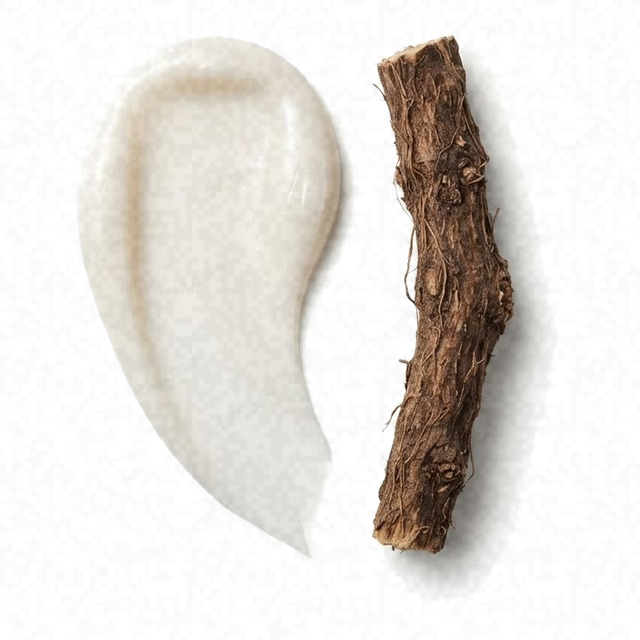 Allantoin
 Glycerin
 Squalane
 Dimethicone
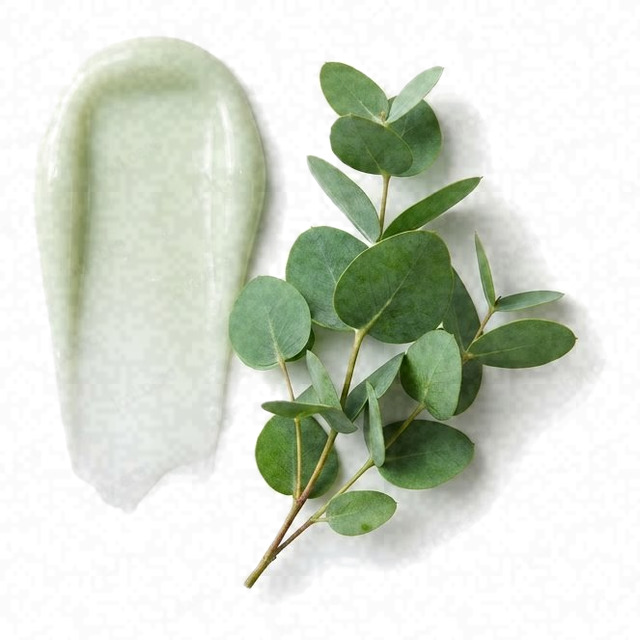 Eucalyptus Globulus Leaf Extract
Average
- AverageCombination Skin Fit
- AverageEffectiveness
- HighSafety
Works for acne-prone skin; other moisturizers fit it better.
This fit is calculated for the concerns frequently associated with acne-prone skin: breakouts, blackheads, and post-acne marks. For scores and recommendations based on your full skin profile, including your 12D face scan results and any goals or preferences you have, please use the Lovi app.
Page built Nov 8, 2026How the Fit score works
Lovi Assistant explains
- Offers moderate suitability for your combination skin as glycerin and squalane provide hydration and barrier support, though they do not directly target your acne, blemishes, and breakouts.
- The formula is safe for your combination skin, lacking harsh ingredients that could cause irritation.
- While it provides general moisturizing benefits, the absence of targeted acne-fighting ingredients means it will not significantly address your primary concerns.
How to apply
- Use your moisturizer twice a day in your AM and PM routines. Apply it daily to help keep breakouts under control.
- Apply after your cleanser and toner, and make sure to use your SPF right after in the morning.
- Gently spread a small amount of moisturizer over your face using soft motions. Let it absorb into the skin for a minute before getting dressed or applying makeup.
- Apply on slightly damp skin to help lock in extra moisture. This keeps your combination skin balanced without feeling heavy.
- Avoid the eye area and do a patch test before your first use. Stop using if you feel any irritation.
Questions and answers
How well does Curél Moisture Milk work for acne-prone skin?
Curél Moisture Milk offers moderate suitability for acne-prone skin, providing hydration and barrier support while remaining safe and free of harsh ingredients. However, because it lacks targeted acne-fighting ingredients, it will not significantly address breakouts or blemishes. A product for this skin needs ingredients that provide acne-fighting benefits alongside hydration, along with soothing agents and zero allergens.
Which ingredients make this moisturizer a good fit for acne-prone skin?
Glycerin and squalane make this moisturizer a good fit by providing hydration and supporting your skin barrier without causing irritation. However, because it lacks targeted acne-fighting ingredients, it will not significantly address breakouts. An acne-prone skin moisturizer of this type needs effective ingredients for blemishes and soothing extracts.
What does Allantoin do for acne-prone skin?
Allantoin helps calm redness and supports the skin barrier, making it a soothing addition to routines for acne-prone skin. It is often paired with ingredients that clear pores and reduce oil to keep acne-prone skin balanced and comfortable.
What does Glycerin do for acne-prone skin?
Glycerin helps keep acne-prone skin hydrated and calm without clogging pores or feeling heavy. It supports the skin barrier so it stays soft and smooth while handling everyday treatments.
The British Journal of Dermatology, 2008International Journal of Toxicology, 2019
Where does it go in a skincare routine for acne-prone skin?
Curél Moisture Milk goes in your morning and evening routine as your moisturizer step, right after your toner and before your sunscreen. It helps keep your skin soft and hydrated without causing irritation, but acne-prone skin also needs targeted blemish-fighting ingredients to properly address breakouts.
Can I use it with retinol, and in what order?
You can use this moisturizer with retinol to keep your skin soft and calm while reducing irritation from the treatment. Apply your retinol first, let it absorb, and then smooth the moisturizer over it. To best support acne-prone skin, a product of this type needs targeted blemish-fighting ingredients and oil-balancing components.
How often should I use this moisturizer?
You can use this moisturizer twice a day, in the morning and evening, to keep your skin hydrated and support your skin barrier. Daily application is unlikely to cause irritation and helps improve overall skin moisture.
Journal of Cosmetic Dermatology, 2020Health Science Reports, 2021
Can it clog pores, cause breakouts or purging for acne-prone skin?
It is unlikely to cause irritation or breakouts on acne-prone skin because it lacks harsh ingredients, though it also does not actively fight acne. Because it offers only general moisture, acne-prone skin needs a product that includes targeted ingredients to clear blemishes.
Can I use it around the eyes or on my body?
You can safely use this moisturizer around the eyes and on the body because the formula is gentle and well-tolerated. However, since the eyelids and certain body areas are among the thinnest regions of skin, acne-prone skin in these areas generally needs lightweight hydrators and soothing ingredients to stay balanced without clogging pores.
Is this moisturizer fragrance-free and alcohol-free?
Yes, it has no fragrance and no drying alcohol. Cetyl alcohol and stearyl alcohol are fatty alcohols, which soften the skin.
What the research says
A single application of a moisturizing fluid containing hyaluronic acid 1%, glycerin 5%, and Centella asiatica stem cells extract significantly increased skin hydration by 29% and reduced transepidermal water loss at 24 hours compared to baseline and an untreated control site in twenty healthy women.
Clinical, Cosmetic and Investigational Dermatology, 2017Topical application of a vitamin C-squalene bioconjugate significantly increased epidermal thickness, type III collagen production, and glycosaminoglycans production in human skin explants compared to free vitamin C and vitamin C-palmitate.
Scientific Reports, 2020Topical gel containing chitosan, 0.2% chlorhexidine, allantoin and dexpanthenol did not improve postoperative comfort regarding swelling and pain, but improved the wound's aesthetic appearance following impacted lower third molar extraction compared to no gel.
Medicina Oral, Patologia Oral Y Cirugia Bucal, 2016A topical gel containing chitosan, chlorhexidine, allantoin, and dexpanthenol significantly reduced postoperative pain, trismus, swelling, and analgesic consumption, while improving wound healing after third molar surgery compared to a placebo.
Medicina Oral, Patologia Oral Y Cirugia Bucal, 2020An overnight patch containing Allium cepa extract and allantoin safely promotes scar healing after dermatologic surgery, resulting in significantly greater reductions in observer- and patient-assessed POSAS scores compared to no treatment.
Aesthetic Plastic Surgery, 2018The emollient V0034CR significantly reduced TEWL compared to vehicle and vehicle plus glycerol, and significantly increased corneometry scores compared to vehicle and vehicle plus petrolatum in healthy volunteers with dry skin, demonstrating combined barrier function improvement from petrolatum and hydration improvement from glycerol.
Journal of Cosmetic Dermatology, 2020Ten days of treatment with a cream containing 20% glycerin significantly increased skin hydration measured by corneometer values in 17 healthy volunteers compared to a placebo cream, but showed no influence on transepidermal water loss or skin sensitivity to an irritating surfactant.
International Journal of Cosmetic Science, 2001Niacinamide/glycerin body moisturizers provided better rapid and prolonged improvement of cosmetic xerosis through functional improvement of stratum corneum barrier function compared to no treatment and conventional moisturizers in female subjects.
Journal of Drugs in Dermatology, 2012Squalane at 0.005-0.015% counteracts UVA-induced oxidative stress, inflammation, and collagen metabolism inhibition while stimulating fibroblast migration in human dermal fibroblasts.
Molecules, 2025Plant-derived squalane protected human dermal fibroblasts against UVA-induced damage by counteracting ROS formation, suppressing apoptosis-related proteins p53, caspase-3, caspase-9, and PARP, and restoring the pro-survival p-Akt/mTOR pathway.
Antioxidants, 2025Wearing an N95 mask alone compared to using dimethicone cream or hydrocolloid dressing caused more adverse skin reactions among 73 military health care workers, with no significant differences in fit test failure rates between groups.
Military Medicine, 2024A dimethicone skin protectant lotion significantly decreased visual scoring and transepidermal water loss compared to vehicle control and SLS-only treated sites in 12 healthy humans exposed to sodium lauryl sulfate.
Skin Research and Technology, 2000Treatment with a moisturizer containing dimethicone and glycerine increased epidermal thickness by 0.019 mm, improved barrier function by decreasing transepidermal water loss by 13%, decreased melanin intensity, and induced keratins 6 and 16 in fifteen women with moderately photoaged forearms.
Clinical and Experimental Dermatology, 2007Treatment with a moisturizer containing Eucalyptus extract significantly improved skin conductance and transepidermal water loss compared to placebo in 20 subjects with dry skin, accompanied by an increase in CER [NP] levels.
Journal of Cosmetic Dermatology, 2013Topical and in vitro application of Eucalyptus extract increases ceramide levels and biosynthesis in keratinocytes and human stratum corneum, improving water-holding and barrier functions in dry skin compared to untreated solvent-induced dry skin.
International Journal of Cosmetic Science, 2012Camphor oil treatment achieved complete cure of human facial demodicidosis at concentrations of 100%, 75%, and 50%, and an incomplete cure with a marked drop in infestation density at 25-20% concentrations.
Journal of the Egyptian Society of Parasitology, 2002
Why other moisturizers fit acne-prone skin better
Co-delivery of paeonol and madecassoside via nanoemulsions improved transdermal delivery, promoted barrier repair proteins, inhibited inflammatory cytokine secretion in cellular and 3D models, and reduced transepidermal water loss and acne in human facial skin compared to free components.
Molecules, 2023A panthenol-enriched mask improved skin hydration, regulated sebum, and reduced redness and TEWL across dry sensitive, oily sensitive, and oily acne skin subgroups with excellent tolerance and no adverse reactions.
Journal of Cosmetic Dermatology, 2024A facial serum containing snail secretion filtrate, Calendula officinalis, and Glycyrrhiza glabra root extract significantly reduced inflammatory acne lesions compared to placebo in 66 participants with mild-to-moderate maskne over 12 weeks.
Journal of Cosmetic Dermatology, 2022
Ingredients
Allantoin, Water, Glycerin, Squalane, Cetyl-Pg Hydroxyethyl Palmitamide, Polysorbate 60, Dimethicone, Butylene Glycol, Cholesterol, Sorbitan Stearate, Cetyl Alcohol, Polyglyceryl-2 Diisostearate, Stearyl Alcohol, Cholesteryl Isostearate, Xanthan Gum, Bis-Methoxypropylamido Isodocosane, Sodium Methyl Stearoyl Taurate, Succinic Acid, Eucalyptus Globulus Leaf Extract, Methylparaben
Behind this fit score
Lovi calculates every fit score from the full ingredient list with brand-independent rules our dermatologists and cosmetic chemists build and review, and personalizes every pick with AI trained on the real results of millions of users. Lovi trains its fit score models on a proprietary dataset built from more than 10,000 expert-labeled products and more than 100,000 simulated examples, following an internally consistent methodology presented at Cosmoprof, AMWC, and Skin of Color Update.
-

Co-founder, Medical Director
Cosmetic chemist, cosmetologist, aesthetic products developer
-

Co-founder, CEO and CTO
PhD in computer science, 3x US patent holder, ex-Google, ex-Yandex
-

Dr. Sofía Perea Pérez, MD, MSc
Medical Board
Aesthetic medicine practitioner, MSc in Longevity and Anti-Aging Medicine
-

Medical Board
Specialist dermatologist, MBBS, MD, IFAAD
-

Medical Board
Cosmetic chemist, SCS, IFSCC member
-

Medical Board, Medical Advisor
Dermatology MD
-

Elina Nazarenko, MD
Medical Board
Dermatology and diagnostic consultant
-

Victoria Derkova, MS
Medical Board
Cosmetic chemist, cosmetic development technologist


How does it fit your skin?
Scan your face, then any product: Lovi shows how well it fits you and what fits even better.