CeraVe AM Facial Moisturizing Lotion SPF 30 for oily acne-prone skin

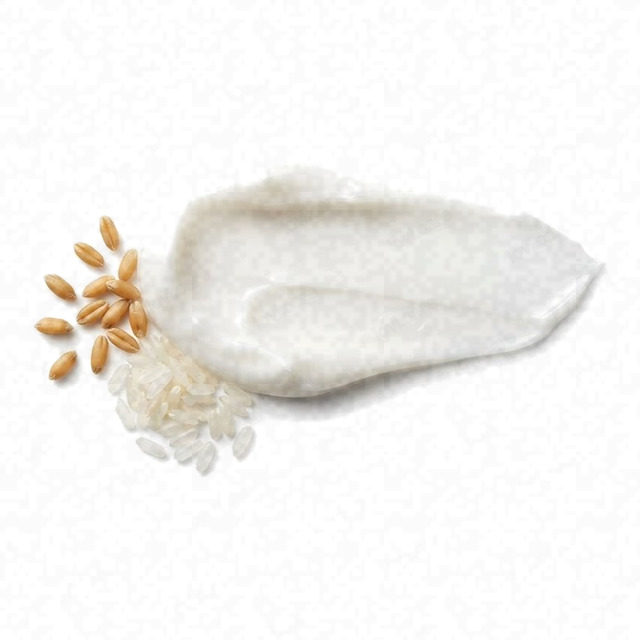 3 Essential Ceramides
 Sodium Hyaluronate
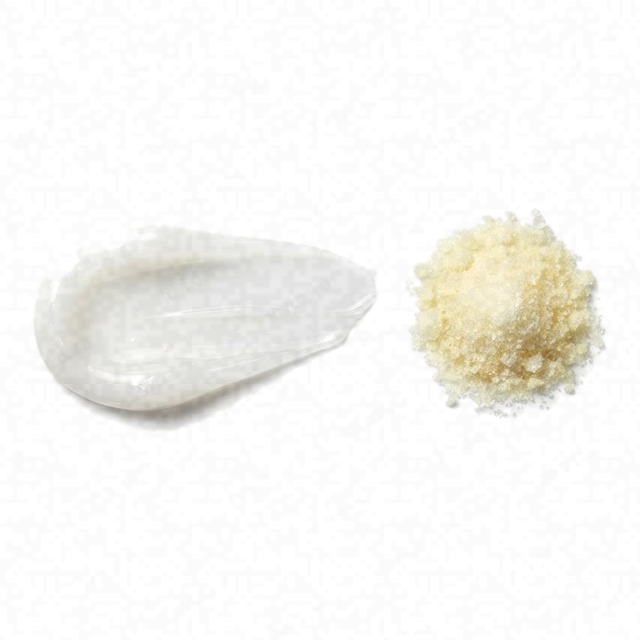 Avobenzone
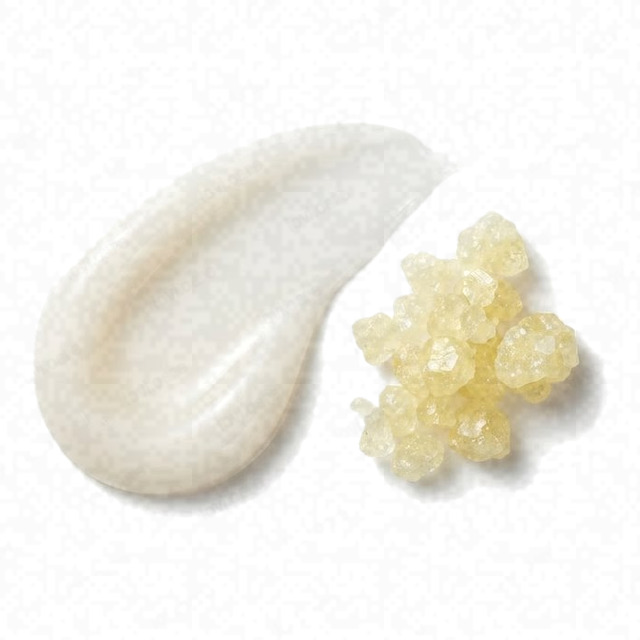 Homosalate
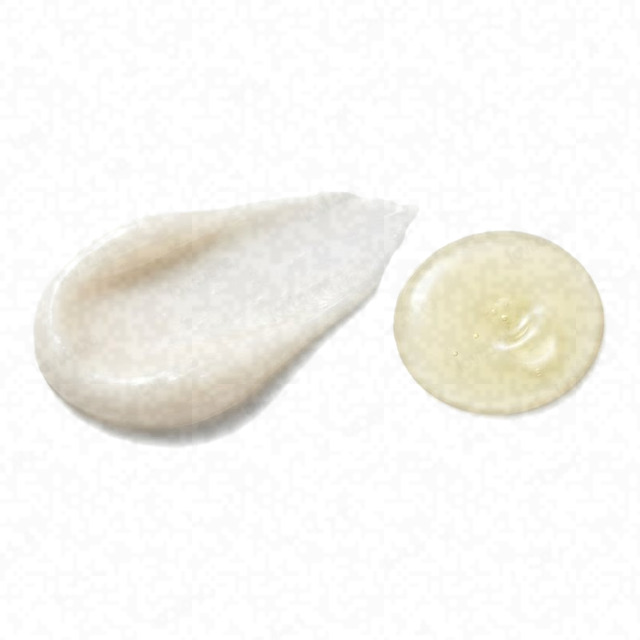 Octocrylene
Superior
- SuperiorOily Skin Fit
- SuperiorEffectiveness
- ExcellentSafety
One of the best sunscreens for oily acne-prone skin.
This fit is calculated for the concerns frequently associated with oily acne-prone skin: shine, breakouts, blemishes, and enlarged pores. For scores and recommendations based on your full skin profile, including your 12D face scan results and any goals or preferences you have, please use the Lovi app.
Page built Nov 8, 2026How the Fit score works
Lovi Assistant explains
- Excellent suitability for your oily skin is provided by ceramides and hyaluronic acid, which support barrier function and hydration without being overly occlusive, while broad-spectrum UV filters like avobenzone and octocrylene offer superior sun protection.
- Glycerin and sodium hyaluronate further enhance humectant action, addressing your concerns of acne, blemishes, and breakouts by maintaining optimal skin hydration.
- The safety profile is excellent, with no risks of irritation due to the absence of harsh ingredients and the presence of soothing components.
How to apply
- Use your moisturizing sunscreen every morning. Reapply throughout the day if you are outside.
- Apply this moisturizing sunscreen as the final step of your morning routine after your moisturizer.
- Gently smooth a nickel-sized amount over your face and neck, avoiding harsh rubbing to keep oily areas calm.
- Apply this moisturizing sunscreen on clean, dry skin to ensure even coverage and protection.
- Avoid getting the product into your eyes and do a patch test before your first use.
People Say
★4.2Overall rating based on 85.0k+ reviewsThis moisturizer is a highly regarded, fragrance-free staple that offers effective hydration and sun protection, making it a favorite for sensitive and acne-prone skin. Based on a very large amount of data, it is frequently noted for its restorative ingredients like ceramides and niacinamide, and its excellent value. However, a significant number of users report issues with pilling, especially under makeup, and a noticeable white cast on darker skin tones. Some also find the texture greasy or experience eye irritation.
Highlights
Restorative ingredients Mostly Mentioned
- “contains essential ceramides”
- “niacinamide calms redness”
- “hyaluronic acid hydrates”
Pilling under makeup Mostly Mentioned
- “rolls off skin”
- “clumps under makeup”
- “flakes like eraser dust”
Effective sun protection Often Mentioned
- “prevents daily burn”
- “good everyday SPF”
- “peace of mind”
Gentle and non-irritating Often Mentioned
- “doesn't clog pores”
- “great for sensitive skin”
- “no fragrance irritation”
Visible white cast Often Mentioned
- “leaves white residue”
- “ghostly appearance”
- “not for dark skin”
Value for money Sometimes Noted
- “affordable drugstore gem”
- “good price point”
- “lasts a long time”
Greasy finish Sometimes Noted
- “feels heavy/oily”
- “shiny face all day”
- “takes forever to absorb”
Eye irritation Rarely Noted
- “stings my eyes”
- “burns when sweating”
- “makes eyes water”
Sources: lovi.care, amazon.com, target.com, ulfa.com, walmart.com, cerave.com, and more
Questions and answers
What makes CeraVe AM Facial Moisturizing Lotion SPF 30 one of the best fits for oily acne-prone skin?
This moisturizer is a great fit because ceramides and hyaluronic acid keep oily skin hydrated without feeling heavy or greasy, while chemical sunscreens protect against the sun without clogging pores or triggering breakouts. It is very gentle and unlikely to cause irritation.
Clinical, Cosmetic and Investigational Dermatology, 2017Journal of Drugs in Dermatology, 2025
Which ingredients make this cream a good fit for oily acne-prone skin?
This cream is a great fit for oily acne-prone skin because it uses ceramides and sodium hyaluronate to hydrate and support your skin barrier without feeling heavy or greasy. It also includes chemical sunscreens like avobenzone and octocrylene that protect your skin from the sun with a very low risk of irritation or breakouts.
Clinical, Cosmetic and Investigational Dermatology, 2017Journal of Drugs in Dermatology, 2025
What do Ceramides do for oily acne-prone skin?
For oily acne-prone skin, ceramides help repair the skin barrier and improve moisture to reduce redness and acne-related irritation. Because acne-prone skin often lacks these essential lipids, adding them back supports a stronger barrier and helps keep the skin calm and smooth.
Journal of Cosmetic Dermatology, 2026Journal of Cosmetic Dermatology, 2023
What does Hyaluronic Acid do for oily acne-prone skin?
Hyaluronic acid helps calm oily acne-prone skin by reducing sebum production and lipid synthesis in sebaceous glands. It also supports skin barrier function and improves hydration while helping deliver treatments without causing irritation.
The Journal of Investigative Dermatology, 2017Journal of Cosmetic Dermatology, 2022
Where does this cream go in a skincare routine for oily acne-prone skin?
This cream goes in the morning routine right after your hydrating toner and before your sunscreen. It provides hydration and sun protection without feeling heavy on your oily skin.
Clinical, Cosmetic and Investigational Dermatology, 2017Journal of Drugs in Dermatology, 2025
Can I use it with retinol, and in what order?
You can use this moisturizer with retinol in the morning before your sunscreen or at night to help keep your skin comfortable. Using a barrier-supporting moisturizer alongside retinol helps reduce dryness and irritation while supporting your skin.
How often should I use this cream?
This moisturizer with SPF is well-suited for daily morning use on your oily acne-prone skin. Its lightweight ingredients hydrate and protect against the sun without clogging pores or causing irritation.
Clinical, Cosmetic and Investigational Dermatology, 2017Journal of Drugs in Dermatology, 2025
Can it clog pores, cause breakouts or purging for oily acne-prone skin?
This moisturizer is unlikely to clog pores or cause breakouts for oily acne-prone skin. Its lightweight ceramides and hyaluronic acid provide hydration without feeling heavy or greasy, and chemical sunscreens have been shown to have minimal risk of irritation.
Clinical, Cosmetic and Investigational Dermatology, 2017Journal of Drugs in Dermatology, 2025
Is this cream fragrance-free and alcohol-free?
Yes, it has no fragrance and no drying alcohol.
What the research says
The application of a sunscreen formulation containing ethylhexyl methoxycinnamate, ethylhexyl salicylate, methyl anthranilate, and octocrylene does not significantly affect critical acne-related species such as Cutibacterium acnes and Staphylococcus epidermidis, refuting the induction of facial dysbiosis in men.
Archives of Dermatological Research, 2024Encapsulating avobenzone in low-porosity TiO2-embedded mesoporous silica (TiO2/SBA-S) reduced cutaneous avobenzone absorption from 0.76 to 0.50 nmol/mg while providing effective pollutant adsorbability, UVA protection, and a two- to three-fold reduction in photoaged skin cytokines/chemokines compared to the non-treatment control.
European Journal of Pharmaceutical Sciences, 2023A single application of a moisturizing fluid containing hyaluronic acid 1%, glycerin 5%, and Centella asiatica stem cells extract significantly increased skin hydration by 29% and reduced transepidermal water loss at 24 hours compared to baseline and an untreated control site in twenty healthy women.
Clinical, Cosmetic and Investigational Dermatology, 2017Chemical sunscreens containing avobenzone, octocrylene, homosalate, and octisalate showed no to minimal risks of dermal irritation, sensitization, photo-allergy, and photo-irritation in human subjects.
Journal of Drugs in Dermatology, 2025A facial cream containing Centella asiatica leaf extract, ceramide NP, and panthenol reduced mean SS-10 scores by 66% and 76% after 2 and 4 weeks in Chinese females with sensitive skin, providing effective soothing and barrier-repairing properties with mild adverse events.
Journal of Cosmetic Dermatology, 2025Topical application of 0.1% hyaluronic acid formulations of different molecular weights led to significant improvements in skin hydration and elasticity, with low-molecular-weight formulations also significantly reducing wrinkle depth in seventy-six female subjects compared to a vehicle control.
Journal of Drugs in Dermatology, 2011Topical application of hyaluronic acid in conjunction with free gingival graft significantly reduced donor site postoperative pain until day 7 compared to normal saline, with no significant differences in graft dimensions or patient satisfaction.
Clinical Oral Investigations, 2022Treatment with a hyaluronic acid-containing mouth rinse or topical gel led to significant lesion reduction, pain relief, and normalization of lesion color in adult patients with minor recurrent aphthous stomatitis, with the gel formulation showing an earlier healing onset at 3 days.
BMC Oral Health, 2019Encapsulation of ethylhexyl methoxycinnamate and butyl methoxydibenzoylmethane in lipid microparticles significantly reduced their in vivo human skin penetration compared to nonencapsulated filters.
Skin Pharmacology and Physiology, 2011Microencapsulation of the BMDBM/HP-beta-CD complex in lipid microparticles significantly decreased the percutaneous penetration of the UV filter into the stratum corneum of human volunteers compared to the non-encapsulated sunscreen agent.
Journal of Pharmaceutical and Biomedical Analysis, 2011Following human skin application of an O/W emulsion containing 2% BMDBM loaded in lipospheres, 15% of the sunscreen accumulated in the uppermost layers of the stratum corneum without remarkably modifying skin permeation compared to unencapsulated sunscreen.
Skin Pharmacology and Physiology, 2008Dermal application of a sunscreen containing 10% homosalate in four volunteers resulted in delayed elimination with terminal half-times around 24 h and a bioavailability of cis-homosalate a factor of 2 lower than trans-homosalate, while metabolite ratios supported using oral-route urinary excretion fractions for dermal exposure assessments.
Archives of Toxicology, 2024Homosalate exhibited the highest permeation among tested filters with a relative permeability rate of 4.2% and a depth of 60 um, and specific thickeners and emulsifiers successfully reduced its permeation without inhibiting the skin permeation of niacinamide.
Photodermatology, Photoimmunology & Photomedicine, 2026An online-SPE-LC-MS/MS method successfully quantified specific urinary homosalate metabolites for up to 96 hours after dermal sunscreen application in a volunteer and detected metabolites exclusively in three German pilot participants who had used sunscreen within five days.
Analytica Chimica Acta, 2021Incorporating rosmarinic acid into sunscreens enhanced the in vivo SPF of octocrylene by over 157% and reduced lipid peroxidation in the human stratum corneum.
Antioxidants, 2025Early application of sunscreen after ablative fractional skin resurfacing significantly increased the sensitization rate of the UV-filter, octocrylene, and the sunscreen compared to intact skin.
The Journal of Dermatological Treatment, 2015Dermal sunscreen exposure in 20 healthy volunteers led to plasma concentrations of avobenzone, octocrylene, and its metabolite CDAA reaching up to 11 μg/L, 25 μg/L, and 1352 μg/L, respectively.
Environment International, 2019
Ingredients
Avobenzone, Homosalate, Octisalate, Octocrylene, Water, C12-15 Alkyl Benzoate, Glyceryl Stearate Se, Methyl Methacrylate Crosspolymer, Glycerin, Pentylene Glycol, Ceramide Np, Ceramide Ap, Ceramide Eop, Carbomer, Sodium Acryloyldimethyltaurate Vp Crosspolymer, Sodium Lauroyl Lactylate, Sodium Hyaluronate, Cholesterol, Phenoxyethanol, Disodium Edta, Hydroxyacetophenone, Citric Acid, Phytosphingosine, Xanthan Gum, T-Butyl Alcohol, Ethylhexylglycerin
Behind this fit score
Lovi calculates every fit score from the full ingredient list with brand-independent rules our dermatologists and cosmetic chemists build and review, and personalizes every pick with AI trained on the real results of millions of users. Lovi trains its fit score models on a proprietary dataset built from more than 10,000 expert-labeled products and more than 100,000 simulated examples, following an internally consistent methodology presented at Cosmoprof, AMWC, and Skin of Color Update.
-

Co-founder, Medical Director
Cosmetic chemist, cosmetologist, aesthetic products developer
-

Co-founder, CEO and CTO
PhD in computer science, 3x US patent holder, ex-Google, ex-Yandex
-

Dr. Sofía Perea Pérez, MD, MSc
Medical Board
Aesthetic medicine practitioner, MSc in Longevity and Anti-Aging Medicine
-

Medical Board
Specialist dermatologist, MBBS, MD, IFAAD
-

Medical Board
Cosmetic chemist, SCS, IFSCC member
-

Medical Board, Medical Advisor
Dermatology MD
-

Elina Nazarenko, MD
Medical Board
Dermatology and diagnostic consultant
-

Victoria Derkova, MS
Medical Board
Cosmetic chemist, cosmetic development technologist


How does it fit your skin?
Scan your face, then any product: Lovi shows how well it fits you and what fits even better.