Ceradan Cream for acne-prone skin

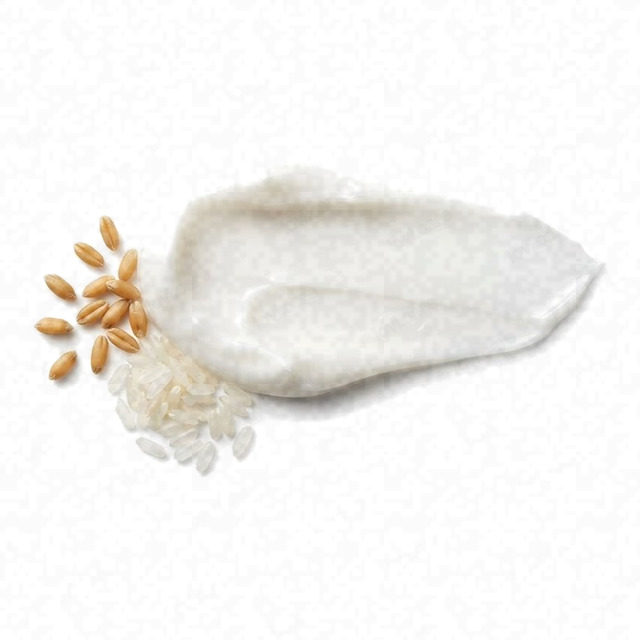 Ceramides
 Squalane
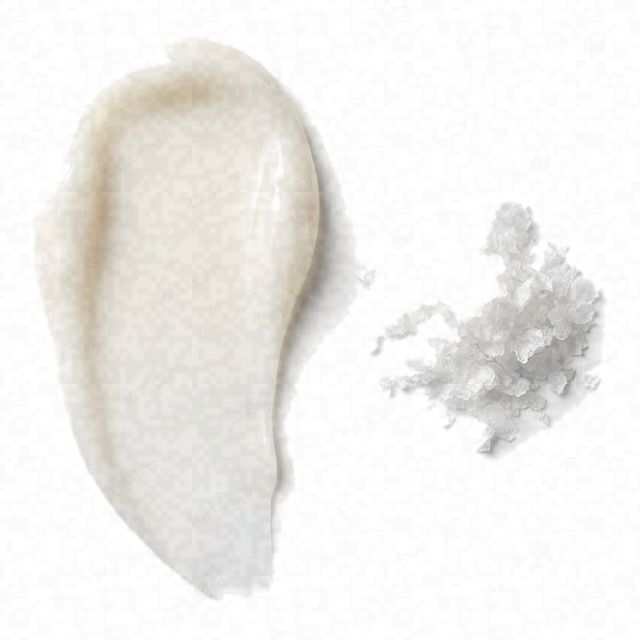 Cholesterol
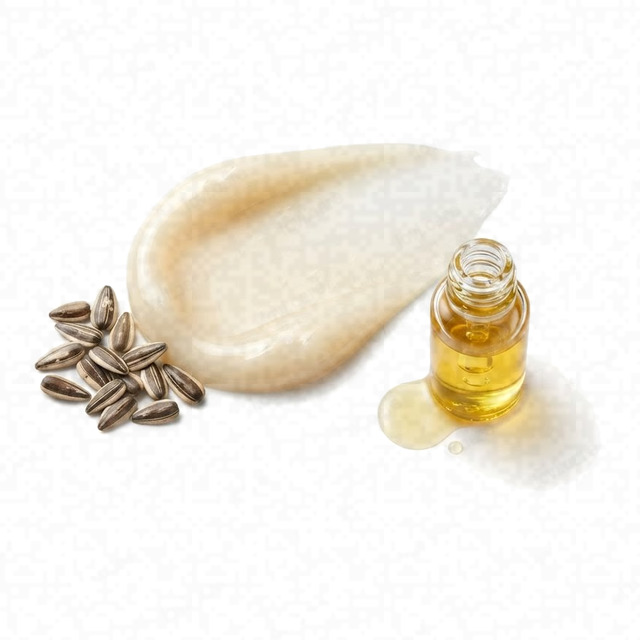 Linoleic Acid
 Vitamin E Tocopherol
Average
- AverageCombination Skin Fit
- AverageEffectiveness
- ExcellentSafety
Works for acne-prone skin; other moisturizers fit it better.
This fit is calculated for the concerns frequently associated with acne-prone skin: breakouts, blackheads, and post-acne marks. For scores and recommendations based on your full skin profile, including your 12D face scan results and any goals or preferences you have, please use the Lovi app.
Page built Nov 8, 2026How the Fit score works
Lovi Assistant explains
- Offers moderate suitability for your combination skin, as Glycerin and Squalane provide essential hydration and barrier support without exacerbating oiliness.
- While the formula offers general skincare benefits, it lacks targeted ingredients to effectively address your acne, blemishes, and breakouts.
- The product is safe for your skin, containing no harsh ingredients and including soothing components like Glycerin and Cholesterol to maintain skin comfort.
How to apply
- Use your moisturizer twice a day in your AM and PM routines. Apply it daily to help keep breakouts under control.
- Apply after your cleanser and toner, and make sure to use your SPF right after in the morning.
- Gently spread a small amount of moisturizer over your face using soft motions. Let it absorb into the skin for a minute before getting dressed or applying makeup.
- Apply on slightly damp skin to help lock in extra moisture. This keeps your combination skin balanced without feeling heavy.
- Avoid the eye area and do a patch test before your first use. Stop using if you feel any irritation.
Questions and answers
How well does Ceradan Cream work for acne-prone skin?
Ceradan Cream works moderately well for acne-prone skin, providing essential hydration and barrier support with ingredients like glycerin and squalane without making your skin overly oily. However, it lacks targeted ingredients for acne and breakouts. A moisturizer for this skin needs effective ingredients that address blemishes, clear skin, and calm irritation while keeping your skin balanced.
Which ingredients make this cream a good fit for acne-prone skin?
Glycerin and squalane make this cream a good fit for acne-prone skin because they provide essential hydration and keep the skin barrier strong without adding extra oil. However, this skin needs moisturizers that also contain targeted ingredients to clear breakouts and blemishes.
What do Ceramides do for acne-prone skin?
Ceramides help acne-prone skin by restoring a damaged water barrier, reducing dryness and redness from acne treatments, and lowering inflammation. Because acne-prone skin often lacks these key fats, products for this skin type need ceramides to soothe irritation and keep the barrier strong.
Journal of Drugs in Dermatology, 2023Archives of Dermatological Research, 1995
What does Squalane do for acne-prone skin?
Squalane may help keep acne-prone skin soft and smooth, but peroxidated forms can trigger inflammation in skin cells. For a better fit on acne-prone skin, products need non-clogging, soothing ingredients that balance oil without causing irritation.
Where does this cream go in a skincare routine for acne-prone skin?
This moisturizer goes toward the end of your morning and evening routines after cleansers, toners, and treatments. While it provides gentle hydration and barrier support, this type of skin needs targeted ingredients like salicylic acid or niacinamide to help clear blemishes and breakouts.
Can I use this cream with retinol, and in what order?
You can use this cream with retinol by applying the cream after your retinol treatment to help keep your skin calm and hydrated. Using a barrier-supporting moisturizer alongside retinol helps reduce dryness and irritation.
How often should I use this cream?
You can use this cream twice a day as part of your morning and evening routine to keep your skin comfortable and hydrated. Regular daily application helps improve moisture levels and supports the skin barrier.
Journal of Cosmetic Dermatology, 2020Health Science Reports, 2021
Can this cream clog pores, cause breakouts or purging for acne-prone skin?
This cream is unlikely to clog pores or cause purging, but it may not help prevent breakouts because it lacks targeted ingredients for acne. An acne-prone skin type needs specialized ingredients like salicylic acid or benzoyl peroxide to effectively clear blemishes and prevent new ones from forming.
Can I use this cream around the eyes or on my body?
You can safely use this cream on your body and around the eyes, as its gentle ingredients keep skin comfortable without irritation. However, because skin is thin around the eyes and varies in thickness across the body, a product of this type needs lightweight hydrators and protective barrier supporters to keep those areas soft and smooth.
Is this cream fragrance-free and alcohol-free?
Yes, it has no fragrance and no drying alcohol. Behenyl alcohol and cetyl alcohol are fatty alcohols, which soften the skin.
What the research says
A single application of a moisturizing fluid containing hyaluronic acid 1%, glycerin 5%, and Centella asiatica stem cells extract significantly increased skin hydration by 29% and reduced transepidermal water loss at 24 hours compared to baseline and an untreated control site in twenty healthy women.
Clinical, Cosmetic and Investigational Dermatology, 2017Squalane at 0.005-0.015% counteracts UVA-induced oxidative stress, inflammation, and collagen metabolism inhibition while stimulating fibroblast migration in human dermal fibroblasts.
Molecules, 2025Plant-derived squalane protected human dermal fibroblasts against UVA-induced damage by counteracting ROS formation, suppressing apoptosis-related proteins p53, caspase-3, caspase-9, and PARP, and restoring the pro-survival p-Akt/mTOR pathway.
Antioxidants, 2025Botulinum toxin-A encapsulated in phosphatidylcholine/cholesterol nanoliposomes delivered transdermally achieved a diffusion depth of 380 μm and showed a nonsignificant advantage in relieving post-acne scarring compared to hyaluronic acid hydrogel treatment in 12 facial patients.
Journal of Materials Science. Materials in Medicine, 2024Topical application of cholesterol sulfate increases stratum corneum thickness and inhibits protease-induced cell dissociation by competitively inhibiting serine proteases in mice and human stratum corneum.
The Journal of Investigative Dermatology, 1998Topical lovastatin treatment impairs the recovery of cutaneous permeability barrier function and stratum corneum cholesterol levels after acetone disruption in mice, an effect normalized by simultaneous treatment with mevalonate or cholesterol.
The Journal of Clinical Investigation, 1990Topical application of linoleic acid achieved an almost 25% reduction in the overall size of follicular casts and microcomedones over a 1-month treatment period in patients with mild acne compared to no change at placebo-treated sites.
Clinical and Experimental Dermatology, 1998A lotion containing triethyl citrate and ethyl linoleate reduced Leeds grading, total, inflammatory, and noninflammatory lesion counts, and sebum production compared with a placebo in patients with mild to moderate acne.
The British Journal of Dermatology, 2007Liposomal formulation of linoleic acid significantly enhances its skin whitening effect compared to non-liposomal forms in UV-stimulated guinea pig and human skin.
Biological & Pharmaceutical Bulletin, 2004Topical application of an antioxidant serum containing 15% ascorbic acid, 0.5% ferulic acid, and 1% tocopherol prevented particulate matter-induced degradation of extracellular matrix components, inflammation, and oxidative stress in the skin of 15 female volunteers compared to untreated controls.
Journal of Cosmetic Dermatology, 2025Dermatological products containing d-alpha tocopheryl acetate showed non-comedogenic potential with less than a 50% increase in microcomedones in 12 healthy male subjects compared to octyl palmitate.
Contemporary Clinical Trials Communications, 2021Topical application of an antioxidant mix containing 15% ascorbic acid, 0.5% ferulic acid, and 1% tocopherol prevented PM and UV-induced skin barrier perturbation, lipid peroxidation, inflammatory markers, MMP9 activation, and Type I collagen loss in 15 healthy females compared to untreated exposed skin.
Journal of Cosmetic Dermatology, 2024
Why other moisturizers fit acne-prone skin better
Co-delivery of paeonol and madecassoside via nanoemulsions improved transdermal delivery, promoted barrier repair proteins, inhibited inflammatory cytokine secretion in cellular and 3D models, and reduced transepidermal water loss and acne in human facial skin compared to free components.
Molecules, 2023A panthenol-enriched mask improved skin hydration, regulated sebum, and reduced redness and TEWL across dry sensitive, oily sensitive, and oily acne skin subgroups with excellent tolerance and no adverse reactions.
Journal of Cosmetic Dermatology, 2024A facial serum containing snail secretion filtrate, Calendula officinalis, and Glycyrrhiza glabra root extract significantly reduced inflammatory acne lesions compared to placebo in 66 participants with mild-to-moderate maskne over 12 weeks.
Journal of Cosmetic Dermatology, 2022
Ingredients
Glyceryl Stearate, Linoleic Acid, Behenyl Alcohol, Cetyl Alcohol, Sodium Lauroyl Lactylate, Sorbitan Stearate, Squalane, Ethylhexylglycerin, Xanthan Gum, Water, Carbomer, Butylene Glycol, Glycerin, Cholesterol, Trideceth-12, Pentylene Glycol, Hydroxypropyl Bispalmitamide Mea, Jojoba Seed Oil, Tocopherol Vitamin E, Hydrogenated Polydecene, Dimethicone, Cyclopentasiloxane, Sodium Hydroxide, Peg-32, Peg-6, Peg-60 Glyceryl Isostearate, Peg-8 Beeswax, Phenoxyethanol
Behind this fit score
Lovi calculates every fit score from the full ingredient list with brand-independent rules our dermatologists and cosmetic chemists build and review, and personalizes every pick with AI trained on the real results of millions of users. Lovi trains its fit score models on a proprietary dataset built from more than 10,000 expert-labeled products and more than 100,000 simulated examples, following an internally consistent methodology presented at Cosmoprof, AMWC, and Skin of Color Update.
-

Co-founder, Medical Director
Cosmetic chemist, cosmetologist, aesthetic products developer
-

Co-founder, CEO and CTO
PhD in computer science, 3x US patent holder, ex-Google, ex-Yandex
-

Dr. Sofía Perea Pérez, MD, MSc
Medical Board
Aesthetic medicine practitioner, MSc in Longevity and Anti-Aging Medicine
-

Medical Board
Specialist dermatologist, MBBS, MD, IFAAD
-

Medical Board
Cosmetic chemist, SCS, IFSCC member
-

Medical Board, Medical Advisor
Dermatology MD
-

Elina Nazarenko, MD
Medical Board
Dermatology and diagnostic consultant
-

Victoria Derkova, MS
Medical Board
Cosmetic chemist, cosmetic development technologist


How does it fit your skin?
Scan your face, then any product: Lovi shows how well it fits you and what fits even better.